Haxnbauer, on Tal Strasse in Munich's Altstadt, is one of the city's most established addresses for traditional Bavarian roast pork and knuckle. The dining room places you squarely inside a centuries-old local ritual: the slow-roasted haxn, the litre stein, the unhurried table. For visitors trying to understand Munich's food culture rather than merely photograph it, this is a credible starting point.
Pearl is the En Primeur Club membership app — saves, bookings, and concierge access live there. Same editors, same standards.
- Address
- Tal 38, 80331 München, Germany
- Phone
- +494989224248
- Website
- kuffler.de
- Directions
- Get directions
 Saves & bookings on Pearl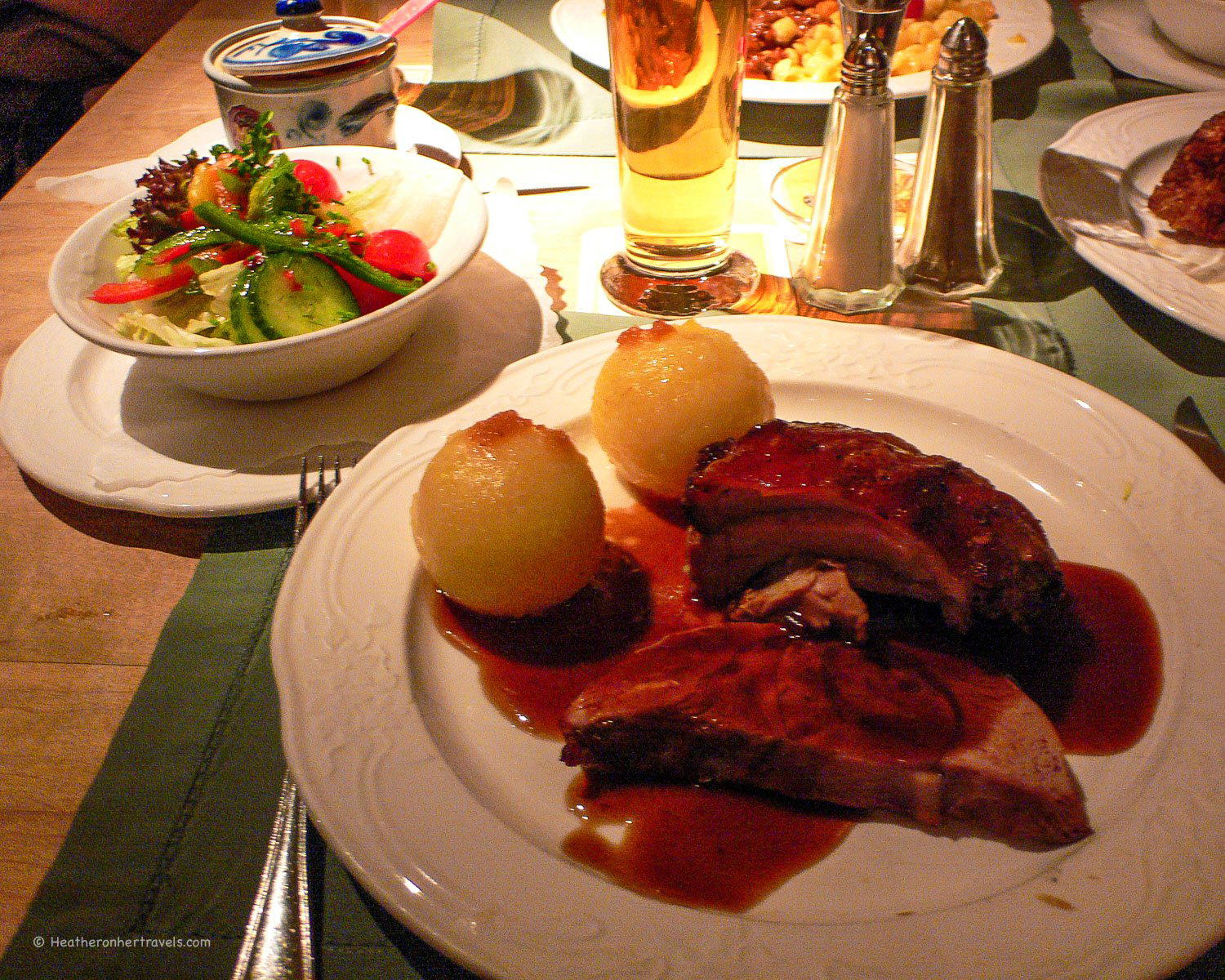
The Ritual Before the Meal
Haxnbauer is a Traditional Bavarian restaurant in Munich at Tal 38, 80331 München, Germany. Long before the city developed the kind of fine-dining infrastructure Bavarian gastronomy was structured around communal tables, ceramic steins, and cuts of pork that spent hours rotating above open flame. Haxnbauer, at Tal 38 in the Altstadt, is one of the more durable expressions of that tradition. The address places it a short walk from Marienplatz.
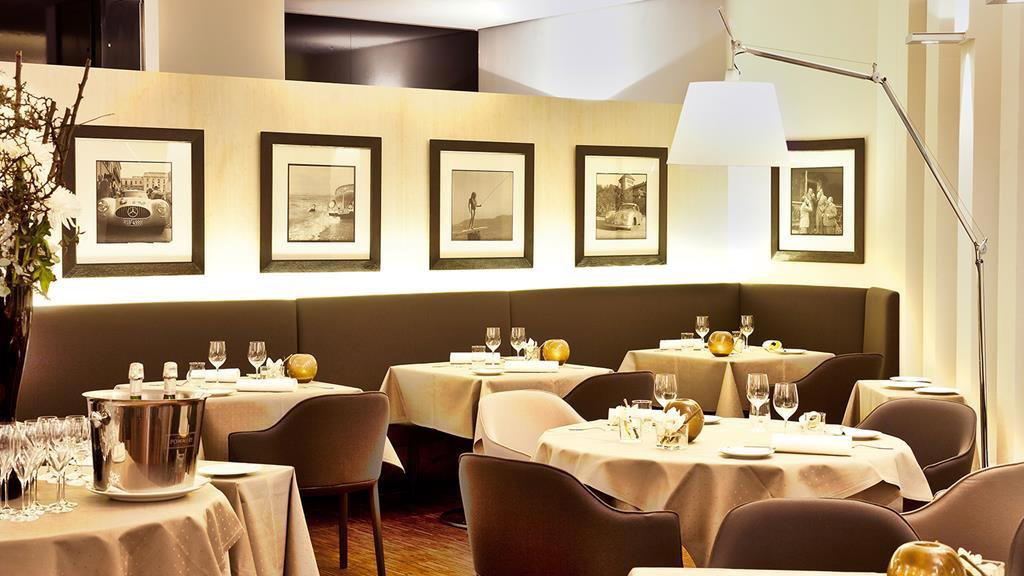
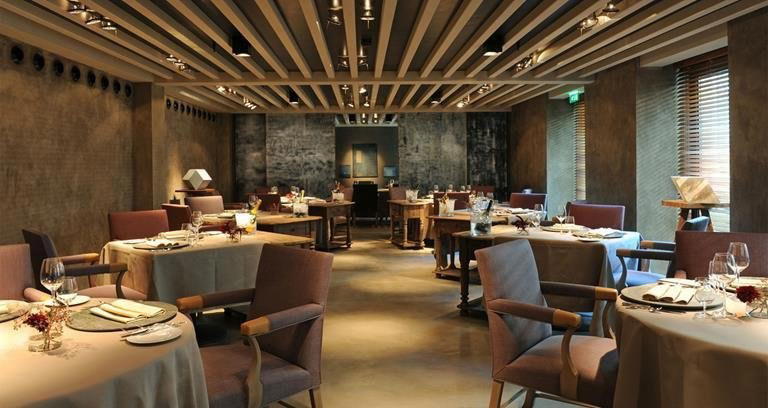
Approaching the building, the architectural language is exactly what the tradition demands: heavy timber, low ceilings, rooms that feel assembled across different eras rather than designed in one. German beer-hall dining has always been about a specific kind of density, bodies close together, noise absorbed by wooden surfaces, the pace dictated by appetite rather than by a kitchen's tasting-menu schedule. Haxnbauer operates inside that logic. You are sitting down, ordering, and participating in something that predates contemporary restaurant culture by several centuries.
What the Haxn Actually Is
The schweinshaxe, the roasted pork knuckle that defines the menu here, is not a subtle dish. It is a forearm-sized joint of pork with crackling skin blistered to a deep amber, served with either potato dumplings or sauerkraut, and it arrives at the table with little ceremony beyond its own weight. In the Bavarian tradition, the haxn is assessed on two criteria: the crispness of the skin and the yield of the meat beneath. Both require time and heat management that most kitchens don't bother with when volume is the priority. The slow-roasting format at Haxnbauer, visible through the open kitchen display, is the operative claim.
This is the kind of dish that Germany's more ambitious kitchens tend to reference rather than serve. At Tohru in der Schreiberei, or at the creative end of Munich dining represented by JAN and Alois - Dallmayr Fine Dining, the culinary conversation is running in a different direction entirely. Haxnbauer is not competing in that space.
For visitors familiar with Germany's broader fine-dining circuit, the focused technical work at Aqua in Wolfsburg, the long-standing prestige of Schwarzwaldstube in Baiersbronn, or the precision of Vendôme in Bergisch Gladbach, Haxnbauer represents a different category of eating entirely. It is not trying to earn a star. It is trying to execute a regional dish to a standard that validates the tradition.
The Pacing of a Bavarian Table
One of the more instructive things about eating at a place like Haxnbauer is what it reveals about the structure of a Bavarian meal. Unlike the tasting-menu rhythm at CODA Dessert Dining in Berlin or the choreographed progression at ES:SENZ in Grassau, a traditional Bavarian dinner has almost no internal architecture. You order a haxn. You order a beer. The food arrives when it is ready. You eat until the plate is clear. The meal ends when you decide it does. There is no amuse-bouche logic, no intermezzo, no petit fours. The pleasure is in the eating, not in the sequencing.
That is not a failure of sophistication. It is a deliberate cultural choice that Bavaria has maintained against considerable pressure to modernise. The litre stein, the communal table, the absence of a formal dress code, these are not accidents of history. They are a coherent statement about what a meal is for. For travellers who have spent a week working through the refined end of German dining, from Restaurant Haerlin in Hamburg to Schanz in Piesport, a meal at Haxnbauer functions as a useful recalibration. The skills are entirely different. So is the point.
Munich's Altstadt and Where Haxnbauer Sits in It
The Altstadt dining scene in Munich is genuinely layered. At the summit of the market, the city has developed a credible cluster of destination restaurants, But the traditional end of the market remains commercially strong and culturally significant in a way that is relatively uncommon in comparably sized European cities. Bavarian food culture has retained its local appetite even as international influences have shifted the city's broader restaurant offer.
Tal Strasse, where Haxnbauer sits, runs between Marienplatz and the Isartor and functions as one of the old city's more practical streets, less curated than the pedestrian zones to the north, and better for it. The location means Haxnbauer draws from a wide catchment: tourists moving between landmarks, locals who have been coming for years, and the kind of pragmatic business lunch crowd that wants something substantial and fast without descending into fast food. That breadth of clientele is its own kind of trust signal. A place serving indifferent food in this part of Munich would not survive on tourist traffic alone.
For context on what Germany's more experimental dining rooms are doing, Bagatelle in Trier and Victor's Fine Dining by Christian Bau in Perl represent the ambitious end of contemporary German cooking. Waldhotel Sonnora in Dreis operates in an entirely different register of classical luxury. Haxnbauer's value is that it does none of that, and does not try to. It is a specific kind of Bavarian institution, and for the meal it offers, the address on Tal Strasse is the right place to find it.
Planning Your Visit
Haxnbauer is located at Tal 38, 80331 München, in the heart of the Altstadt. For international visitors comparing Munich to other global cities' roast traditions, the format here has more in common with a London chop house or a Madrid asador than with tasting-menu culture. The transaction is direct: a serious piece of meat, cooked the right way, with a drink that belongs to the same tradition.
Comparable Spots, Quickly
Comparable venues nearby, for context on price, style, and recognition.
| Venue | Cuisine | Price | Notes |
|---|---|---|---|
| HaxnbauerThis venue — the venue you are viewing | Traditional Bavarian | $$$ | Not listed |
| Ayinger am Platzl | Bavarian Wirtshaus | $$ | Altstadt |
| Rischart Café am Marienplatz | Traditional Bavarian Bakery Cafe | $$ | Altstadt |
| Deutsche Eiche | Modern Bavarian | $$ | Isarvorstadt |
| Wirtshaus Hohenwart | Traditional Bavarian | $$ | Au |
| Weinträne | Seasonal German Wine Bar | $$$ | Neuhausen |
At a Glance
- Classic
- Cozy
- Well Known
- Group Dining
- Special Occasion
- Historic Building
- Beer Program
Current opening hours
- Monday
- 11:30 AM–11 PM
- Tuesday
- 11:30 AM–11 PM
- Wednesday
- 11:30 AM–11 PM
- Thursday
- 11:30 AM–11 PM
- Friday
- 11:30 AM–11 PM
- Saturday
- 11 AM–12 AM
- Sunday
- 11 AM–11 PM
Hours can change for holidays and private events. Last verified .
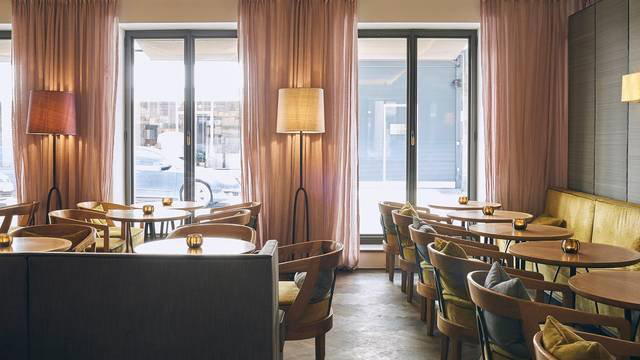
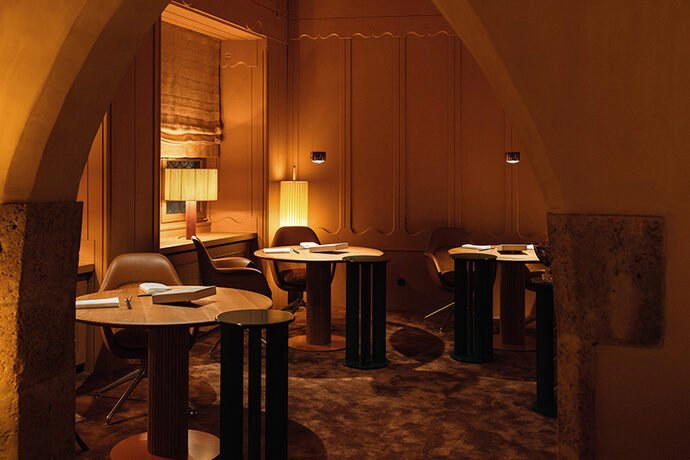
Warm, pleasant with historic wall panelling, stucco ceilings, and Old Munich brewery tavern feel.