At Platzl 1A, steps from the Hofbräuhaus, Ayinger am Platzl brings the brewing tradition of the Aying village brewery into central Munich. The format follows the logic of the Bavarian beer hall refined: serious draught from one of Bavaria's most respected regional breweries, served alongside the kind of kitchen that treats pork and pretzel as structural pillars rather than afterthoughts. The address places it at the confluence of tourist Munich and local ritual.
Pearl is the En Primeur Club membership app — saves, bookings, and concierge access live there. Same editors, same standards.
- Address
- Platzl 1A, 80331 München, Germany
- Phone
- +49 89 23703666
- Website
- ayinger-am-platzl.de
- Directions
- Get directions
 Saves & bookings on Pearl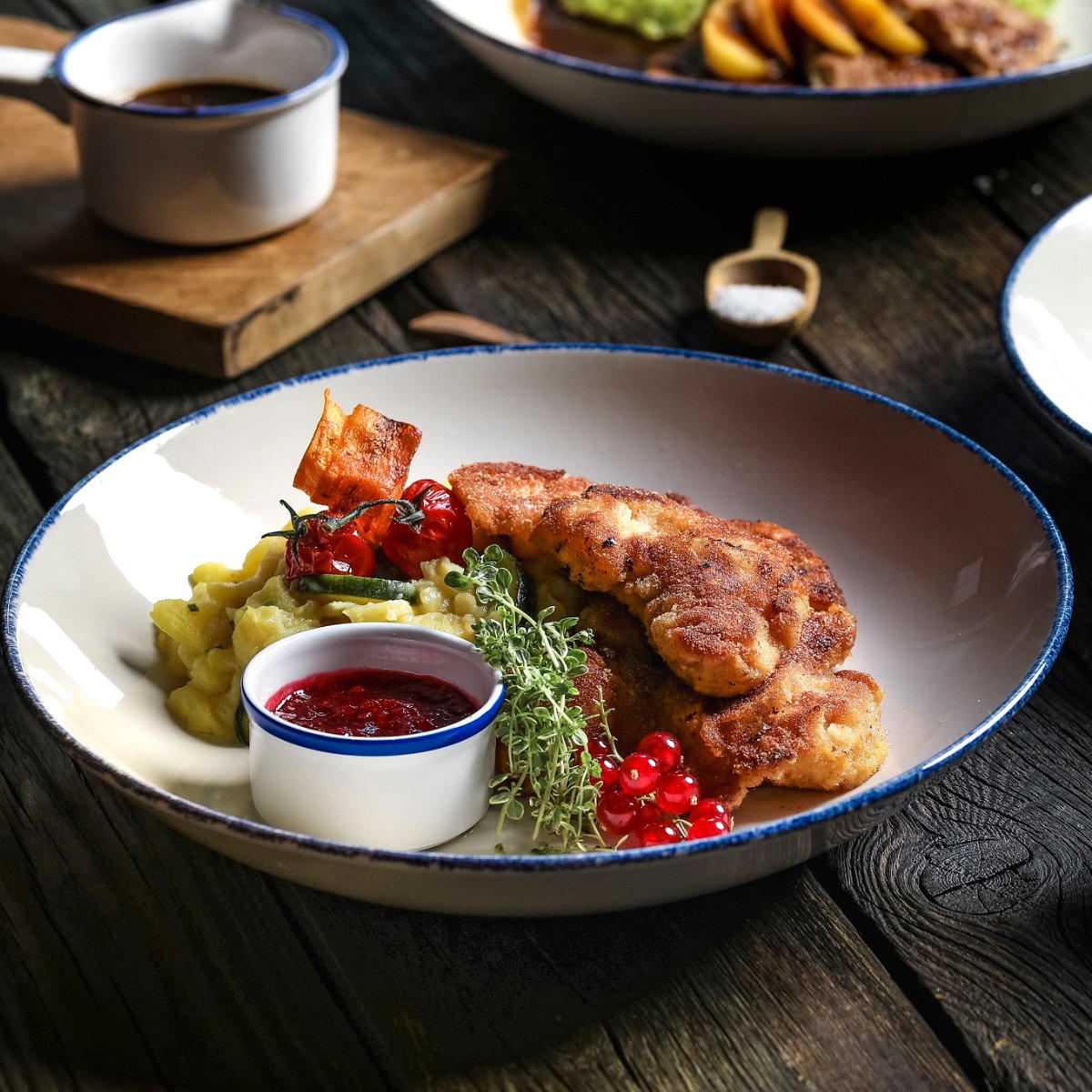
Where the Beer Hall Ritual Actually Lives
The Platzl is one of Munich's most loaded addresses. Sitting a short walk from the Hofbräuhaus, the square has absorbed centuries of the city's appetite for ceremony around food and drink. What distinguishes the better establishments here from tourist-facing operations is adherence to a pace and structure that Munich drinking culture has long observed: the beer arrives first, the food follows its logic, and the meal is measured not in courses but in rounds. Ayinger am Platzl, positioned at Platzl 1A, operates inside that framework rather than against it.
Ayinger as a brewery name carries considerable weight in the regional context. The Privatbrauerei Franz Inselkammer in Aying, a village roughly 25 kilometres south of Munich, has produced beer under strict traditional methods for generations and holds a reputation that separates it from the volume lager producers that dominate the international market. Bringing that output into a dedicated Munich address is a statement about provenance, one that the city's more informed drinking public tends to read correctly.
The Ritual of the Bavarian Table
The Bavarian beer hall meal is one of Germany's most codified dining experiences, and understanding its grammar makes the difference between eating well and eating correctly. The sequence is not arbitrary. A Masskrug of draught beer functions as both aperitif and through-drink: it opens the table, sets the rhythm, and never fully leaves it. Food arrives not to accompany the beer but to sustain the drinker through it, which is why the kitchen logic of this tradition runs toward salt, fat, and substance rather than delicacy.
Pretzels, radishes with cold butter, sliced meats, and Obatzda (the spiced, soft cheese preparation that is as much Munich as the beer itself) constitute the opening register of a serious Bavarian table. The main register moves toward roasted pork, white sausage served before noon by strict local convention, and dumplings that carry sauce the way good bread carries olive oil. The tempo is slow by European fine dining standards and fast by the measure of a convivial evening: the point is duration, not arrival.
At an address like Ayinger am Platzl, that ritual is the product. The dining room is shaped by centuries of collective behaviour rather than by individual authorship. This places it in a different category from Munich's Michelin-decorated kitchens. Tantris, JAN, Alois - Dallmayr Fine Dining, and Atelier all reward a different kind of attention: studied, sequential, quiet. The beer hall rewards the opposite.
Reading the Room at Platzl 1A
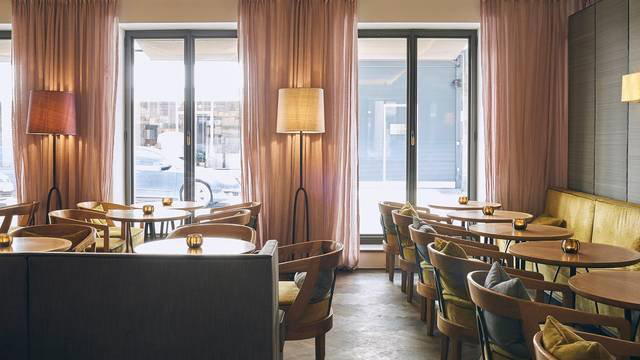
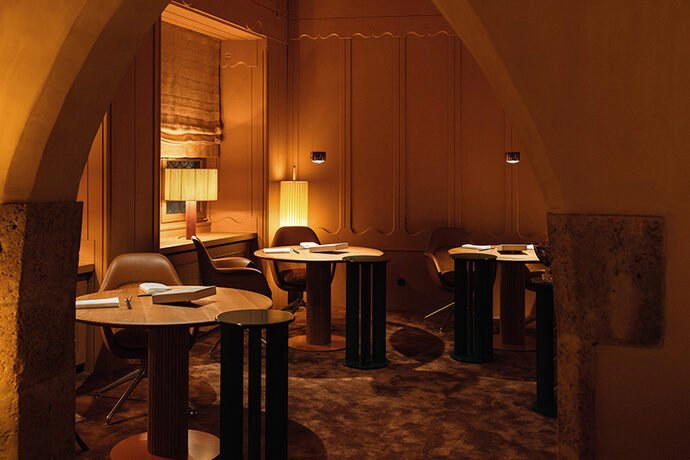
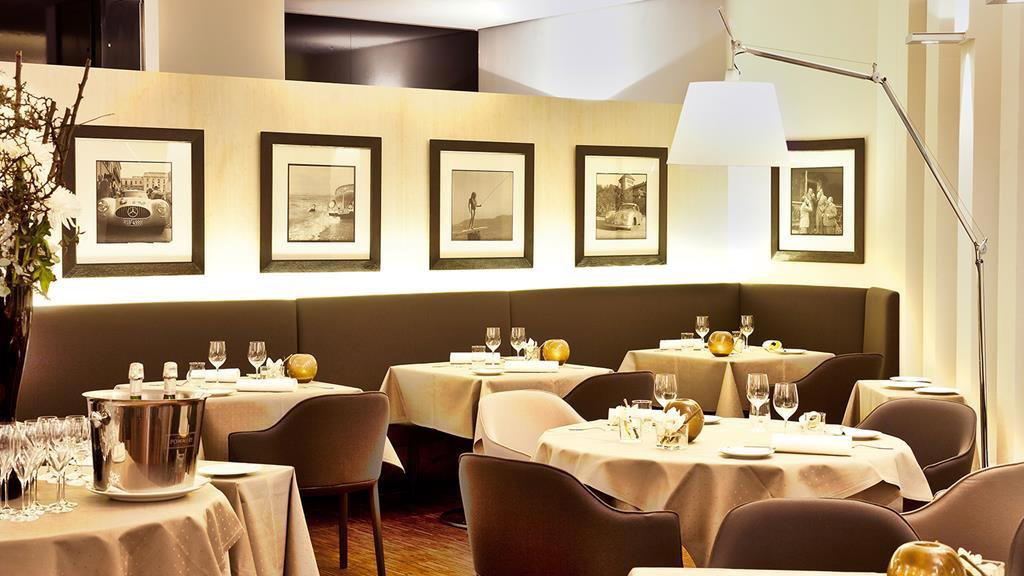
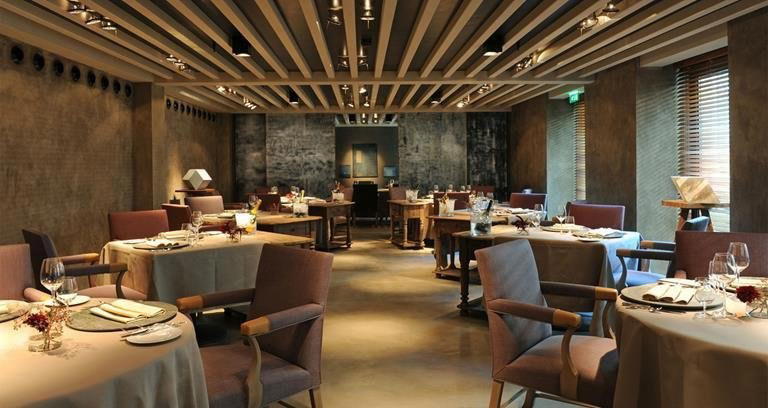
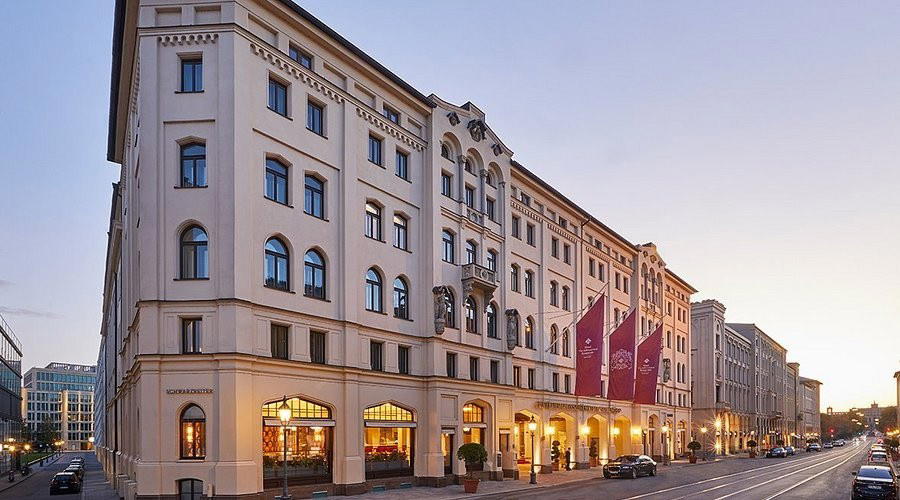
The physical environment at Platzl 1A carries the architectural shorthand of Bavarian hospitality: heavy timber, long tables, the acoustics of a room built to absorb noise rather than suppress it. This is a space where solitary dining is technically possible but socially unusual. The bench-and-table format nudges strangers into proximity, and the shared beer culture smooths what might otherwise be awkward. Munich has maintained this configuration deliberately: the communal table is not a design trend here but a structural feature of how the city socialises.
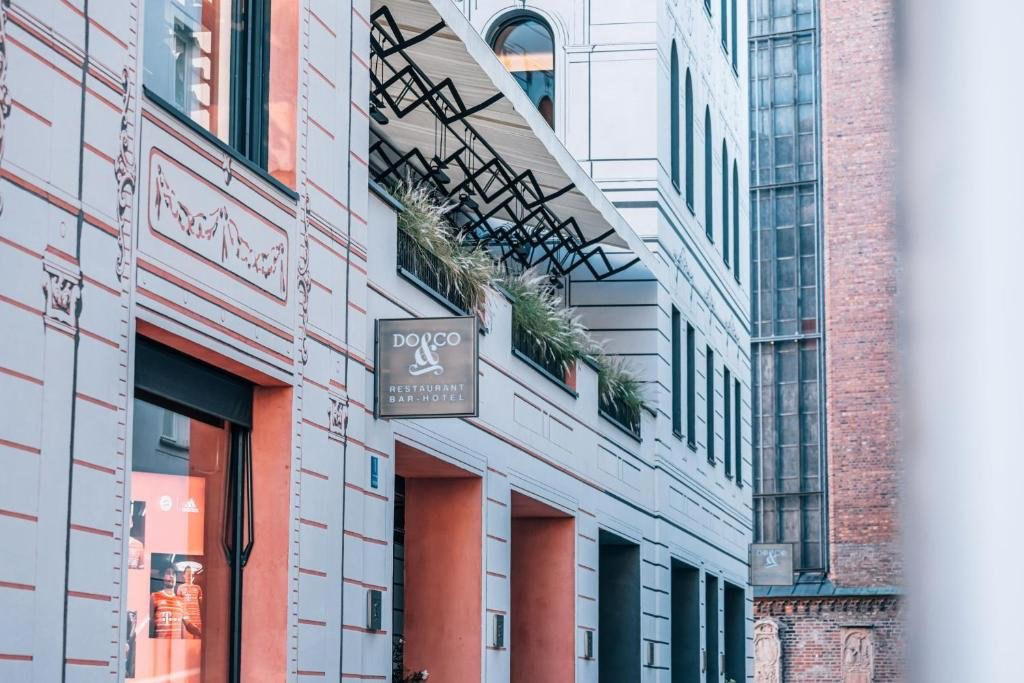
The address is convenient to both the Marienplatz and the Hofbräuhaus, which means the foot traffic outside is constant and mixed. The question any serious visitor asks is whether the room inside reflects the city's own relationship with this tradition or merely performs it for an international audience. Ayinger's brewery credentials provide one answer: a regional producer with genuine standing in Bavaria's competitive brewing hierarchy does not typically attach its name to a purely theatrical operation.
Placing Ayinger am Platzl in the Wider German Picture
Germany's dining scene has developed considerable range beyond its traditional forms. Across the country, addresses like Schwarzwaldstube in Baiersbronn, Aqua in Wolfsburg, Vendôme in Bergisch Gladbach, and Victor's Fine Dining by Christian Bau in Perl demonstrate the depth of the country's ambition in the European fine dining tier. CODA Dessert Dining in Berlin and ES:SENZ in Grassau push at format conventions. Schanz in Piesport, Waldhotel Sonnora in Dreis, Restaurant Haerlin in Hamburg, and Bagatelle in Trier each represent the ambition of German regional cooking at its most technically accomplished.
None of that applies here, and that is the point. The traditional Bavarian beer hall operates in a parallel register: its excellence is measured by fidelity to form, quality of draught, and the competence of a kitchen that knows what it is. Comparing the restaurant to Munich's starred dining rooms is like comparing a well-executed Negroni to a multi-course cocktail tasting menu. Both can be done with rigour; they simply answer different questions. For visitors whose Munich itinerary includes Tohru in der Schreiberei or Alois, an evening at a serious beer hall provides the kind of counterweight that makes both experiences more legible.
Further afield, the communal dining ritual that defines a Bavarian beer hall finds loose parallels in formats like Lazy Bear in San Francisco, where the shared table is also the product. The beer hall version is older, less authored, and more honest about what it is. Le Bernardin in New York City represents the opposite pole: the individual table as a sealed, controlled world. Munich operates comfortably across both registers, which is part of what makes it worth understanding as a food city.
Planning Your Visit
The restaurant sits at Platzl 1A in the Altstadt, within the pedestrian core of central Munich and close to the main S-Bahn and U-Bahn interchange at Marienplatz. For Oktoberfest visits, the area around Platzl sees significant pressure in September and October, and pre-booking any table in this neighbourhood during that window is advisable. Outside festival season, the rhythm of the beer hall format means turnover is steady enough that walk-ins are generally feasible for individuals or small groups.
Cuisine-First Comparison
Comparable venues nearby, for context on price, style, and recognition.
| Venue | Cuisine | Price | Notes |
|---|---|---|---|
| Ayinger am PlatzlThis venue — the venue you are viewing | Bavarian Wirtshaus | $$ | Not listed |
| IRMI | Modern Munich Kitchen with Bavarian Traditions | $$ | Theresienwiese |
| Brunnwart | Traditional Bavarian | $$ | Freimann |
| Augustiner Gutshof Menterschwaige | Traditional Bavarian Gasthausbrauerei | $$ | Prinz Ludwigshoehe |
| Catwalk | German Cafe with Breakfast All Day | $$ | Schwabing |
| ZAR Gaststätten GmbH | Bavarian & International Gastropub | $$ | Rammersdorf |
At a Glance
- Lively
- Classic
- Rustic
- Well Known
- Casual Hangout
- Group Dining
- Family
- Historic Building
- Beer Program
- Local Sourcing
- Street Scene
Current opening hours
- Monday
- 11 AM–11 PM
- Tuesday
- 11 AM–11 PM
- Wednesday
- 11 AM–11 PM
- Thursday
- 11 AM–11 PM
- Friday
- 11 AM–12 AM
- Saturday
- 11 AM–12 AM
- Sunday
- 11 AM–11 PM
Hours can change for holidays and private events. Last verified .
Hearty, welcoming atmosphere blending historic charm with lively wirtshaus tradition amid Munich's old town.