
Daikanyama’s curry scene rewards small rooms with clear points of view, and have more curry sits in the vegetable-and-spice lane rather than the heavier katsu-curry lane. Selected for Tabelog Curry TOKYO “Tabelog 100” in 2023 and 2024, it is a compact 18-seat address between Shibuya and Daikanyama with vegetarian, vegan and gluten-free options clearly part of the format.
Pearl is the En Primeur Club membership app — saves, bookings, and concierge access live there. Same editors, same standards.
- Address
- 東京都渋谷区猿楽町2-13 F93 Daikanyama 1F
- Phone
- +81364161099
- Website
- havemorecurry.jp
- Directions
- Get directions
 Saves & bookings on Pearl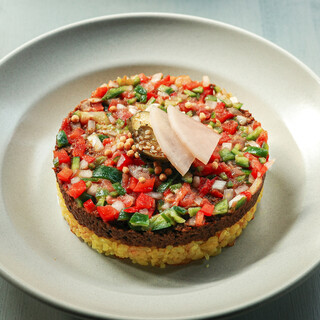
Between Shibuya’s hard traffic edges and Daikanyama’s quieter backstreets, Tokyo’s curry culture changes register. The room is compact, the pace is casual, and the signal is visual before it is formal: counter seating, menu photos, an English multilingual menu, and a vegetable-forward curry format that reads as everyday Tokyo rather than destination dining theatre. have more curry belongs to the city’s growing category of small curry specialists where spice work, diet flexibility, and a low spend matter more than ceremony.
Tokyo curry is often discussed through nostalgia: roux curry, cutlet curry, railway-station curry, late-night curry rice. The more interesting current runs through independent shops that treat curry as a flexible structure for vegetables, drinking snacks, and lighter solo meals. In that context, this address has a clear lane. Its categories are listed as curry, creative cooking, and izakaya, which explains why the experience does not sit neatly inside a lunch-only curry counter or a conventional pub. Wine appears on the drinks side, take-out and delivery are part of the service model, and the food listing makes room for vegan, vegetarian, gluten-free, and allergy information.
Vegetables, spice and the quieter side of Tokyo curry
The editorial point here is not rarity; it is discipline. Tokyo has plenty of curry shops that lean on volume, heat, or cutlet-and-rice satisfaction. A vegetable-led curry shop asks a different question: can a casual plate carry enough structure without the usual protein-heavy shorthand? The public description frames the cooking around eating vegetables with spices, and that matters because it places the kitchen inside a broader Tokyo pattern: lighter curry formats that serve office workers, solo diners, and neighbourhood regulars without sacrificing specificity.
The Tabelog recognition gives the address measurable weight. Selection for Tabelog Curry TOKYO “Tabelog 100” in both 2023 and 2024 puts it inside a curated Tokyo curry bracket rather than the undifferentiated mass of inexpensive curry counters. Its Tabelog score is 3.73, and the spend sits in the JPY 1,000 to JPY 1,999 range for both lunch and dinner. Those numbers are useful because they place the shop in a rare Tokyo sweet spot: award-listed, low-cost, and casual enough for a weekday meal.
Daikanyama also affects the reading. This part of Shibuya does not behave like Ginza, where high-end counters turn smallness into luxury, or Shinjuku, where density often becomes the main event. Daikanyama’s better casual addresses tend to feel edited: small storefronts, design-conscious interiors, and menus that know exactly what they are trying to do. In the same neighbourhood orbit, comparison venues such as PIZZA SLICE, Chirimulo, Daikanyama Issai Kassai, Äta, and レザンファン ギャテ show how mixed the area’s dining grammar is, from casual slices and sweets to izakaya and French. Curry here does not need to perform as a novelty; it has to hold its own among compact specialist formats.
A small room built for quick decisions, not grand occasion dining
The 18-seat scale shapes the visit. This is a room where counter seating, non-smoking policy, and a short-form meal structure point toward practical Tokyo dining: arrive, choose, eat, move on. The presence of free Wi-Fi, photo menus, and English menu support lowers the friction for travellers, but the address is not engineered as an international showcase. It remains a local-format curry shop with enough clarity to make sense without translation anxiety.
Reservations are unavailable, which changes the planning logic. This is not a table to secure weeks ahead; it is a small-capacity address to fold into a Daikanyama or Shibuya day when timing is flexible. The listed service windows cover lunch and dinner on most days, with Saturday closed, so the safer editorial move is to treat it as a weekday or Sunday meal rather than a late-night fallback. Parking is unavailable, and the address sits within walking distance of both Shibuya and Daikanyama stations, which makes rail and foot the natural approach.
The relocation opening in March 2021 also gives the current room a post-move identity rather than a legacy-shop feel. That matters in Tokyo, where curry culture constantly refreshes through small operators: a shop can be inexpensive and still highly intentional. The opening date of October 2015 suggests a longer-running idea, while the 2021 relocation places the present experience in a newer Daikanyama setting.
How to place it in a Tokyo food itinerary
For travellers building a serious Tokyo dining map, this is not the slot to compare with omakase, kappo, or fine French. It is the corrective meal between those bookings: affordable, compact, vegetable-conscious, and specific to the city’s casual specialist culture. The value is strongest for diners who want Tokyo curry without defaulting to heavy roux or chain convenience. It also works for mixed-diet groups because vegan, vegetarian, gluten-free, and allergy information are part of the listed food framework.
Use it as a Daikanyama anchor, then let the neighbourhood do the rest. Readers comparing categories across the city can widen the map through Our full Tokyo restaurants guide, or look sideways at other Tokyo entries such as 3 Chome no Curry Ya San, 12/10 Shinjuku ten, 124. KAGURAZAKA (Yakitori), . 鮪と炭火焼き うお炭 秋葉原店, and 2D Cafe. For broader trip planning, the city also breaks cleanly into Tokyo hotels, Tokyo bars, Tokyo wineries, and Tokyo experiences.
Outside Tokyo, the useful comparison is not cuisine-for-cuisine but format-for-format: small, specific places that justify attention without grand scale. That might mean [Curry Senmon Ten] Maruyama Kyoju. in Sapporo for another curry lens, [ki:] in Kyoto, -Grilled beef Sukiyaki- KAMAKURA TANUKIAN 鎌倉 たぬき庵 in Kamakura, (Shoku) Vietnam in Kawasaki.cafe in Osaka.know in Kumamoto, Jōdo Saké Bar in Los Angeles, or Onigiri Time in Pasadena. The through-line is precision at modest scale, not spectacle.
Style and Standing
Comparable venues by cuisine and price in the same metro.
| Venue | Cuisine | Price | Notes |
|---|---|---|---|
| have more curryThis venue — the venue you are viewing | Vegetable-forward spice curry (gluten-free, vegan-friendly) | $$ | Not listed |
| SPICE Cafe | Creative spice-focused curry cafe | $$ | Sumida |
| Dining & Bar Lavarock (ラヴァロック) | Modern Grilled Bistro | $$$ | Kyobashi |
| ハウス | French-Japanese Fusion Tasting Menu | Not listed | Minato |
| ケトハレ | French-Japanese Izakaya | $$$ | Shinjuku |
| Rangitoto Tokyo | French Japanese Fusion with NZ Wines | $$$ | Bunkyō |
Recognition history
Dated appearances from independent guides and award organizations, with the underlying list record or original source where available.
Tabelog 100 #95 · No. 95
Tabelog · Tabelog 100 - Curry - TOKYO - 2024














At a Glance
- Cozy
- Trendy
- Solo
- Casual Hangout
- After Work
- Standalone
- Design Destination
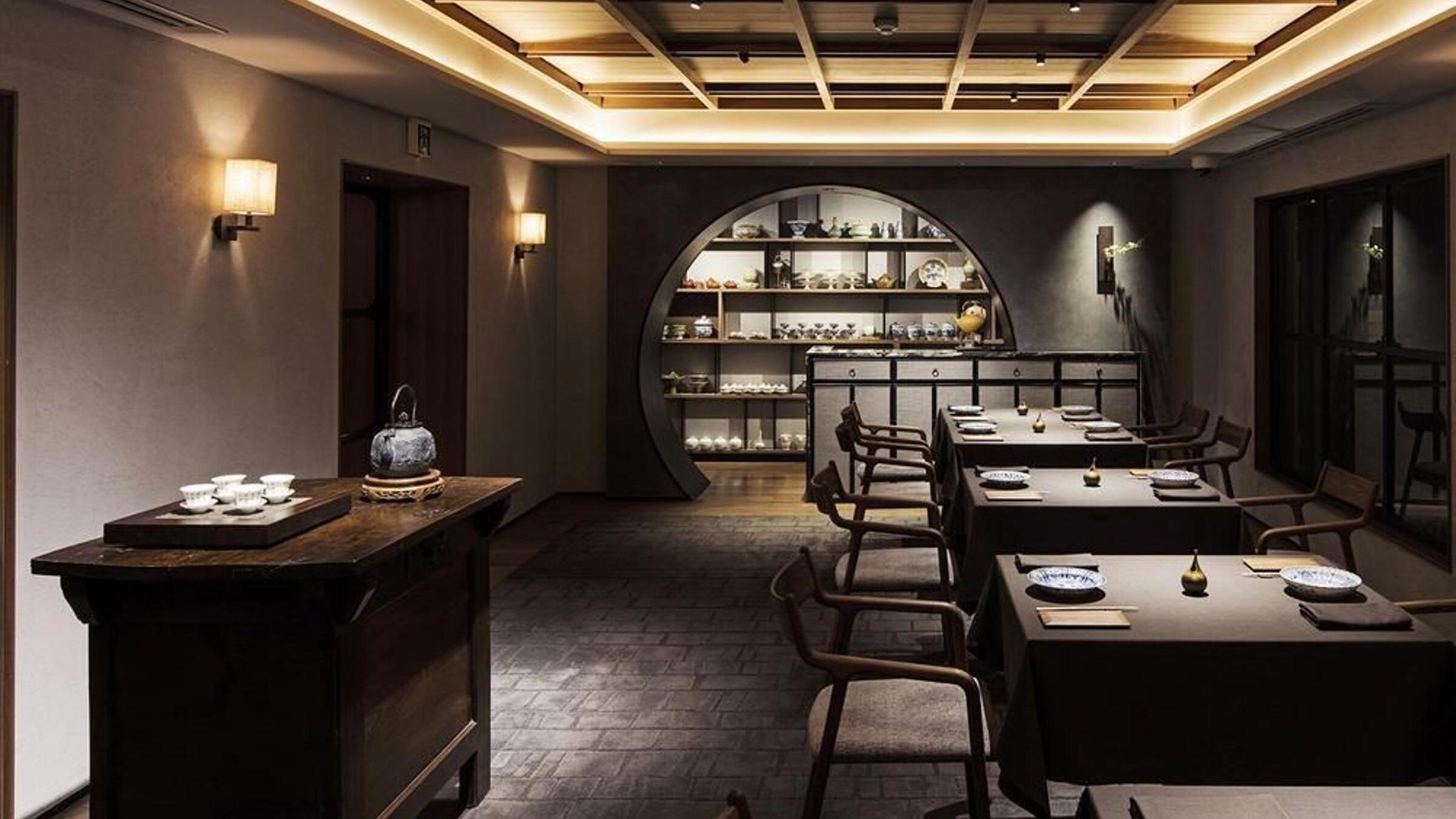
Described as a secret base-like blue space with carefully crafted spice aromas, the restaurant feels intimate and cozy rather than loud, with a relaxed, casual atmosphere suited to quietly enjoying curry.