Has Döner operates from Steinbauergasse 18 in Vienna's 12th district, a neighbourhood where working-class reliability still outranks culinary ambition. Against a city dining scene tilted heavily toward high-format Austrian cuisine, it represents the other pole: the fast, unpretentious döner tradition that feeds Vienna's large Turkish-origin community and a broader clientele who follow quality over formality.
Pearl is the En Primeur Club membership app — saves, bookings, and concierge access live there. Same editors, same standards.
- Address
- Steinbauergasse 18, 1120 Wien, Austria
- Phone
- +4368110189019
- Website
- hasdoener.at
- Directions
- Get directions
 Saves & bookings on Pearl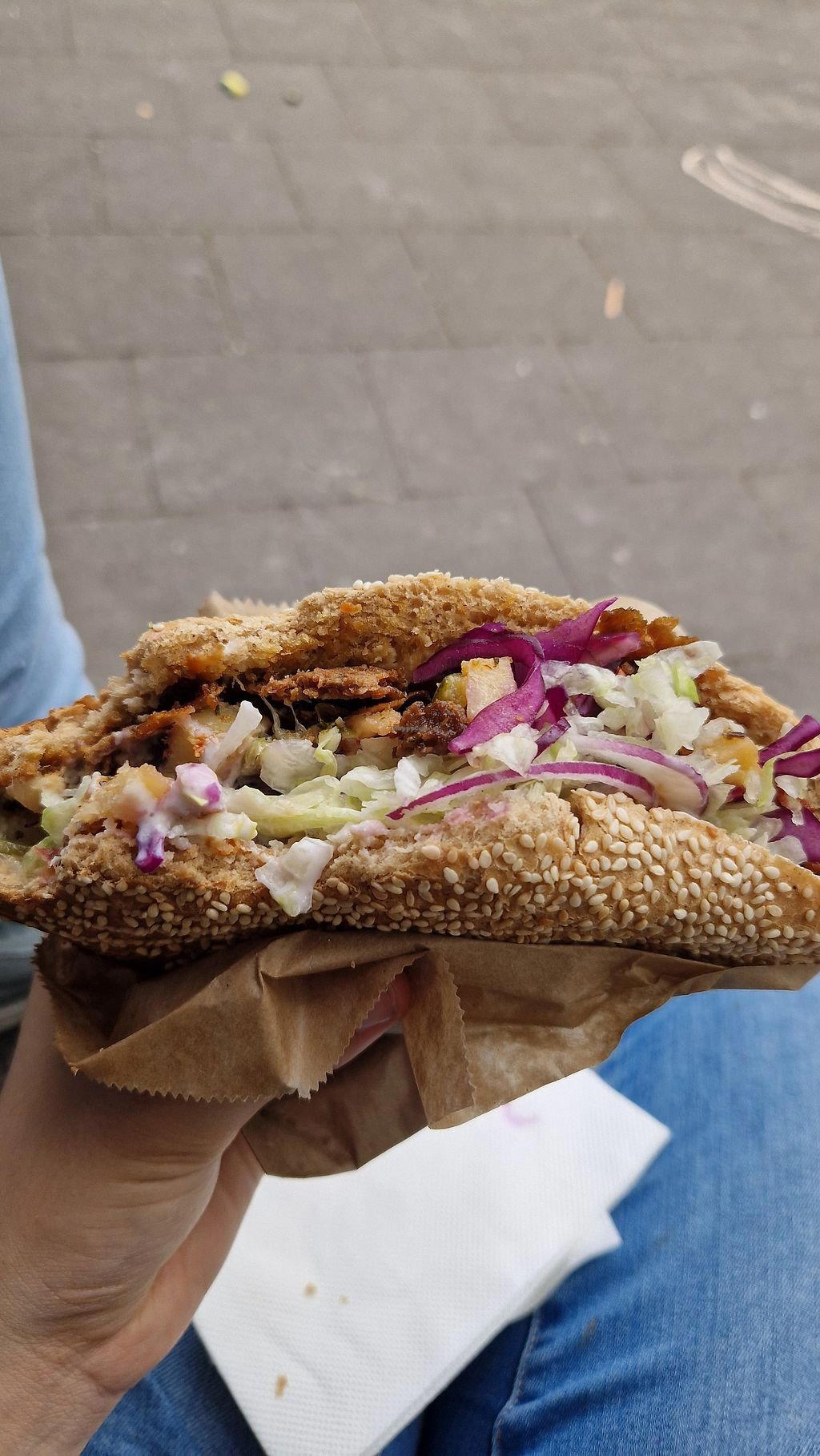
Where Vienna's Döner Tradition Lands
The 12th district moves at a different pace from the Innere Stadt. Steinbauergasse is a residential side street in Meidling, the kind of address where the midday crowd arrives on foot from nearby offices and apartment blocks rather than from hotel concierge recommendations. Has Döner sits in that fabric: a counter-service operation in a neighbourhood that treats good döner as a staple, not a curiosity. The physical approach, low signage, a street-facing counter, no reservation ritual, signals immediately which register this venue operates in.
That register matters. Vienna's food conversation is heavily weighted toward the high-end tier: the tasting-menu rooms at Steirereck im Stadtpark, Amador, and Konstantin Filippou define the city's international reputation. But the city's actual daily eating life is more layered, and the döner counter, a format imported from Turkish gastarbeiter communities in the 1970s and embedded across Central European cities, is part of that layer. Has Döner is worth understanding in that context rather than against a fine-dining benchmark.
The Turkish Döner in Vienna: Cultural Weight and Street-Level Reality
Döner arrived in German-speaking cities as a practical food for a working community and evolved, over decades, into a format that crosses every demographic. The mechanics are consistent: rotating meat (usually veal, beef, or chicken) sliced to order, flatbread or a dürüm wrap, raw vegetables, and sauces. The variation happens in the quality of the meat preparation, the freshness of the bread, the balance of the sauces, and the speed of service during rush hours.
Vienna's Turkish community is one of the largest in Austria, concentrated particularly in districts like Meidling and Favoriten. That density has produced a level of competition among döner operators that tends to raise the floor on quality: venues serving a community with direct familiarity with the food have less margin for mediocrity than those operating in tourist corridors. Has Döner at Steinbauergasse 18 sits in that competitive local context, which is itself a quality signal worth noting.
The broader Austrian fine-dining scene, Mraz & Sohn, Doubek, operates in an entirely different economy of time and money. Has Döner answers a different question: where does a resident of Meidling, or a visitor who has spent the day outside the first district, eat well and quickly without ceremony?
Positioning Within Vienna's Informal Eating Scene
Vienna's informal eating market is more contested than its fine-dining tier. The city has Würstelstand culture, a deep tradition of coffee-house light meals, and a strong kebab and döner sector that draws from Turkish, Lebanese, and Kurdish culinary traditions. Within that sector, the split is broadly between high-volume tourist-area operations and neighbourhood-anchored shops that depend on local repeat custom.
Venues that depend on neighbourhood repeat business operate under a stricter standard of consistency: a tourist-facing operation can survive an off day; a local-facing one cannot. The restaurant's address in a non-tourist residential street positions it in the latter category. That positioning doesn't guarantee quality, but it creates the structural conditions where quality is a commercial necessity rather than an option.
For visitors coming from across Austria or internationally, the döner format at this level is worth contextualising against the refined dining available in Salzburg and the Tyrol. Venues like Ikarus in Salzburg, Griggeler Stuba in Lech, or Gourmetrestaurant Tannenhof in Sankt Anton am Arlberg represent Austrian fine dining at its highest expression. The restaurant answers a completely different reader question, the one about where to eat between those experiences, or where to eat when the tasting-menu format is neither the appetite nor the budget of the moment.
That comparison extends further afield: Le Bernardin in New York City and Atomix in New York City occupy the same structural position in their respective cities that Steirereck occupies in Vienna, the formal apex. The informal tier in any serious food city carries its own authority, and the döner counter is part of that tier in Vienna in a way it simply isn't in cities without a comparable Turkish-origin population.
What to Order and What to Expect
The core decision at any döner counter is format: bread-based (a thick pide-style wrap with fillings inside) or dürüm (a thinner flatbread rolled tightly). Both arrive with the same basic structure, meat, salad, sauce, but the textural experience differs substantially. The dürüm format tends to produce a more contained, portable eat; the bread format allows for more filling volume.
Meat selection, where offered, typically runs between beef-veal blends and chicken. The beef-veal döner is the traditional format and the one against which the preparation is most honestly judged: fat content, seasoning, and slicing technique show more clearly than they do with chicken, which is more forgiving. Sauce balance, between garlic-yoghurt, chilli, and fresh herb preparations, is the other variable that separates a careful operation from a utilitarian one.
Without specific menu data confirmed for the restaurant, the precise current offering cannot be listed here. What the address and neighbourhood context suggest is a counter oriented toward local daily custom, which typically means a focused menu rather than an extended one.
Getting There and Planning Your Visit
Steinbauergasse 18 is in the 12th district of Vienna, reachable by U-Bahn via the U6 line, which runs through Meidling with a stop at Niederhofstraße or Längenfeldgasse depending on the approach direction. The 12th district is not on the standard visitor circuit, which means journey time from the first district runs to around 15-20 minutes by public transport. That is not an obstacle for anyone who treats eating as a reason to move through a city rather than stay in its tourist core.
For Austrian fine dining beyond the capital, the range runs from Landhaus Bacher in Mautern an der Donau to Obauer in Werfen, Döllerer in Golling an der Salzach, Schwarzer Adler in Hall in Tirol, Ois in Neufelden, Restaurant 141 by Joachim Jaud in Mieming, and Kräuterreich by Vitus Winkler in Sankt Veit im Pongau.
Getting there: U6 to Niederhofstraße or Längenfeldgasse, then a short walk. Reservations: Counter-service format; no reservation required or expected. Dress: Casual. Budget: About $10 per person. Hours: Mon-Sun 10 AM-10 PM.
Just the Basics
Comparable venues nearby, for context on price, style, and recognition.
| Venue | Cuisine | Price | Notes |
|---|---|---|---|
| Has DönerThis venue — the venue you are viewing | Gaudenzdorf, Turkish Döner Kebab | $ | Not listed |
| Wiener Kebap | Wien-Mitte, Turkish Döner Kebab | $ | Not listed |
| Berliner Döner | Neubau, Turkish Döner Kebab | $ | Not listed |
| Würstlstand Burgring | Not listed | $ | Hofburg, Traditional Viennese Sausage Stand |
| Hot Wurscht | Not listed | $ | Per Albin Hansson Siedlung, Austrian Sausages |
| SALOOT Kebap | Doebling, Turkish Kebab & Street Food | $ | Not listed |
Continue exploring
More in Vienna
Restaurants in Vienna
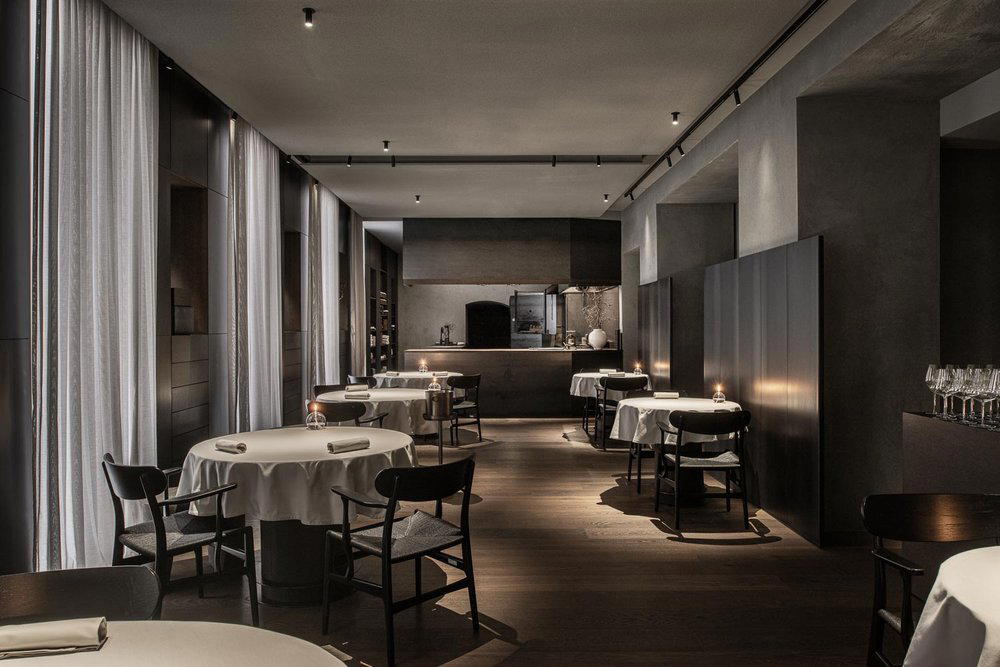
Browse all →![[aend] restaurant in Vienna](https://cdn.enprimeurclub.com/storage/v1/object/public/images/locations/recsVyRkMfzCxPmp0/hero2.jpg?width=3840&quality=75)
Bars in Vienna
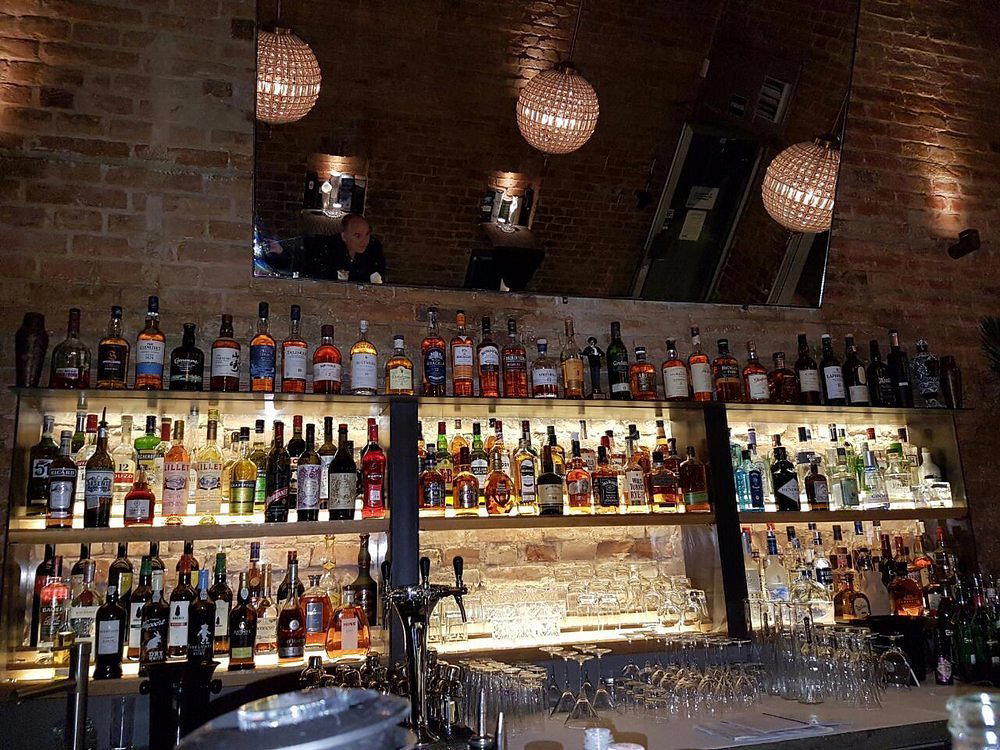
Browse all →

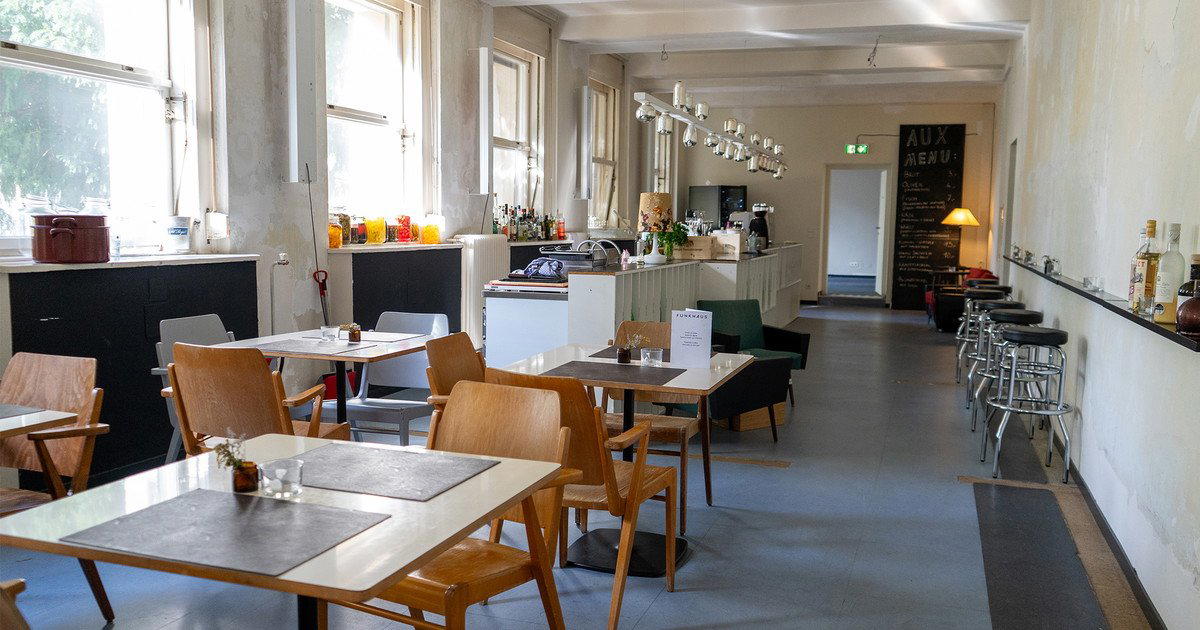
Hotels in Vienna
Browse all →
At a Glance
- Trendy
- Casual Hangout
Current opening hours
- Monday
- 10 AM–10 PM
- Tuesday
- 10 AM–10 PM
- Wednesday
- 10 AM–10 PM
- Thursday
- 10 AM–10 PM
- Friday
- 10 AM–10 PM
- Saturday
- 10 AM–10 PM
- Sunday
- 10 AM–10 PM
Hours can change for holidays and private events. Last verified .