On Oberlaaer Strasse in Vienna's tenth district, Hot Wurscht occupies a corner of the city where working-class appetite and street-food tradition converge. The name signals the format before you walk through the door: this is sausage culture taken seriously, in a neighbourhood far from the tourist circuit. Practicality and directness define the experience here.
Pearl is the En Primeur Club membership app — saves, bookings, and concierge access live there. Same editors, same standards.
- Address
- Oberlaaer Str. 224, 1100 Wien, Austria
- Website
- hot-wurscht.eatbu.com
- Directions
- Get directions
 Saves & bookings on Pearl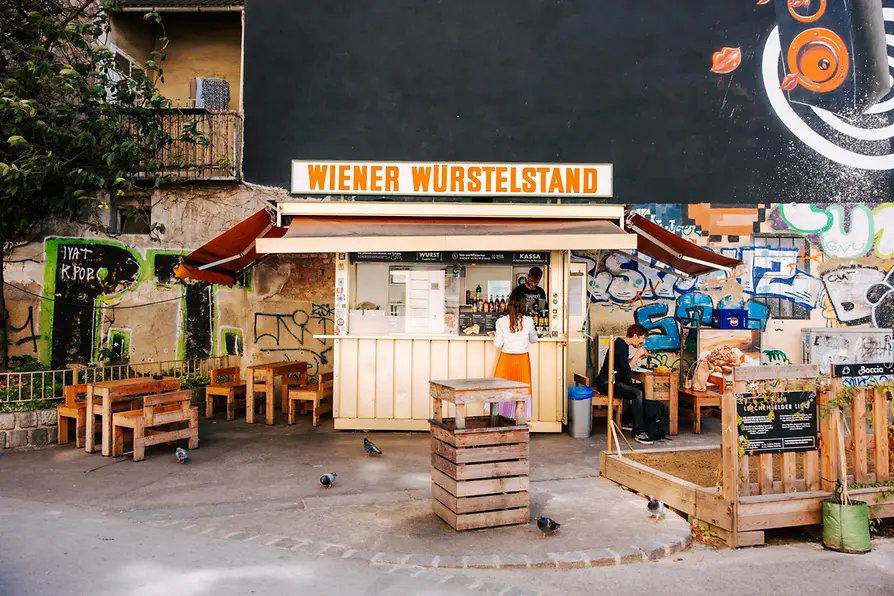
The tenth district moves at a different pace from Vienna's inner rings. Favoritenstrasse feeds into arterials lined with hardware suppliers, neighbourhood Bäckereien, and the kind of Würstelstand culture that Viennese food writing has long underestimated. Oberlaaer Strasse sits in this current, and it is here, at number 224, that Hot Wurscht operates. The approach is utilitarian; there is no canopy with heritage lettering, no queue managed by a host. What you find instead is a format that belongs to a long Viennese tradition of standing, eating fast, and getting on with the day.
Sausage Culture in Vienna: The Würstelstand as Institution
Vienna's relationship with street sausage is older and more structured than casual observation suggests. The Würstelstand is a licensed institution, regulated by the city and embedded in the social fabric of working districts in ways that fine-dining rooms are not. In the postwar decades, the stands in outer Bezirke served a practical function: cheap protein, fast service, no pretension. The format has since acquired a kind of cultural credibility, with food writers in publications from Falter to international travel titles revisiting what the outer-district sausage stand actually represents in terms of food tradition and social function.
Hot Wurscht on Oberlaaer Strasse sits within that tradition rather than commenting on it from a distance. The tenth district has enough residential density and light-industrial history to sustain a clientele that treats this kind of stop as routine rather than novelty. That is the editorial distinction worth making: the venue functions because the neighbourhood needs it to, not because it has been positioned as a destination.
Sustainability Through Simplicity: What Low-Intervention Food Service Looks Like
The conversation around sustainable food in Vienna tends to cluster around the fine-dining tier. Mraz & Sohn and Konstantin Filippou operate in a similar register, where ethical sourcing is part of the editorial position of the restaurant itself.
The sustainability argument for a format like Hot Wurscht operates differently. Street-food and fast-service sausage counters function with minimal cold-chain infrastructure compared to full-service restaurants. Single-protein, high-turnover formats generate less plate waste by design. The menu is narrow, which means ordering cycles are predictable and overproduction is structurally lower than in à la carte restaurants with broad menus. None of this requires a mission statement. It is the consequence of a lean operational model that the Würstelstand format has always embodied.
Counterargument, of course, involves sourcing: the ethical calculus of sausage depends heavily on what goes into it, and Austrian sausage production spans a wide quality range from industrial commodity product to small-scale butchers working with regional pork. In Vienna's food system, the outer-district sausage counter occupies a niche that the sustainability conversation rarely reaches, despite fitting several of its criteria on operational grounds.
The Tenth District in Context
Favoriten, Vienna's most populated district by residents, is a useful lens for understanding how food infrastructure actually functions in the city. The concentration of restaurants reviewed in international guides sits in the first, fourth, and nineteenth districts. The tenth feeds a genuinely local population, and the food businesses that survive there do so on repeat custom rather than tourist flow.
This has editorial implications for anyone arriving from outside the district. The restaurant is not being positioned against Amador or Doubek. The comparison set is the street-food and fast-service tier across Vienna's outer Bezirke, where the metric is consistency, speed, and the quality of the product in the roll. By those measures, a sausage counter that has established a named identity on a residential arterial in Favoriten has already cleared a meaningful bar.
For travellers building a wider Austrian itinerary, the contrast is worth noting. Austria's fine-dining offer extends well beyond Vienna: Döllerer in Golling an der Salzach works with Alpine produce at a serious level, Obauer in Werfen has held its position in Austrian gastronomy for decades, and Ikarus in Salzburg operates on an entirely different structural model. In the mountain west, Griggeler Stuba in Lech and Gourmetrestaurant Tannenhof in Sankt Anton am Arlberg represent the premium Alpine dining tier. Closer to the Danube, Landhaus Bacher in Mautern an der Donau anchors Wachau-region dining. Herb-forward approaches find expression at Kräuterreich by Vitus Winkler in Sankt Veit im Pongau. Further afield, Schwarzer Adler in Hall in Tirol, Restaurant 141 by Joachim Jaud in Mieming, and Ois in Neufelden each occupy distinct positions in Austria's regional dining map. None of these belong to the same conversation as a Favoriten sausage counter, which is exactly the point: Austria's food culture is wider and more stratified than its Michelin-facing tier suggests.
For visitors building their Vienna eating list from a broader base, the EP Club Vienna restaurants guide maps the city's dining across price tiers and neighbourhoods. Internationally, the comparison for lean, high-quality single-protein formats appears in cities from New York, where places like Le Bernardin and Atomix anchor the fine-dining pole, to the street-food counters that serve the city's outer boroughs on the same repeat-custom logic as Favoriten.
Standing Among Peers
Comparable venues nearby, for context on price, style, and recognition.
| Venue | Cuisine | Price | Notes |
|---|---|---|---|
| Hot WurschtThis venue — the venue you are viewing | Austrian Sausages | $ | Not listed |
| 18er Grill | Viennese Grill & Sausages | $ | Prater |
| Zur Bosnarei | Austrian Sausage Stand | $ | Alsergrund |
| Würstel Boutique | Austrian Sausage Stand | $ | Favoriten |
| Ghörig | Vorarlberg Street Food | $ | Josefstadt |
| Würstlstand | Traditional Viennese Sausage Stand | $ | Alsergrund |
![[aend] restaurant in Vienna](https://cdn.enprimeurclub.com/storage/v1/object/public/images/locations/recsVyRkMfzCxPmp0/hero2.jpg?width=3840&quality=75)

At a Glance
- Lively
- Casual Hangout
- Standalone
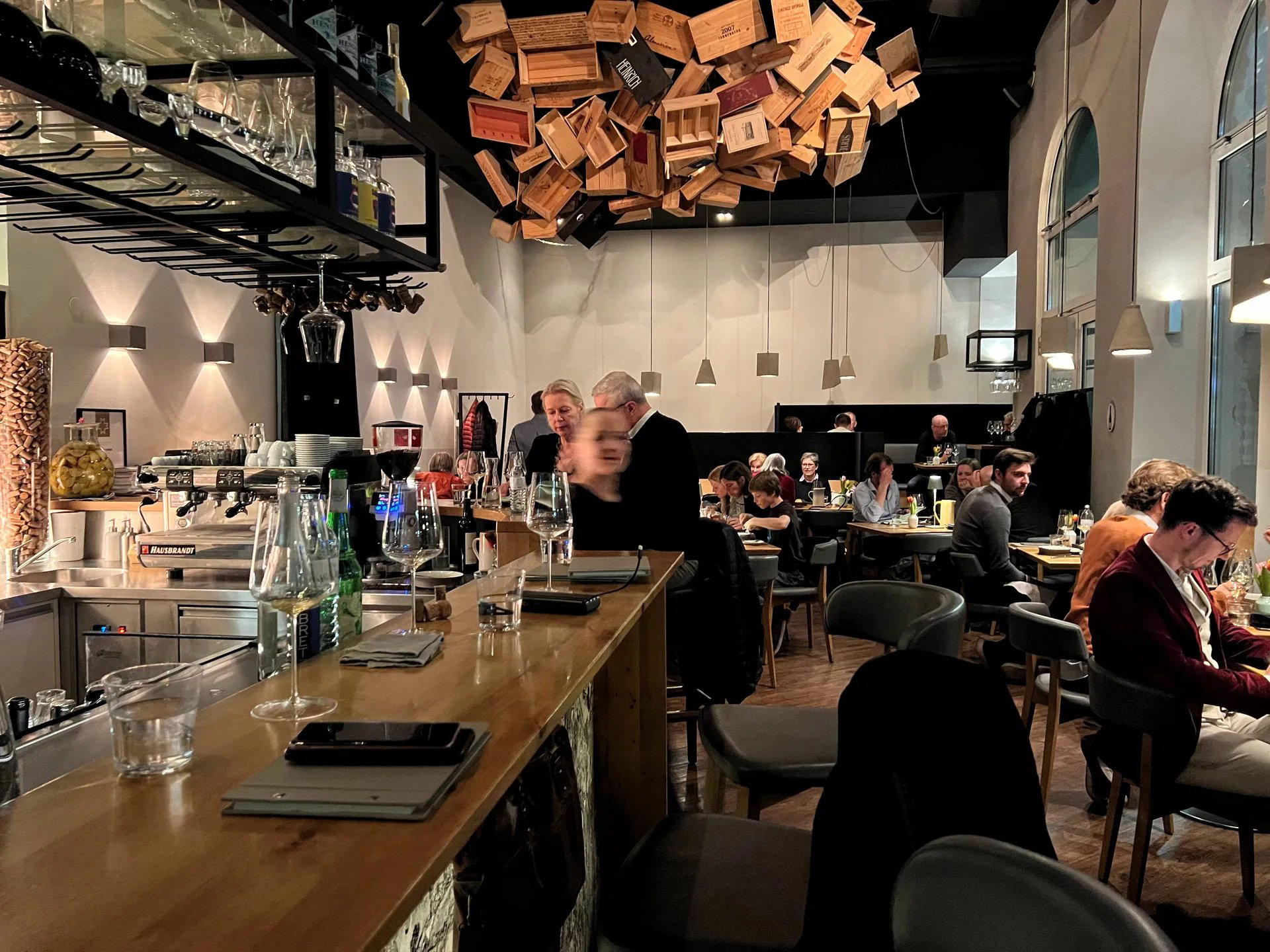
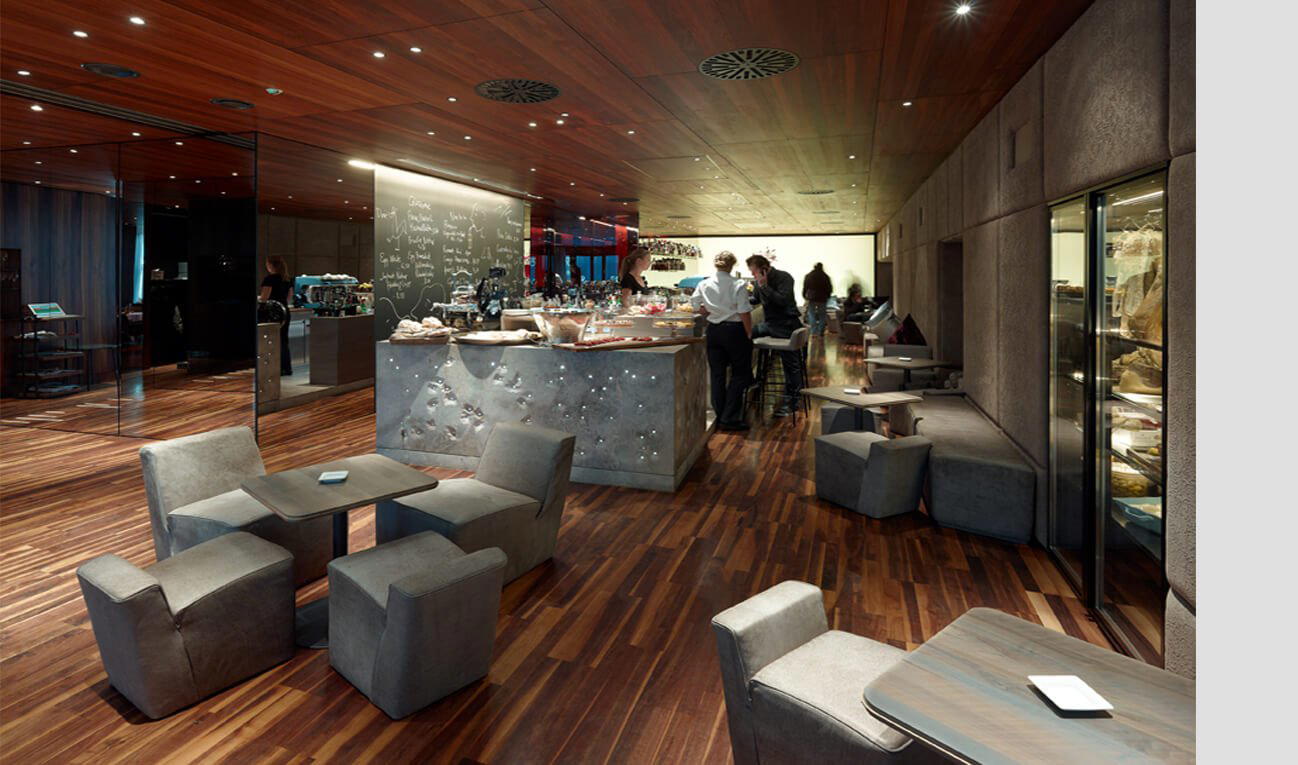
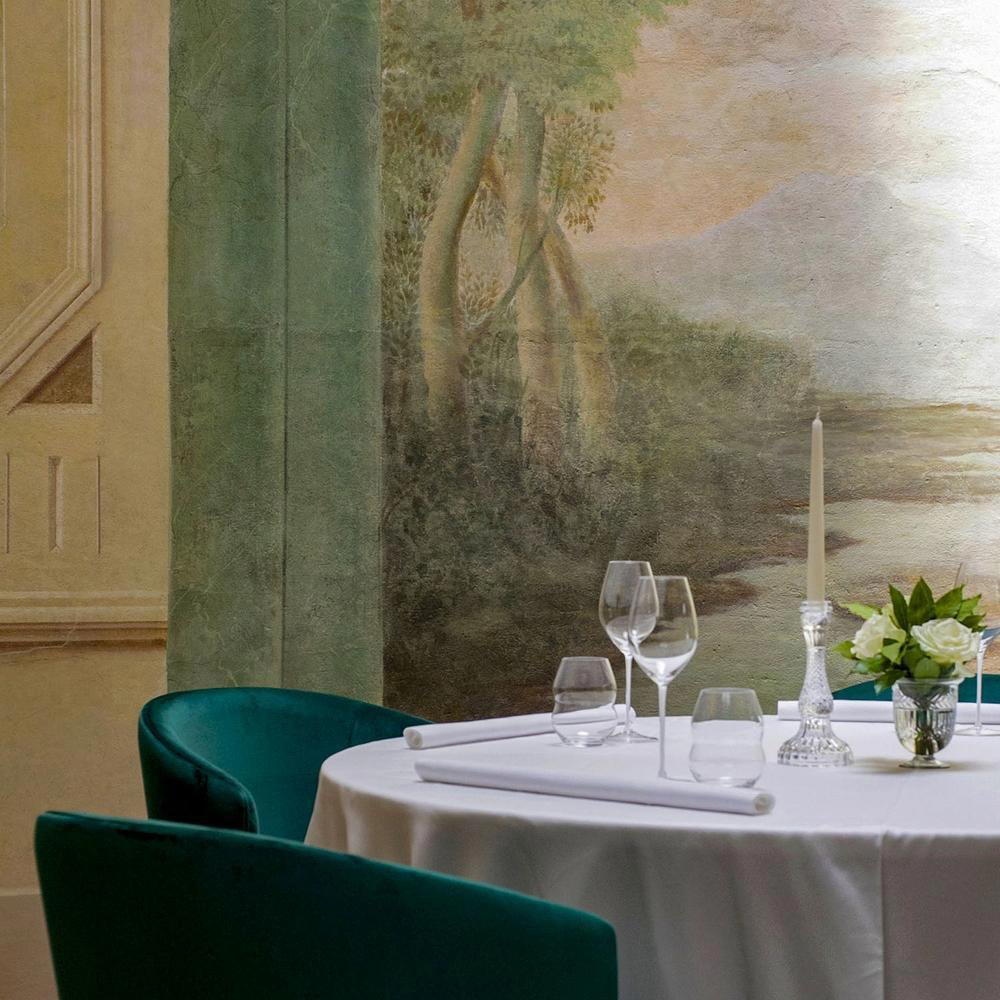
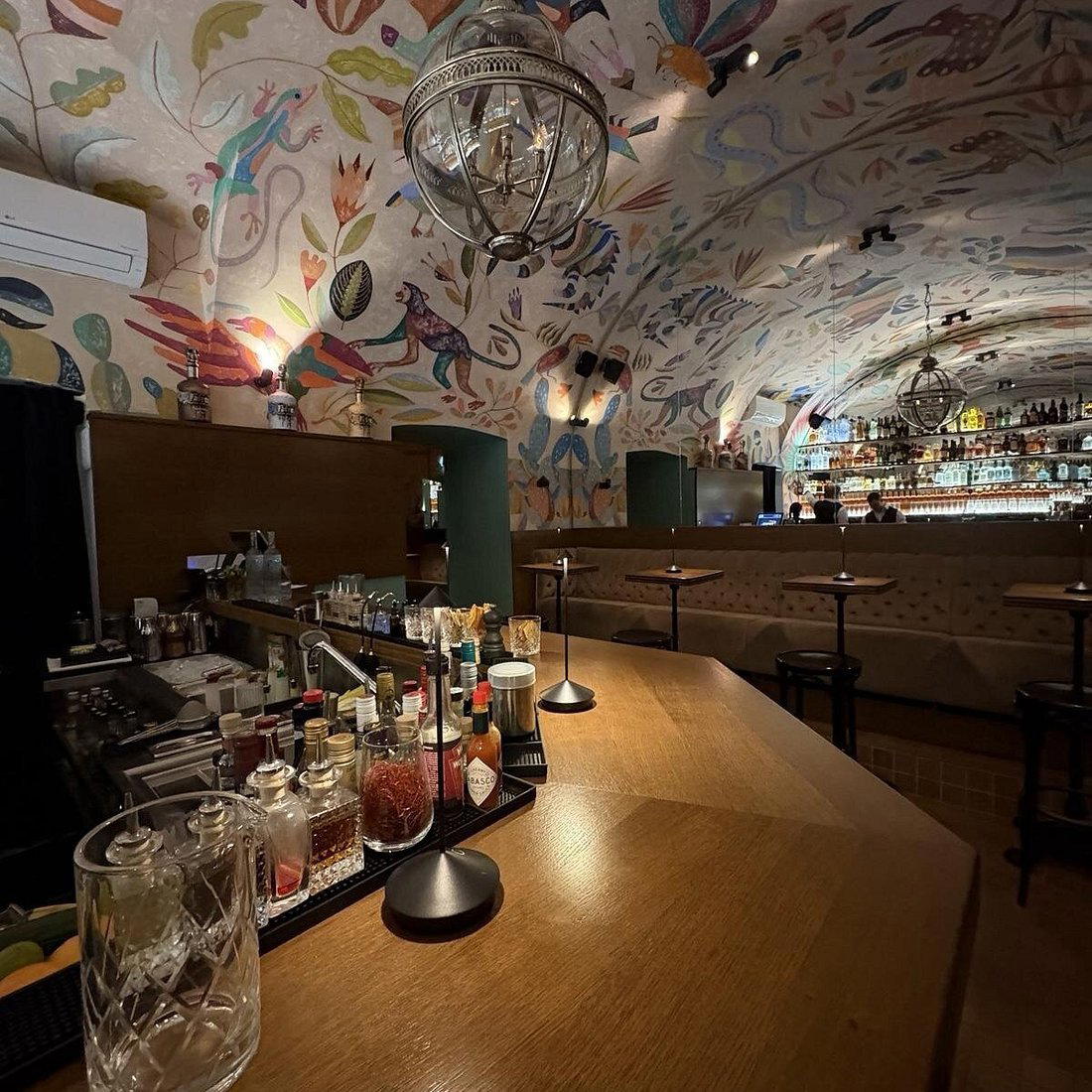
Casual street food atmosphere at a typical Viennese Würstelstand.