Happy Garden

Michelin Plate
Our verdict
Set on a mountainside in Bali District, Happy Garden operates from a rustic farmhouse where a mother-and-son team grows organic produce and ferments homemade sauces on-site. Unlike urban Taiwanese restaurants, this is a place shaped by agricultural rhythm rather than city dining convention. Regulars return for the deep-fried chicken leg with bamboo ginger and tea tree oil, and for a setting that shifts character with the seasons.

Pearl is the En Primeur Club membership app, where members save venues, book tables and use the concierge.
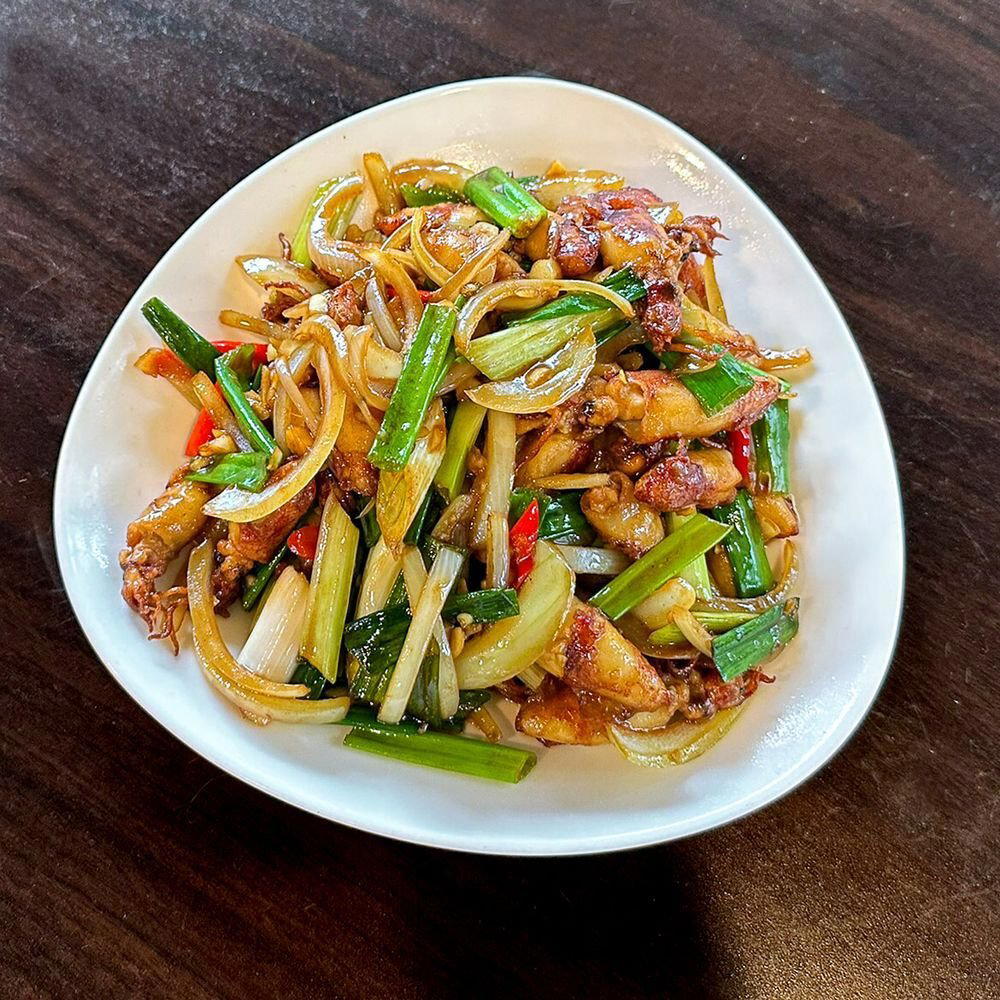
The menu
What to order
- Deep-fried chicken leg with bamboo ginger
What the Mountain Smells Like Before You Sit Down
The approach to Happy Garden on Laoqiankeng Road in Bali District, New Taipei, does something most restaurants cannot: it announces itself through smell before sight. The fermentation of homemade sauces carried on the hillside air is a sensory cue that marks the shift from ordinary road to working farm. This is not atmosphere engineered for effect. It is the residue of actual production, the smell of pickling and aging that takes months, not hours, to develop. In Taiwan's broader farm-to-table scene, which spans everything from Indigenous-ingredient restaurants like Akame in Wutai Township to contemporary tasting menus at logy in Taipei, Happy Garden occupies the most literal end of the spectrum: the farm is not a supplier relationship, it is the physical ground beneath the dining room.
Who Keeps Coming Back, and Why
The regulars at Happy Garden are not chasing novelty. Taiwan has no shortage of polished dining concepts if novelty is the objective, from the modernist Singaporean-Taiwanese cooking at JL Studio in Taichung to the refined small-plates format at GEN in Kaohsiung. What draws repeat visitors to this mountainside farmhouse is something harder to replicate: consistency rooted in a fixed place. The mother-and-son team cultivates the organic produce used in the kitchen, which means the menu follows agricultural logic rather than trend cycles. Regulars understand this implicitly. They return because the food reflects what is growing, what is fermenting, and what the season currently allows, not what a purchasing manager ordered from a distributor that week.
Unwritten menu at a place like Happy Garden is the understanding of what is ready. Fermented sauces take time. Bamboo ginger has a harvest window. Tea tree oil, used in the kitchen's more distinctive preparations, is not a year-round constant. Regulars have developed a reading of the place that first-time visitors cannot access immediately, and that accumulated knowledge is part of what keeps them coming back. Among the New Taipei dining options in our full New Taipei restaurants guide, Happy Garden represents a category that rewards return visits over single-occasion dining.
The Dish That Defines the Kitchen's Thinking
Deep-fried chicken leg with bamboo ginger and a drizzle of tea tree oil is the preparation that most accurately represents what this kitchen is doing. The logic is rural Taiwanese: take a primary protein, work it with aromatics that grow locally, and finish with an oil that carries medicinal and flavor associations from the mountain environment. This is not a dish assembled to demonstrate technique in the way that a tasting menu at a restaurant like Zhu Xin Ju in Tainan might showcase craft. It is a dish assembled to express a specific place at a specific time of year.
Bamboo ginger, known in Mandarin as 月桃 (yuètáo) or in local Taiwanese as a plant deeply embedded in Indigenous and Hakka cooking traditions, carries a floral sharpness distinct from common ginger. It grows across Taiwan's lower mountain elevations and its use in cooking marks a kitchen operating from regional knowledge rather than imported reference points. The tea tree oil finish is similarly rooted in local practice, adding a resinous, faintly herbal quality that no pantry substitute accurately reproduces. The dish's appeal to regulars is precisely that it cannot be approximated elsewhere, even within New Taipei's own dining circuit.
The Setting as Part of the Experience
Bali District sits along the northern reaches of the Danshui River estuary, separated from Tamsui by the river mouth and largely bypassed by the circuits that take visitors through Danshui's historic streets or Tamsui's waterfront. The farmhouse setting at Happy Garden places the dining experience within a working agricultural landscape, which shifts noticeably between seasons. During warmer months, the outdoor or semi-open setting becomes the primary draw, with the surrounding farm giving the meal a spatial context that enclosed restaurants structurally cannot offer. Regulars time their visits accordingly: the warm-weather months are when the setting pays off most fully.
For visitors already exploring New Taipei's broader appeal, the district sits at the edge of the city's less-trafficked northwest. Those planning around multiple stops might cross-reference our full New Taipei hotels guide, bars guide, or experiences guide to build out a fuller itinerary that uses Bali District as a deliberate starting point rather than an afterthought.
Placing Happy Garden in New Taipei's Food Landscape
New Taipei's restaurant scene is wide in register. At one end sit the specialized sweet shops and snack destinations such as A Gan Yi Taro Balls, A-ba's Taro Ball, and the Singaporean bak kut teh format at BAK KUT PAN. Restaurants like Amajia and Chi Yuan represent different registers again. Happy Garden does not compete in any of these categories directly. Its competitive set is not other New Taipei restaurants but rather the small national tier of farm-integrated dining houses where the agricultural operation is primary and the restaurant function secondary.
For context, Taiwan's farm-restaurant model has precedents across multiple regions, including resort formats like Volando Urai Spring Spa and Resort in Wulai District, which combines natural settings with dining, and celebrated institutional American restaurants like Le Bernardin in New York City or Emeril's in New Orleans that have built identities around consistent produce sourcing, though those operate at a scale and format entirely removed from what Happy Garden does. The farmhouse model here is more intimate and less formalized: production and dining share the same land, which is the entire structural point.
Planning a Visit
Happy Garden is located at 69 Laoqiankeng Road in Bali District, New Taipei. The address places it on a mountainside road that requires deliberate navigation rather than casual passing. Visitors without a vehicle should plan transport specifically, as public connections to this part of Bali are limited. Those exploring New Taipei's broader dining range can find further context through our New Taipei wineries guide for complementary regional beverage producers worth pairing with a day in this part of the city.
What Regulars Order at Happy Garden
The deep-fried chicken leg with bamboo ginger and tea tree oil is the preparation most associated with the kitchen's approach and is the dish most frequently cited in public records. The organic produce drawn from the on-site farm means that other preparations will reflect seasonal availability, and regulars tend to follow the kitchen's direction rather than anchoring to a fixed order each visit.
Is Happy Garden Reservation-Only?
Confirmed booking policies are not publicly available. Given its mountainside location in Bali District and the farm-integrated format, demand during warm weather months can exceed walk-in capacity. Contacting the venue ahead of travel is the practical step, particularly for weekend visits or larger groups.
What Is Happy Garden Known For?
Happy Garden is known for organic farm-grown produce, housemade fermented sauces, and a deep-fried chicken leg preparation using bamboo ginger and tea tree oil that reflects local mountain agricultural traditions. The rustic farmhouse setting and mother-and-son operation give it a character distinct from urban Taiwanese restaurant formats, and the warm-weather outdoor setting is a secondary draw that regulars factor into their timing.
Frequently asked questions
Where is Happy Garden located?
Happy Garden is located at 69 Laoqiankeng Road, Bali District, New Taipei.
Is Happy Garden award-winning?
Happy Garden has received recognition including: Tucked away on a mountainside, this rustic house behind a farm is dripping in nostalgia and the smell of fermenting homemade sauces heralds an experience connected to nature. The mother-and-son team crafts organic produce from their own far….
What do regulars order at Happy Garden?
The deep-fried chicken leg prepared with bamboo ginger and a drizzle of tea tree oil is the preparation most associated with the kitchen. It draws directly from the farm's own organic produce and the housemade fermented sauces that define the kitchen's approach at 69 Laoqiankeng Road.
Is Happy Garden reservation-only?
No booking details are publicly listed for Happy Garden. Given the mountainside farm setting in Bali District and the small-scale, mother-and-son format, contacting the restaurant directly before visiting is advisable, particularly during warmer months when the outdoor setting draws higher demand.
What is Happy Garden known for?
Happy Garden is known for organic produce grown on its own farm, housemade fermented sauces, and a kitchen run by a mother-and-son team in a rustic mountainside setting in Bali District. The deep-fried chicken leg with bamboo ginger and tea tree oil is the dish most associated with the kitchen's farm-rooted approach.
At a Glance
Comparable venues nearby, for context on price, style, and recognition.
| Venue | Cuisine | Price | Awards | Notes |
|---|---|---|---|---|
| Happy GardenThis venue (the venue you are viewing) | Taiwanese Farm-to-Table | Not listed | Michelin Plate | Not listed |
| Dark Palace Taiwanese Gourmet | Taiwanese Gourmet | $10–20 | Michelin Plate | Tamsui, Taiwanese Gourmet |
| NATURAL TEA MANOR | Tea-infused Taiwanese | Not listed | Michelin Plate | Xizhi District, Tea-infused Taiwanese |
| Lao Hsu | Taiwanese and Jiangzhe Cuisine | $10–20 | Michelin Plate | New Taipei City, Taiwanese and Jiangzhe Cuisine |
| A Gan Yi Taro Balls | Traditional Taiwanese Taro Balls | $1–10 | Michelin Plate | Ruifang, Traditional Taiwanese Taro Balls |
| San Fen Su Chi | Jiangzhe Cuisine | Not listed | Michelin Plate | Yonghe District, Jiangzhe Cuisine |
Recognition history
Dated appearances from independent guides and award organizations, with the underlying list record or original source where available.
Michelin Plate
Michelin
Continue exploring
More in New Taipei
Restaurants in New Taipei
All restaurants in New Taipei →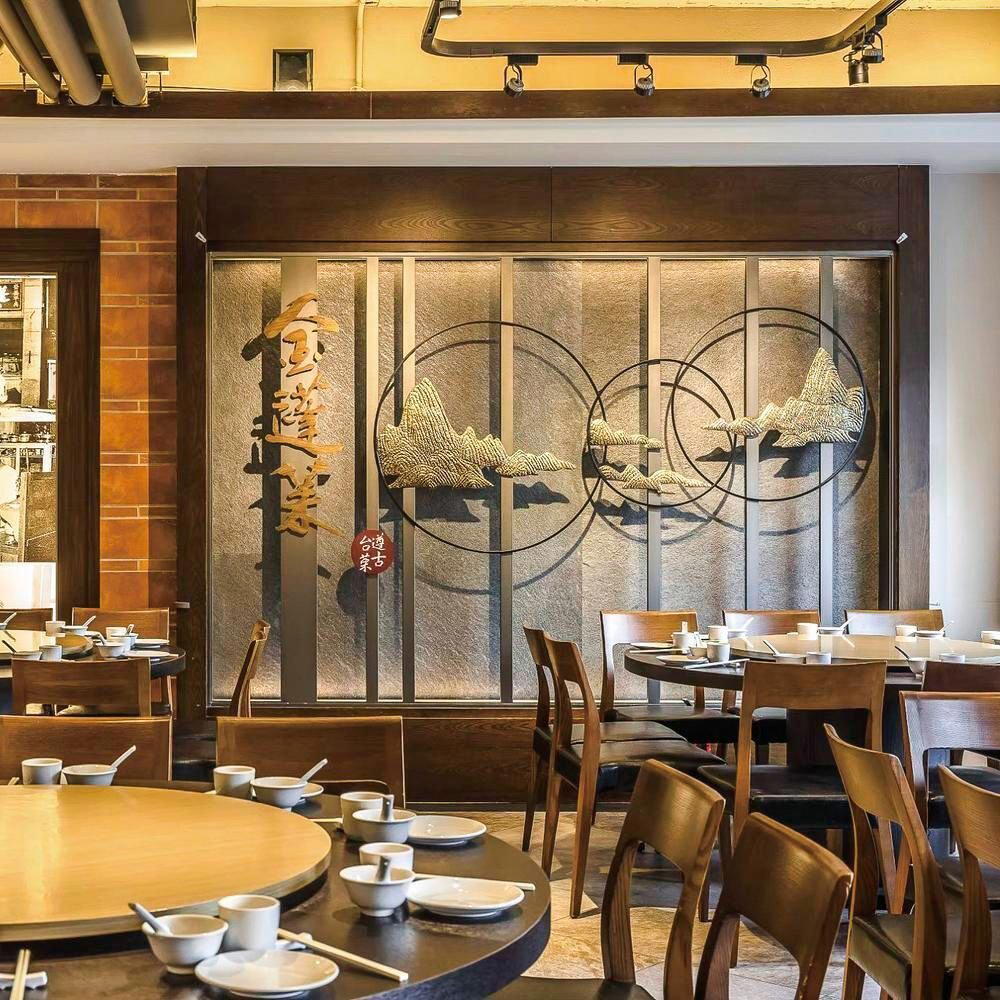
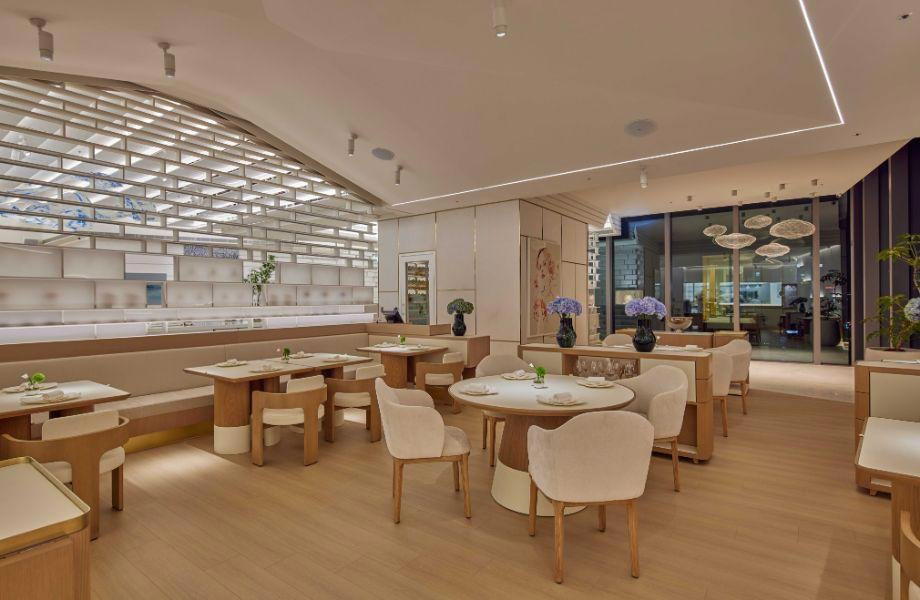
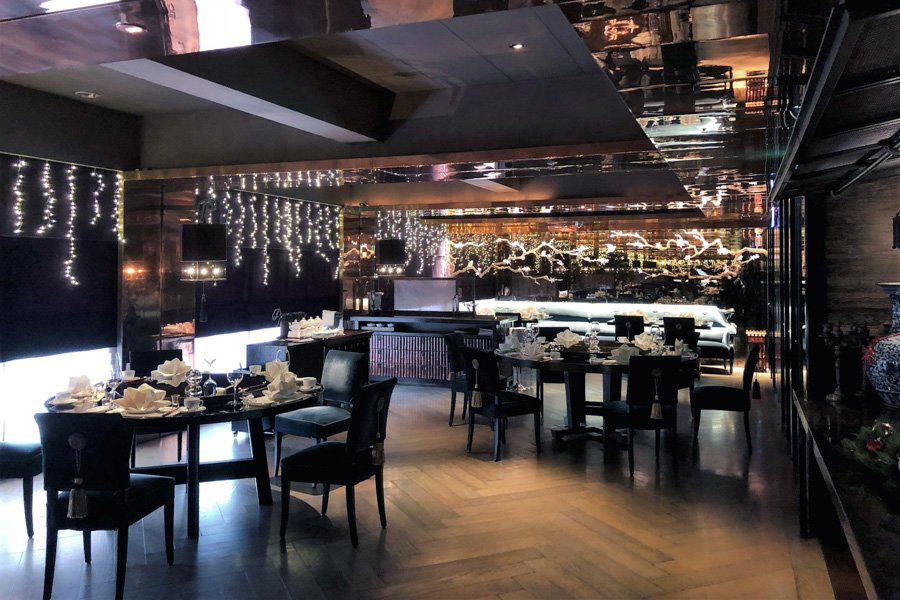

Bars in New Taipei
Browse all →
Hotels in New Taipei
All hotels in New Taipei →


Wineries in New Taipei
Browse all →
Details
- Rustic
- Cozy
- Scenic
- Family
- Group Dining
- Special Occasion
- Garden
- Organic
- Local Sourcing
- Mountain
- Garden
- A La Carte
Rustic house on a mountainside behind a farm, dripping in nostalgia with idyllic scenic setting during warm weather.