NATURAL TEA MANOR

A century-old tea farm in Xizhi District that has practised organic cultivation for three decades, Natural Tea Manor translates its estate-grown leaves directly into the kitchen, with tea-infused dishes served amid a wood-rich interior overlooking forested hills. The defining plate is braised Dongpo pork belly with iron buddha tea, best paired with steamed Pouchong tea buns. For visitors willing to travel beyond Taipei's centre, it occupies a category of its own.
Pearl is the En Primeur Club membership app — saves, bookings, and concierge access live there. Same editors, same standards.
- Address
- 30, Lane 380, Xiding Road, Xizhi District
- Phone
- +886 2 2660 3762
- Website
- naturetea.com.tw
- Directions
- Get directions
 Saves & bookings on Pearl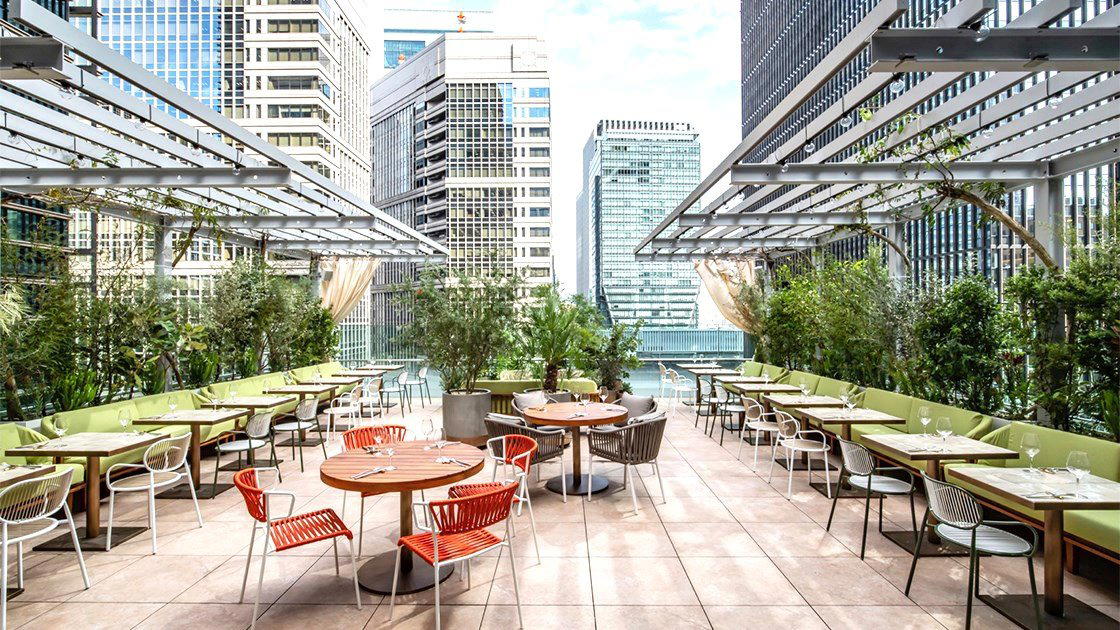
Where the Farm Determines the Menu
Taiwan's most interesting restaurant category is not its Michelin-decorated urban counters but a quieter tier of farm-based dining rooms where what grows outside the kitchen window decides what appears on the plate. Natural Tea Manor, on Xiding Road in the Xizhi District of New Taipei, operates inside this tradition with particular consistency. The property is a century-old tea farm that shifted to organic cultivation roughly thirty years ago, and the dining room that eventually opened on its grounds is not a standalone restaurant that happens to serve tea dishes. It is an extension of the farm itself, with the sourcing logic running in one direction only: from soil to table, without detours.
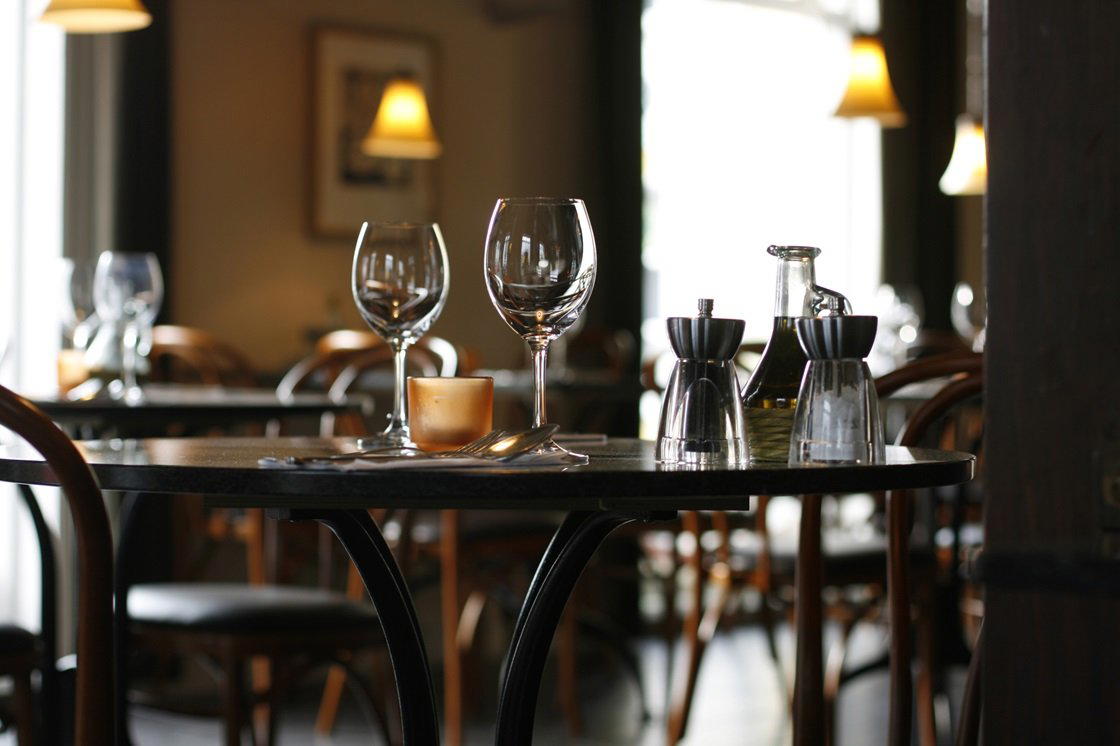
The physical approach sets the register before you reach the door. Panoramic views of forested hills and a wood-rich interior work together to establish a rhythm that is slow and deliberate, the kind of atmosphere that prepares a guest for food requiring attention rather than speed. In Taiwan's broader dining culture, which ranges from the velocity of night markets to the precision of urban omakase, this pace is a considered choice rather than a default. Restaurants in Wulai and other green-belt districts around Taipei have long traded on a similar logic of altitude and forest as mood-setters, but Natural Tea Manor grounds that atmosphere in a specific agricultural history that most scenic dining rooms in the region cannot claim.
Thirty Years of Organic Practice as a Kitchen Argument
The farm's shift to organic cultivation approximately three decades ago preceded the current wave of sourcing-conscious restaurant culture by a considerable margin. This is not a property that adopted organic growing as a marketing position; it adopted it as a farming decision, and the kitchen inherits the results. Tea grown without synthetic inputs develops differently across seasons, and those differences matter when the leaf is used as an ingredient rather than just a beverage. Iron buddha and Pouchong, both present in the kitchen here, are varieties that reward careful, slow cultivation, and the farm's long-term commitment to organic methods shapes the depth of flavour those leaves carry into dishes.
For context, Taiwan's tea culture is one of the more technically developed in Asia. High-mountain oolongs from Alishan and Li Shan have established a global reputation for altitude-influenced flavour complexity, while Pouchong, a lightly oxidised tea produced primarily in the New Taipei area, has a floral, almost untreated character that distinguishes it from the roasted profiles of iron buddha. Using both in a kitchen requires an understanding of how heat, fat, and cooking time interact with tea polyphenols and aromatics, none of which behave the same way as conventional herbs or spices. What Natural Tea Manor has that most tea-infused restaurants lack is proximity: the leaves travel from field to kitchen without intermediary, which means the kitchen works with fresh-harvest quality rather than packaged stock.
The Signature Dish and What It Represents
The braised Dongpo pork belly with iron buddha tea is one instructive plate on the menu for understanding this kitchen's approach. Dongpo pork is a Hangzhou-origin preparation requiring long braising to render collagen and fat into a gelatinous, deeply savoury result. Substituting or supplementing the braising liquid with iron buddha tea changes the chemical environment of the braise, introducing tannins and aromatic compounds that cut through fat and add a secondary layer of bitterness that balances the dish's richness. The pairing with steamed Pouchong tea buns is structurally sound: the bun's lightly fermented dough, carrying the floral notes of Pouchong, acts as a counterweight to the intensity of the pork, much as a bread course functions in European tasting menus to reset the palate between heavier courses.
This is farm-based cooking with technical intention, not rustic simplicity offered as a virtue. Taiwan's farm dining category has grown considerably in recent years, and the quality range is wide. Some properties offer scenic settings with kitchens that do not match them. What separates the serious operators is whether the sourcing story connects to the actual flavour outcome on the plate, rather than serving as background decoration. At Natural Tea Manor, the connection is direct and verifiable.
Context Within Taiwan's Broader Dining Scene
Taiwan's restaurant culture is more geographically distributed than its Michelin representation suggests. The starred addresses cluster in Taipei, with properties like logy in Taipei representing the urban fine dining tier. Further afield, JL Studio in Taichung has made a case for regional depth, while GEN in Kaohsiung and Zhu Xin Ju in Tainan demonstrate that southern Taiwan supports serious cooking independent of the capital's gravitational pull. Akame in Wutai Township has drawn international attention for indigenous ingredient sourcing in a remote mountain setting. The restaurant occupies a different position in this map: not remote, not urban, but working a specific agricultural legacy within reach of Taipei's centre in a way that urban restaurants cannot replicate.
New Taipei's dining scene is broader than the city-within-a-city reputation suggests. Amajia, Chi Yuan, and BAK KUT PAN each address different parts of the market, while street-level institutions like A Gan Yi Taro Balls and A-ba's Taro Ball reflect the district's appetite for ingredient-specific, locally produced food. The full New Taipei restaurants guide covers the range in more detail. For visitors extending their time in the region, the New Taipei hotels guide, bars guide, and experiences guide provide additional planning resources, and the New Taipei wineries guide is worth consulting for those interested in Taiwan's developing wine and fermented beverage culture alongside its established tea tradition. For reference points further afield, the farm-to-table seriousness of Volando Urai Spring Spa and Resort in Wulai District offers a comparable commitment to location-specific ingredients in a different format.
Planning Your Visit
The restaurant is located at 30, Lane 380, Xiding Road in Xizhi District, New Taipei City, and reservations are recommended. Given its farm-based format and dining room serving creative tea-infused dishes, reservations are recommended. Contacting the property ahead of time is advisable, and for international visitors particularly, confirming availability, format, and any dietary accommodation before travelling from the city centre will prevent wasted journeys.
In Context: Similar Options
Comparable venues nearby, for context on price, style, and recognition.
| Venue | Cuisine | Price | Awards | Notes |
|---|---|---|---|---|
| NATURAL TEA MANORThis venue — the venue you are viewing | Tea-infused Taiwanese | $$ | Michelin Plate | Not listed |
| Le Yeh | Home-style Taiwanese | $$ | Michelin Plate | Pinglin District |
| Chi Yuan | Taiwanese Farm-to-Table | $$ | Michelin Plate | Gongliao District |
| Xun Kitchen | Taiwanese Rice Vermicelli Specialists | $$ | Michelin Plate | Linkou District |
| Shou Wu | Hakka Cuisine | $$ | Michelin Plate | Banqiao District |
| Lao Hsu | Taiwanese and Jiangzhe Cuisine | $$ | Michelin Plate | New Taipei City |
Recognition history
Dated appearances from independent guides and award organizations, with the underlying list record or original source where available.
Michelin Plate
Michelin
Continue exploring
More in New Taipei
Restaurants in New Taipei
Browse all →
Bars in New Taipei
Browse all →
Hotels in New Taipei
Browse all →
Wineries in New Taipei
Browse all →
At a Glance
- Serene
- Cozy
- Scenic
- Elegant
- Special Occasion
- Historic Building
- Organic
- Mountain
- Garden
Current opening hours
- Monday
- Closed
- Tuesday
- Closed
- Wednesday
- 11 AM–2 PM, 5–9 PM
- Thursday
- 11 AM–2 PM, 5–9 PM
- Friday
- 11 AM–2 PM, 5–9 PM
- Saturday
- 11 AM–3 PM, 5–9 PM
- Sunday
- 11 AM–3 PM, 5–9 PM
Hours can change for holidays and private events. Last verified .
Wood-rich interior with panoramic views of lush forest imparting serenity.