Lao Hsu

A three-decade institution in Xindian District, Lao Hsu brings together Taiwanese staples and Jiangzhe traditions through the hands of a Jiangxi couple who have worked the same address since 2015. The sticky rice dumplings, built on a Cantonese recipe and requiring three days of preparation, and the six-hour slow-cooked tiger-skin pork trotter define what this kitchen does at its most deliberate.
Pearl is the En Primeur Club membership app — saves, bookings, and concierge access live there. Same editors, same standards.
- Address
- 9, Baodao Lane, Section 3, Xinwu Road, Xindian District
- Phone
- +886 2 2666 0570
- Directions
- Get directions
 Saves & bookings on Pearl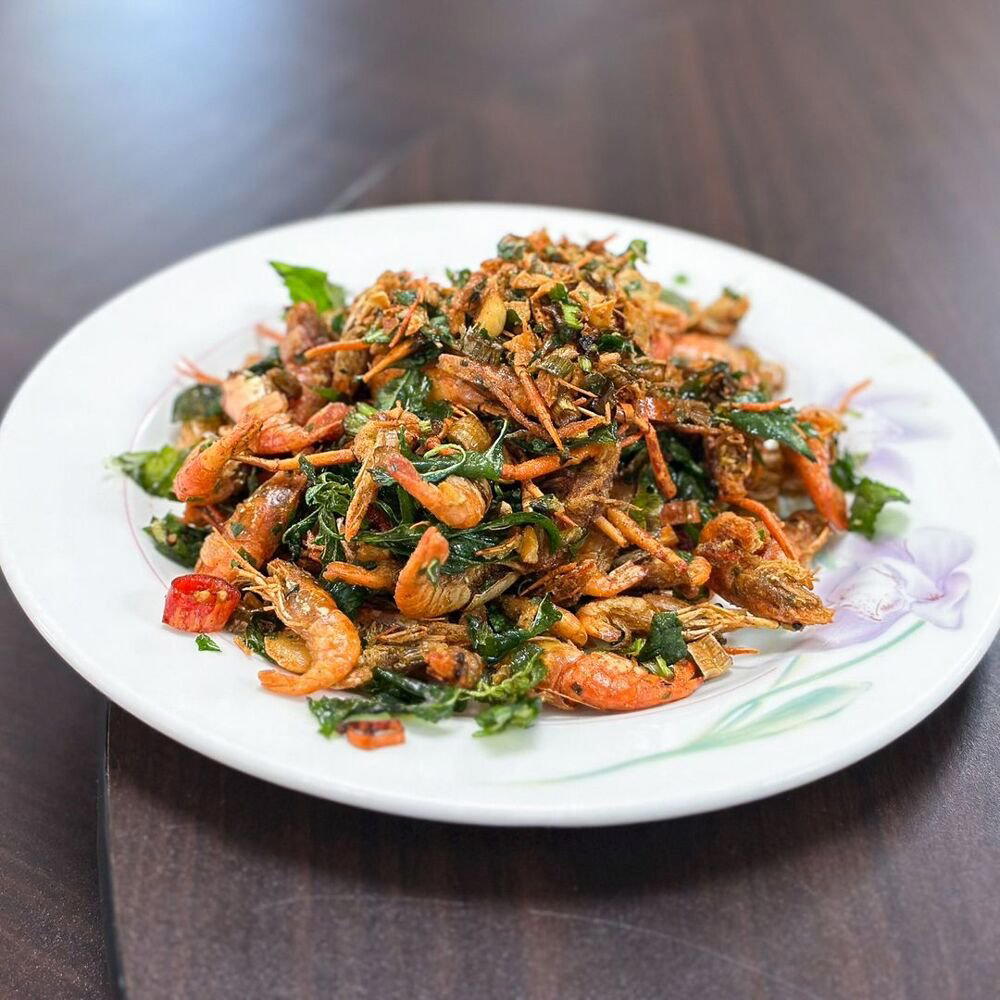
What Xindian's Neighbourhood Tables Do That Downtown Cannot
In Taiwan, instructive dining rarely happens in the city centre. The restaurants that hold generational knowledge tend to sit in residential districts where landlord relationships are long and clientele is local, returning, and unimpressed by trends. Xindian District, the southernmost reach of New Taipei before the river valleys tighten toward Wulai, has several such kitchens. Lao Hsu is a Taiwanese and Jiangzhe Cuisine restaurant in Xindian District, New Taipei, on Baodao Lane off Xinwu Road. The current address dates to 2015, but the tenure predates it by decades. That continuity is itself a form of credential.
This is not the category of restaurant you find alongside logy in Taipei or JL Studio in Taichung. Those kitchens operate in the register of international fine dining, positioning Taiwan against a global comparable set. Lao Hsu operates in an entirely different register: the home-style, multi-regional cooking that has always defined the island's actual daily table, far from tasting menus and allocated reservations. If you want to understand how that cooking sits in a wider Taiwanese context, our full New Taipei restaurants guide maps the range.
A Kitchen Shaped by Migration and Local Produce
The owners are a couple originally from Jiangxi province, and their menu reflects the layered culinary inheritance common to post-1949 Taiwan: Jiangzhe technique, Cantonese recipe traditions, and Taiwanese ingredients woven together through decades of practice. That synthesis is not unusual in New Taipei's older neighbourhood restaurants, but the degree of execution here is less common. The sticky rice dumplings, based on a Cantonese recipe, use dozens of ingredients and require a three-day preparation process. The timeline alone signals what kind of kitchen this is: one that treats complexity as a condition of the dish, not a selling point.
The sourcing is similarly considered. River shrimps and wild greens from the local area appear throughout the menu, which keeps the cooking tethered to the specific ecology of the Xindian River basin rather than drifting toward generic Taiwanese-Chinese comfort food. In that respect, the approach shares something with more formally recognised kitchens like Akame in Wutai Township, where Indigenous ingredients define the cooking's sense of place, even though the two restaurants sit in entirely different registers of format and price.
The Lunch and Dinner Divide
Rhythm of a neighbourhood restaurant like Lao Hsu differs substantially between lunch and evening service, in ways that matter if you are planning a visit from outside the district. At lunch, the clientele skews local and practical: working residents, families from nearby apartment blocks, regulars who order without looking at the menu. The kitchen moves at a pace calibrated to that crowd. Dishes that require long preparation, including the tiger-skin pork trotter, which is slow-cooked for six hours to achieve its soft, yielding texture, may be available in limited quantities by midday if they sold through the evening before.
Dinner service at this kind of restaurant typically allows for more deliberate ordering. The full range of time-intensive dishes is more reliably present, and the dining pace slows to accommodate the kind of table that comes specifically for those preparations rather than for a quick weekday meal. If the sticky rice dumplings or the pork trotter are the reason for your visit, calling ahead gives you the better chance of securing them. This is a practical discipline common across New Taipei's neighbourhood kitchens: the food waits for no one once it is gone. Nearby operators like Chi Yuan and Amajia operate under comparable dynamics, where daily quantities are fixed by the labour of preparation rather than the volume of demand.
The Dishes That Define the Kitchen
Two preparations sit at the centre of what Lao Hsu does. The tiger-skin pork trotter is the more immediately legible of the two: six hours of slow cooking produces a texture where the collagen has fully broken down, the skin achieves its characteristic lacquered appearance, and the fat renders to something closer to a condiment than a structural element. It is the kind of dish that communicates a kitchen's patience without requiring explanation.
The sticky rice dumplings are more technically layered. Dozens of ingredients are folded into a Cantonese-derived recipe, and the three-day preparation process means every dumpling on the table represents a commitment made well before you arrived. That kind of cooking has largely disappeared from Taiwan's busier commercial restaurant culture, where preparation time is a cost to be compressed. Finding it in a 30-year neighbourhood restaurant in Xindian is a reminder that these traditions persist where margins and ambition align with something other than throughput.
For context on how sticky rice preparations fit into the broader spectrum of New Taipei's food culture, and how the city's approach to traditional formats compares, see our full New Taipei experiences guide and the restaurants guide for further orientation.
Getting There and Planning Your Visit
The restaurant sits on Baodao Lane in Xindian District, accessed from Section 3 of Xinwu Road. The address, at number 9, is a residential-scale setting consistent with the restaurant's neighbourhood character rather than a commercial strip. Xindian is served by the MRT New Taipei Metro system, with Xindian City Hall and Xindian stations at the terminus of the Green Line making the area accessible from central Taipei in under 40 minutes. If you are combining the visit with other New Taipei itinerary items, our full New Taipei hotels guide, bars guide, and wineries guide cover the wider geography.
Given the labour-intensive nature of the signature preparations, contacting the restaurant in advance to confirm availability, particularly for the pork trotter and dumplings, is the practical move for first-time visitors. The 30-year operating history and the specificity of preparation suggest a kitchen that does not scale quantities to meet unexpected demand. For those building a broader Taiwan itinerary around serious cooking, the contrast between the restaurant and destinations like Zhu Xin Ju in Tainan or GEN in Kaohsiung illustrates how far Taiwan's restaurant range extends, from multi-day neighbourhood preparations to formally recognised contemporary cooking. Other New Taipei neighbourhood options worth considering alongside a restaurant visit include BAK KUT PAN, A Gan Yi Taro Balls, and A-ba's Taro Ball for a day that maps the district's food culture across different registers.
A Tight Comparison
Comparable venues nearby, for context on price, style, and recognition.
| Venue | Cuisine | Price | Notes |
|---|---|---|---|
| Lao HsuThis venue — the venue you are viewing | Not listed | $$ | Not listed |
| San Fen Su Chi | Yonghe District, Jiangzhe Cuisine | $$ | Not listed |
| Shou Wu | Banqiao District, Hakka Cuisine | $$ | Not listed |
| San Tung | Not listed | $$ | Xindian District, Traditional Chinese Dumplings & Noodles |
| Wonderful Baba Bak Kut Teh King Of King | Not listed | $$ | Banqiao District, Fujian-Style Bak Kut Teh |
| Dark Palace Taiwanese Gourmet | Tamsui, Taiwanese Gourmet | $$ | Not listed |
Recognition history
Dated appearances from independent guides and award organizations, with the underlying list record or original source where available.
Michelin Plate
Michelin
Continue exploring
More in New Taipei
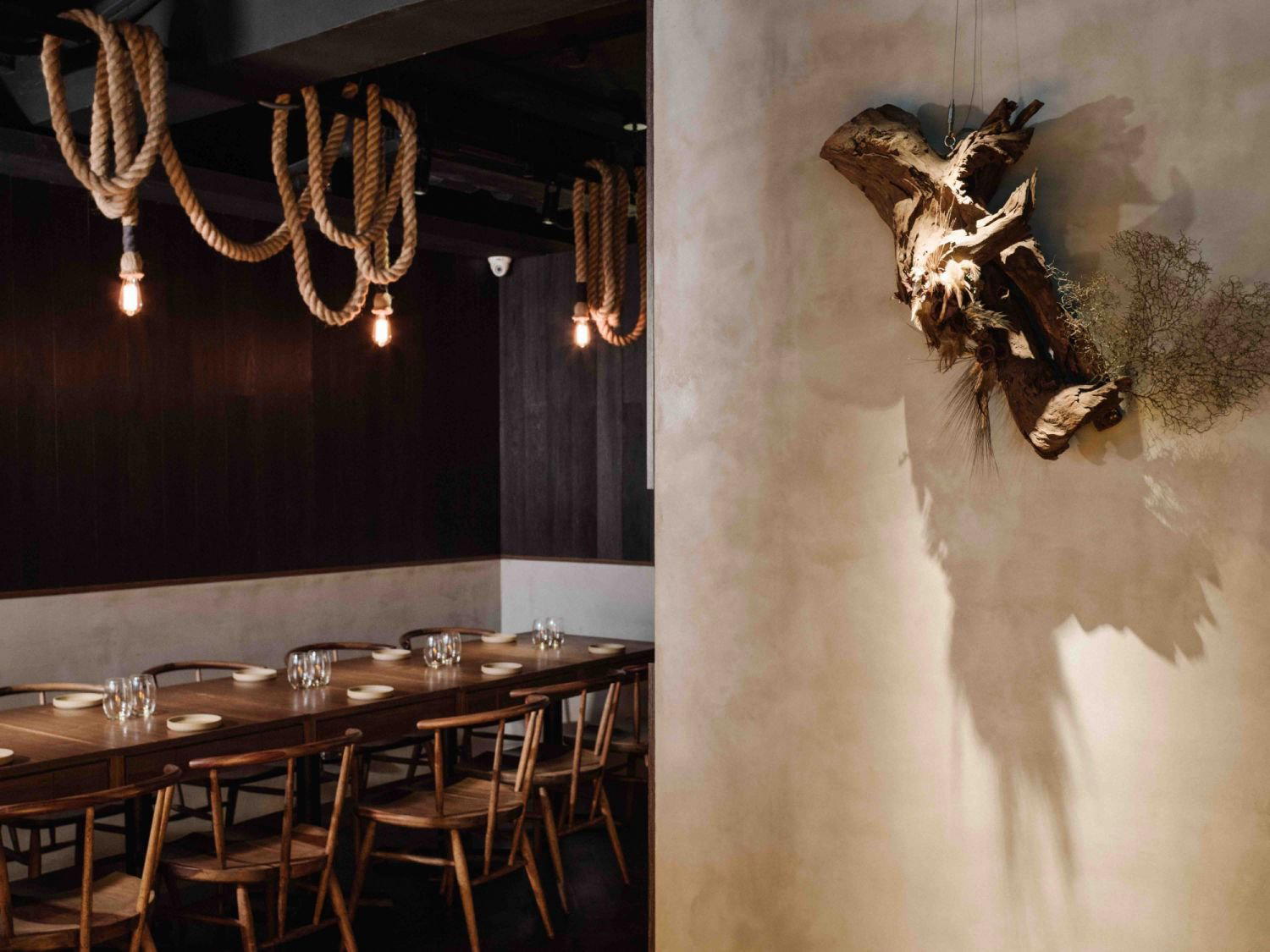
Restaurants in New Taipei
Browse all →
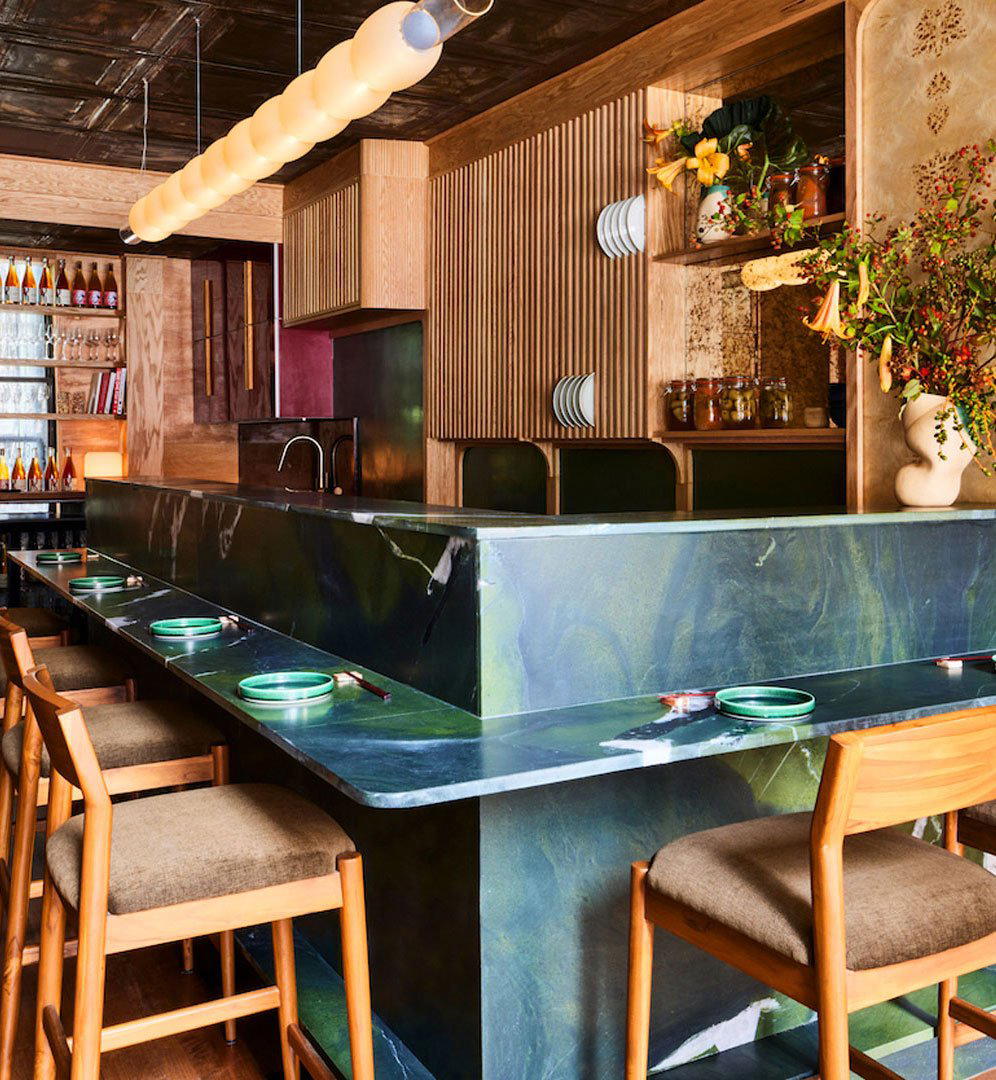
Bars in New Taipei
Browse all →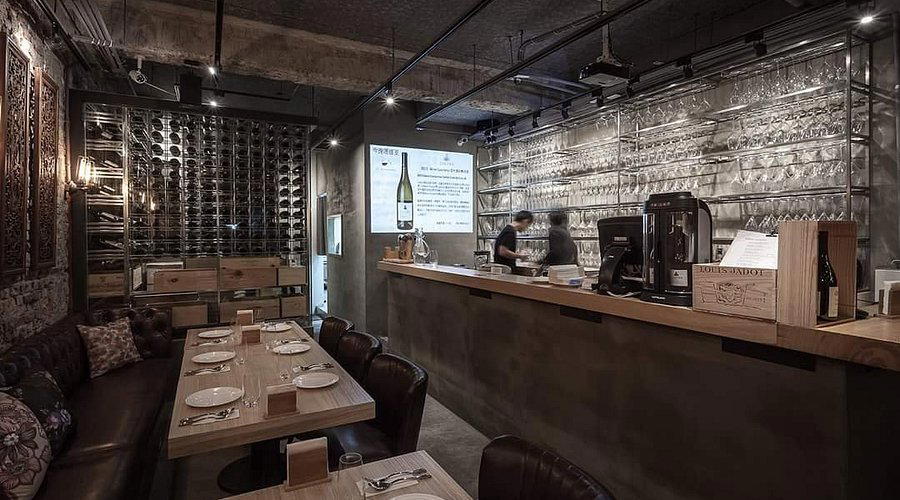
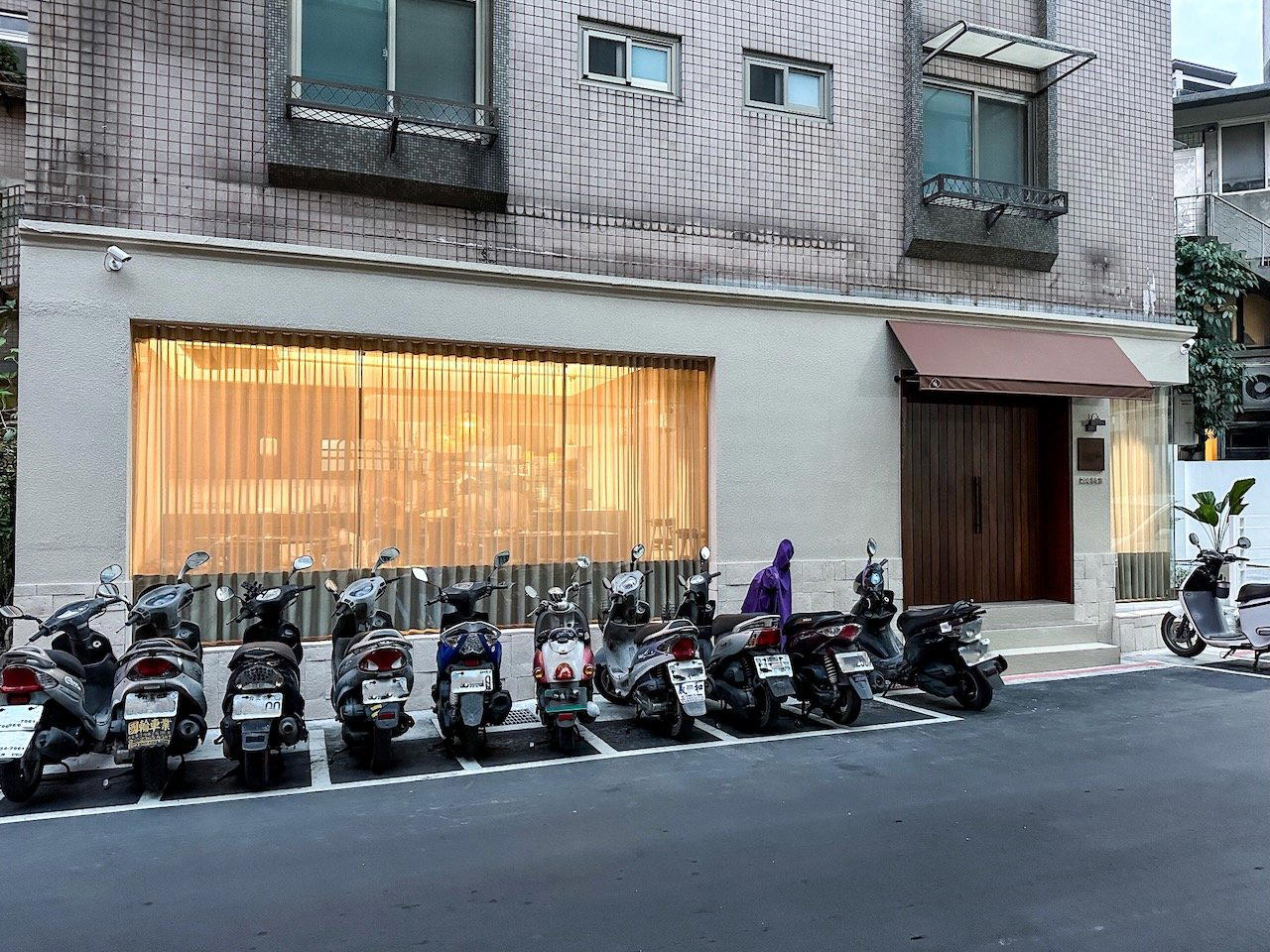
Hotels in New Taipei
Browse all →
Wineries in New Taipei
Browse all →
At a Glance
- Cozy
- Family
- Casual Hangout
- Local Sourcing
Current opening hours
- Monday
- 11 AM–7:30 PM
- Tuesday
- 11 AM–7:30 PM
- Wednesday
- 11 AM–7:30 PM
- Thursday
- 11 AM–7:30 PM
- Friday
- 11 AM–7:30 PM
- Saturday
- 11 AM–7:30 PM
- Sunday
- 11 AM–7:30 PM
Hours can change for holidays and private events. Last verified .
Cozy and homey with dozens of dishes offered.