San Fen Su Chi

Michelin Plate
Our verdict
Ink, Calligraphy, and the Quiet Register of Jiangzhe Cooking Walk into San Fen Su Chi on Guoguang Road in Yonghe District and the room makes its intentions clear before you order. Ink paintings hang against walls that carry calligraphy in...

Pearl is the En Primeur Club membership app — saves, bookings, and concierge access live there. Same editors, same standards.
- Address
- 8, Lane 49, Guoguang Road, Yonghe District
- Phone
- +886 2 2231 1103
- Directions
- Get directions
The menu
What to order
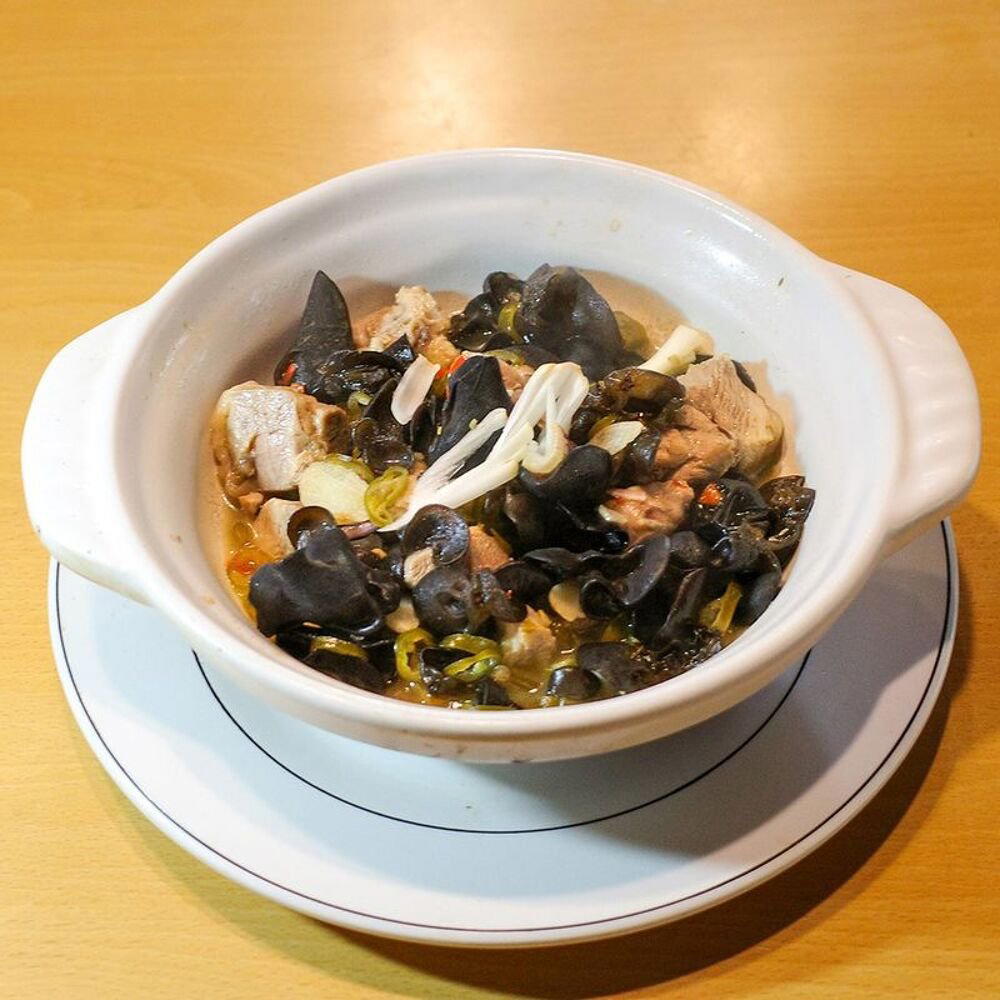
- Stuffed emerald chillies
Ink, Calligraphy, and the Quiet Register of Jiangzhe Cooking
Walk into San Fen Su Chi on Guoguang Road in Yonghe District and the room makes its intentions clear before you order. Ink paintings hang against walls that carry calligraphy in brushstroke script, and classical music moves through the space at a volume low enough to hold conversation. There is nothing provisional about the atmosphere: it has the settled quality of a place that has made deliberate choices about what it wants to be, and has had time to commit to them. This is a room that once operated as a speakeasy-style establishment, and something of that selective, knowing quality has carried forward into how it presents itself today.
Yonghe District sits in the dense urban fabric of New Taipei, a short distance from central Taipei but operating at a noticeably different pitch. The dining scene here runs toward the local and the long-established rather than the experimental, which is the right context for understanding what San Fen Su Chi is doing. It belongs to a category of Taiwanese restaurants that treat mainland Chinese regional traditions, in this case Jiangzhe cooking from the Jiangsu and Zhejiang provinces, as a serious culinary inheritance worth preserving and serving without embellishment. For more of what New Taipei's restaurant scene offers across styles and price points, see our full New Taipei restaurants guide.
The Source Logic Behind Jiangzhe Flavour
Jiangzhe cuisine draws its identity from the river delta regions south of Shanghai, where the emphasis has historically been on seasonal produce, restrained seasoning, and the natural sweetness of fresh ingredients rather than bold spicing or heavy saucing. The cooking tradition prizes what the ingredient already is, which means sourcing matters in ways that more technique-driven cuisines can sometimes obscure. When the approach is fuss-free by design, as it is at San Fen Su Chi, the provenance and quality of primary ingredients carry more weight, not less.
The kitchen here works a concise menu that reflects this philosophy structurally. A shorter list is a declaration: these are the dishes we can execute well with the ingredients we have, rather than a broad catalogue designed to appear comprehensive. In the Jiangzhe tradition, that kind of editorial discipline in menu construction is a meaningful signal about kitchen confidence.
The local emerald chillies that appear stuffed with ground pork are a useful illustration of the sourcing logic at work. The variety matters: emerald chillies, sometimes called green finger peppers in their Taiwanese market form, carry a thin-walled sweetness that deeper-coloured peppers do not. Stuffed, deep-fried, and dressed in a sweet sauce, they sit at the intersection of the cuisine's characteristic sweet-savory balance and a distinctly Taiwanese ingredient identity. The dish works with steamed rice in the way that well-constructed Jiangzhe preparations tend to, building a layered flavour profile that accumulates rather than announces itself.
That pairing instinct, where dishes are designed to function alongside rice rather than as standalone centrepieces, is native to the culinary tradition. It also explains why the flavour register here will read as restrained to diners calibrated to more aggressively seasoned cooking. The restraint is the point. Comparable regional approaches in Taiwan are visible at places like Chi Yuan and Amajia, though each operates within its own culinary framework. For something structurally different in the broader New Taipei eating picture, BAK KUT PAN offers the Hokkien-inflected bak kut teh tradition, while dessert-focused options like A Gan Yi Taro Balls and A-ba's Taro Ball map to a completely different part of the meal.
Situating San Fen Su Chi in Taiwan's Broader Restaurant Picture
Taiwan's dining scene at the high end has become significantly more visible internationally in recent years. Restaurants like JL Studio in Taichung and logy in Taipei have accumulated Michelin recognition and placed the island on itineraries that would previously have routed through Tokyo or Hong Kong. Further down the coast, GEN in Kaohsiung, Zhu Xin Ju in Tainan, and the indigenous-focused Akame in Wutai Township demonstrate the range of what serious Taiwanese cooking can look like across traditions and geographies.
San Fen Su Chi operates in a different register from all of them: no omakase format, no tasting menu architecture, no international reference points in the cooking. It is a neighbourhood-anchored establishment in the long-running tradition of Taiwanese restaurants that absorbed mainland Chinese regional cooking after 1949 and made it local over generations. That history is not a footnote; it is the context that explains what the room is and why the menu looks the way it does.
The resort-scale end of New Taipei dining is represented by properties like Volando Urai Spring Spa and Resort in Wulai District, where dining is embedded in a leisure destination. San Fen Su Chi is the counterpoint to that: a fixed address in a dense urban district, built around the meal itself rather than a surrounding experience.
Planning a Visit
San Fen Su Chi is located at 8, Lane 49, Guoguang Road, Yonghe District, New Taipei. Yonghe is well-connected by Taipei's MRT network, and the district is navigable without a car. Given the concise menu format and the room's character, this is a lunch or early dinner destination rather than a late-night option, though hours should be confirmed locally. It fits naturally within a day that includes other Yonghe district exploration rather than a standalone cross-city journey. For broader New Taipei trip planning, our full New Taipei hotels guide, bars guide, and experiences guide cover the surrounding context. A New Taipei wineries guide is also available for those extending into the region's wine interests.
Frequently asked questions
Is San Fen Su Chi child-friendly?
The room at San Fen Su Chi is calm and deliberately quiet, decorated with ink paintings and calligraphy against a backdrop of classical music. The menu is concise and focused on straightforward Jiangzhe flavours, including dishes like stuffed emerald chillies with ground pork served alongside steamed rice, which tend to suit a range of palates. Families with older children who can manage a composed dining setting will likely be comfortable here.
What should I expect atmosphere-wise at San Fen Su Chi?
The room is spare and considered: ink paintings and calligraphy on the walls, classical music in place of background chatter. San Fen Su Chi operated as a speakeasy-style establishment before its current incarnation, and something of that self-contained, unhurried quality remains. It is a dining room that asks you to slow down, not one designed around energy or theatre.
What kind of recognition has San Fen Su Chi received?
San Fen Su Chi has received recognition including: This long-standing joint used to be a speakeasy-style establishment. Now the room is decorated with ink paintings and calligraphy against a soundtrack of classical music. The concise menu is mostly Jiangzhe in origin, focusing on natural, f….
What do people recommend at San Fen Su Chi?
The stuffed emerald chillies are the dish most closely associated with San Fen Su Chi: local green chillies filled with ground pork, deep-fried, and finished with a sweet sauce. The kitchen's approach is Jiangzhe in origin, prioritising natural and layered flavours over elaborate preparation, and the chillies served alongside steamed rice are considered the kitchen's clearest statement of that philosophy.
Where is San Fen Su Chi in New Taipei?
San Fen Su Chi is located at 8, Lane 49, Guoguang Road, Yonghe District, New Taipei.
Comparable Spots, Quickly
Comparable venues nearby, for context on price, style, and recognition.
| Venue | Cuisine | Price | Awards | Notes |
|---|---|---|---|---|
| San Fen Su ChiThis venue — the venue you are viewing | Jiangzhe Cuisine | Not listed | Michelin Plate | Not listed |
| Chi Yuan | Middle Eastern | Not listed | Michelin Plate | Gongliao District |
| NATURAL TEA MANOR | Tea-infused Taiwanese | Not listed | Michelin Plate | Xizhi District |
| Zhulin Chicken (Yonghe) | Taiwanese Poached Chicken Rice & Noodles | $1–10 | Michelin Plate | Yonghe |
| Le Yeh | Home-style Taiwanese | Not listed | Michelin Plate | Pinglin District |
| Zhang Ji Fish Ball | Traditional Taiwanese Fish Balls | $1–10 | Michelin Plate | Ruifang District |
Recognition history
Dated appearances from independent guides and award organizations, with the underlying list record or original source where available.
Michelin Plate
Michelin
Continue exploring
More in New Taipei
Restaurants in New Taipei
Browse all →
Bars in New Taipei
Browse all →
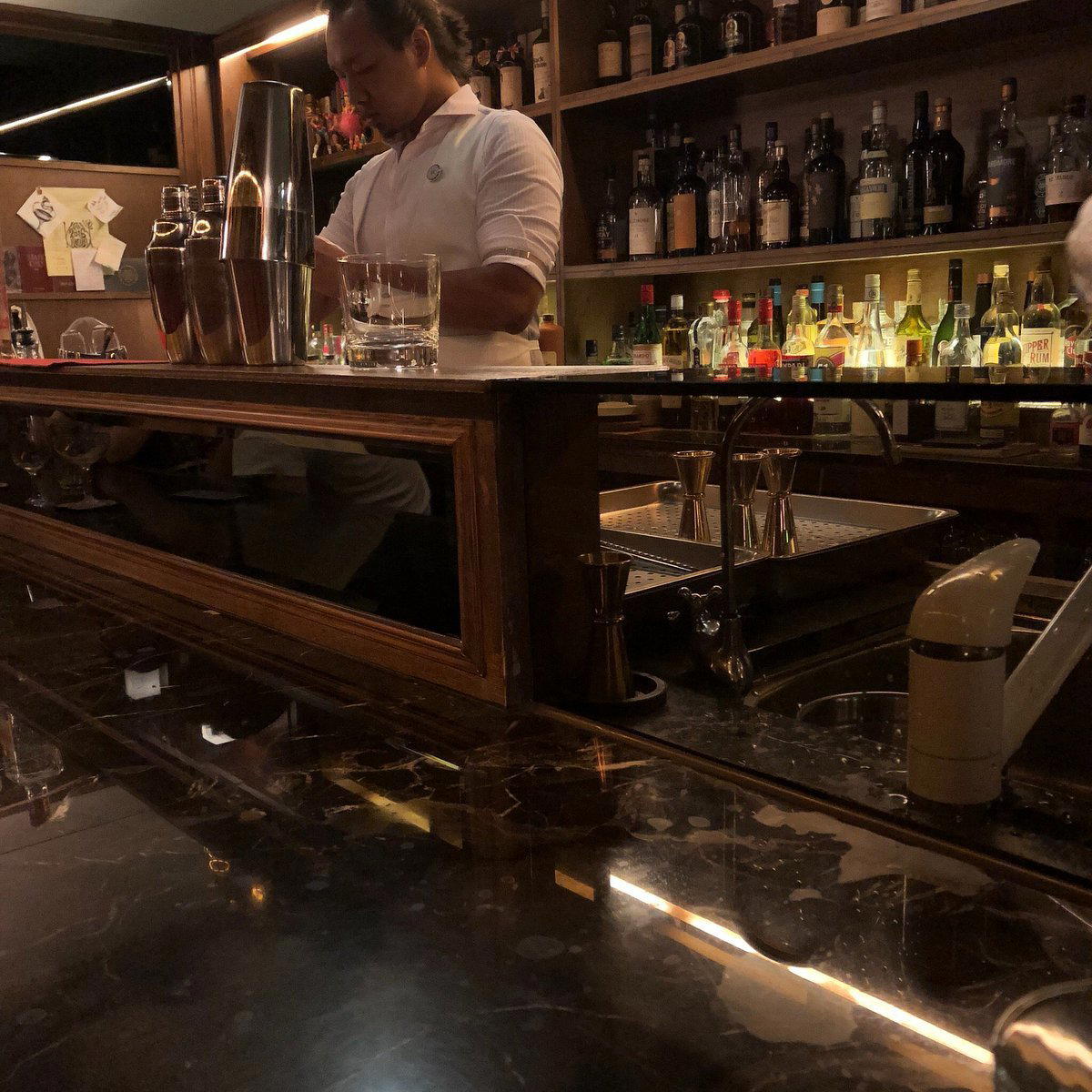
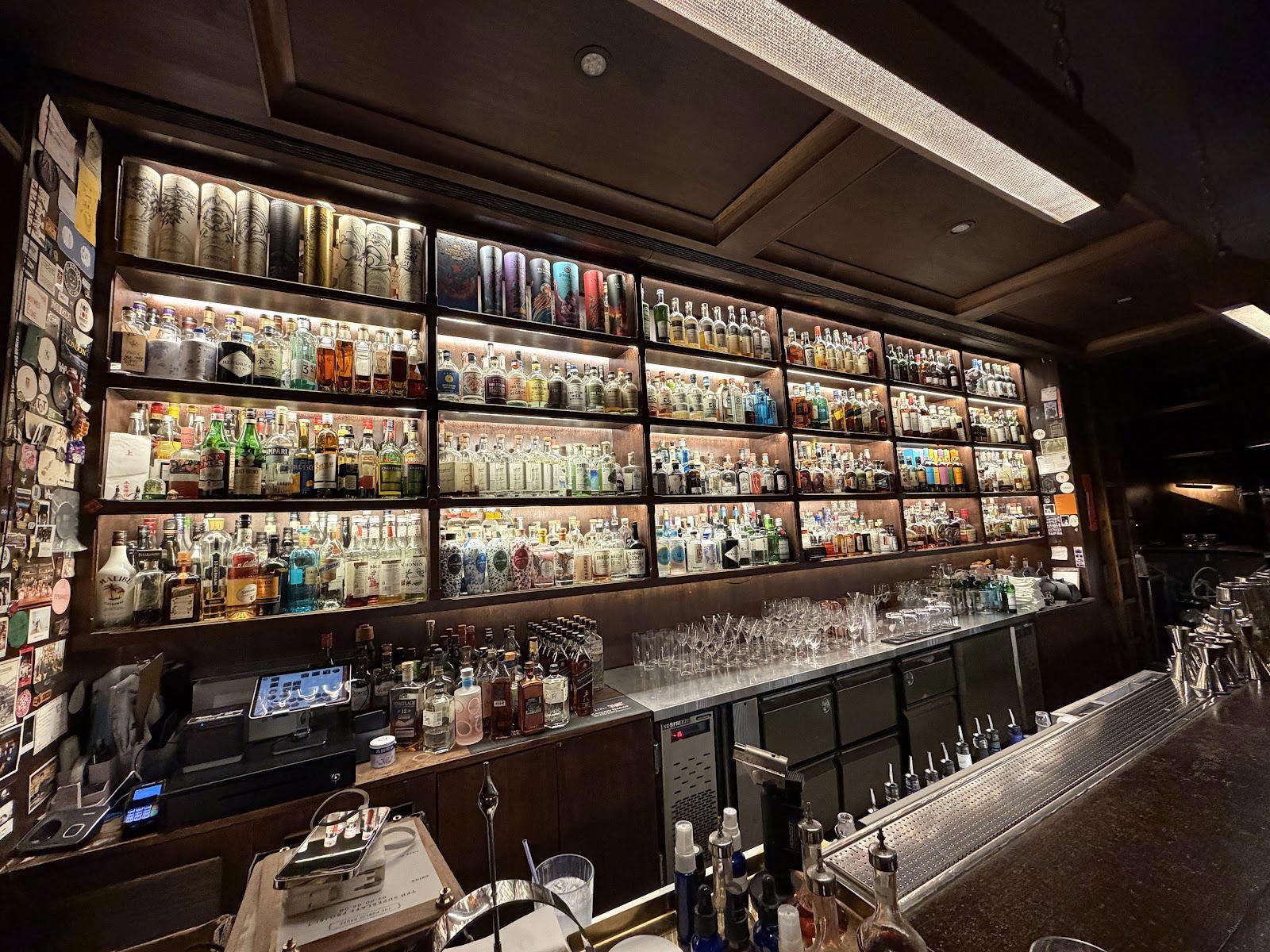
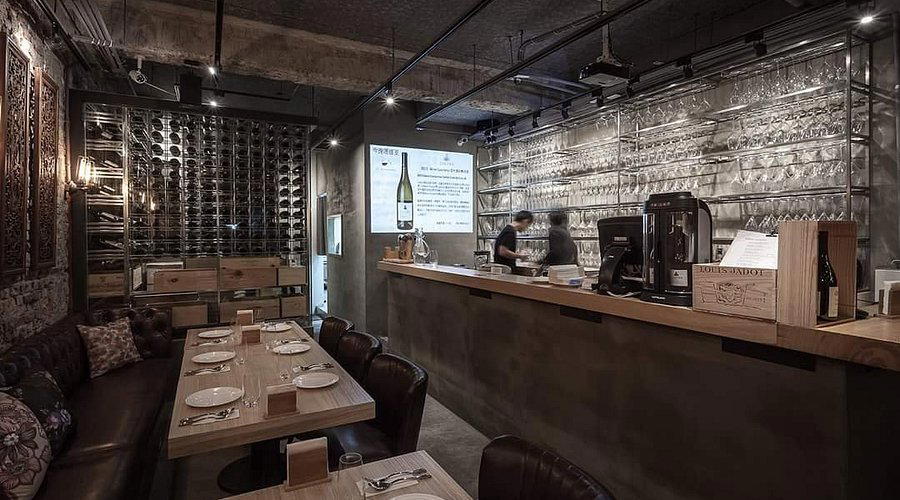
Hotels in New Taipei
Browse all →
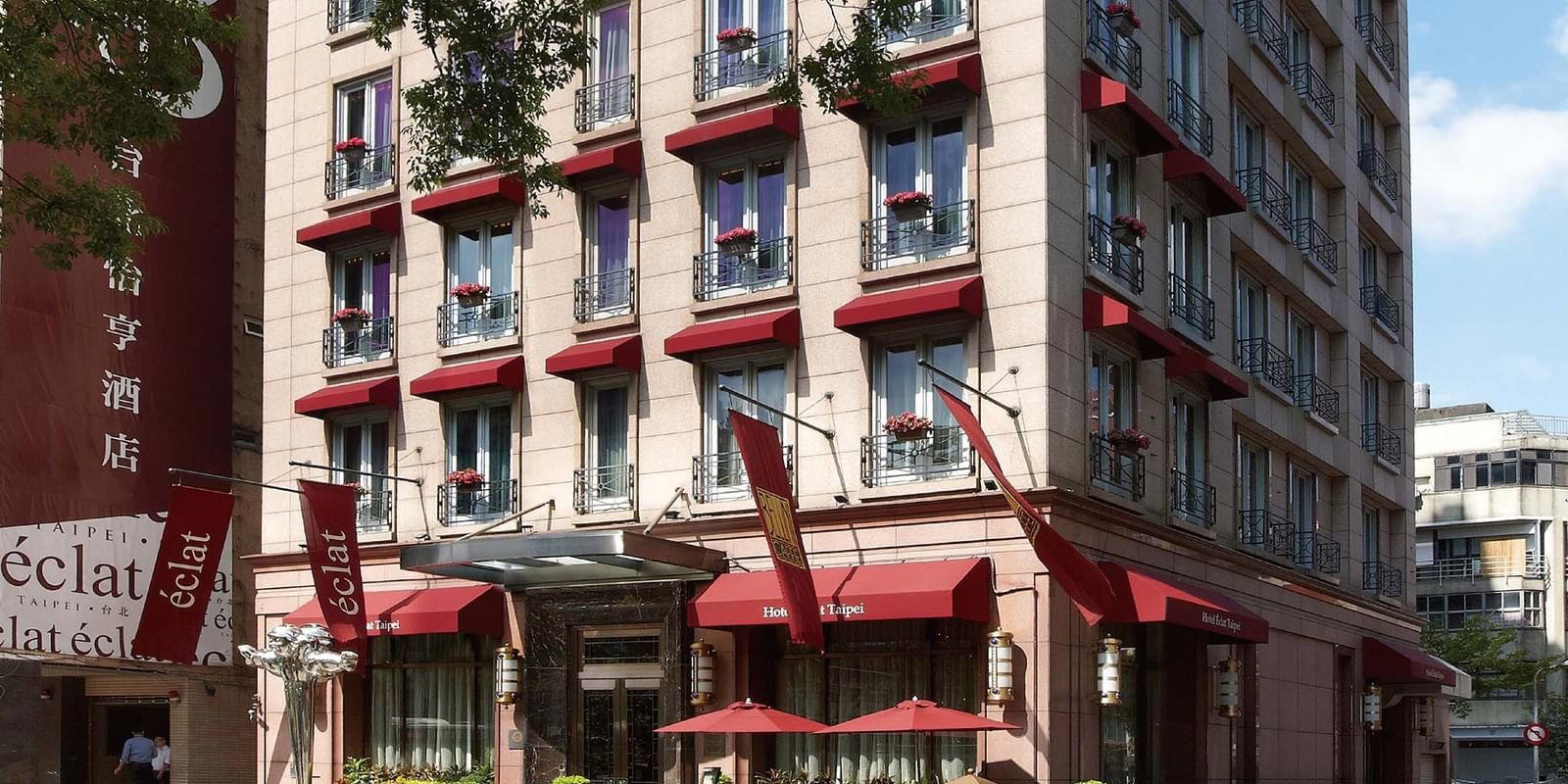
Wineries in New Taipei
Browse all →
Details
- Classic
- Cozy
- Special Occasion
- Local Sourcing
- A La Carte
Decorated with ink paintings and calligraphy against a soundtrack of traditional music, evolving from a speakeasy-style establishment.