

1 Michelin Star · Star Wine List
Our verdict
Ad Astra holds a Michelin star in Taipei's competitive fine-dining tier, operating a 10- or 14-course omakase-style counter from Wednesday through Sunday in Zhongshan. European Contemporary technique meets Japanese culinary philosophy, with beverage pairing at the centre of the experience. The restaurant is among Taipei's most closely watched for its counter format and the integration of Asian ingredients into a European structure.

Pearl is the En Primeur Club membership app, where members save venues, book tables and use the concierge.
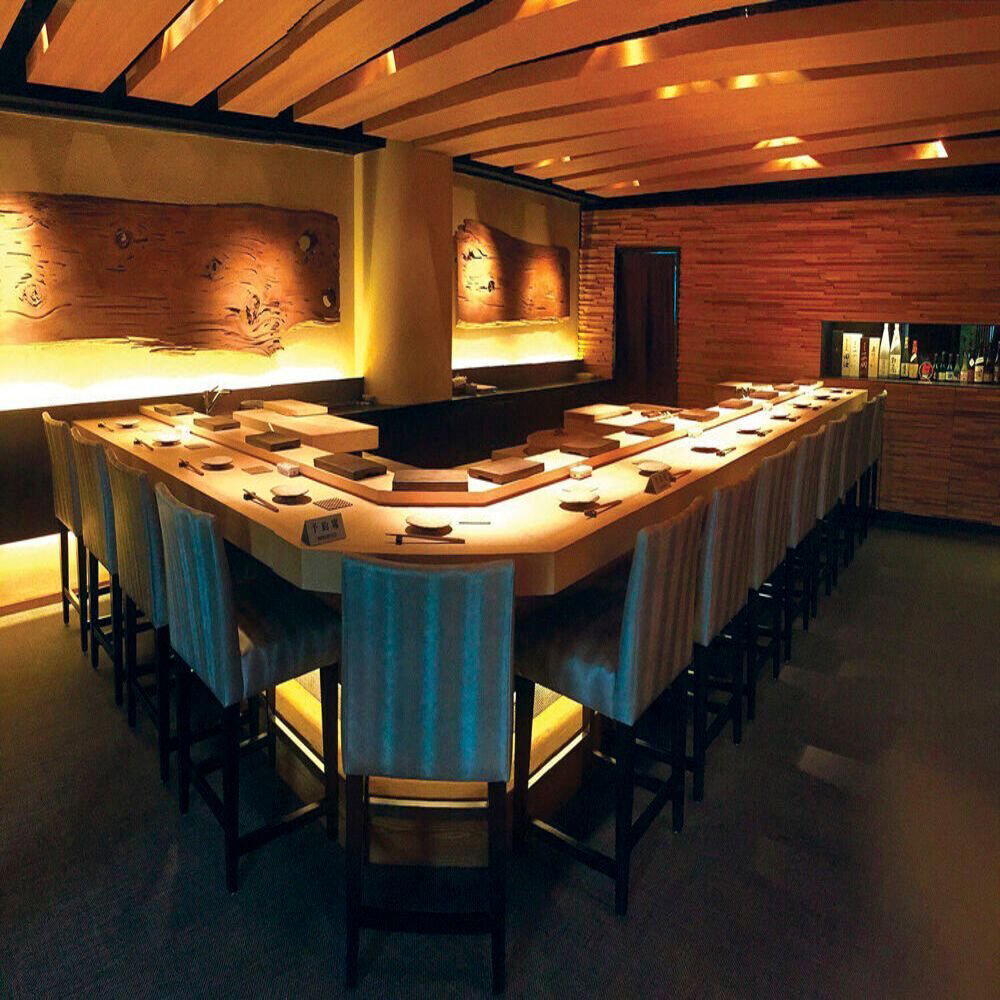
The menu
What to order
- Caramelized butter scallops
- Sea urchin pancakes with prosciutto
- Alfonsino with shredded green beans and Sichuan peppercorn oil
- Clay pot rice
Counter Dining in Zhongshan: Where European Structure Meets Japanese Discipline
Zhongshan's dining scene has quietly accumulated some of Taipei's most ambitious fine-dining addresses, threading through tree-lined lanes and low-rise blocks that sit apart from the commercial density of the Xinyi corridor. Within that neighbourhood, the counter-format restaurant has emerged as the dominant vessel for high-technique cuisine, borrowing the intimacy of Japanese omakase and applying it to European or hybrid frameworks. Ad Astra, on Lane 45 off Section 2 of Zhongshan North Road, belongs to that specific tier: a chef-counter operation built around a set tasting progression, beverage pairings designed with the same care as the food, and a front-of-house rhythm that depends on coordination between kitchen and floor in plain view of the guest.
Taipei's Michelin-starred counter restaurants now occupy a well-defined bracket. logy, holding two stars, operates within the Modern European, Asian Contemporary space with a similarly ingredient-led approach. At Ad Astra, a single star awarded in 2024 places it in a cohort that includes CEO 1950 and The Tavernist, each working through distinct national or hybrid frameworks at comparable price points. The $$$$ designation means guests are entering a market segment where the full experience, including beverage pairing, is the standard mode of engagement, not an optional add-on.
The Counter as Stage: Team Dynamics Across Courses
What distinguishes counter-format dining from conventional table service is the degree to which collaboration between kitchen and floor becomes visible. At Ad Astra, the guest sits at the counter and watches the team work through each course. In this setting, the sommelier or beverages lead does not operate in a separate lane from the kitchen; timing between a dish landing and a pour arriving is part of the composition. That level of synchronisation is trained, not intuitive, and it requires front-of-house to read the kitchen's pace and the guest's rhythm simultaneously.
The pairing programme here is a structural element rather than a supplement. Guests choose between a wine pairing and a temperance flight, meaning the beverages team has built two parallel sequences that track the 10- or 14-course progression. The temperance option places Ad Astra within a small but growing group of Taipei fine-dining rooms that treat non-alcoholic pairing as a first-class programme rather than an afterthought. In a city where wine culture at the leading end has strengthened considerably over the past decade, offering a temperance flight with equivalent ambition signals a deliberate team choice about who the room is for.
At this format, where any variation in coordination between kitchen and beverages shows immediately to the counter guest, that consistency is a meaningful data point about the team's collective discipline.
A Japanese Culinary Ethos Inside a European Frame
European Contemporary cuisine in Asia occupies a genuinely complicated position. The category risks becoming a vehicle for European technique applied to Asian ingredients as novelty, without the structural logic that makes either tradition coherent. The more rigorous version, which Taipei's leading counters tend to pursue, treats European progression and Japanese culinary philosophy as compatible frameworks: precision, restraint, ingredient primacy, and a refusal to let technique overwhelm the base material.
At Ad Astra, the 10- or 14-course omakase format carries that logic. The kamameshi course, the one most cited as a defining moment in the menu, melds Japanese and European techniques in a dish that operates within a rice-cooking tradition while moving through a European flavour architecture. It is precisely the kind of course that counter dining makes legible: watching preparation at the pass, the guest sees the two traditions being assembled rather than simply receiving the result. This is the counter format's editorial advantage over table dining, and Ad Astra uses it.
Chef Kevin Rose, whose training included time at New York City restaurants, brings a diaspora perspective to the kitchen. New York's fine-dining ecosystem in the 2010s was among the most competitive environments for hybrid technique, and that formation shows in a menu that does not treat Asian and European elements as a binary choice. The cuisine uses Asian ingredients inside a Japanese culinary ethos while the tasting progression follows a European structure. The result is a menu that reads as internally consistent rather than eclectic, which is harder to achieve than it looks. For context on how European Contemporary operates across different markets, Zén in Singapore and Caractère in London demonstrate how the category calibrates differently by city.
Where Ad Astra Sits in Taipei's Fine-Dining Field
Taipei's starred dining tier spans Cantonese tradition, Taiwanese-French hybrids, and European Contemporary formats. Le Palais holds three Michelin stars for Cantonese at the leading, while Taïrroir operates at three stars in a Taiwanese-French register. LA Vie by Thomas Bühner represents European fine dining with a named European chef as anchor. Ad Astra operates in a different mode: the chef's identity is present at the counter, but the experience is structured around the team and the progression rather than a signature personality. Xiang Se and The Tavernist each approach the premium counter format from different angles and are worth mapping alongside Ad Astra when planning a Taipei fine-dining itinerary.
Within Taiwan's broader Michelin geography, the starred tier extends beyond Taipei. JL Studio in Taichung operates a Peranakan-inflected counter in a different city context, while GEN in Kaohsiung and Akame in Wutai Township reflect how the island's culinary ambition operates well outside the capital. For a full picture of where Ad Astra sits within Taipei specifically, the EP Club Taipei restaurants guide maps the full competitive field.
Planning Your Visit
Ad Astra operates Wednesday through Sunday, opening at 5:30 PM and closing at 10:30 PM, with Monday and Tuesday closed. That five-night schedule is consistent with how Taipei's high-intensity counter kitchens manage team workload without compromising output on service nights. The address, No. 23, Lane 45, Section 2, Zhongshan North Road, Zhongshan District, is within walking distance of MRT Zhongshan Station, making arrival direct without a taxi.
The $$$$ price tier at counter restaurants of this type in Taipei typically means the full tasting menu with pairing represents a significant per-head spend, consistent with single-star counters in the region. Guests deciding between the 10- and 14-course formats should consider that the longer menu gives the team more room to move through the Japanese-European hybrid logic at the pace it benefits from. Booking in advance is strongly advised given the counter format's limited seat count and the restaurant's Michelin recognition since 2024. For Taipei hotel options to pair with a dinner here, the EP Club Taipei hotels guide covers properties within the Zhongshan area and beyond. Those building a broader Taiwan trip can cross-reference the A Cun Beef Soup in Tainan and Volando Urai Spring Spa and Resort in Wulai District for contrast across the island's dining registers. Taipei's bar scene and wine-adjacent programming, relevant given Ad Astra's beverages focus, is covered in the EP Club Taipei bars guide, while those with a particular interest in wine and producers can consult the Taipei wineries guide and Taipei experiences guide. For European Contemporary peers operating in a mountain context, Schwarzer Adler in Hall in Tirol provides an instructive contrast in how the category adapts to radically different settings.
Frequently asked questions
What's the address for Ad Astra?
Ad Astra is located at No. 23號, Lane 45, Section 2, Zhongshan N Rd, Zhongshan District, Taipei City, Taiwan 10450, Taipei.
What's the defining dish or idea at Ad Astra?
The defining idea is a Japanese culinary ethos operating inside a European tasting structure, delivered from a counter where the kitchen team works in full view. Ad Astra earned a Michelin star in 2024 for this approach, with beverage pairing, wine or temperance flight, built into the format from the start.
A Lean Comparison
A quick peer list to put this venue’s basics in context.
| Venue | Cuisine | Price | Awards | Notes |
|---|---|---|---|---|
| Ad AstraThis venue (the venue you are viewing) | Contemporary Japanese Omakase with Global Influences | $200–300 | 1 Michelin Star · Star Wine List | Not listed |
| logy | Modern Japanese-Taiwanese Fusion Omakase | $100–150 | 2 Michelin Stars · World's 50 Best #22 | Modern European, Asian Contemporary |
| Le Palais | Fine Dining Cantonese | $150–200 | 3 Michelin Stars · La Liste Top Restaurants | Cantonese |
| Taïrroir | Taiwanese-French Fusion Fine Dining | $150–200 | 3 Michelin Stars · La Liste Top Restaurants | Taiwanese/French, Taiwanese contemporary |
| Mudan Tempura | Michelin-Starred Tempura | Not listed | 2 Michelin Stars · La Liste Top Restaurants | Tempura |
| de nuit | Contemporary French | $150–200 | 1 Michelin Star · Star Wine List | French Contemporary |
Recognition history
Dated appearances from independent guides and award organizations, with the underlying list record or original source where available.
Michelin 1 Star
Michelin
Star Wine List
Star Wine List
Full recognition history (4 entries)
Michelin 1 Star
Michelin
Michelin 1 Star
Michelin
Continue exploring
More in Taipei
Restaurants in Taipei
All restaurants in Taipei →
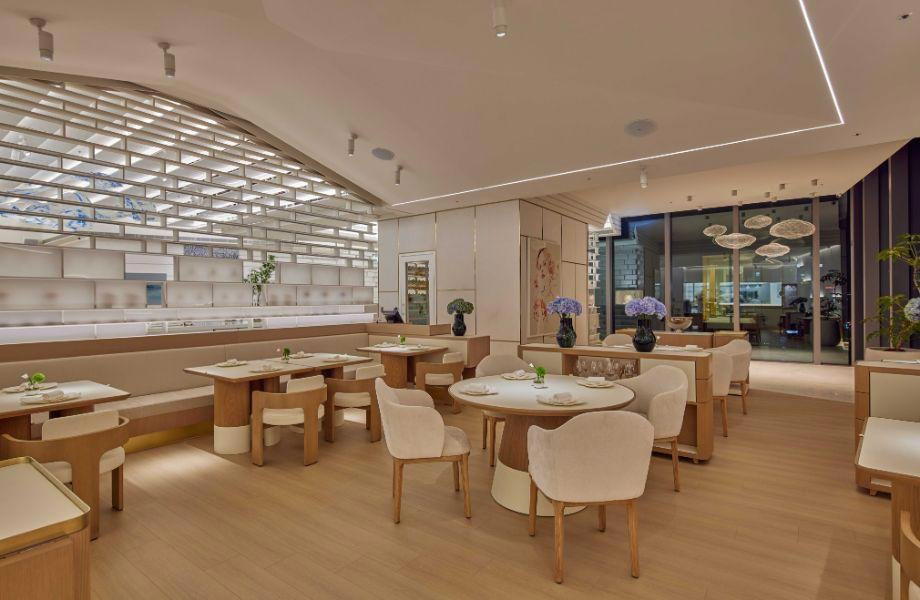
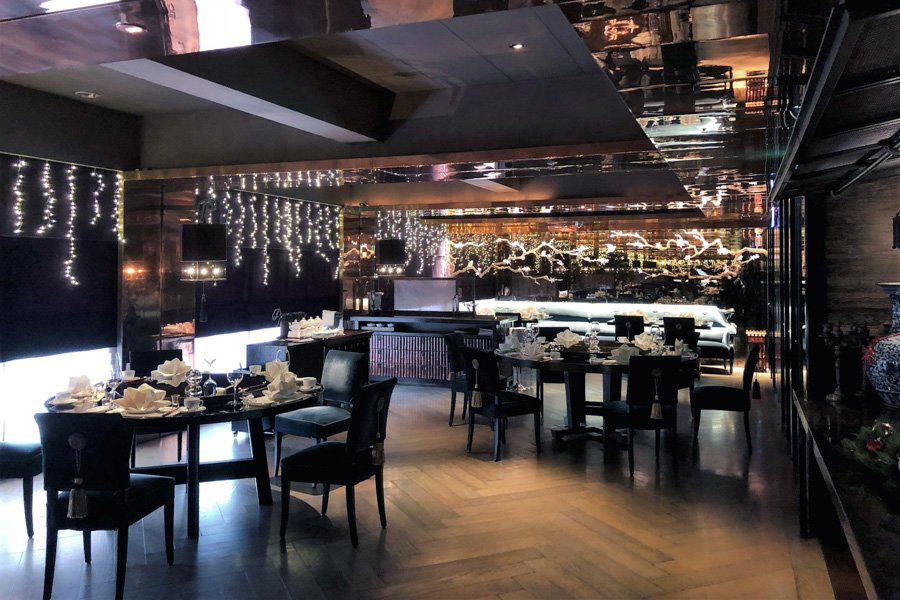
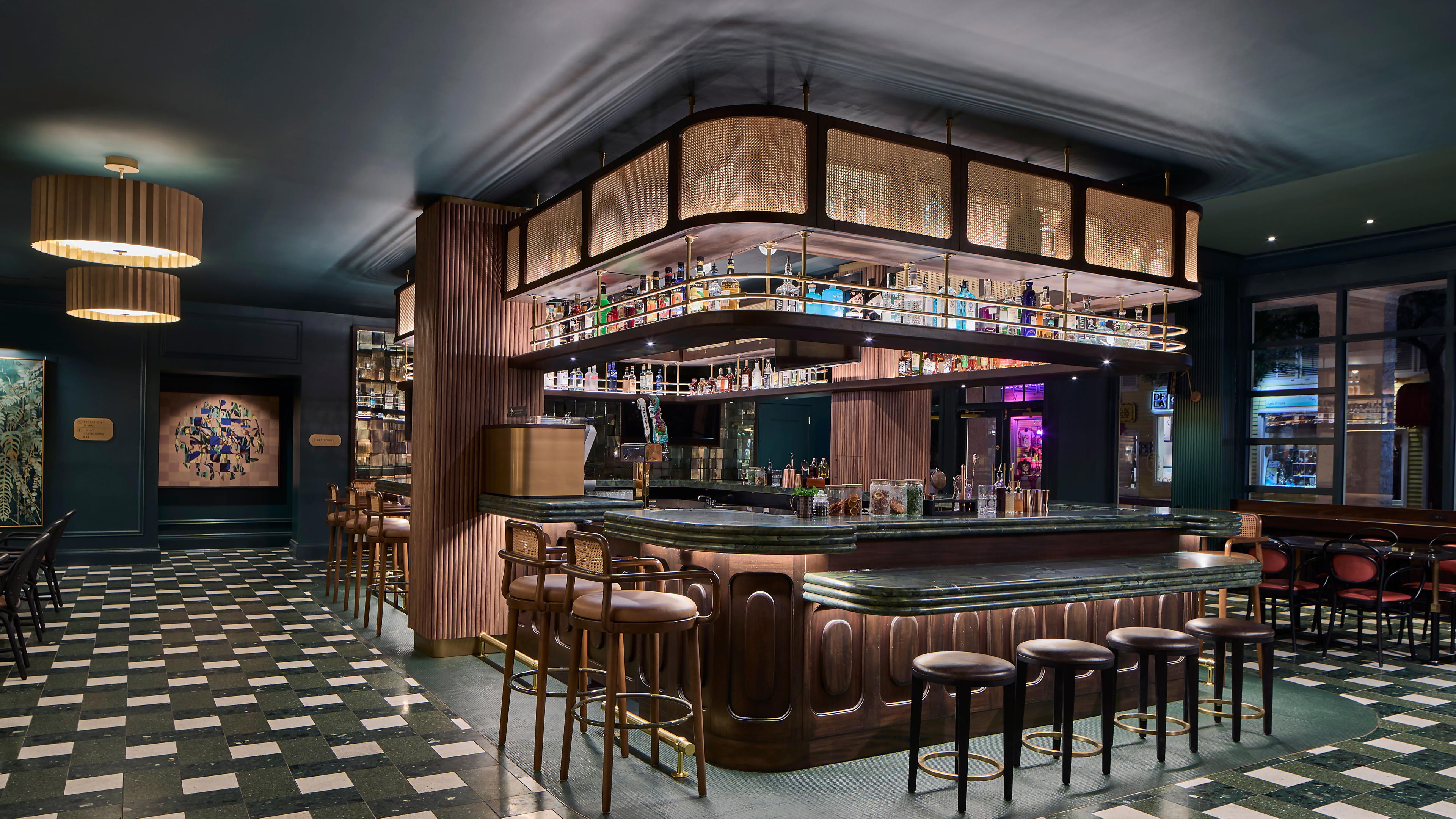
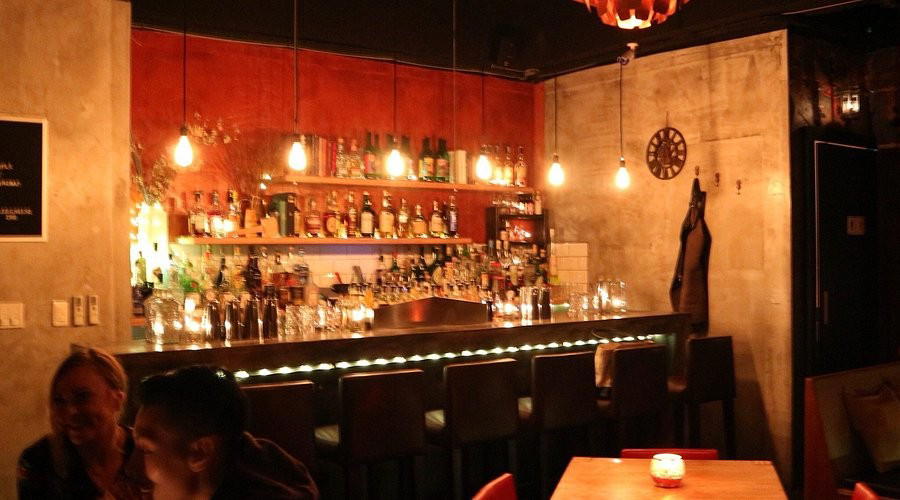
Bars in Taipei
All bars in Taipei →
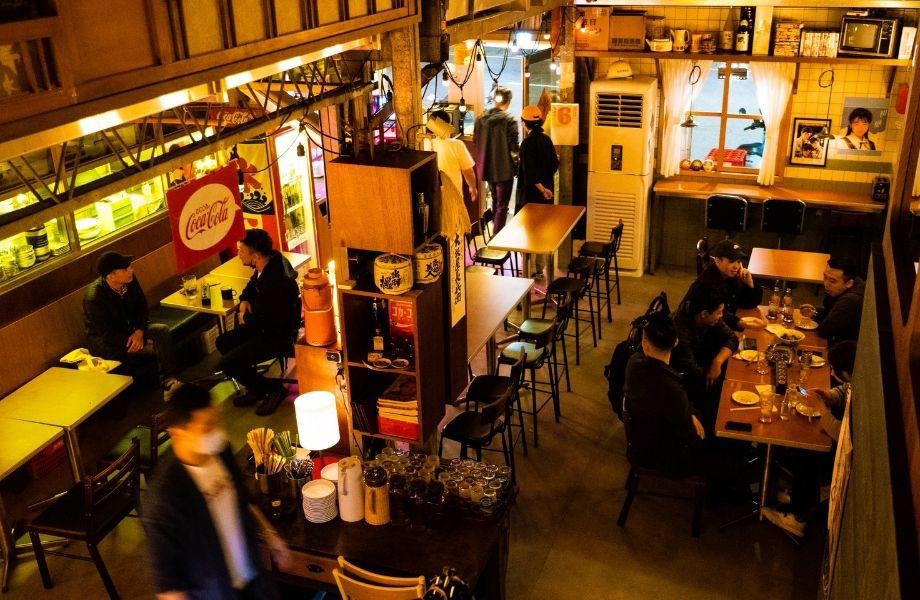
Hotels in Taipei
All hotels in Taipei →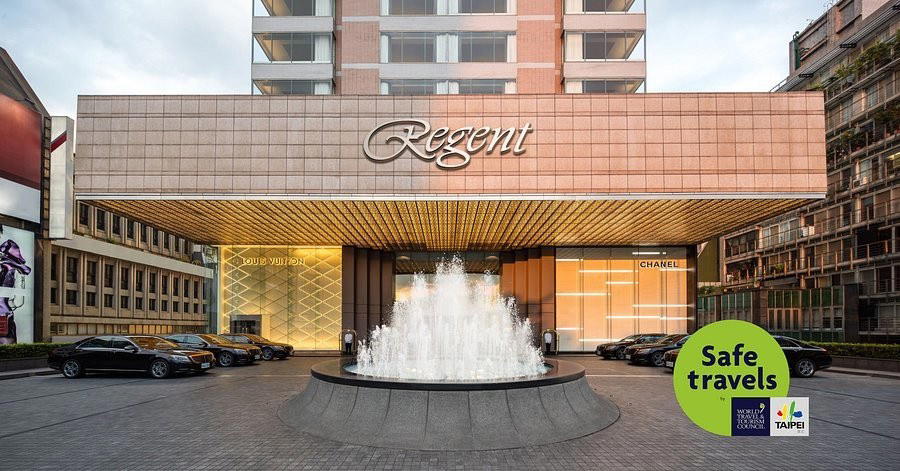



Wineries in Taipei
Browse all →
Ad Astra
The wine
- Wine program
- Deep wine list
- Extensive wine list
- Sommelier-led
- Craft cocktails
Details
- Elegant
- Sophisticated
- Modern
- Intimate
- Special Occasion
- Celebration
- Date Night
- Open Kitchen
- Chefs Counter
- Design Destination
- Extensive Wine List
- Sommelier Led
- Craft Cocktails
- Local Sourcing
- Tasting Menu
- Omakase
- Wine Pairing
- Craft Cocktails
Current opening hours
- Monday
- Closed
- Tuesday
- Closed
- Wednesday
- 5:30–10:30 PM
- Thursday
- 5:30–10:30 PM
- Friday
- 5:30–10:30 PM
- Saturday
- 5:30–10:30 PM
- Sunday
- 5:30–10:30 PM
Hours can change for holidays and private events. Hours as of .
Well-lit, clean, refined and contemplative space blending urban New York rhythm with Japanese wabi-sabi minimalism and Nordic material warmth; open kitchen visible to diners with no cooking fumes.