On Feldstraße in Hamburg's Schanzenviertel, HAPPENPAPPEN occupies a corner of the city's most culturally dense dining corridor, where independent kitchens and neighbourhood institutions compete for the same loyal crowd. The name alone signals a particular Hamburg register: dialect, directness, a refusal to take itself too seriously. Whether the kitchen matches that register is the question worth answering in person.
Pearl is the En Primeur Club membership app — saves, bookings, and concierge access live there. Same editors, same standards.
- Address
- Feldstraße 36, 20357 Hamburg, Germany
- Website
- happenpappen.de
- Directions
- Get directions
 Saves & bookings on Pearl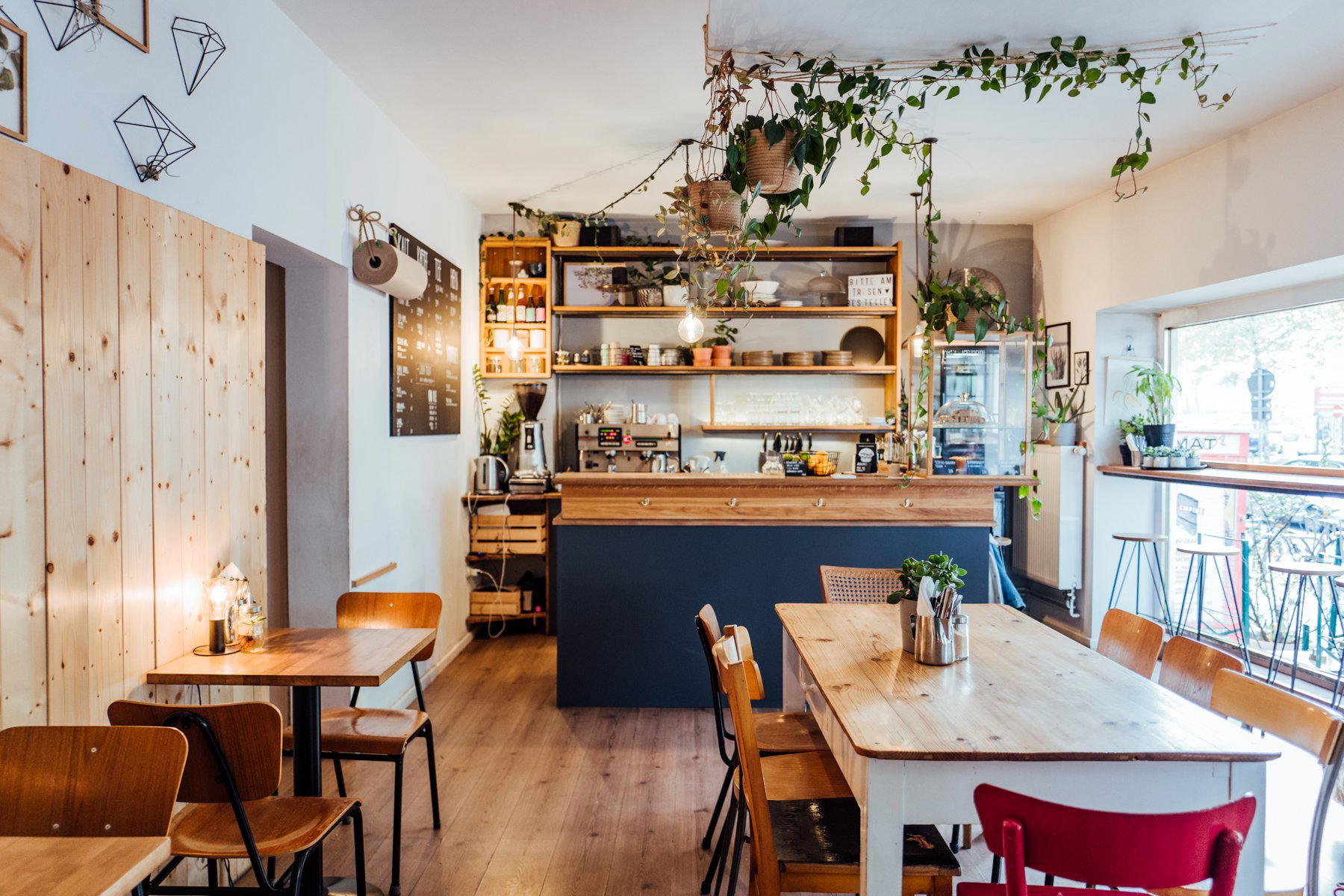
Feldstraße and the Schanzenviertel's Dining Identity
Hamburg's Schanzenviertel has spent two decades resolving its own contradictions. The neighbourhood arrived as a counterculture district, accumulated creative industries, and has since attracted the kind of dining that fits neither the white-tablecloth tier of the Altstadt nor the purely casual end of the spectrum. Feldstraße 36 sits in the thick of that tension. The street connects the U-Bahn station to the broader Schanze grid, and the foot traffic it generates has made it a testing ground for formats that need to earn repeat visits rather than rely on occasion dining. Restaurants here tend to live or die on neighbourhood loyalty rather than destination seekers, which produces a different kind of discipline in the kitchen.
That context matters when reading a name like HAPPENPAPPEN. In Hamburg dialect, the compound carries the flavour of casual directness — a name designed to land with locals first. Across German cities, the venues that have embedded most durably in their neighbourhoods are often the ones that signalled their allegiances through naming before a single dish was served. Compare that register to the formal address of Hamburg's three-Michelin-star tier, represented by Restaurant Haerlin or The Table Kevin Fehling, and the distance is deliberate. HAPPENPAPPEN is not positioning itself in that conversation.
The Cultural Register of Neighbourhood Dining in Northern Germany
Northern German cooking traditions carry a particular plainness that the country's fine-dining tier has spent years refining away from. Pork, preserved fish, root vegetables, and bread built for utility rather than theatre define the historical baseline. The Schanzenviertel's dining scene represents a middle generation in that evolution: kitchens that know the classical references and may respect them, but serve a clientele that arrived in the neighbourhood for reasons other than gastronomy. The result, across the district's better addresses, tends to be cooking that is technically attentive without being demonstrative about it.
This is a different tradition from the formal German creative dining tracked by Michelin across the country, from Aqua in Wolfsburg to Schwarzwaldstube in Baiersbronn or Vendôme in Bergisch Gladbach. Those kitchens operate inside a recognisable hierarchy with tasting menus, sourcing narratives, and critical infrastructure built around them. Neighbourhood venues on Feldstraße answer to different signals: full rooms on a Tuesday, a regular who brings new guests, a menu that reads accessibly without being reductive. The ambition is of a different kind, and not a lesser one.
Where HAPPENPAPPEN Sits in Hamburg's Mid-Tier
Hamburg's mid-range dining tier is more competitive than it appears from the outside. The city's creative and media industries have produced a generation of regular diners who know enough to be demanding without requiring formality. That audience has options: 100/200 Kitchen operates in the creative lane, bianc addresses the Mediterranean-leaning appetite, and Lakeside anchors the German-with-setting category. Each has staked a clear position. The venues that do not stake a clear position in this tier tend not to survive the neighbourhood's turnover rate.
HAPPENPAPPEN's address on Feldstraße places it in proximity to venues that serve the pre-concert crowd from the Stadtpark circuit and the post-work contingent from the digital and creative offices that have colonised the former industrial blocks nearby. That dual audience rewards kitchens that can operate across pace and occasion — a weeknight dinner that does not require planning, and a weekend table that feels worth the trip. The name suggests the kitchen knows which audience it is primarily addressing.
For Hamburg diners calibrating across the city's broader offer, the EP Club's full Hamburg restaurants guide maps the tiers from the starred rooms to neighbourhood addresses, and provides the comparative framework that individual venue pages cannot fully supply.
The Broader German Neighbourhood Dining Scene
Germany's neighbourhood dining culture has received less international attention than its fine-dining tier, but the category is doing more interesting work than the awards infrastructure tends to capture. In Berlin, CODA Dessert Dining has shown how a format built around a single unconventional discipline can achieve Michelin recognition while remaining genuinely neighbourhood-scaled. In Munich, JAN has built a reputation that crosses the formal and informal divide. These are data points in a broader pattern: German dining is becoming more interesting below the top tier, not just within it.
The venues that international diners tend to overlook are precisely those operating in dialect-named, neighbourhood-embedded formats in cities like Hamburg. The comparison set is closer to what New York's Atomix represents at the intersection of cultural specificity and neighbourhood integration, even if the price points and prestige signals differ substantially. The underlying question is the same: does the kitchen serve the community it nominally belongs to, or is it performing that belonging for an outside audience? In the Schanzenviertel, that distinction is harder to fake than in more tourist-facing districts.
Other German addresses worth cross-referencing when building a broader itinerary include ES:SENZ in Grassau, Schanz in Piesport, Waldhotel Sonnora in Dreis, Victor's Fine Dining by Christian Bau in Perl, and Bagatelle in Trier. For international reference points at the technical end of the spectrum, Le Bernardin in New York remains the benchmark for what sustained discipline at a single address over decades can produce.
Know Before You Go
Address: Feldstraße 36, 20357 Hamburg, Germany
Neighbourhood: Schanzenviertel, Hamburg
Getting There: Feldstraße U-Bahn station (U3) is directly on the street, making access direct from central Hamburg without a taxi or car.
Booking: No confirmed booking method or reservation system is listed in available data. Visiting in person or searching for a current website is the advised approach for up-to-date availability information.
The Schanzenviertel mid-tier typically runs €20–45 per head for food before drinks; treat that as a working assumption pending direct verification.
Verify directly before visiting.
- Vegan Burger
- Veagle Burger
- Grilled Cheese Sandwich
- Massaman Curry
- Vegan Labskaus
- Vegetable Quiche
- Aqua Faba Chocolate Mousse
How HAPPENPAPPEN Hamburg compares with similar nearby venues.
| Venue | Cuisine | Price |
|---|---|---|
| philipps restaurant | International | €€ |
Continue exploring
More in Hamburg
Restaurants in Hamburg
Browse all →
Bars in Hamburg
Browse all →

Hotels in Hamburg
Browse all →
Wineries in Hamburg
Browse all →
At a Glance
- Cozy
- Trendy
- Modern
- Casual Hangout
- Brunch
- Open Kitchen
- Local Sourcing
Current opening hours
- Monday
- Closed
- Tuesday
- 10:30 AM–6 PM
- Wednesday
- 10:30 AM–6 PM
- Thursday
- 10:30 AM–6 PM
- Friday
- 10:30 AM–6 PM
- Saturday
- 10:30 AM–6 PM
- Sunday
- 10:30 AM–6 PM
Hours can change for holidays and private events. Last verified .
Charming and cosy interior with bright, sunny space; handwritten menu on plain paper roll; open kitchen allows diners to watch food preparation; trendy yet intimate atmosphere with approximately 20 seats.
Know Before You Go
- Getting there
- Feldstraße 36, 20357 Hamburg, Germany