
On a quiet stretch of Bugenhagenstraße in central Hamburg, GRETA OTO occupies a distinct position in the city's fine dining conversation. The kitchen frames its work around sourcing discipline, drawing a crowd that takes provenance as seriously as technique. For Hamburg diners moving beyond the well-worn Michelin circuit, it represents a considered alternative worth the attention.
Pearl is the En Primeur Club membership app — saves, bookings, and concierge access live there. Same editors, same standards.
- Address
- Bugenhagenstraße 8, 20095 Hamburg, Germany
- Phone
- +4940987634120
- Website
- gretaoto-restaurants.com
 Saves & bookings on Pearl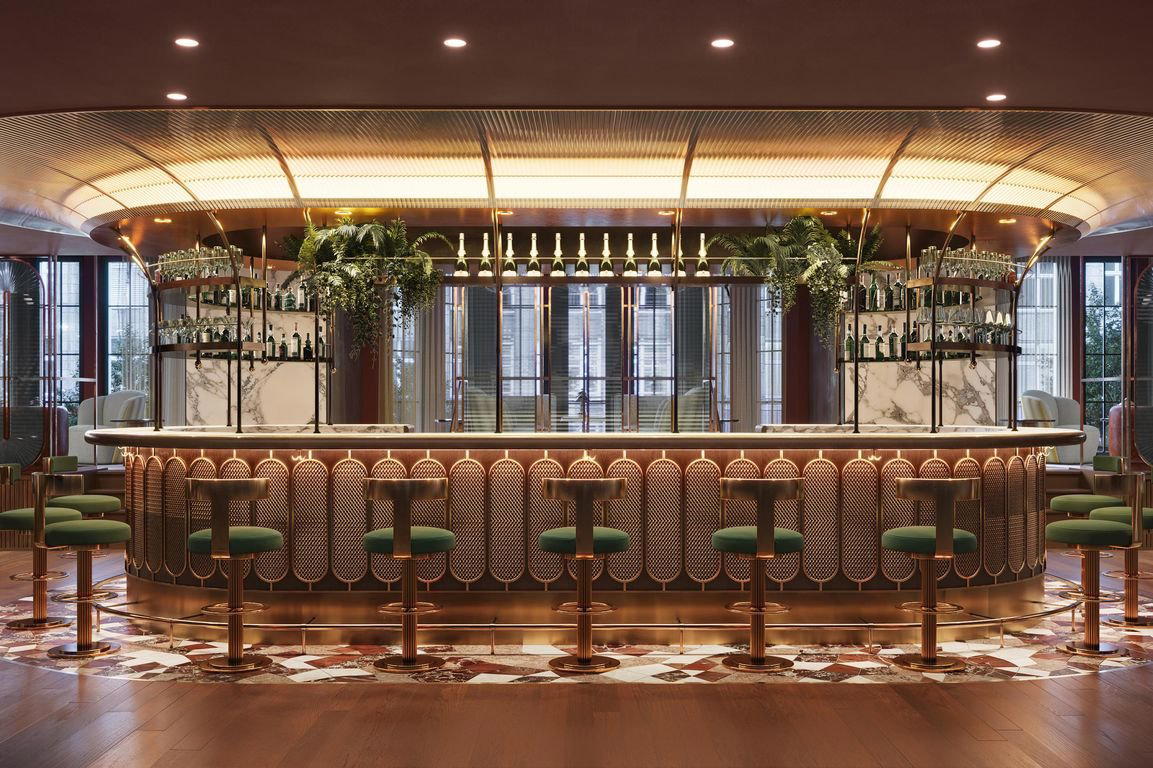
Bugenhagenstraße and the Question of What Belongs on the Plate
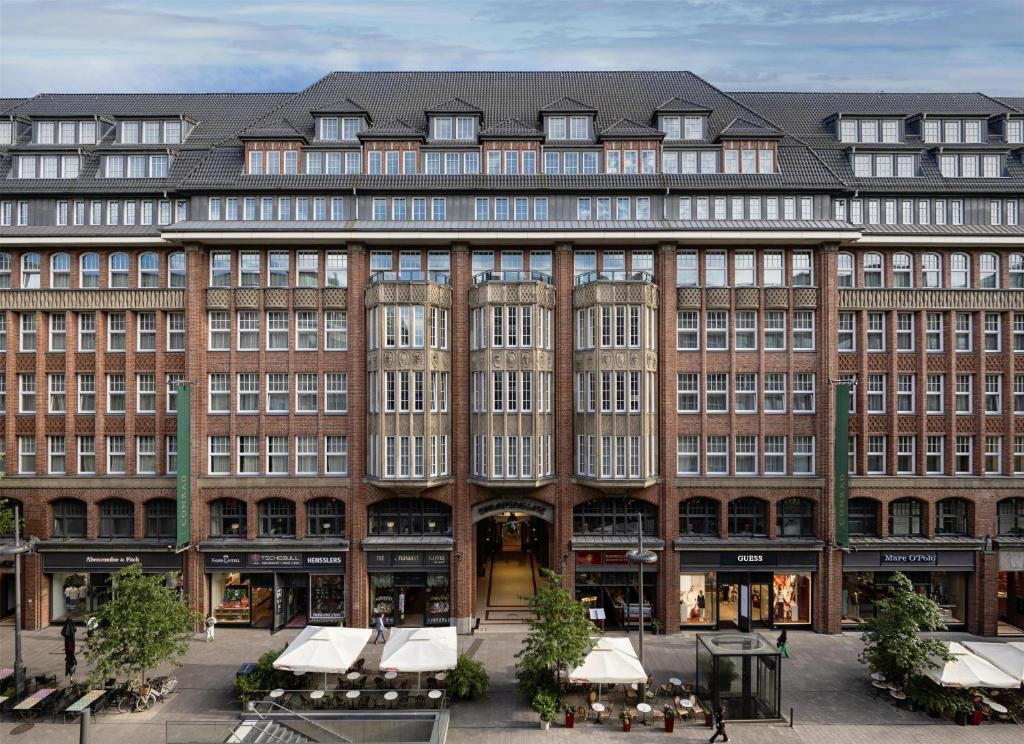
Approach Bugenhagenstraße 8 on a weekday evening and Hamburg's financial district has already begun its shift from business to leisure. The street sits within walking distance of the Hauptbahnhof and the Mönckebergstraße retail corridor, but its restaurant strip operates at a different register, quieter, more considered, less concerned with foot traffic. GRETA OTO fits that rhythm. The room does not announce itself through a grand facade.
Hamburg's dining scene has spent the past decade consolidating around a recognisable set of poles. At one end sit tasting-menu flagships with multi-Michelin recognition: Restaurant Haerlin, running creative French technique through a classical lens, and The Table Kevin Fehling, whose €€€€ counter format has made it among the more discussed rooms in the city. At the other end, neighbourhood-rooted kitchens work German and European vernacular at lower price points. GRETA OTO holds a position somewhere in that mid-to-upper corridor, drawing a consistent audience that skews toward ingredient-literate regulars rather than occasion diners.
The Sourcing Frame and Why It Matters Here
In German fine dining, sourcing rhetoric has become both ubiquitous and, in many rooms, functionally hollow. The more interesting question is what a kitchen actually does when ingredient provenance stops being a menu footnote and becomes a structural constraint. Rooms that take sourcing seriously tend to build their repertoire around what is available, which means shorter lead times on menu changes, less room for centerpiece dishes that depend on imported or out-of-season product, and a greater reliance on preservation technique to extend the range of what is on the table at any given moment.
This approach has broader German precedent. Kitchens like ES:SENZ in Grassau and Schwarzwaldstube in Baiersbronn have built reputations partly on their relationship to regional supply chains, treating geography as a creative parameter rather than a marketing posture. Hamburg's port-city character adds a specific dimension to this: the city has historically been a point of import and exchange, and its better kitchens have long negotiated between local Northern German produce and the broader European supply that flows through one of the continent's busiest harbours. A kitchen that engages seriously with sourcing in Hamburg is, in effect, making an argument about what the city actually tastes like when its larder is taken at face value.
GRETA OTO's address places it in proximity to the commercial centre, but the kitchen's orientation appears to look outward from the city's industrial food geography toward something more deliberate. What the room's positioning does suggest is a preference for kitchens where the supply chain is a subject of the cooking, not an afterthought to it.
Hamburg's Competitive Set and Where GRETA OTO Sits
The relevant comparison tier for GRETA OTO is not the three-star Hamburg rooms but the generation of kitchens operating in the €€€ to €€€€ range with a specific culinary argument to make. In that bracket, bianc works modern Mediterranean across a €€€€ format, while Lakeside leans into the German lakeside idiom with similarly premium positioning. 100/200 Kitchen represents another strand of the city's creative output. These are not interchangeable choices; each operates from a distinct premise, and Hamburg diners in this spending range are making a deliberate selection rather than defaulting to name recognition.
The wider German fine dining circuit provides additional context for understanding where ingredient-led kitchens sit in the hierarchy. Aqua in Wolfsburg, Vendôme in Bergisch Gladbach, and Victor's Fine Dining by Christian Bau in Perl represent the country's established upper tier, with accumulated Michelin recognition that anchors their market position clearly. Waldhotel Sonnora in Dreis and Schanz in Piesport add further reference points for how German kitchens build long-term credibility through consistency rather than novelty cycles. Internationally, Le Bernardin in New York City offers a useful parallel for how an ingredient-first philosophy, in that case, fish above all else, can define an entire room's identity across decades.
Hamburg's own scene benefits from density: enough serious kitchens to create genuine competition, few enough that a new room with a clear argument gets noticed. For those building a longer Hamburg itinerary, the full Hamburg restaurants guide maps the wider field.
Planning a Visit
GRETA OTO sits at Bugenhagenstraße 8, 20095 Hamburg, in the city centre district with direct access from the Hauptbahnhof by foot or from Hamburg's U-Bahn network. Phone and current booking details are best confirmed directly through the restaurant's own channels, as contact information and hours are subject to change. For rooms at this tier in Hamburg, booking ahead is recommended, especially for weekends. Diners with allergy requirements should contact the kitchen directly before arrival. For additional comparable experiences in the German market, JAN in Munich, CODA Dessert Dining in Berlin, and Bagatelle in Trier each represent distinct regional approaches worth benchmarking against Hamburg's offer. Atomix in New York City provides an international reference for how tightly argued, supply-conscious tasting formats perform at stronger examples from the market.
Comparable Venues
Comparable venues nearby, for context on price, style, and recognition.
| Venue | Cuisine | Price | Notes |
|---|---|---|---|
| GRETA OTO HamburgThis venue — the venue you are viewing | Modern Latin American | $$$ | Not listed |
| La Sala | Modern International Sharing Plates | $$$ | St. Pauli |
| Kasa | Modern Sicilian | $$$ | Neu Lokstedt |
| Aendrè | Vegan Seasonal Deli | $$$ | Anscharhoehe |
| Il Buco | Traditional Italian Trattoria | $$$ | St. Georg |
| Heimat, Hamburg | Modern German Regional | $$$ | HafenCity |
Recognition history
Dated appearances from independent guides and award organizations, with the underlying list record or original source where available.
Michelin Plate
Michelin · 2026 Michelin Plate
Continue exploring
More in Hamburg
Restaurants in Hamburg
Browse all →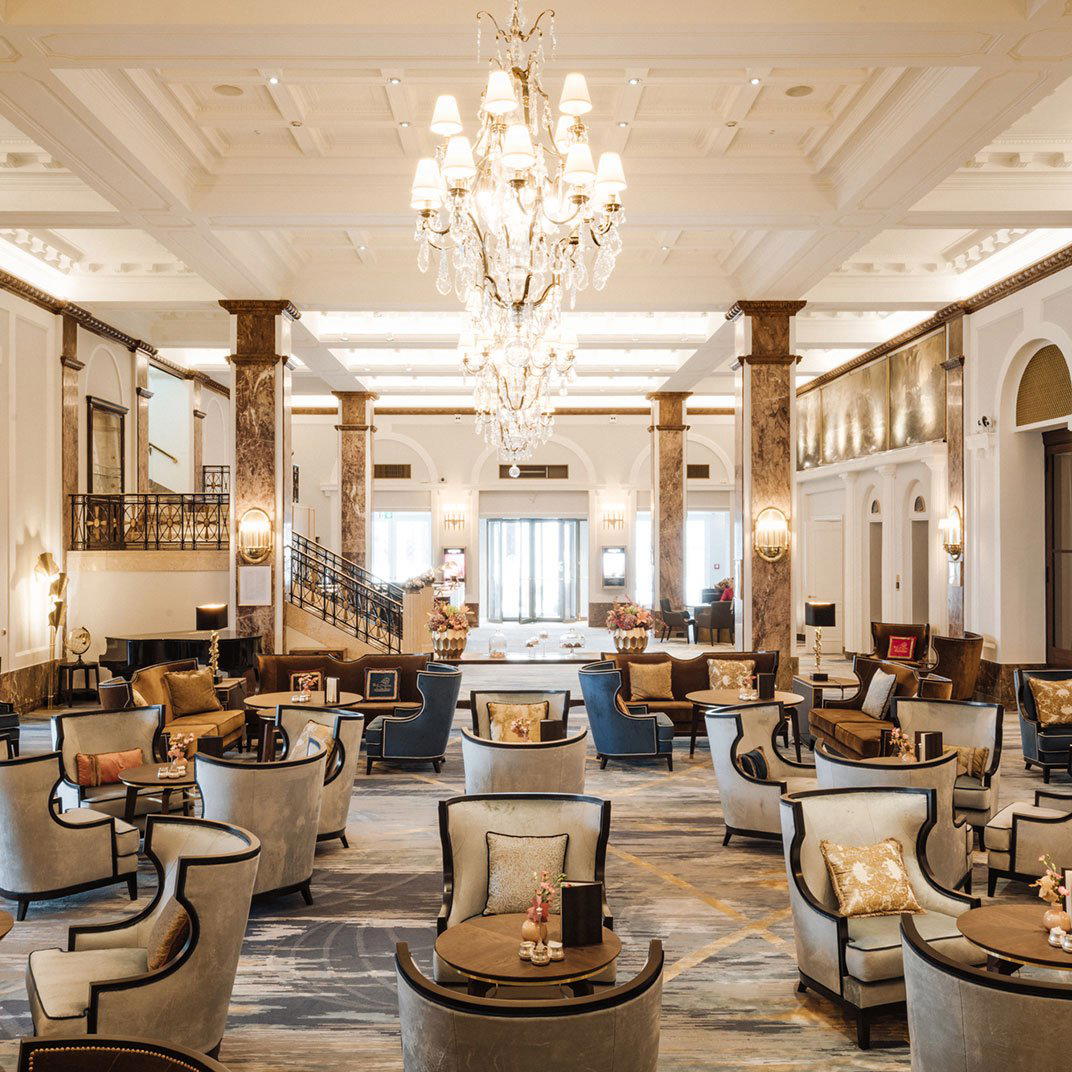
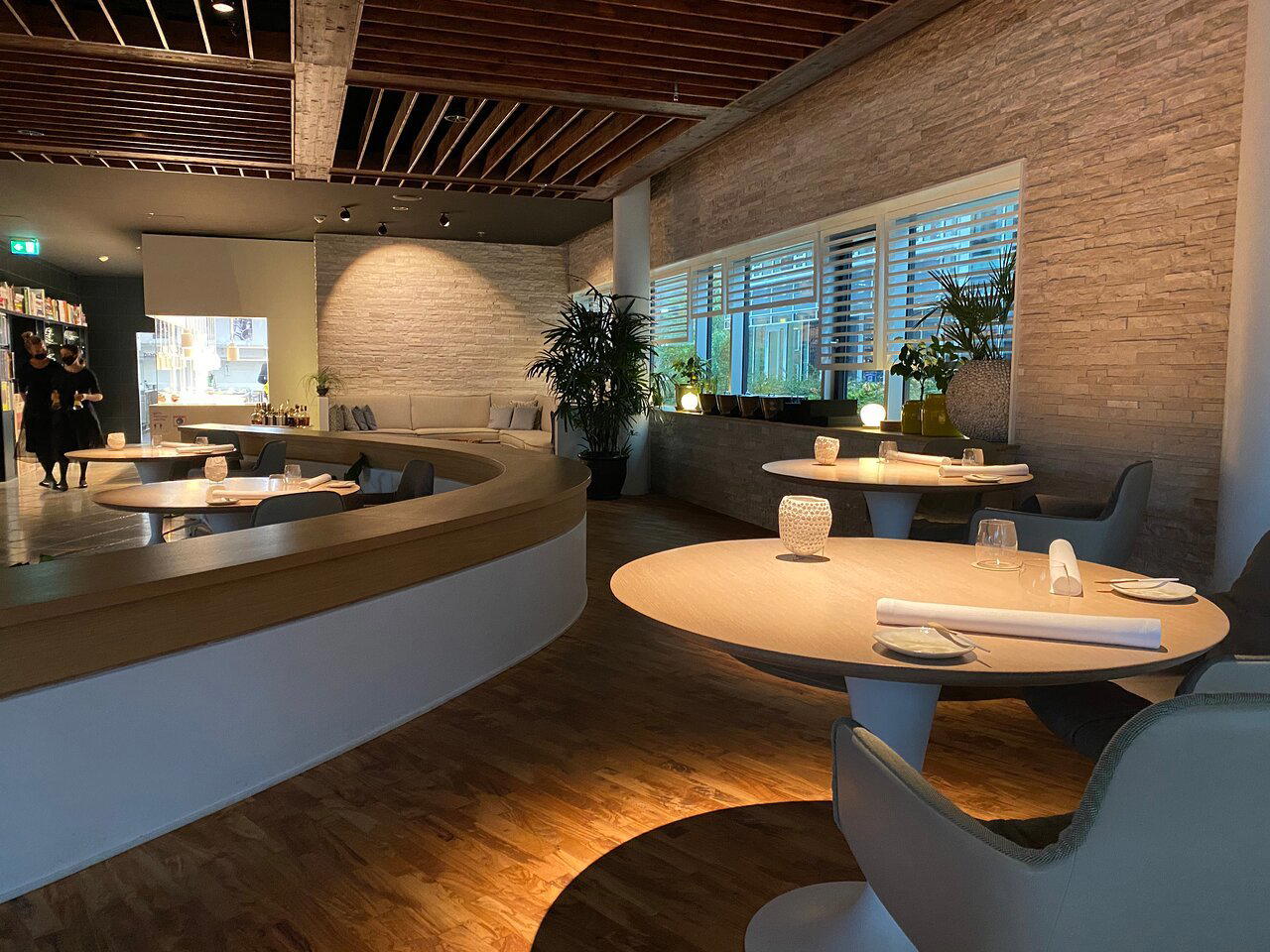
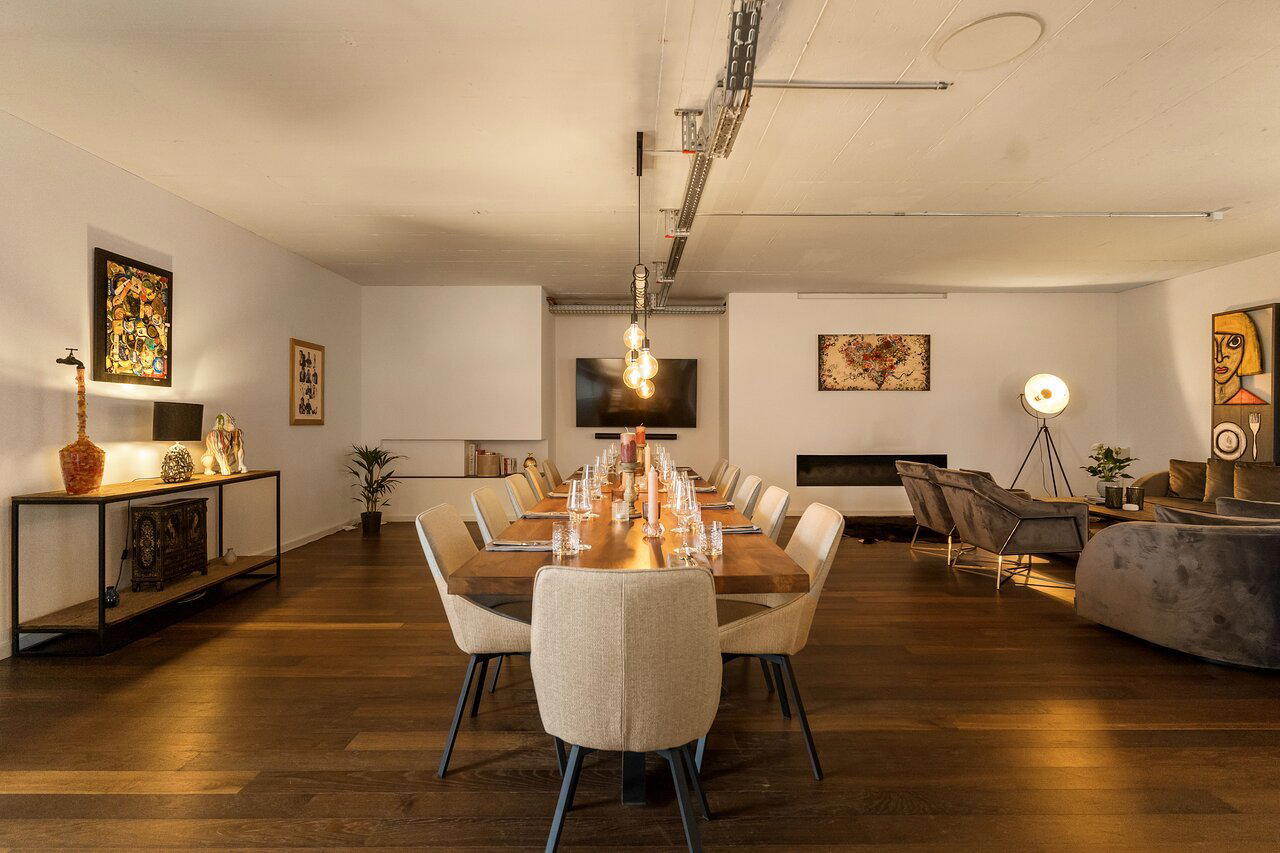
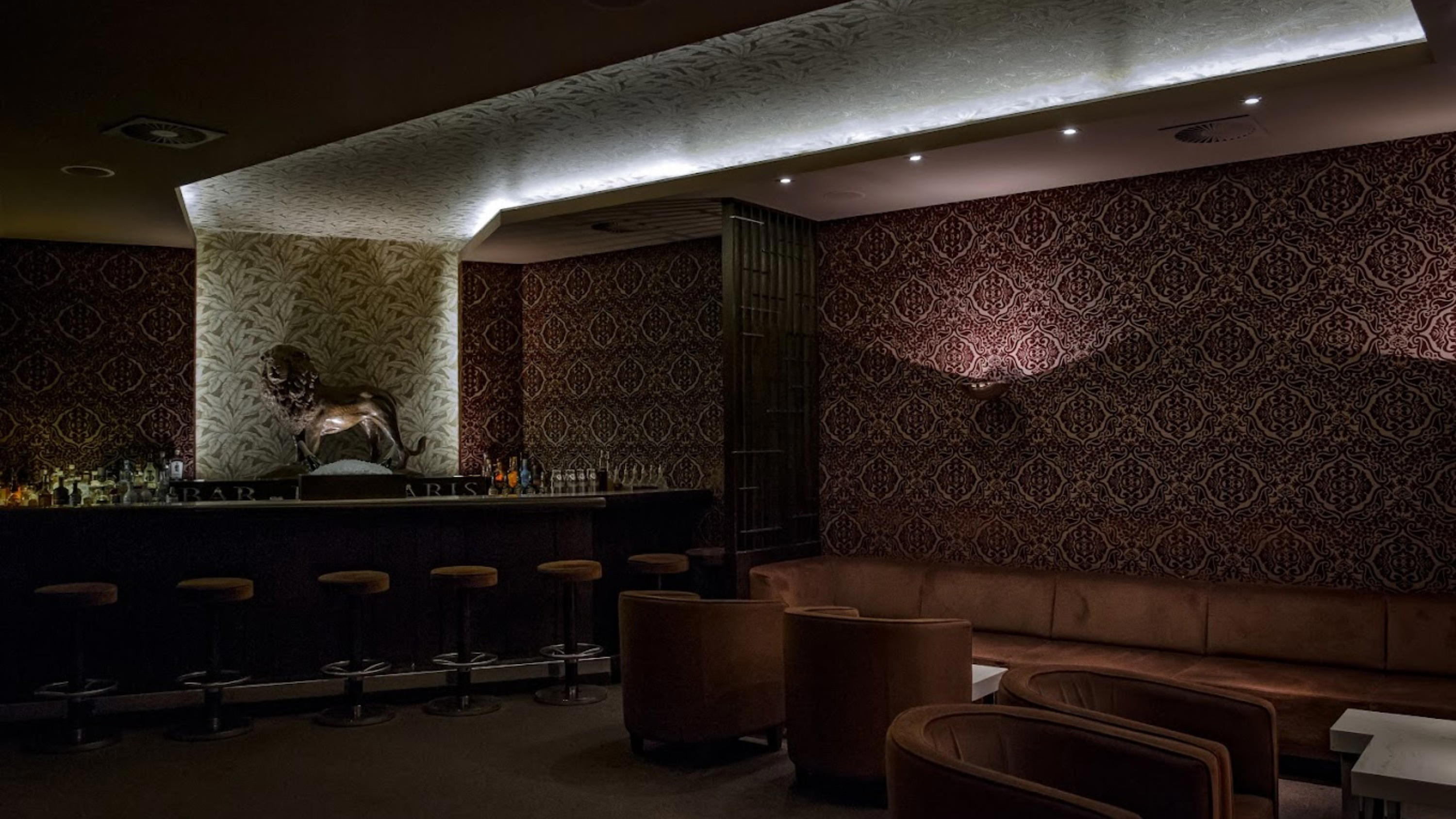
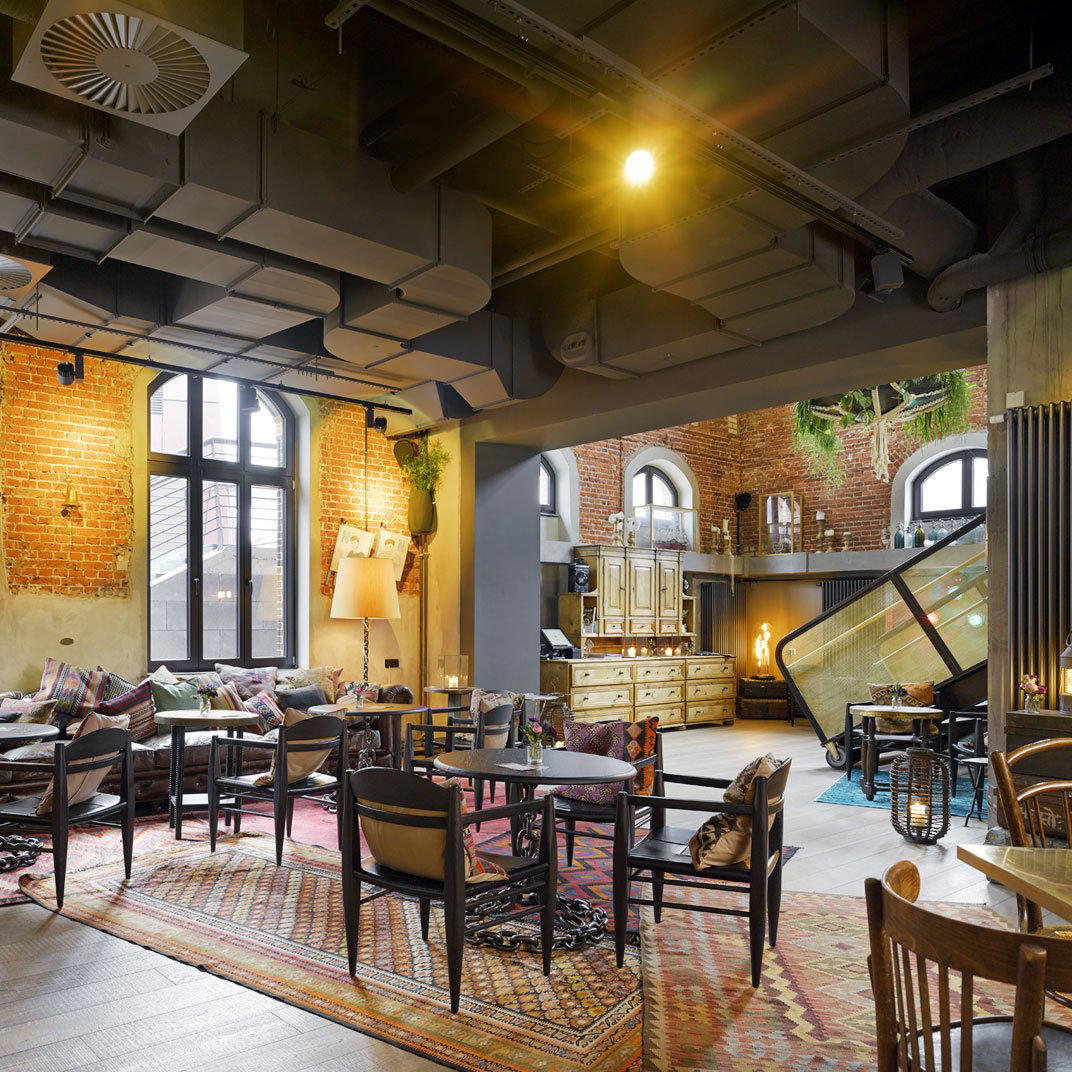
At a Glance
- Lively
- Modern
- Elegant
- Sophisticated
- Date Night
- Group Dining
- Celebration
- After Work
- Late Night
- Terrace
- Open Kitchen
- Hotel Restaurant
- Live Music
- Craft Cocktails
- Extensive Wine List
Current opening hours
- Monday
- 12–2 PM, 6–11 PM
- Tuesday
- 12–2 PM, 6–11 PM
- Wednesday
- 12–2 PM, 6–11 PM
- Thursday
- 12–2 PM, 6–11 PM
- Friday
- 12–2 PM, 6–11 PM
- Saturday
- 6–11 PM
- Sunday
- 6–11 PM
Hours can change for holidays and private events. Last verified .
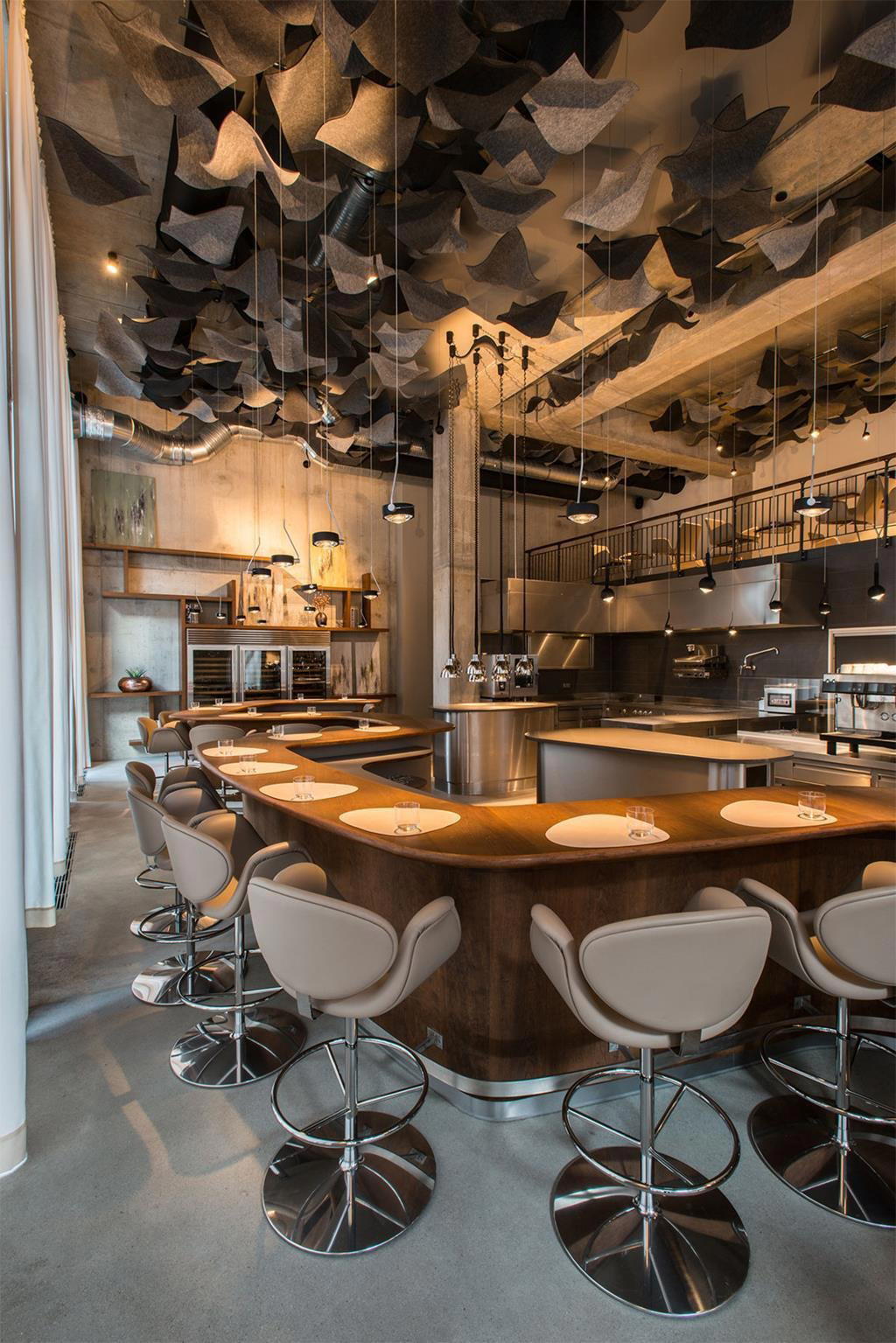
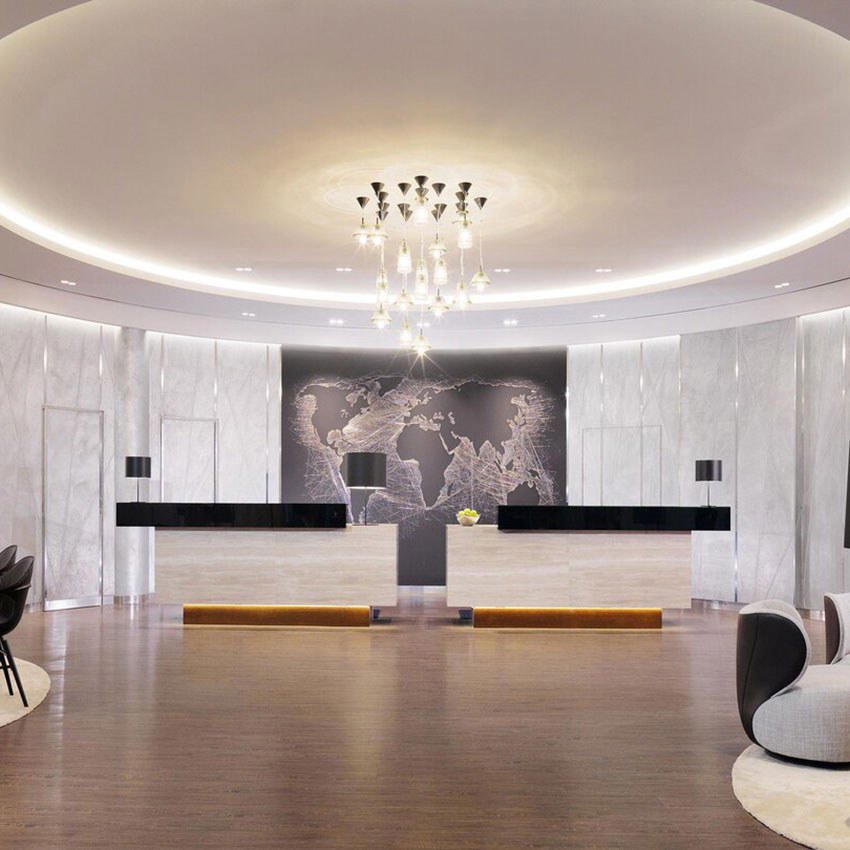
Dynamic and immersive with cosmopolitan elegance, featuring uplifting beats from DJ Naimi on Friday and Saturday nights from 9 PM.