Happening Costanera

Our verdict
Among Buenos Aires's most enduring parrillas, Happening Costanera has held its position on the Río de la Plata since 1965, when Osvaldo and Beba Brucco lit the first fire. Now in its third generation under Lucas Brucco, the riverside address offers wood-fired Argentine beef with the kind of institutional confidence that only six decades of consistent service can produce.

Pearl is the En Primeur Club membership app, where members save venues, book tables and use the concierge.
The menu
What to order
- Bife de Chorizo
- Entrana
- Colita de Cuadril
A Riverside Institution in Buenos Aires Parrilla Culture
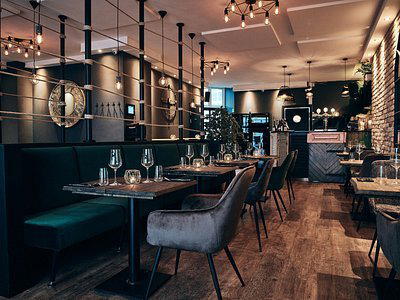
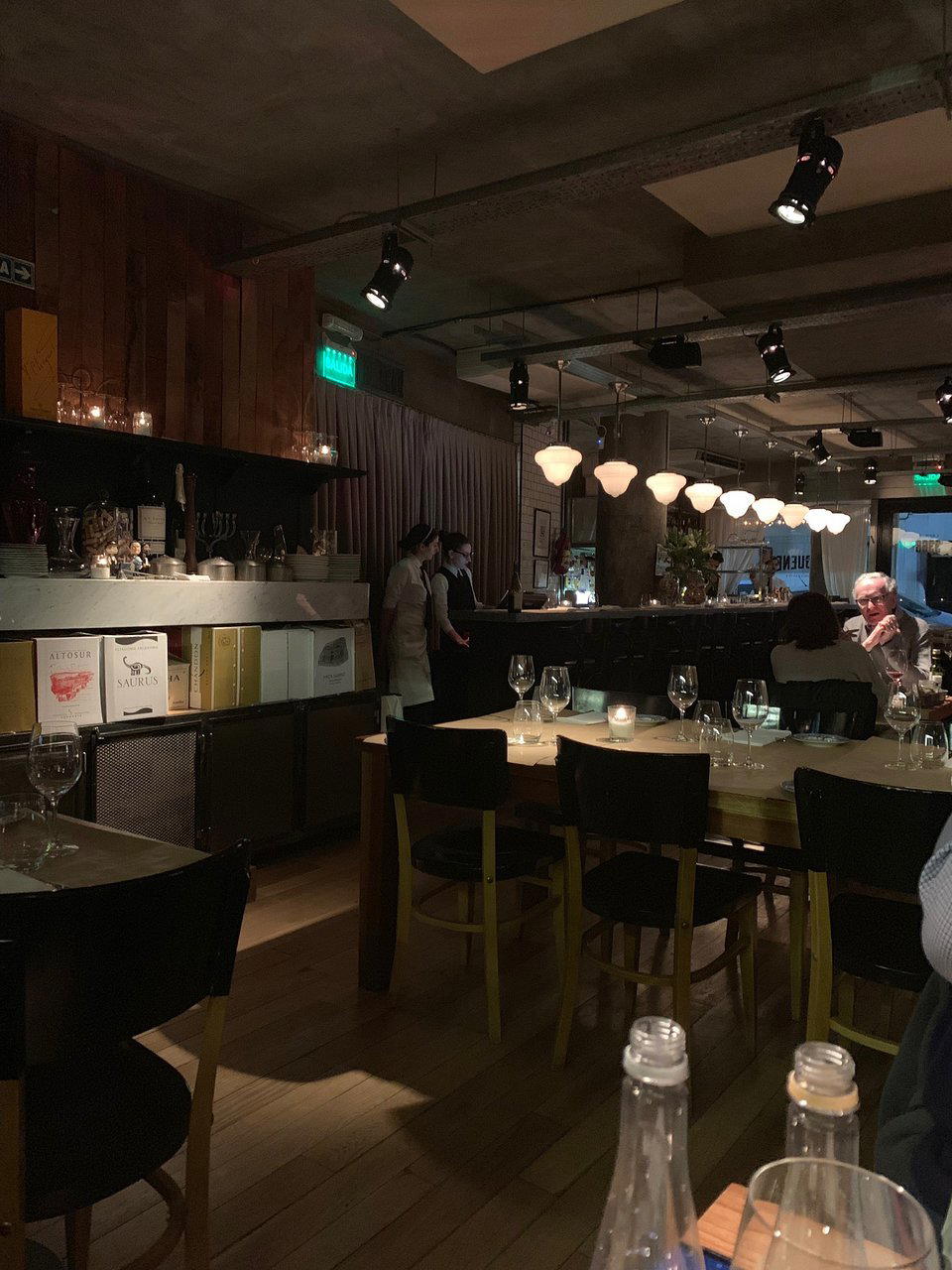
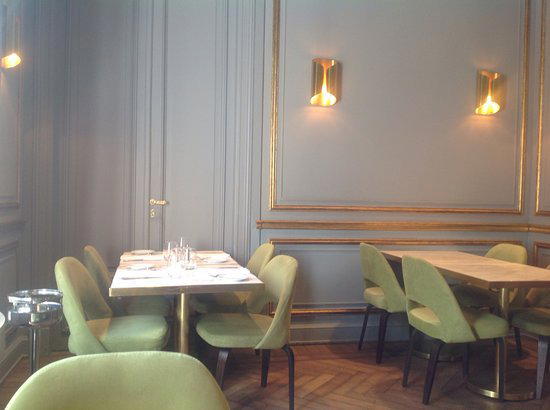
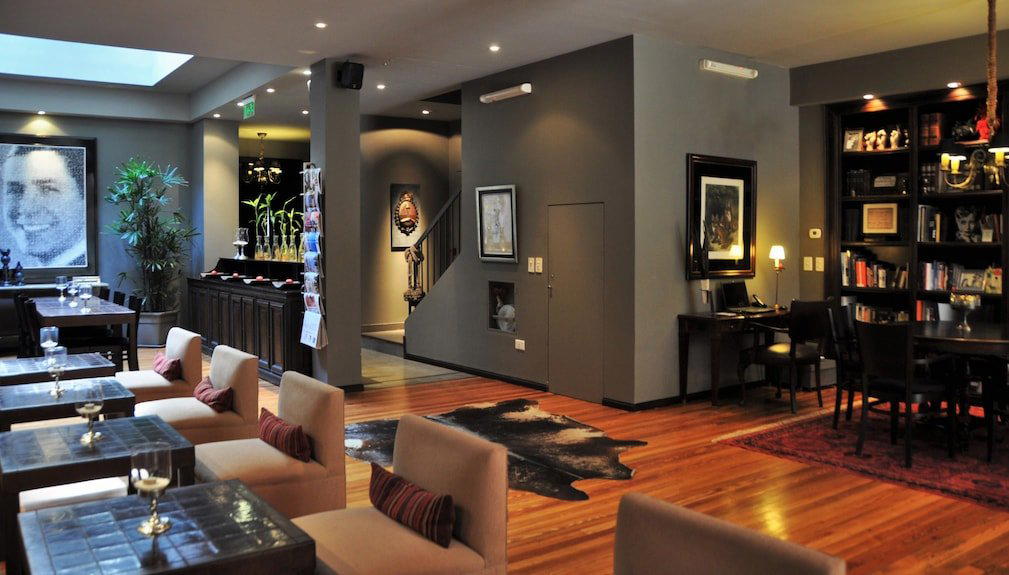
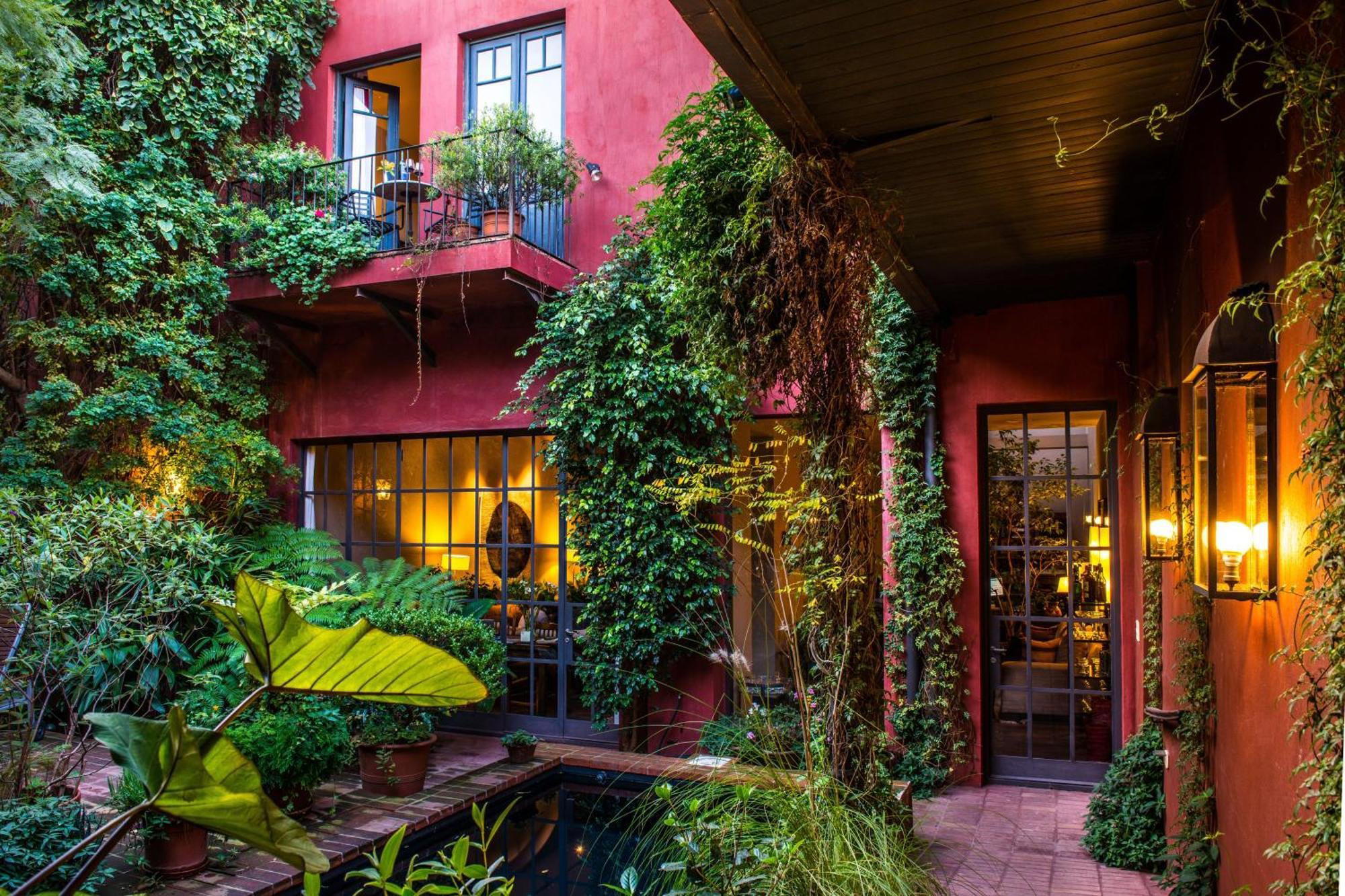
The approach to Happening Costanera sets the register before you reach the door. Av. Costanera Rafael Obligado runs along the northern edge of the city, where Buenos Aires gives way to the wide brown expanse of the Río de la Plata. The smell of wood smoke arrives first. The room, when you enter, carries the particular ease of a place that has never needed to announce itself: broad, unhurried, with views across the water and a rhythm that feels inherited rather than designed. This is a dining room that has absorbed sixty years of Sunday lunches, anniversary dinners and late-evening asados, and it shows in the leading possible way.
Buenos Aires takes its parrillas with a seriousness that outsiders occasionally underestimate. The city has dozens of serious grill restaurants, from the intensely booked Don Julio (Argentinian Steakhouse) in Palermo to the more experimental directions taken by places like Crizia (Contemporary) along the same Costanera strip. Within that competitive field, longevity is not automatically a credential. Buenos Aires diners are too exacting for nostalgia alone to sustain a room. Happening has sustained itself through six decades because the fundamentals have held: beef handled with assurance, a wood-fired grill operated with discipline, and service that runs on institutional memory rather than scripted warmth.
Lunch at Happening: The River, the Light, and the Long Table
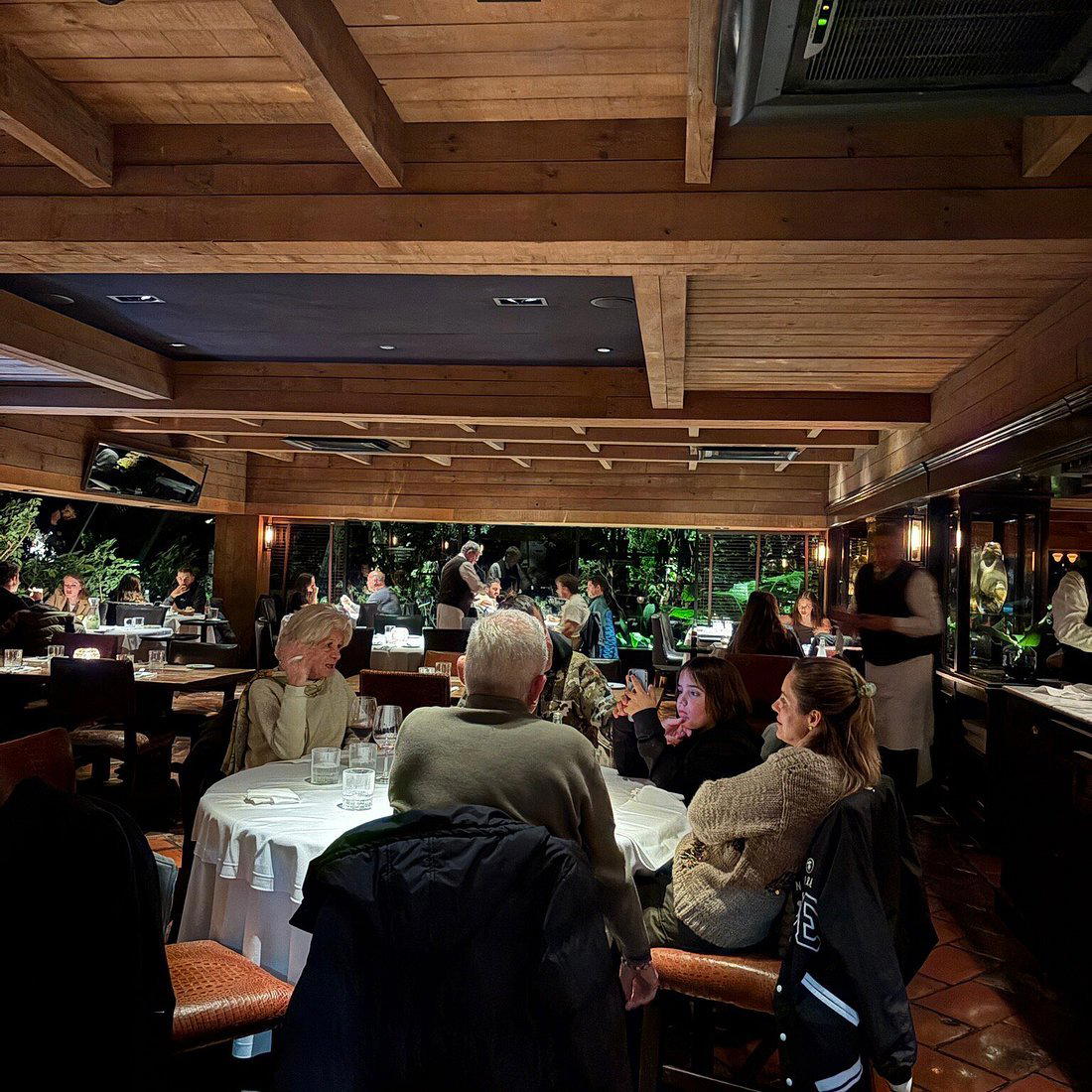
The lunch service at Happening Costanera operates in a different key from the evening. Midday on the Costanera brings full light off the river, and the room opens up accordingly. Families account for a substantial portion of weekend lunch covers, and the pace is deliberately generous, the kind of extended midday meal that Argentine culture has always protected and that faster-format dining has eroded elsewhere in the city. A long lunch here is less a restaurant experience than a social institution, a gathering format that predates the restaurant itself and which the room accommodates without strain.
The parrilla culture of Buenos Aires has always placed the weekend asado at the center of family life, and Happening's lunch service essentially translates that domestic ritual into a professional setting. The wood-fired grill is the anchor. Argentine beef, approached through dry-ageing, is cooked with the directness the tradition demands: no reduction sauces layered over the cut, no elaboration that obscures the quality of the raw material. The fire does the work. That clarity of approach is a statement of confidence that takes years to earn and which separates the serious parrillas from the merely competent ones. For context on how this compares to other serious Argentine dining options, our full Buenos Aires restaurants guide maps the wider scene.
Evening Service: A Different Atmosphere, the Same Fire
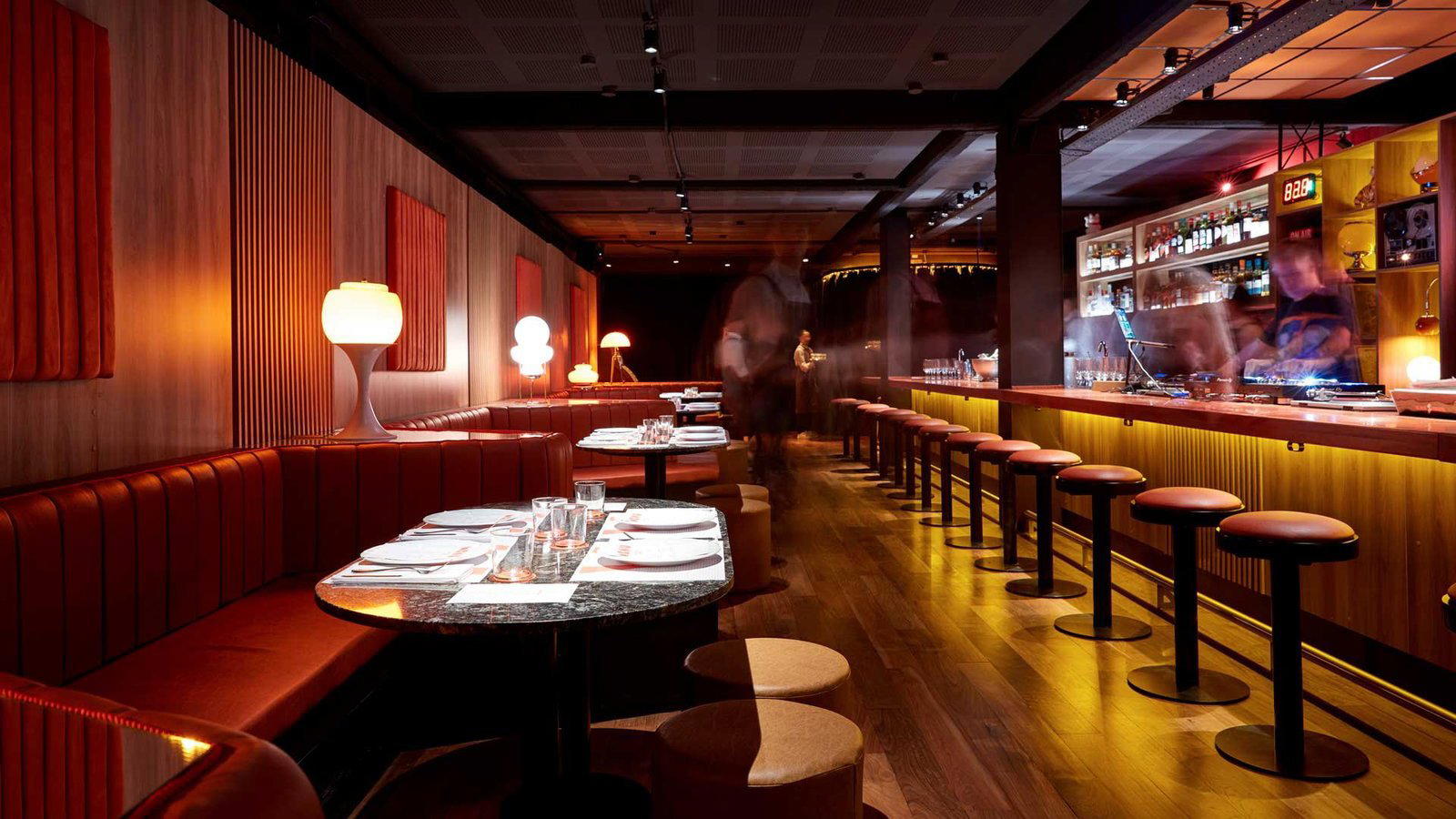
By evening, the room shifts in mood. The river disappears into darkness and the light inside the restaurant becomes the reference point. Dinner at Happening draws a different demographic mix than lunch: couples, business tables, visitors staying in the northern barrios. The service pace tightens slightly, not in a way that feels hurried, but in the manner of a room that understands the difference between a three-hour Sunday lunch and a weeknight dinner. Many members of the front-of-house team have been with the restaurant for years, some for decades, and that continuity produces a floor that reads its tables rather than processing them.
The evening menu remains anchored in the same fundamentals as lunch, but the framing shifts. Where the midday service leans into the communal and the generous, dinner at Happening carries a slightly more composed register. The balance and presentation of the wider offering reflects an awareness of contemporary expectations that sits alongside, rather than against, the restaurant's traditional core. Restaurants working in the creative end of Buenos Aires dining, including Trescha (Modern Cuisine) and Aramburu (Modern Argentinian, Creative), have moved the conversation about Argentine cuisine into more experimental territory. Happening occupies a different position in that conversation, one grounded in the argument that restraint and consistency are their own form of ambition.
Three Generations and the Weight of Continuity
Founded in 1965 by Osvaldo and Beba Brucco, Happening has now passed through three generations of the same family. Lucas Brucco represents that third generation, and the restaurant under his guidance maintains the original framework while acknowledging that a dining room unchanged in sixty years would be a museum rather than a restaurant.
That kind of family continuity is rarer in Buenos Aires than the city's parrilla culture might suggest. Many of the restaurants that defined the Costanera's reputation in earlier decades have closed or changed hands. For those exploring Argentine dining beyond the capital, comparable institutions in other registers can be found at La Bamba de Areco in San Antonio de Areco and, further afield, at wine country tables like Azafrán in Mendoza and Cavas Wine Lodge in Alto Agrelo.
Planning Your Visit
Happening Costanera sits at Av. Costanera Rafael Obligado 7030, in the northern stretch of Buenos Aires along the river. The location is accessible by taxi or remís from Palermo and the city center, with a journey of around fifteen to twenty minutes depending on traffic. Weekend lunch is the busiest service, and advance reservations are advisable for groups and for tables with river views. Those looking to compare the Costanera dining scene without crossing to the other side of the city should note that Crizia (Contemporary) and Anafe (Contemporary) offer different registers along the same northern axis. For visitors spending time in Buenos Aires and calibrating their parrilla choices, a useful reference set runs from the neighborhood-format El Preferido de Palermo at one end of the price spectrum to the full-commitment booking exercise that Don Julio (Argentinian Steakhouse) now requires at the other. Happening sits between those poles in terms of booking difficulty, but closer to the leading in terms of institutional weight.
Frequently asked questions
Where is Happening Costanera located?
Happening Costanera is located at Av. Costanera Rafael Obligado 7030, C1428 Cdad. Autónoma de Buenos Aires, Argentina, Buenos Aires.
What kind of recognition has Happening Costanera received?
Happening Costanera has received recognition including: Six decades of fire, family and enduring Argentine hospitality Overlooking the Río de la Plata, Happening Costanera remains one of Buenos Aires’s most enduring dining institutions - a restaurant whose story is inseparable from the city’s wi….
What dish is Happening Costanera famous for?
The restaurant's reputation rests on Argentine beef cooked over a wood-fired parrilla, with dry-aged cuts at the centre of the menu. Founded in 1965, Happening built its name on the fundamentals of Argentine grilling, direct heat, quality beef, and no ornamentation, and that approach remains the defining feature of the kitchen today.
How hard is it to get a table at Happening Costanera?
As one of Buenos Aires's most established riverside dining addresses, six decades in operation, now in its third family generation, Happening draws both long-time regulars and visitors seeking a reference-point parrilla experience. For weekend lunch, when the river light and the room are at their most animated, booking ahead is advisable. Weekday visits, particularly at dinner, tend to be more accessible.
Just the Basics
| Venue | Cuisine | Price | Awards | Notes |
|---|---|---|---|---|
| Happening CostaneraThis venue (the venue you are viewing) | Traditional Argentine Parrilla | $30–50 | Not listed | Not listed |
| Don Julio | Argentinian Parrilla Steakhouse | $100–150 | 1 Michelin Star · World's 50 Best #10 | Argentinian Steakhouse |
| Aramburu | Modern Argentine Haute Cuisine | $200–300 | 2 Michelin Stars · World's 50 Best #35 | Modern Argentinian, Creative |
| El Preferido de Palermo | Classic Italian Bodegón | $50–100 | Michelin Plate · World's 50 Best #24 | Argentinian, Traditional Cuisine |
| Elena | Contemporary Argentinian Steakhouse | $30–50 | Michelin Plate · Star Wine List | South American, Steakhouse |
| La Carniceria | Modern Argentine Parrilla | $30–50 | Michelin Plate | Argentinian Steakhouse, Meats and Grills |
Recognition history
Dated appearances from independent guides and award organizations, with the underlying list record or original source where available.
World's Best Steaks 101 Best Steak Restaurants #82
World's Best Steaks