
A Michelin Bib Gourmand recipient in 2024 and 2025, Hao Sheng sits in Xuhui's quieter residential grid on Guangyuan Road, where the Shanghainese comfort-food tradition runs deeper than the city's high-profile fine-dining circuit.
Pearl is the En Primeur Club membership app — saves, bookings, and concierge access live there. Same editors, same standards.
- Address
- 156 Guangyuan Rd, Xuhui District, Shanghai, China, 200030
- Phone
- +86 21 6282 6446
- Website
- viamichelin.com
 Saves & bookings on Pearl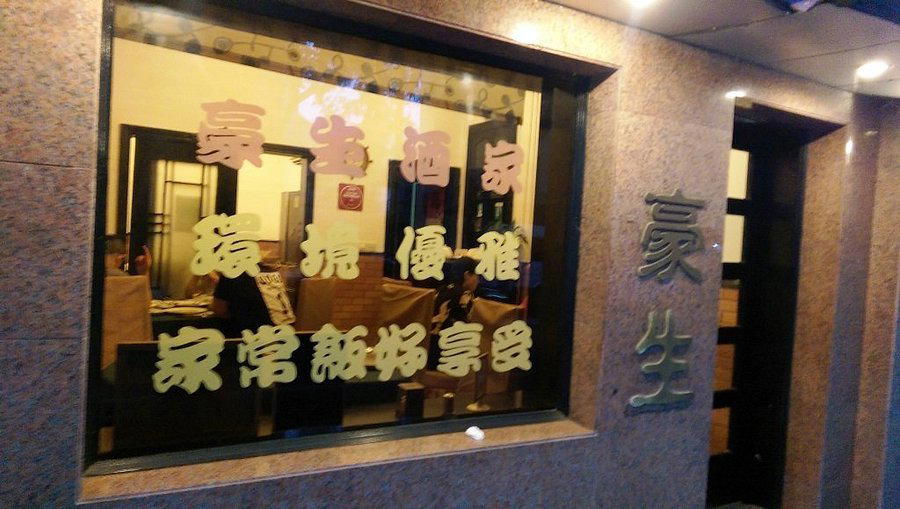
Guangyuan Road and the Shanghainese Neighbourhood Restaurant
Xuhui District keeps two faces. One is the commercial sweep of Huaihai Road; the other is the quieter residential grid behind it, where sycamore-lined lanes feed into small blocks of lane houses and low-rise local commerce. Guangyuan Road sits in the latter zone, and arriving at number 156 feels correspondingly untheatrical. There is no marquee entrance, no valet pull-up, no imported stone facade. The signal that something is here is the crowd itself: regulars who treat the walk-in as a given, the kind of local density that accumulates around places that earn repeat business on the food alone.
That dynamic is not distinctive to Hao Sheng, but it is a reliable marker of a specific tier of Shanghainese restaurant: the neighbourhood operation that punches above its price point, builds a local following before any external recognition arrives, and then finds Michelin's Bib Gourmand confirming what regulars already knew. Hao Sheng received that designation in both 2024 and 2025, placing it in a category the guide reserves for restaurants offering what it describes as good cooking at a moderate price. In Shanghai, where the Bib Gourmand list spans everything from Sichuan-inflected noodle counters to Cantonese-leaning dim sum rooms, landing the recognition twice in succession for Shanghainese cooking is a meaningful signal about consistency.
What Shanghainese Cooking Means at This Price Point
The Shanghainese tradition is often described in shorthand as benbang cai, the indigenous cooking of the Shanghai region, built around freshwater fish and seafood, slow-braised meats cooked with soy and sugar, and a repertoire of cold appetisers that function almost as their own sub-cuisine. The flavour register leans sweet relative to most Chinese regional styles: red-braised pork, sticky-sauced eel, hairy crab in season, and the cold-dressed salted meats that open a proper Shanghainese meal. It is a cuisine of patience rather than technical spectacle, which makes it harder to read from a distance and easier to appreciate once you are eating it.
The ¥¥ pricing at Hao Sheng places it well below the formal Shanghainese dining tier, where restaurants like Fu 1088 operate in fully restored heritage villas and price accordingly, or where Fu 1015 and Fu 1039 serve the same tradition in more curated formats. It also sits at a different point in the market than Lao Zheng Xing, the century-old institution on Fuzhou Road that carries its own weight of historical authority. What the Bib Gourmand tier offers instead is Shanghainese cooking made accessible without being diluted, the cuisine in something close to its workaday form, prepared with enough care to earn external recognition.
Across the city, the same cuisine appears in different registers. Cheng Long Hang (Huangpu) represents another address in the conversation; the diversity of approaches within what is nominally the same tradition is one of the more interesting things about eating Shanghainese food seriously in Shanghai. The commonality is the reliance on ingredient quality over complexity, and the demand that braised and slow-cooked preparations be executed with real precision.
The Atmosphere at Table
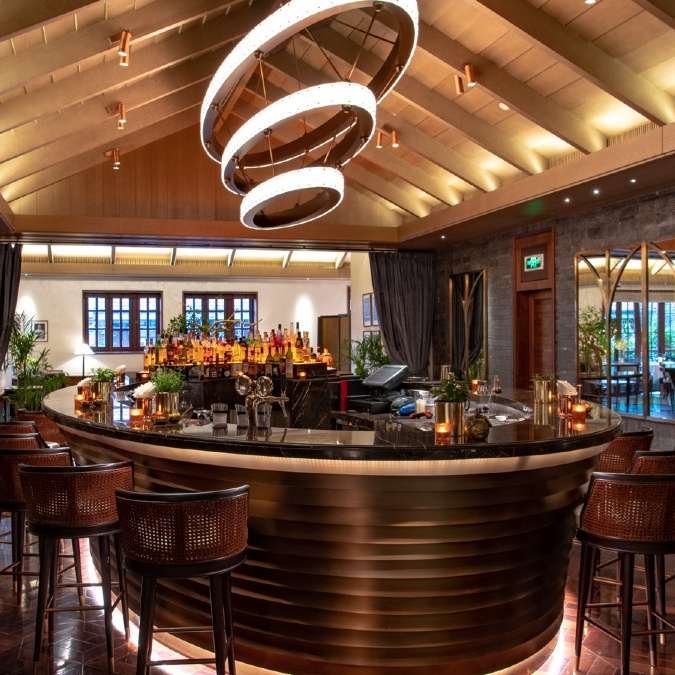
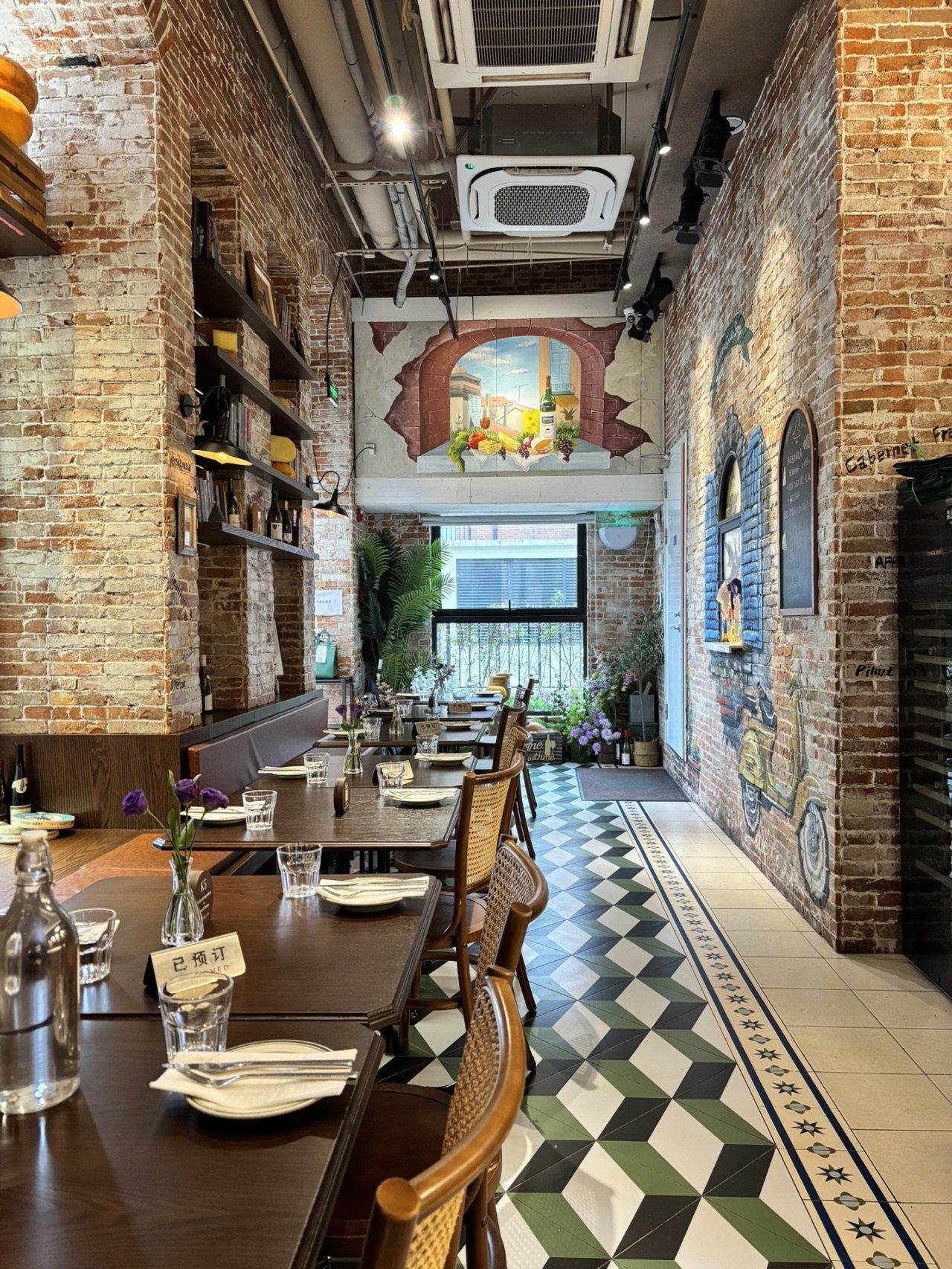
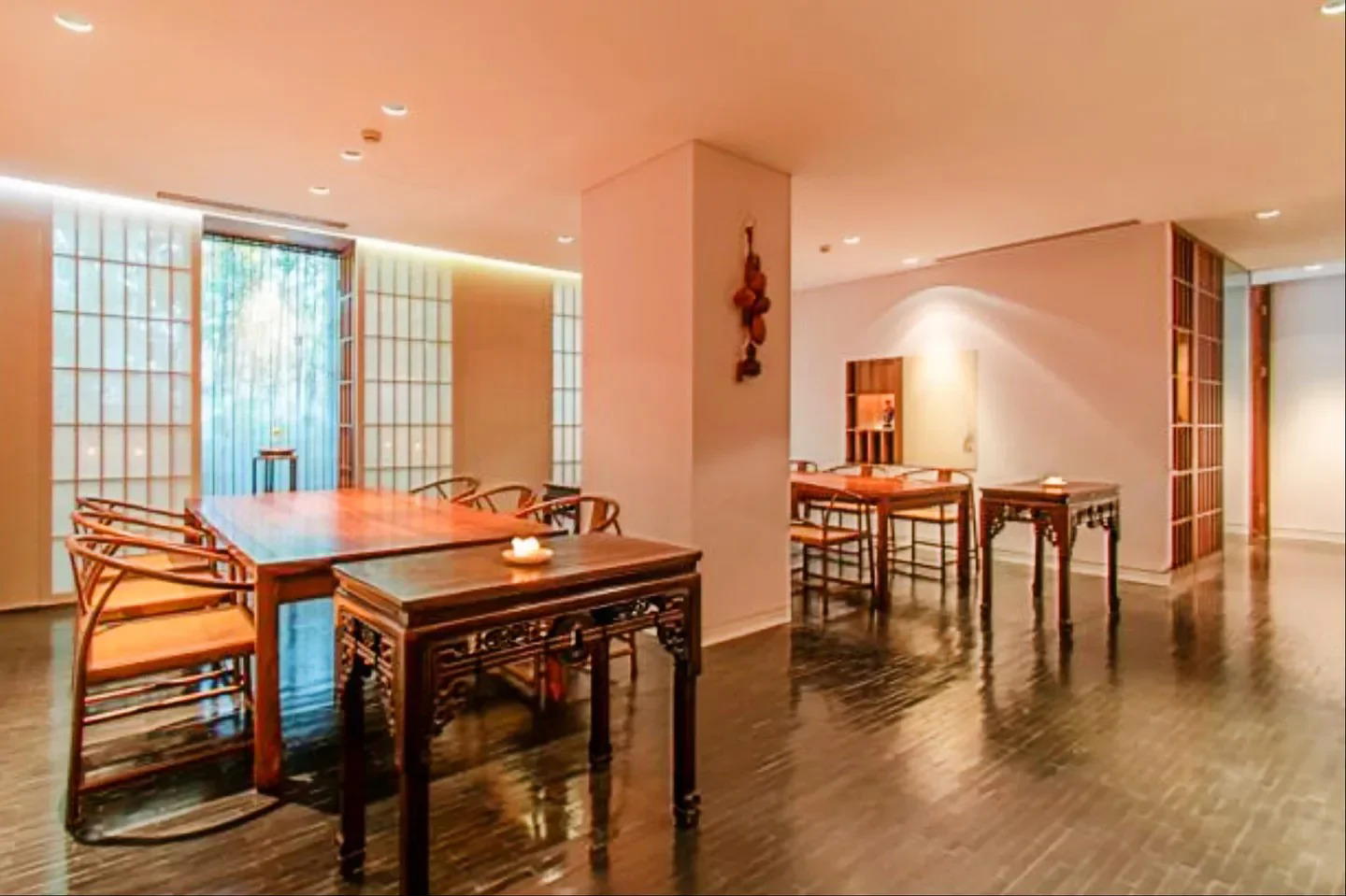
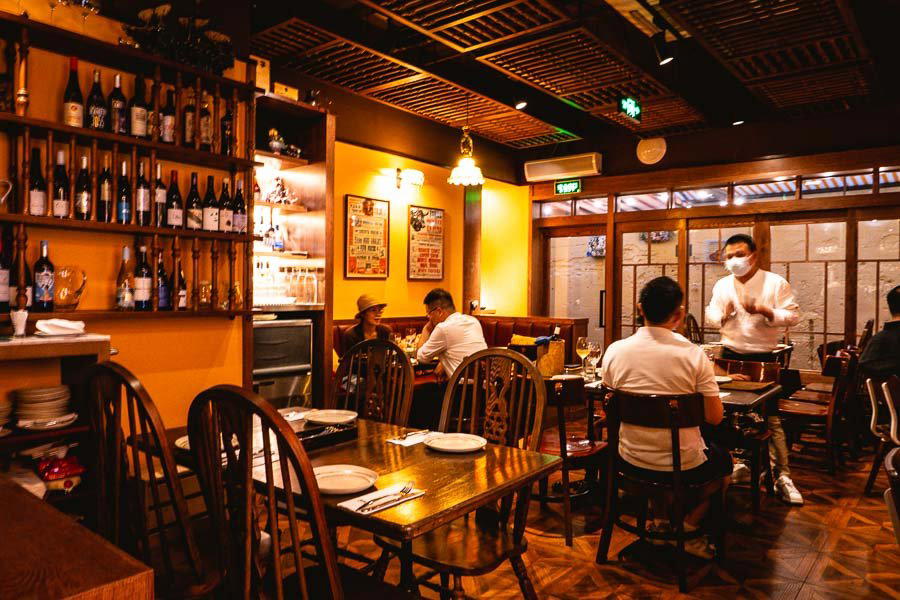
At the ¥¥ tier, the atmosphere of a Shanghainese neighbourhood restaurant tends toward the functional: tables set close, turnover brisk at peak hours, the sound register shaped by the conversations of regulars rather than by any designed acoustic programme. What the setting communicates, in a way that a dressed-up dining room cannot replicate, is that the food is the point. The experience at the restaurant is shaped by a room where people come to eat rather than to perform an occasion, which is exactly the context in which Shanghainese comfort cooking works well. The braised dishes arrive as they should: unhurried, glossy, deeply coloured from slow cooking rather than heavy-handed seasoning.
8 from reviewed visits reflects the kind of sustained satisfaction that comes from a kitchen producing the same dishes at the same level across many covers. At a neighbourhood restaurant without a celebrity chef name or a hospitality group behind it, that kind of score represents reliable execution rather than one strong meal skewing the average.
How Hao Sheng Sits in a Wider Regional Frame
Shanghainese cooking has been exported across China and into Chinese diaspora communities globally, but the versions that travel are often simplified. The full register of the tradition, including the cold starters, the seasonal hairy crab preparations, the proper red-braised pork cooked over multiple hours, is leading encountered close to its source. In other Chinese cities, Shanghainese restaurants occupy a niche position: Shanghai Cuisine in Beijing serves the tradition for northern audiences, and Liu Yuan Pavilion in Hong Kong holds a similar position for Cantonese-dominant dining scenes.
Beyond Shanghainese cooking specifically, the broader context of serious Chinese regional dining across the country includes addresses like Xin Rong Ji in Beijing, Xin Rong Ji in Chengdu, Ru Yuan in Hangzhou, Chef Tam's Seasons in Macau, Imperial Treasure Fine Chinese Cuisine in Guangzhou, and Dai Yuet Heen in Nanjing, each demonstrating how much variation exists within what international audiences sometimes flatten into a single category.
Planning a Visit
The restaurant is at 156 Guangyuan Road in Xuhui, reachable from the Jiashan Road metro station on Line 9. The ¥¥ price point makes it approachable for most visit profiles, and the Bib Gourmand status means demand is higher than the address alone would suggest. Arriving during off-peak hours, either in the early lunch window or before the main dinner rush, is the more practical approach for those without a reservation. Reservations are essential.
A Tight Comparison
Comparable venues nearby, for context on price, style, and recognition.
| Venue | Cuisine | Price | Notes |
|---|---|---|---|
| Hao ShengThis venue — the venue you are viewing | Xujiahui, Home-style Shanghainese | $$ | Not listed |
| Nanxiang Steamed Bun (Yuyuan Road) | Not listed | $$ | Yuyuan Garden, Traditional Shanghai Xiao Long Bao |
| Shanghai | Not listed | $$ | Huangpu, Shanghai (Haipai) Cuisine |
| Yu Ge Zhanjiang (Jingan) | Dabazi, Zhanjiang Cantonese | $$ | Not listed |
| Ho Hung Kee | Not listed | $$$ | Huangpu, Hong Kong-Style Cantonese Wonton Noodles |
| Gong De Lin (West Nanjing Road) | Not listed | $$ | Huangpu, Traditional Shanghainese Vegetarian |
Recognition history
Dated appearances from independent guides and award organizations, with the underlying list record or original source where available.
Michelin Bib Gourmand
Michelin
Michelin Bib Gourmand
Michelin
At a Glance
- Cozy
- Intimate
- Classic
- Family
- Casual Hangout
- Private Dining
Current opening hours
- Monday
- 10 AM–9:30 PM
- Tuesday
- 10 AM–9:30 PM
- Wednesday
- 10 AM–9:30 PM
- Thursday
- 10 AM–9:30 PM
- Friday
- 10 AM–9:30 PM
- Saturday
- 10 AM–9:30 PM
- Sunday
- 10 AM–9:30 PM
Hours can change for holidays and private events. Last verified .
Simple, unpretentious decor that feels like a local's home with a cozy, welcoming atmosphere.