
One of Shanghai's longest-standing Buddhist vegetarian institutions, Gong De Lin on West Nanjing Road holds consecutive Michelin Bib Gourmand recognition for 2024 and 2025, signalling consistent value at the ¥¥ price tier. It sits at the accessible end of a city vegetarian scene that otherwise skews toward high-spend tasting menus, making it a reference point for plant-based Chinese cooking at everyday prices.
Pearl is the En Primeur Club membership app — saves, bookings, and concierge access live there. Same editors, same standards.
- Address
- 445 Nanjing Rd (W), People's Square, Huangpu, China, 200003
- Phone
- +86 21 6327 0218
- Directions
- Get directions
 Saves & bookings on Pearl
A Century-Old Discipline in a Modern Food City
Shanghai's vegetarian dining scene has split into two largely separate tiers. At the high end, places like Fu He Hui operate at ¥¥¥¥ price points with tasting-menu architecture, Michelin stars, and an aesthetic that treats plant-based cooking as a canvas for technique. At the other end, a smaller group of establishments traces its practice to Buddhist temple cuisine, food defined not by what it avoids, but by a centuries-old framework of restraint, seasonal sourcing, and ingredient integrity. Gong De Lin on West Nanjing Road sits firmly in that second tradition, and its recent Michelin Bib Gourmand recognition confirms what long-term Shanghai diners have known for decades: the kitchen delivers substantive cooking at a price tier, ¥¥, that remains accessible.
The address, 445 West Nanjing Road, People's Square, Huangpu, places it at the functional heart of central Shanghai rather than in a curated dining precinct. This is a working commercial strip, not a neighbourhood defined by hospitality. Approaching from the People's Square metro exit, the surrounding context is department stores, chain retailers, and the constant pedestrian density that characterises one of China's highest-footfall urban corridors. The restaurant's presence here is deliberate: Gong De Lin has occupied central Shanghai for long enough that its location preceded the city's current dining geography rather than responding to it.
Buddhist Vegetarianism as a Food System Argument
Chinese Buddhist vegetarian cooking predates the contemporary conversation about plant-based diets by roughly a millennium. What Western culinary culture has framed as innovation, reducing animal protein, prioritising vegetables as primary ingredients, building flavour from fermented pastes and slow-cooked stocks rather than from animal fat, is in the Buddhist kitchen tradition a settled practice, not a trend response. Gong De Lin belongs to that lineage, and understanding it through the lens of sustainability requires acknowledging that the environmental argument is, from this tradition's perspective, almost incidental to a deeper ethical and philosophical one.
The food system implications are nonetheless real. A restaurant operating at the ¥¥ price tier with a plant-forward menu that draws from the same seasonal vegetable supply chains that have fed Chinese cities for generations represents a different kind of low-carbon operation than the performative farm-to-table format that commands premium pricing elsewhere. The absence of animal protein from the supply chain removes several of the highest-emission categories from the kitchen's footprint entirely. Braised tofu, mock-meat preparations made from wheat gluten, mushroom-based stocks, and vegetable dishes built around seasonal availability are not compromises within this tradition, they are the tradition.
For diners comparing Shanghai's vegetarian options, this matters. The Lakeside Veggie and Fu He Hui operate within the same broad plant-based category but address different price points and dining intentions. Gong De Lin's value proposition is not that it competes with those kitchens on technique, it is that it maintains a distinct and older culinary identity that neither of them replicates.
What the Bib Gourmand Signals in This Context
Michelin's Bib Gourmand designation marks venues offering good cooking at moderate prices, in Shanghai's context, that typically means meals accessible without the ¥¥¥ or ¥¥¥¥ spend that defines the city's most decorated tables. Consecutive recognition in 2024 and 2025 indicates consistency rather than a single-year anomaly, which in a kitchen operating at this price point is the more meaningful signal. High-end restaurants can absorb variable performance through premium ingredients; ¥¥ operations that sustain inspector attention are generally running tight, disciplined kitchens.
For comparison, the Shanghai Michelin guide covers a wide range of Chinese regional and international formats. 102 House covers Cantonese at a different tier; Taian Table operates at the innovation-led modern European end of the spectrum; Xin Rong Ji (West Nanjing Road) represents premium Taizhou cuisine at a higher price bracket. Gong De Lin occupies its own lane entirely, the only Bib Gourmand-recognised Buddhist vegetarian address at this location and tier.
Institutional restaurants of this type in China tend to draw repeat neighbourhood visitors and culturally motivated diners rather than tourist traffic optimising for social-media visibility.
Where This Fits in a Wider Chinese Vegetarian Geography
Gong De Lin is not singular to Shanghai. The brand has presence across multiple Chinese cities, and the West Nanjing Road location sits within that broader institutional identity. For travellers moving through the region, comparable vegetarian traditions appear in different local expressions: Ru Yuan in Hangzhou draws from the Buddhist culinary heritage of West Lake's temple culture, while Lamdre in Beijing addresses the plant-based category at the capital's price tier. Internationally, Bonvivant in Berlin represents how the vegetarian fine-dining argument translates in a European context, a different tradition but a parallel ambition.
Within Shanghai, the restaurant sits in a city whose dining offer extends well beyond its vegetarian addresses. The broader scene is covered in our full Shanghai restaurants guide, with supplementary coverage across hotels, bars, experiences, and wineries. For regional Chinese dining context beyond Shanghai, Xin Rong Ji in Beijing, Xin Rong Ji in Chengdu, Chef Tam's Seasons in Macau, Imperial Treasure Fine Chinese Cuisine in Guangzhou, and Dai Yuet Heen in Nanjing represent the range of regional Chinese cooking recognised across the Michelin ecosystem.
Planning Your Visit
The restaurant sits at 445 West Nanjing Road, People's Square, Huangpu, accessible directly from the People's Square metro station, which serves Lines 1, 2, and 8, among the more connected transport nodes in central Shanghai. The ¥¥ price tier places it among the more accessible dining options in the immediate area, which otherwise trends toward mid-range and upscale commercial formats. Given the Bib Gourmand recognition and a central location that draws both local regulars and culturally curious visitors, arriving early or at off-peak lunch hours reduces the likelihood of a wait. Booking is recommended, particularly for groups.
A Minimal comparable set
Comparable venues nearby, for context on price, style, and recognition.
| Venue | Cuisine | Price | Notes |
|---|---|---|---|
| Gong De Lin (West Nanjing Road)This venue — the venue you are viewing | Vegetarian | $$ | Not listed |
| Jingmei Wuxi Noodles (Jingan) | Ni Cheng Qiao, Wuxi Noodles | $$ | Not listed |
| Hao Sheng | Xujiahui, Home-style Shanghainese | $$ | Not listed |
| The Lakeside Veggie | Xujiahui, Modern Vegan Chinese | $$ | Not listed |
| Shanghai | Not listed | $$ | Huangpu, Shanghai (Haipai) Cuisine |
| Rongjia Noodles Soup with Yellow Croaker (Jingan) | Huangpu, Yellow Croaker Noodle Soup | $$ | Not listed |
Recognition history
Dated appearances from independent guides and award organizations, with the underlying list record or original source where available.
Michelin Bib Gourmand
Michelin
Michelin Bib Gourmand
Michelin
Michelin Bib Gourmand
Michelin
At a Glance
- Classic
- Well Known
- Family
- Casual Hangout
- Historic Building
- Street Scene
Current opening hours
- Monday
- 7–9 AM, 11 AM–2 PM, 5–10 PM
- Tuesday
- 7–9 AM, 11 AM–2 PM, 5–10 PM
- Wednesday
- 7–9 AM, 11 AM–2 PM, 5–10 PM
- Thursday
- 7–9 AM, 11 AM–2 PM, 5–10 PM
- Friday
- 7–9 AM, 11 AM–2 PM, 5–10 PM
- Saturday
- 7–9 AM, 11 AM–2 PM, 5–10 PM
- Sunday
- 7–9 AM, 11 AM–2 PM, 5–10 PM
Hours can change for holidays and private events. Last verified .
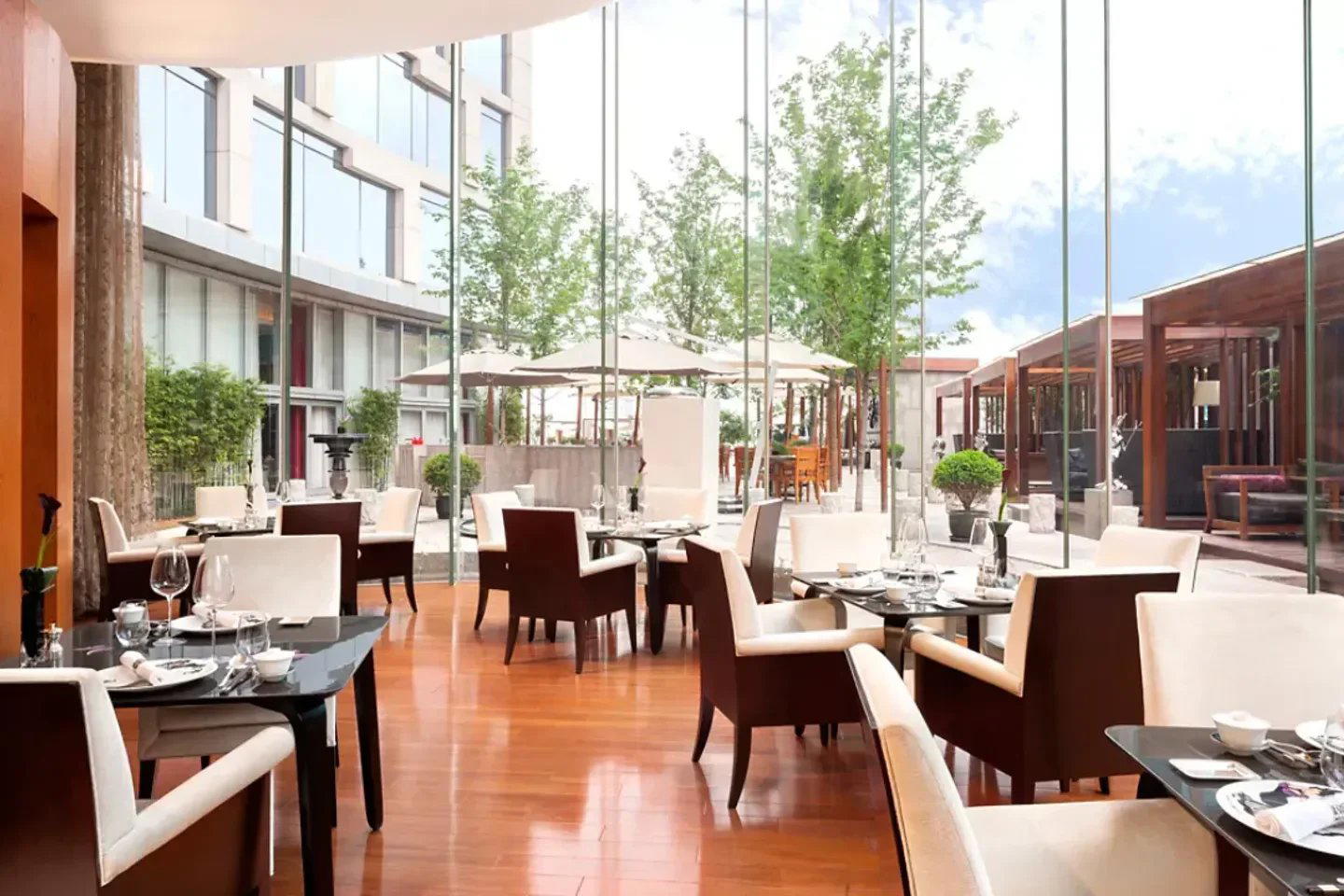
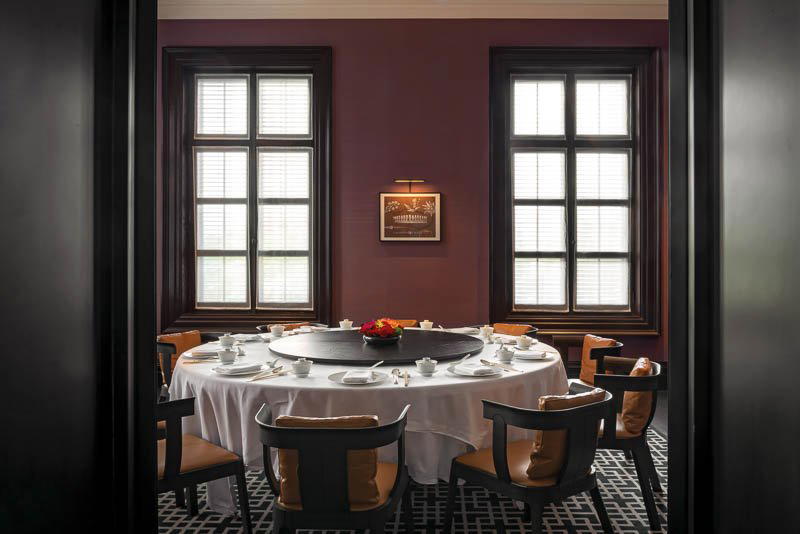
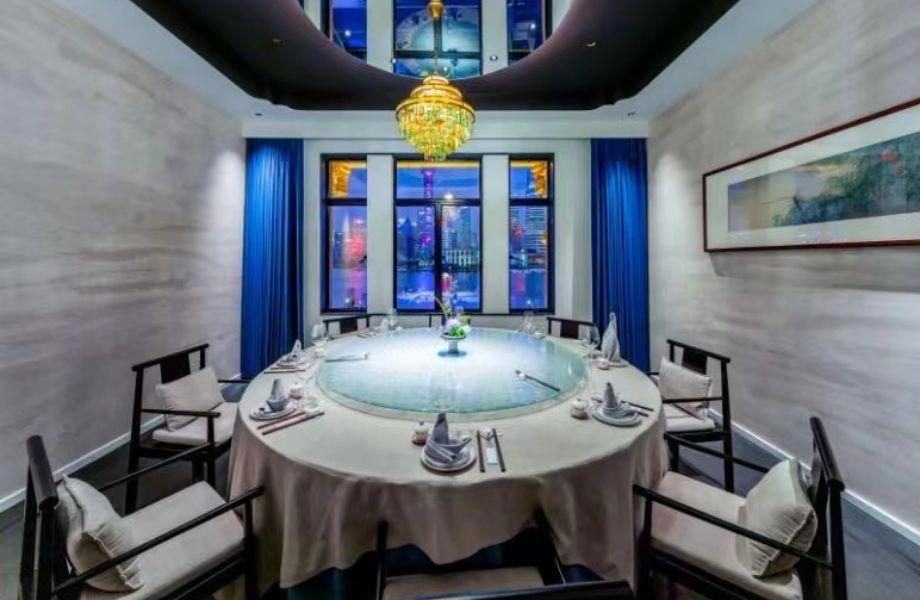
Practical and welcoming with large glass windows allowing street light, dark wood furniture, and restrained decor focused on the plates.