Jing Alley
On Connaught Road Central in Sheung Wan, Jing Alley occupies a stretch of the district where old Hong Kong trading-house architecture meets contemporary dining. The address places it within walking distance of the city's densest concentration of serious restaurants, from long-standing Cantonese institutions to newer European-leaning rooms, making it a practical and considered stop on any Central and Western itinerary.
- Address
- 145 Connaught Rd Central, Sheung Wan, Hong Kong
- Phone
- +85228689801
- Website
- flowerdrum.com.hk
- Directions
- Get directions
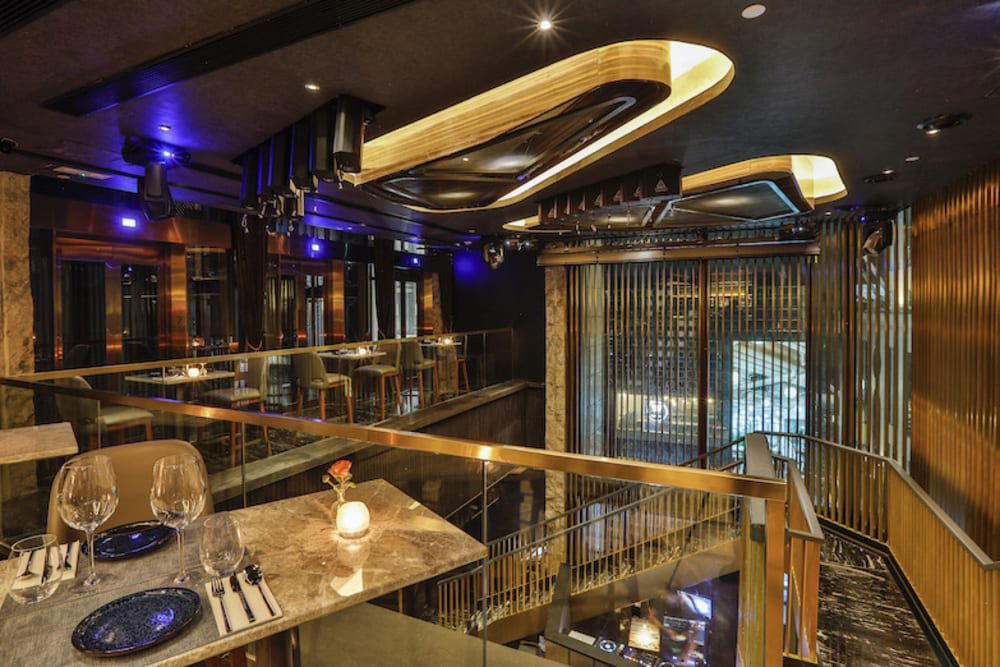
Sheung Wan's Spatial Logic: Where Jing Alley Sits in the District
Sheung Wan has been doing this longer than most Hong Kong neighbourhoods. Before the finance district absorbed the western edge of Hong Kong Island, this was the territory of dried seafood traders, paper merchants, and the kind of low-key commerce that fills narrow streets with purpose rather than spectacle. The dining rooms that have taken root here in the last decade tend to reflect that layered character: spaces that compress a lot of intent into modest square footage, with less emphasis on the theatrical interiors that dominate Central's higher-rent corridors. Jing Alley is a restaurant serving Modern Sichuan with Cantonese Touch at 145 Connaught Rd Central, Sheung Wan, Hong Kong. Jing Alley, at 145 Connaught Road Central, operates within that tradition.
Connaught Road itself runs along the reclaimed waterfront, which means addresses here occupy a curious middle position in the district's topography: close enough to Central's financial core to draw a lunch and after-work crowd, but far enough west to maintain the quieter cadence that defines Sheung Wan's residential and creative mix. That positioning matters to how a room feels and who fills it.
The Physical Container: Reading the Space at Jing Alley
Hong Kong's dining rooms tend to negotiate the same fundamental tension: property costs reward density, but the city's leading operators know that crowding tables too tightly converts a considered meal into an endurance test. The rooms that have built lasting reputations here generally resolve this by being deliberate about what the space is actually for. Some, like the long-running Italian institution 8½ Otto e Mezzo BOMBANA, use scale and material richness to signal occasion. Others work at a smaller register, where the architecture itself becomes the argument for the room's character.
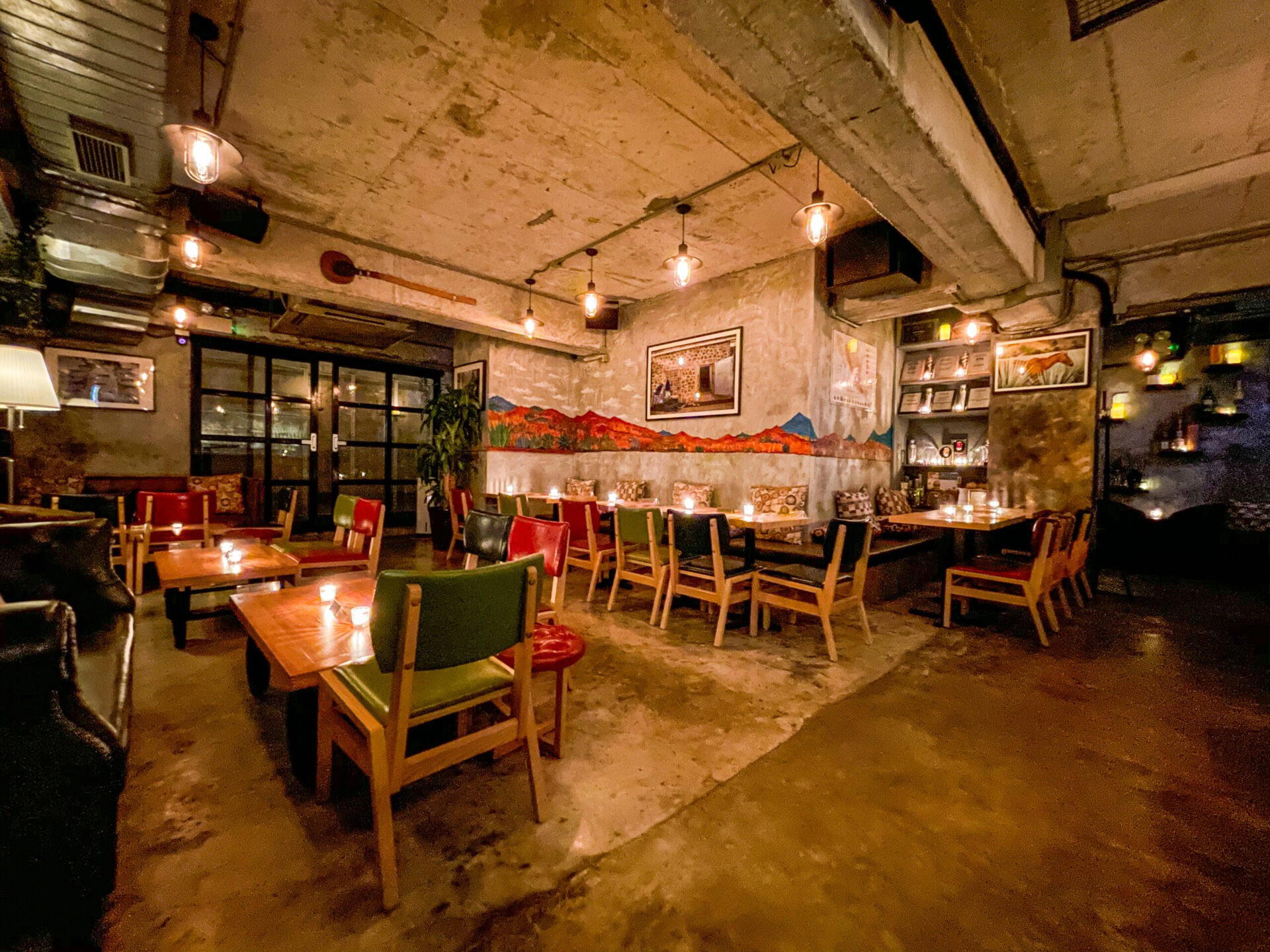
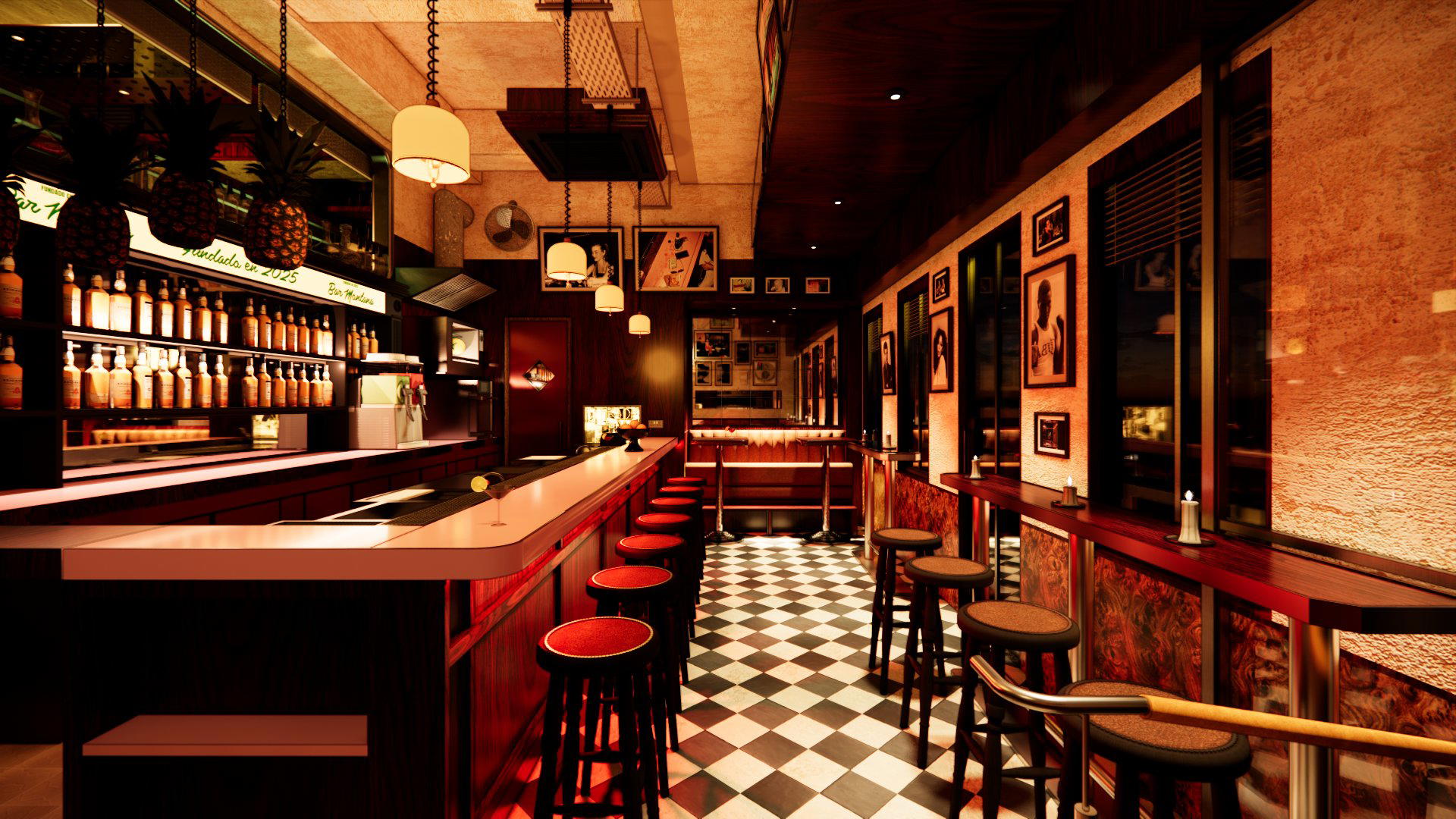
The restaurant's Sheung Wan address places it in the latter category by default. Buildings along this section of Connaught Road carry the proportions of the reclamation era, which means lower ceilings and narrower floor plans than the glass towers further east. Rooms in these buildings tend to reward operators who work with the existing geometry rather than against it. The leading examples in the district achieve a kind of compression that feels intentional: dim enough to establish mood, compact enough to make the room feel used rather than empty, with a material palette that acknowledges the building's age without turning it into a heritage exhibit.
For context on how this spatial approach compares across Central and Western, AMMO, set inside a former ammunition magazine on the Hong Kong Park edge of the district, takes the opposite route: volume, height, and industrial heritage deployed at a scale that makes the room feel like an event. Aaharn at PMQ works within a preserved colonial building but uses the courtyard context to dissolve the boundary between interior and exterior. Each of these spatial strategies says something about the kind of experience the operator is building toward. The restaurant's position on Connaught Road suggests a more contained, street-level proposition.
What the Neighbourhood Expects from a Serious Room
Sheung Wan's dining culture has developed a specific appetite. The area draws a mix of creative-sector workers, long-term expat residents, and the kind of Hong Kong professional who has eaten at enough Michelin-starred rooms to care more about consistency than ceremony. This crowd tends to be skeptical of rooms that prioritise presentation over substance, and it rewards operators who treat the regulars as participants rather than an audience.
The comparison set in this part of the district includes Bayi and cafe TOO, addresses that serve quite different functions in the neighbourhood's dining week. That range is instructive: Central and Western sustains everything from high-ticket tasting menus to casual all-day formats, and the spaces that do well tend to be clear about which tier they are playing in. Across Hong Kong more broadly, the restaurants that have built durable reputations, from the Michelin three-star work at 8 1/2 Otto e Mezzo Bombana to the specific regional focus at Lei Garden in Sha Tin, share a common quality: the room and the cooking are legible as a matched pair. The design is never decorative for its own sake.
Further afield, for readers who use Hong Kong as a hub and move between districts, the contrast with more eccentric addresses is worth noting. The Former Jumbo Floating Restaurant in Aberdeen represented a spatial proposition so extreme it became its own category. One-ThirtyOne in Tai Po uses its semi-rural Tolo Harbour setting as a form of editorial statement. The restaurant operates at a different register entirely: urban, embedded in a working neighbourhood, relying on the street-level energy of Connaught Road rather than a destination setting.
Planning a Visit: What to Know Before You Go
Connaught Road Central is accessible from Sheung Wan MTR station on the Island Line, making the restaurant direct to reach from anywhere on Hong Kong Island. The address sits in a section of the district that is busiest at lunch on weekdays, when the financial-sector crowd pushes west from Central. Evenings tend to draw a more neighbourhood-focused mix. As with most serious rooms in this part of Hong Kong, arriving without a confirmed booking on a busy night is a risk, particularly if the table count is limited, as compact Sheung Wan spaces often are. Given the absence of published booking details, contacting the venue directly before a visit is the practical approach.
The Quick Read
Comparable venues nearby, for context on price, style, and recognition.
| Venue | Cuisine | Price | Notes |
|---|---|---|---|
| Jing AlleyThis venue — the venue you are viewing | Not listed | $$$$ | Not listed |
| HANARE | Central, Japanese Wagyu Kaiseki | $$$$ | Not listed |
| Dragon Academy HK | Not listed | $$$ | Central, Modern Cantonese Noodles & Dim Sum |
| Bayi | Sai Wan, Authentic Xinjiang | $$ | Not listed |
| Carbone | Central, New York-Style Italian | $$$$ | Not listed |
| Frantzen's Kitchen | Not listed | $$$$ | Sheung Wan, Modern New Nordic with Asian Influences |
Continue exploring
More in Central And Western
Restaurants in Central And Western
Browse all →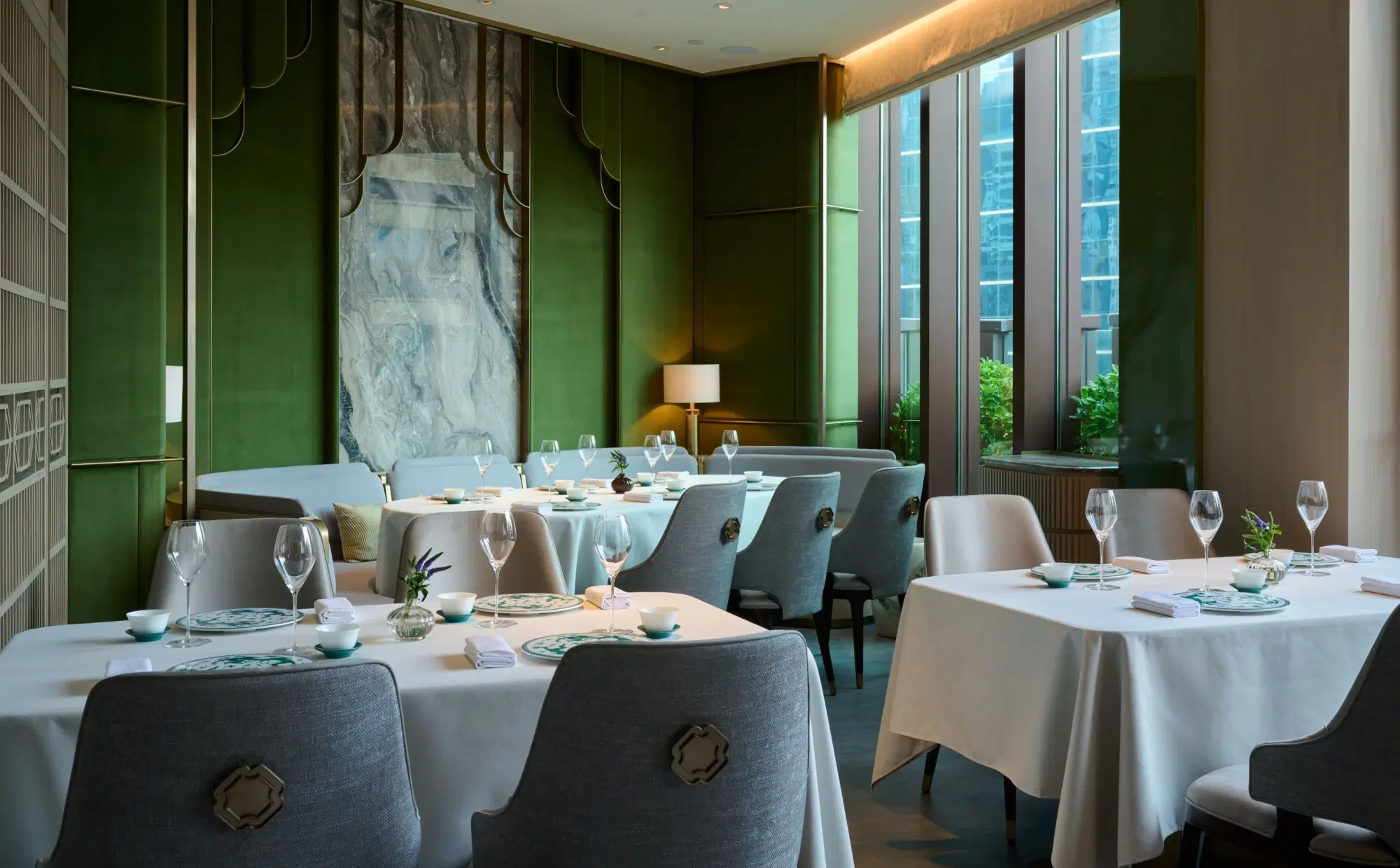
Bars in Central And Western
Browse all →
At a Glance
- Intimate
- Elegant
- Date Night
- Special Occasion
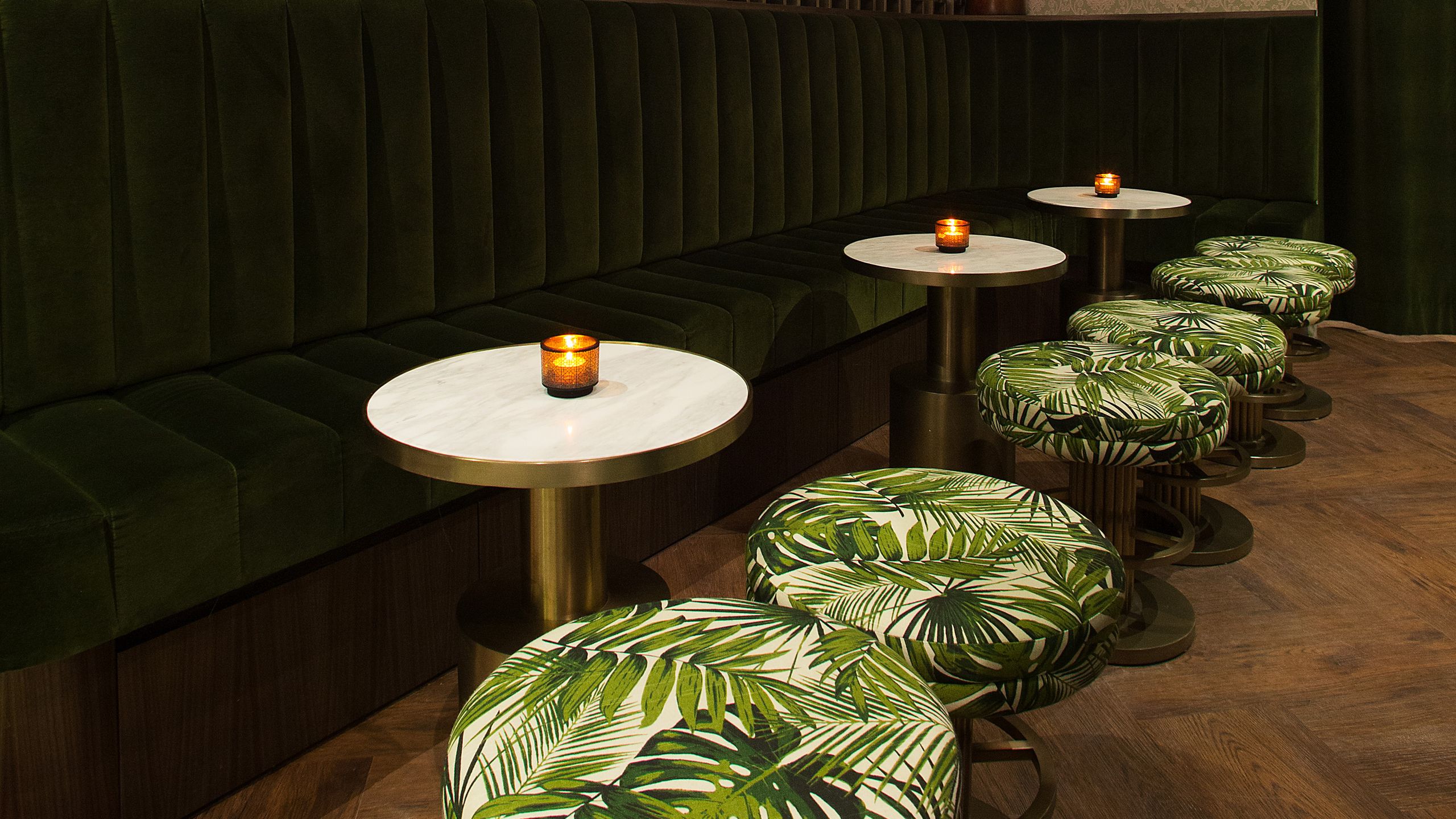
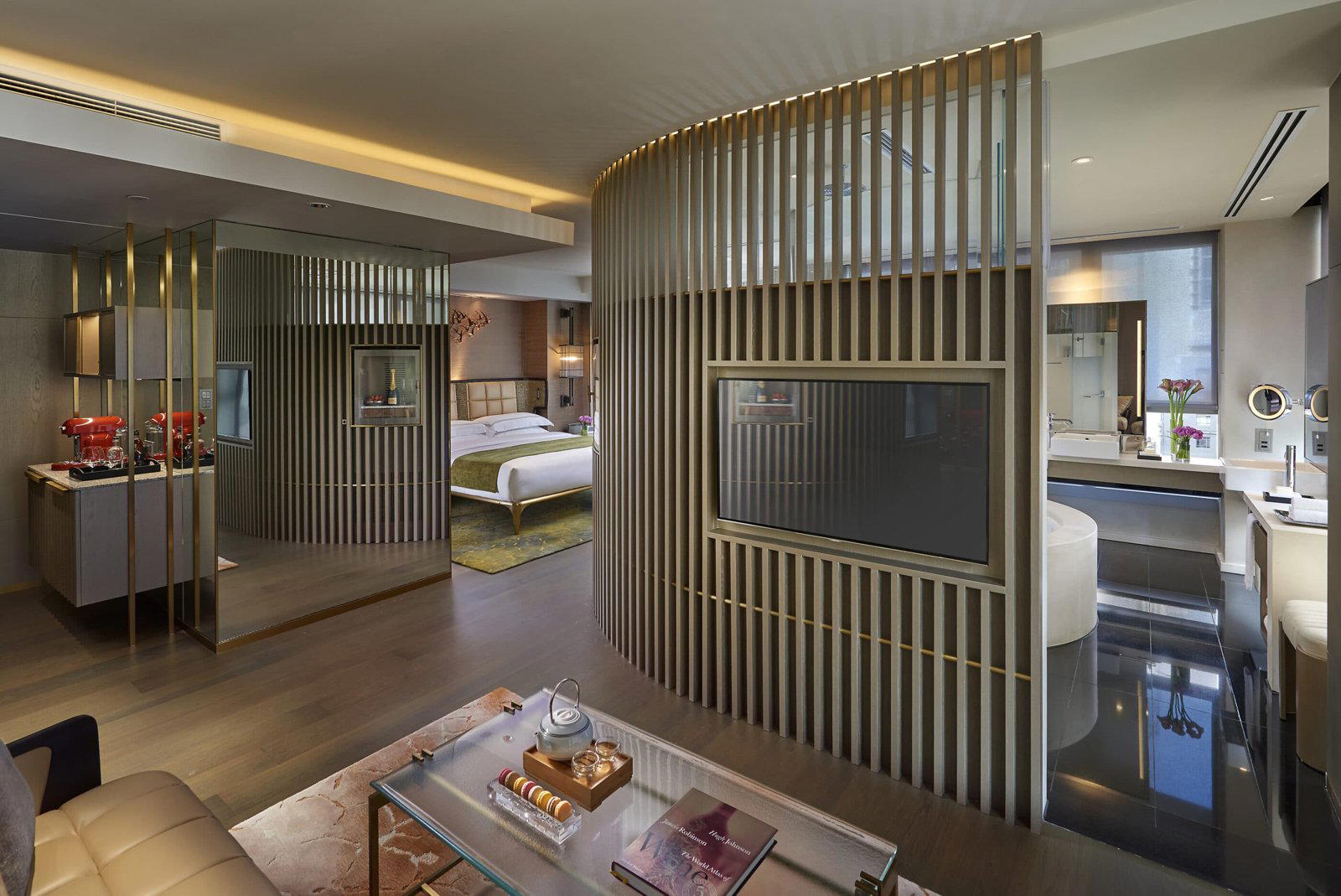
Intimate and discreet atmosphere with courteous service in a small hidden corner setting.