Han Bat
Han Bat at 53 W 35th St occupies a specific corner of Koreatown's late-night dining tradition, where the meal is structured around restorative Korean cooking rather than spectacle. The address places it in Midtown's Korean corridor, a block pattern that has served the city's Korean community and its followers for decades. For visitors orienting around New York's broader Korean dining scene, Han Bat represents the functional, unpretentious end of that spectrum.
Pearl is the En Primeur Club membership app — saves, bookings, and concierge access live there. Same editors, same standards.
- Address
- 53 W 35th St, New York, NY 10001
- Phone
- +12126295588
- Website
- hanbat-restaurant.shop
- Directions
- Get directions
 Saves & bookings on Pearl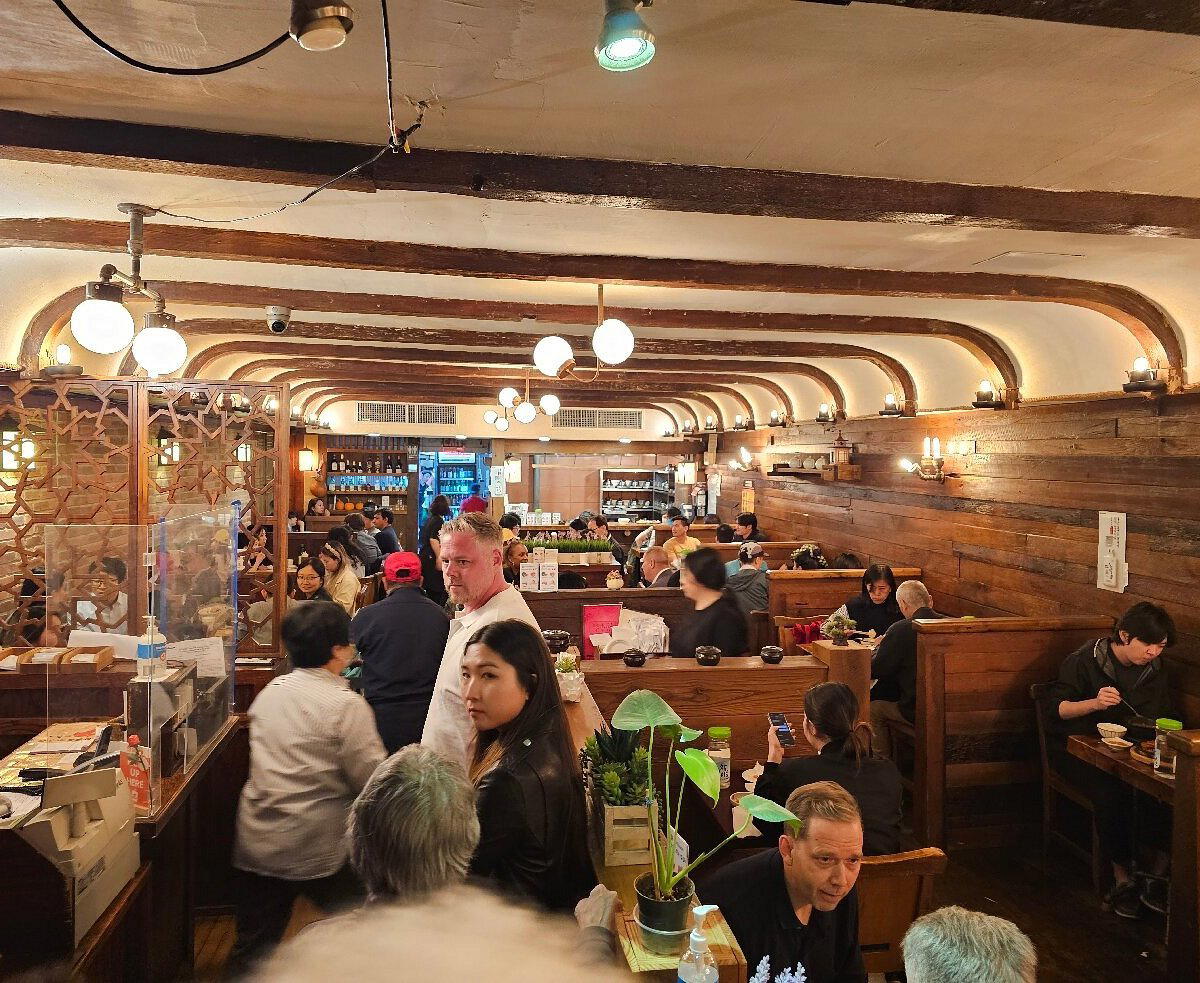
Koreatown's Late-Night Ritual and Where Han Bat Fits
New York's Koreatown occupies a single dense block on West 32nd Street and its immediate surroundings, but the corridor's gravitational pull extends outward along the numbered streets of Midtown. Han Bat is an Authentic Korean restaurant at 53 W 35th St, New York, NY 10001, in Midtown Manhattan. Han Bat, at 53 W 35th St, sits at the northern edge of that cluster, a few blocks removed from the main strip's brighter signage and higher foot traffic. That positioning is not incidental. In Koreatown's internal geography, proximity to but not on 32nd Street often signals a different kind of operation: less tourist-facing, more rooted in the habits of regulars who know where to go when the main drag is crowded or when they want a meal that follows a slower, more considered rhythm.
Korean late-night dining in New York has a particular character that separates it from the after-hours eating cultures of other cuisines. The meal is not a quick stop but a structured event, often built around a central restorative dish, banchan spread across the table from the first moment, and a pace that assumes the diner has time and intent. This is the tradition Han Bat works within, one that has sustained the Koreatown block through decades of city change and made it one of the few dining districts in Manhattan that operates as a functional community hub rather than primarily a destination for outside visitors.
The Architecture of the Meal
Korean dining ritual, at its core, is communal and sequential. A table at a restaurant like Han Bat does not begin with a blank surface and a menu pause. Banchan, the small accompanying dishes that signal kitchen philosophy and seasonal availability, arrive before the main order is placed. The number and composition of those small plates carry meaning: they indicate the kitchen's range and the house's generosity, and regulars read them accordingly. At this tier of Korean dining, those plates are not ornamental. They are the first substantive communication from the kitchen.
The meal that follows is typically organised around soups and stews, formats that dominate the restorative end of Korean cuisine. Seolleongtang, the long-simmered ox bone broth that turns milky white through hours of extraction, is the anchoring dish at this type of restaurant. The broth arrives pale and nearly neutral, with salt and scallions served on the side so each diner seasons to preference. That act of seasoning is itself part of the ritual, a point of customisation that more tightly scripted tasting menu formats do not permit. At the opposite end of New York's Korean dining spectrum, venues like Atomix and Jungsik New York have built Michelin-starred, tasting-menu formats around modern and progressive Korean cooking. The restaurant operates in a structurally different register, one where the diner's agency over the bowl is part of the point.
This is also a format with deep staying power. The ox bone soup tradition in Korean cuisine predates the Koreatown block by centuries, and the New York restaurants that have maintained it without significant modification have done so partly because modification would undercut the dish's purpose. Seolleongtang is not a vehicle for technique display. It is a restorative, a meal format built for cold mornings, late nights, and the kind of hunger that wants warmth and depth rather than complexity.
Midtown's Korean Corridor in Wider Context
New York's Korean restaurant concentration around 32nd Street is unusual in American city dining for its density and its range. The block contains everything from premium grilled meat restaurants with high per-head costs to soup houses and bakeries operating on tight margins. The restaurant's position on 35th Street places it slightly outside the densest part of that cluster, in a stretch of Midtown that is otherwise dominated by office buildings and the Penn Station transit nexus. That surrounding context matters for timing and logistics: the area draws a lunch and early-dinner crowd tied to the workday, and a later crowd that arrives after the main tourist wave on 32nd Street has thinned.
For visitors working through New York's fuller dining range, the Korean corridor exists alongside the city's highest-investment formal dining, including Le Bernardin, Masa, and Per Se, all of which operate at the opposite end of the formality and price spectrum. The contrast is worth naming: New York's dining range is wide enough that the ox bone soup tradition and the omakase counter exist within the same few miles, serving different needs without competing. A multi-day visit to New York that does not move between those registers is leaving something on the table.
Comparable Korean restaurant corridors exist in Los Angeles, Chicago, and Atlanta, but New York's concentration on a single block at high density is its own phenomenon. For travellers building itineraries around American dining culture, the Koreatown block belongs in the same planning consideration as Alinea in Chicago or Providence in Los Angeles, not as equivalents in format or price, but as anchoring experiences that define what their respective cities do distinctively.
Planning Your Visit
The restaurant's address at 53 W 35th St puts it within a short walk of Penn Station and the 34th Street subway hub, making it accessible from most Manhattan starting points without a cab or ride-share. The surrounding Koreatown block is leading approached in the evening or late night, when the full range of the corridor is operating and the neighbourhood's particular character is most evident. Midtown's daytime office density means the area is functional and fast-moving at lunch, a different atmosphere from the slower evening pace that suits a longer Korean meal.
The restaurant is open daily from 11:30 AM to 10:30 PM. The restaurant is walk-in friendly and priced at about $25 per person. The broader Koreatown block operates with variable hours across its restaurants, and late-night availability, which is a defining feature of the area's reputation, should be verified in advance.
For other reference points in American regional dining, Blue Hill at Stone Barns in Tarrytown, The French Laundry in Napa, Single Thread Farm in Healdsburg, Lazy Bear in San Francisco, Emeril's in New Orleans, Addison in San Diego, The Inn at Little Washington, and Bacchanalia in Atlanta each represent the kind of place that defines a city's dining identity in a different way. Internationally, 8 1/2 Otto e Mezzo Bombana in Hong Kong and Alain Ducasse at Louis XV in Monte Carlo anchor similar conversations in their own cities.
Quick reference: the restaurant, 53 W 35th St, New York, NY 10001. Korean soup house in the northern Koreatown corridor. Open daily from 11:30 AM to 10:30 PM; walk-in friendly; about $25 per person.
Where the Accolades Land
Comparable venues nearby, for context on price, style, and recognition.
| Venue | Cuisine | Price | Notes |
|---|---|---|---|
| Han BatThis venue — the venue you are viewing | Authentic Korean | $$ | Not listed |
| Nangman BBQ | Korean BBQ | $$ | Midtown South-Flatiron-Union Square |
| Kisa | Traditional Korean Baekban | $$ | Lower East Side |
| Okdongsik | Southern Korean Pork Bone Soup | $$ | Midtown South-Flatiron-Union Square |
| Kimganae | Korean Bunsik Comfort Food | $$ | Flushing-Willets Point |
Continue exploring
More in New York City
Restaurants in New York City
Browse all →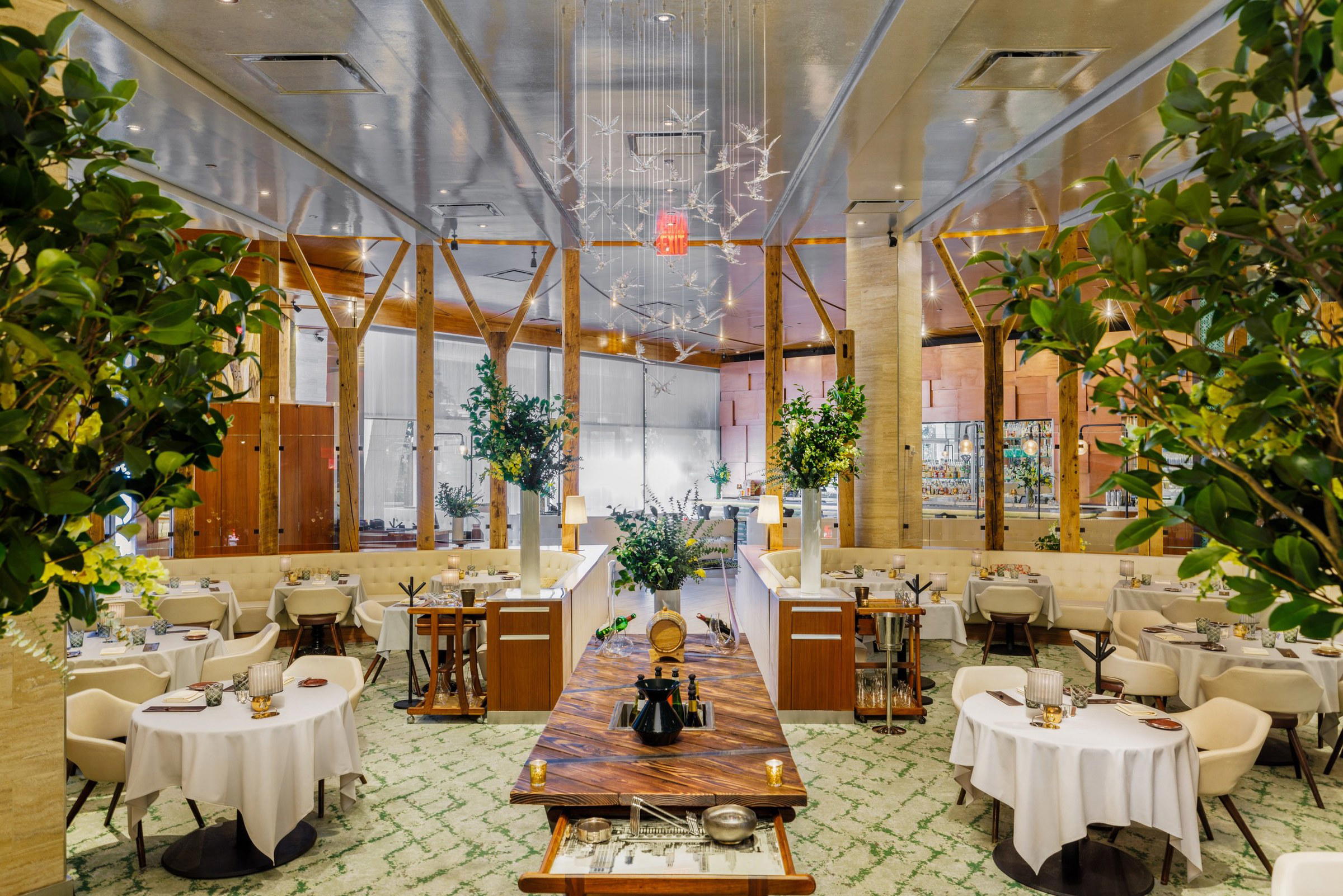
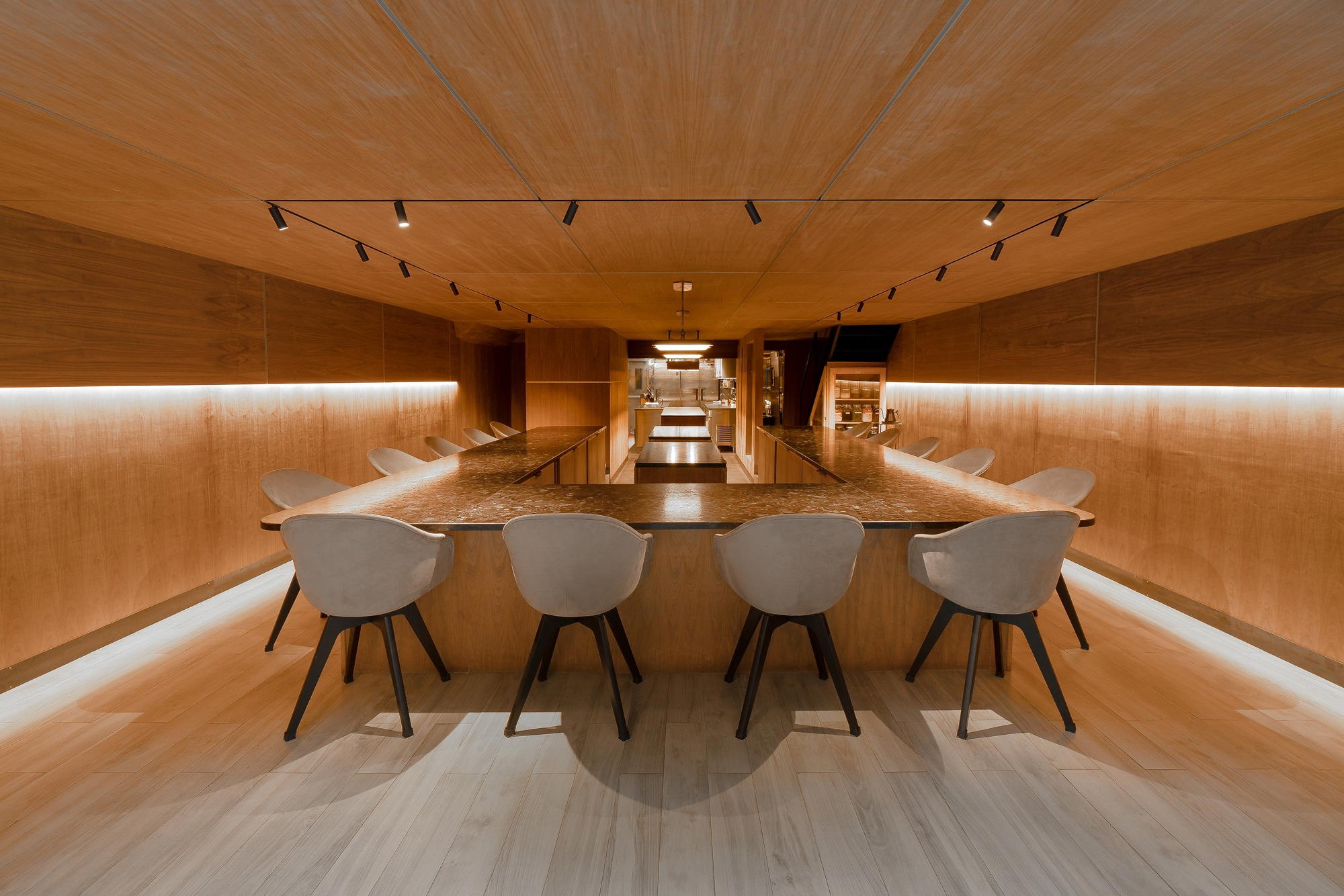
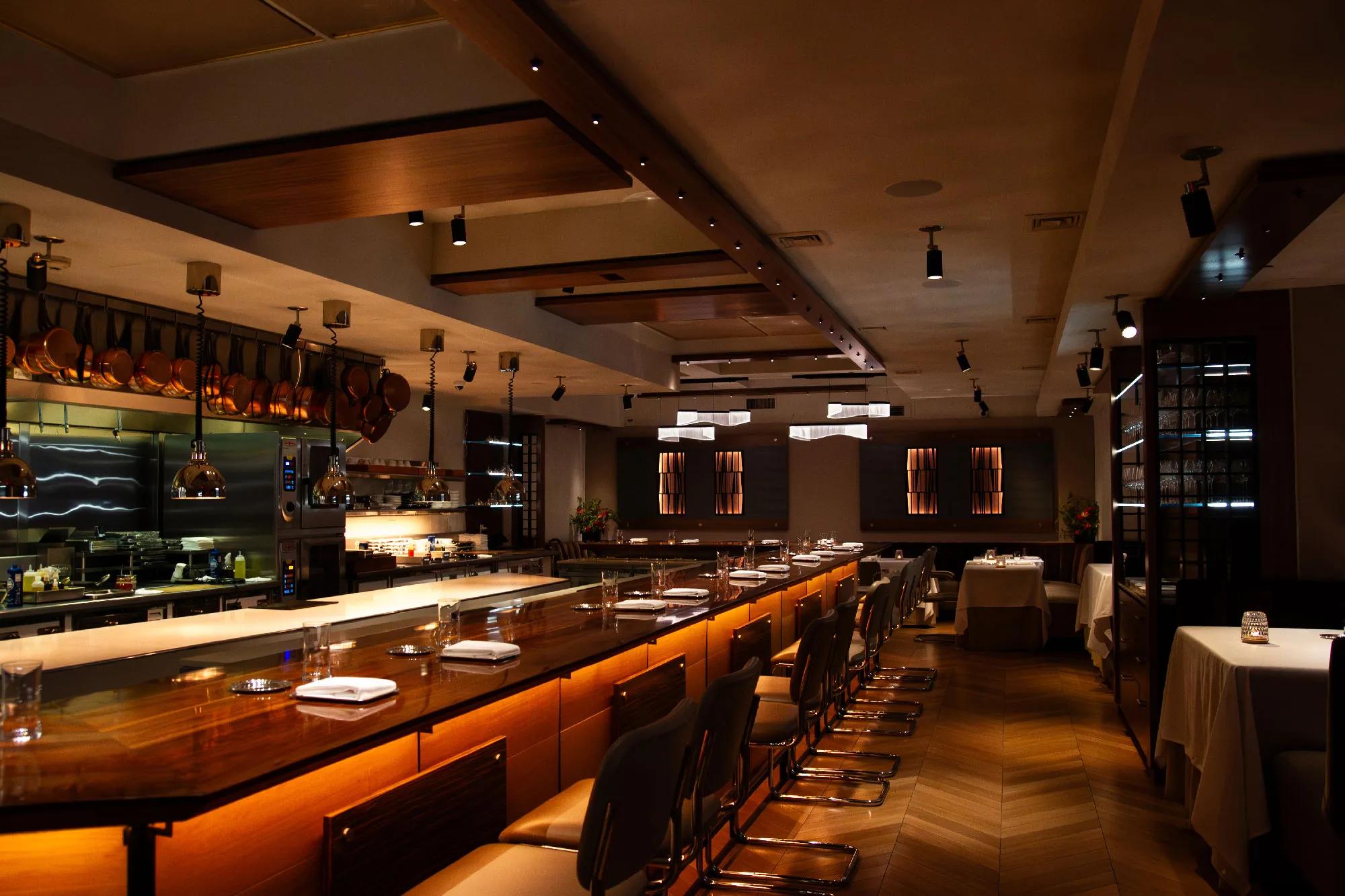
Bars in New York City
Browse all →


Hotels in New York City
Browse all →






At a Glance
- Classic
- Cozy
- Group Dining
- Late Night
- Standalone
- Sake Program
Current opening hours
- Monday
- 11:30 AM–10:30 PM
- Tuesday
- 11:30 AM–10:30 PM
- Wednesday
- 11:30 AM–10:30 PM
- Thursday
- 11:30 AM–10:30 PM
- Friday
- 11:30 AM–10:30 PM
- Saturday
- 11:30 AM–10:30 PM
- Sunday
- 11:30 AM–10:30 PM
Hours can change for holidays and private events. Last verified .
Styled like a traditional Korean kitchen and dining room with moderate noise levels.