On Dammtorstraße in central Hamburg, Hamza Kebab occupies a position in the city's middle-market eating culture where the tradition of grilled meat and flatbread intersects with a cosmopolitan neighbourhood crowd. The address places it steps from the Dammtor rail station and the congress district, making it a practical stop for the area's mix of office workers, students, and visitors working through Hamburg's dining range.
Pearl is the En Primeur Club membership app — saves, bookings, and concierge access live there. Same editors, same standards.
- Address
- Dammtorstraße 23, 20354 Hamburg, Germany
- Phone
- +494035018488
- Website
- facebook.com
- Directions
- Get directions
 Saves & bookings on Pearl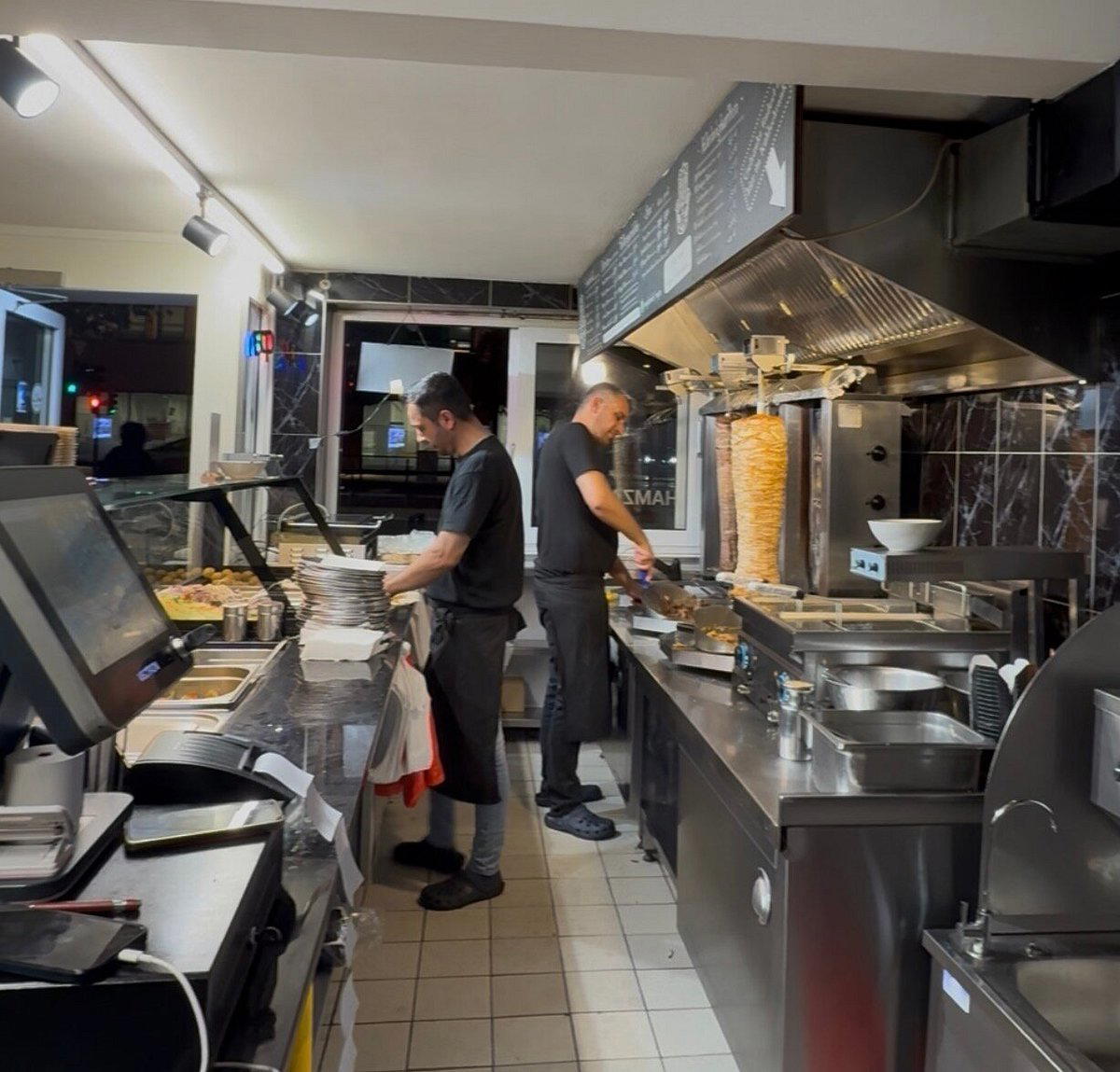
Where Dammtorstraße Eats: Hamburg's Kebab Tradition in Context
Hamburg's eating culture has always been shaped by its port identity — a city that absorbed culinary traditions from across the Mediterranean, the Middle East, and Central Asia long before those cuisines became fashionable talking points in European food writing. The kebab, in its many regional forms, arrived in German cities through waves of Turkish and Kurdish labour migration from the 1960s onward and has since become so embedded in urban eating that it functions less as ethnic cuisine and more as a civic staple. In Hamburg specifically, that tradition runs through neighbourhoods like Altona, Eimsbüttel, and parts of St. Pauli, but it surfaces across the city wherever a lunchtime crowd needs something substantial and fast.
Hamza Kebab on Dammtorstraße 23 sits inside this broader pattern. The address is telling: Dammtorstraße connects the Gänsemarkt commercial district to the Dammtor station and the sprawling CCH congress centre, which means the surrounding foot traffic is mixed and consistent — office workers on lunch breaks, conference attendees looking for something away from hotel buffets, and the occasional student from the nearby university quarter. The location has less neighbourhood character than a Schanzenviertel side street, but it has volume, and volume in this price tier tends to sustain quality through repetition.
The Ingredient Logic Behind Grilled Meat Formats
Across Germany's kebab-format restaurants, the sourcing question has become more consequential over the past decade. The döner kebab's industrialisation, vertical spits loaded with processed meat amalgams, sauces from concentrate, bread produced in centralised factories, created a race to the bottom in the volume segment. The counter-movement, present in cities from Berlin to Hamburg, involves a return to identifiable cuts, bread baked on-site or sourced from specialist bakers, and vegetable components that arrive as actual produce rather than pre-shredded commodity fills.
This ingredient-sourcing distinction now functions as the primary differentiator between kebab operations that draw repeat custom and those that live off passing trade. When the meat on a döner spit is a recognisable blend of seasoned lamb or chicken rather than a reconstituted product, when the flatbread has some char and give, and when the accompanying salad components taste of the season, the format holds up against casual dining alternatives at two or three times the price. Hamburg's better kebab operations have understood this for years; the city's Turkish and Kurdish community-run spots in particular have maintained a standard of identifiable ingredients that the fast-food chains consistently fail to match.
For visitors used to the kebab formats dominant in London, Paris, or Amsterdam, a Hamburg stop at a well-run local operation tends to recalibrate expectations about what the format can deliver at an accessible price point. The gap between a mediocre döner and a carefully assembled one is not subtle, it shows immediately in the texture of the meat, the freshness of the herbs, and whether the bread functions as a structural element or just a wrapper.
Dammtorstraße's Place in Hamburg's Dining Geography
The Dammtorstraße corridor is not where Hamburg's destination dining concentrates. For that tier, the city's attention goes toward the Alstertal and the harbour-adjacent addresses where Restaurant Haerlin and The Table Kevin Fehling operate at the upper end of the city's formal restaurant scene. Nearby, 100/200 Kitchen, bianc, and Lakeside fill out the high-end bracket across different registers. See our full Hamburg restaurants guide for the complete picture across price tiers and neighbourhoods.
What Dammtorstraße does well is serve the city's working centre at a pace and price that the formal dining tier makes no attempt to address. A well-executed kebab in this part of Hamburg is not a consolation option relative to the city's Michelin-recognised tables, it answers a completely different need, and answering that need well is its own kind of standard. Germany's broader fine dining scene, represented nationally by addresses like Aqua in Wolfsburg, JAN in Munich, and Schwarzwaldstube in Baiersbronn, operates in a parallel register that rarely intersects with fast-casual formats. The country's restaurant culture accommodates both without conflation.
That said, Germany's food culture at every tier has moved toward ingredient transparency over the past fifteen years. The conversations that drive places like CODA Dessert Dining in Berlin or Vendôme in Bergisch Gladbach, about provenance, technique, and seasonal timing, have filtered down to informal formats too. A kebab operation that sources carefully is participating, in its own register, in a wider shift in how German diners think about what they are eating and where it comes from. Other notable German destinations reflecting this national shift include ES:SENZ in Grassau, Victor's Fine Dining by Christian Bau in Perl, Waldhotel Sonnora in Dreis, Schanz in Piesport, and Bagatelle in Trier.
Placing the Format Internationally
For readers more familiar with New York's fast-casual tier, the market that produced serious halal-cart culture and places like Le Bernardin and Atomix at opposite ends of the same city's eating spectrum, the German kebab format occupies a comparable structural position. It is cheap enough to be genuinely democratic, fast enough to serve a working crowd, and, at its better end, technically demanding enough that quality differences between operators are immediately legible to anyone paying attention.
Hamburg's kebab culture is not Berlin's, where decades of student and subcultural patronage have produced a particularly competitive and scrutinised version of the form. Hamburg's version is more workmanlike and less fetishised, which can be either a limitation or a strength depending on what you want from lunch. Dammtorstraße in particular skews toward the workmanlike end of that spectrum.
Know Before You Go
| Address | Dammtorstraße 23, 20354 Hamburg, Germany |
|---|---|
| Nearest Transport | Dammtor S-Bahn station (S11, S21, S31), approximately 3 minutes on foot |
| Bookings | No booking information available; walk-in format standard for this category |
| Price Range | Not confirmed; typical for Hamburg kebab-format operations at this address |
| Phone / Website | Not publicly listed at time of writing |
| Hours | Not confirmed; verify locally before visiting |
Continue exploring
More in Hamburg
Restaurants in Hamburg
Browse all →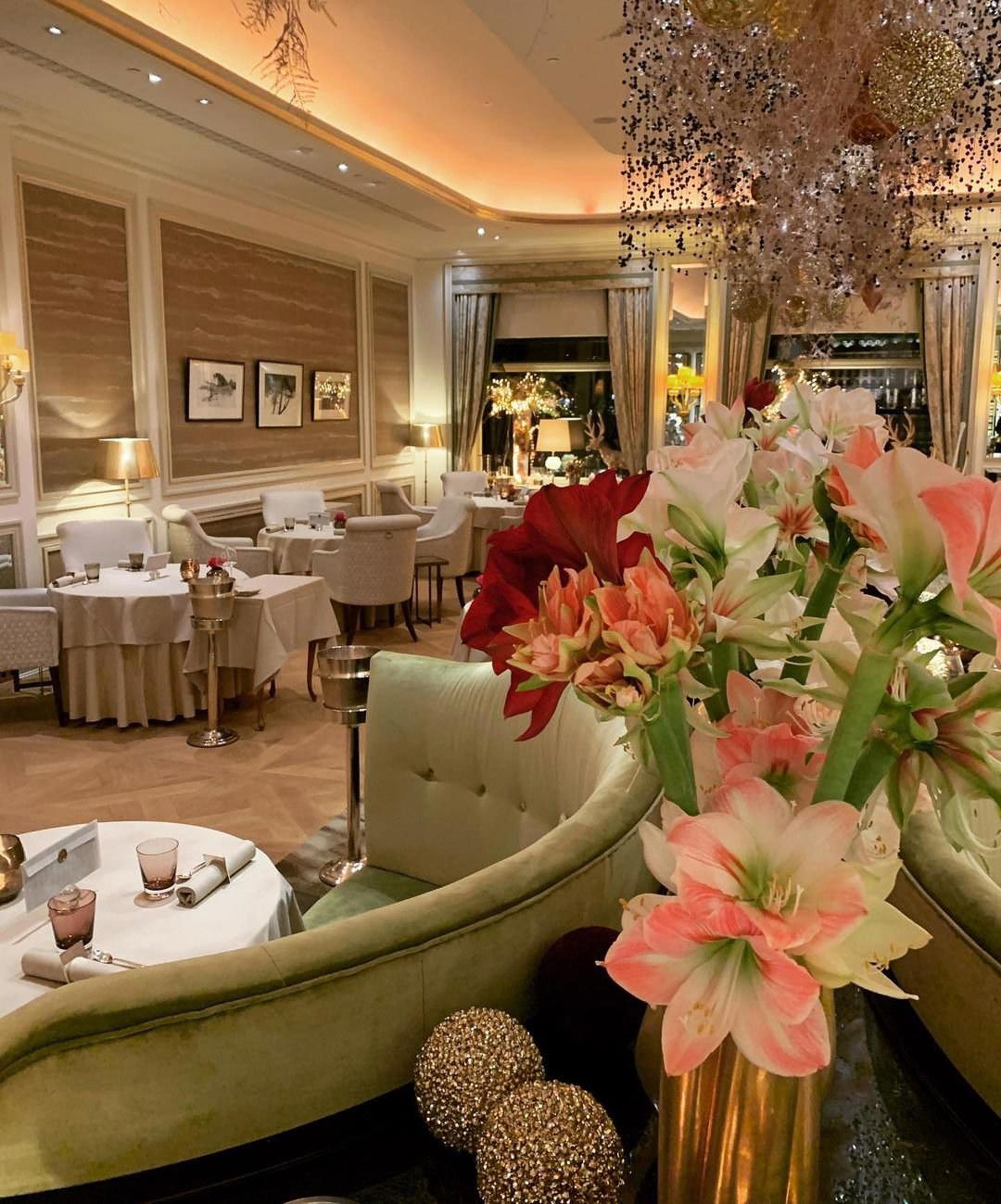
Bars in Hamburg
Browse all →

Hotels in Hamburg
Browse all →
Wineries in Hamburg
Browse all →
At a Glance
- Cozy
- Casual Hangout
Current opening hours
- Monday
- 10 AM–10 PM
- Tuesday
- 10 AM–10 PM
- Wednesday
- 10 AM–10 PM
- Thursday
- 10 AM–10 PM
- Friday
- 10 AM–10 PM
- Saturday
- 11 AM–10 PM
- Sunday
- Closed
Hours can change for holidays and private events. Last verified .
Small and cozy atmosphere ideal for a quick, casual meal.
Know Before You Go
- Getting there
- Dammtorstraße 23, 20354 Hamburg, Germany