In Chamberí, one of Madrid's most residential and food-literate neighbourhoods, Hakuna Matata Veggie occupies a position that few plant-based restaurants in the city have managed: a genuinely neighbourhood-rooted address where vegetables are the structural argument, not a concession to dietary trends. For a Madrid dining scene still dominated by meat-centric tradition, that positioning carries editorial weight.
Pearl is the En Primeur Club membership app — saves, bookings, and concierge access live there. Same editors, same standards.
- Address
- C. de Galileo, 12, Chamberí, 28015 Madrid, Spain
- Phone
- +34618355522
- Website
- hakunamatataveggie.com
- Directions
- Get directions
 Saves & bookings on Pearl
Plant-Forward in a Meat-Loving City
Madrid's dining identity has long been anchored in cocido madrileño, roast suckling pig, and the kind of tapas bars that treat vegetables as garnish. Against that backdrop, the emergence of serious vegetable-focused restaurants in the city's residential neighbourhoods represents a shift worth tracking. Chamberí, the barrio where Hakuna Matata Veggie sits on Calle de Galileo, is an instructive location for that shift: this is not the tourist corridor of Sol or the high-design dining strip of Salamanca, but a neighbourhood where locals eat repeatedly, where reputation travels by word of mouth, and where a restaurant without a heavy marketing budget either earns its place or quietly closes.
The broader Spanish fine dining establishment has, over the past decade, started taking vegetable cookery more seriously at the upper end. Azurmendi in Larrabetzu has made ethical sourcing and kitchen garden integration a defining part of its identity, holding three Michelin stars while doing so. Aponiente in El Puerto de Santa María has pushed the conversation about what constitutes ingredient and what constitutes waste. These are reference points for the wider cultural direction, even if they operate at a price tier far removed from a neighbourhood vegetarian address in Chamberí.
The Sustainability Argument in Madrid's Restaurant Scene
Spain's relationship with ethical sourcing in restaurants has deepened considerably since the early 2010s, when the conversation was largely confined to a small cluster of avant-garde kitchens. Today, the sustainability argument runs across price tiers and formats. At the leading end, kitchens like El Celler de Can Roca in Girona and Mugaritz in Errenteria have integrated environmental consciousness into their public-facing identities. But the more structurally significant change is happening at mid-market and neighbourhood level, where the economics of waste reduction and plant-forward menus align with practical cost management as much as with ideology.
A vegetarian restaurant in Madrid operates within that context. The decision to centre a menu on vegetables rather than protein is, in the Spanish context, still a counter-cultural positioning. Madrid does not have the established plant-based dining culture of, say, Barcelona or Berlin. A restaurant committed to that format in Chamberí is making an argument to a local audience that has other options and fewer inherited assumptions about what vegetarian food should taste like.
Chamberí: The Neighbourhood as Context
Calle de Galileo sits in the western part of Chamberí, a district that combines late 19th-century residential architecture with a food scene that skews toward the serious and the local. The area attracts fewer visitors than Malasaña to the south or Chueca to the east, which means the restaurants that survive here tend to do so on repeat custom from residents rather than on tourist throughput. That dynamic shapes the kind of dining experience a neighbourhood address can offer: less spectacle, more consistency; fewer theatrical set pieces, more attention to the regular guest.
For a plant-based restaurant, that neighbourhood dynamic is a reasonable fit. The sustainability case for vegetable-forward cooking has a natural audience among the younger, educated professional demographic that Chamberí tends to attract.
Where Hakuna Matata Veggie Sits in the Madrid Picture
Madrid's premium dining tier is heavily weighted toward creative Spanish and international formats. DiverXO occupies stronger examples from that pyramid with a three-Michelin-star progressive Asian-Spanish format. Coque, Deessa, and DSTAgE operate in the multi-course tasting menu tier with Michelin recognition and price points to match. Paco Roncero sits in a similar bracket, creative and technically demanding. Hakuna Matata Veggie does not compete with any of these on price, format, or ambition tier. Its competitive set is the neighbourhood vegetarian and vegetable-forward category, a smaller and less critically mapped segment of the Madrid scene.
That positioning is, in itself, editorially interesting. The restaurants that are reshaping how cities eat are rarely the starred addresses. They are the mid-market and neighbourhood-level operations that normalise a format or ingredient approach for a non-specialist audience. A vegetarian address in Chamberí is doing that work in a city where it still requires some argument.
For broader Spanish context, the plant-forward conversation connects to a wider national picture that includes Ricard Camarena in València, whose work with seasonal vegetable cookery has drawn serious critical attention, and Cocina Hermanos Torres in Barcelona, which has integrated market-sourced produce into a format that holds two Michelin stars. These are not direct comparisons to a neighbourhood vegetarian restaurant, but they map the direction of travel for serious vegetable cookery in Spain.
Planning Your Visit
The restaurant is located at Calle de Galileo 12, in the Chamberí district of Madrid, postcode 28015. The nearest metro stations are Quevedo (Line 2) and Iglesia (Line 1), both within comfortable walking distance. The restaurant recommends reservations. Chamberí operates on that rhythm. Given the venue's plant-based format, it sits in a price tier well below Madrid's tasting menu restaurants, making it a practical option for travellers who want to eat well without committing to the multi-hour, multi-course format that the city's decorated addresses require.
The Minimal Set
Comparable venues nearby, for context on price, style, and recognition.
| Venue | Cuisine | Price | Notes |
|---|---|---|---|
| Hakuna Matata VeggieThis venue — the venue you are viewing | Not listed | $$ | Not listed |
| Arrocería FERROZ | Not listed | $$ | Arguelles, Spanish Arrocería (Rice Specialist) |
| Alegrias | Malasana, Spanish Tapas | $$ | Not listed |
| SANTANCHA | Almagro, Modern Traditional Spanish | $$ | Not listed |
| La Escalera del 15 | Almagro, Mediterranean Spanish | $$ | Not listed |
| Restaurante Taiga Madrid | El Viso, Traditional Spanish | $$ | Not listed |
Continue exploring
More in Madrid
Restaurants in Madrid
Browse all →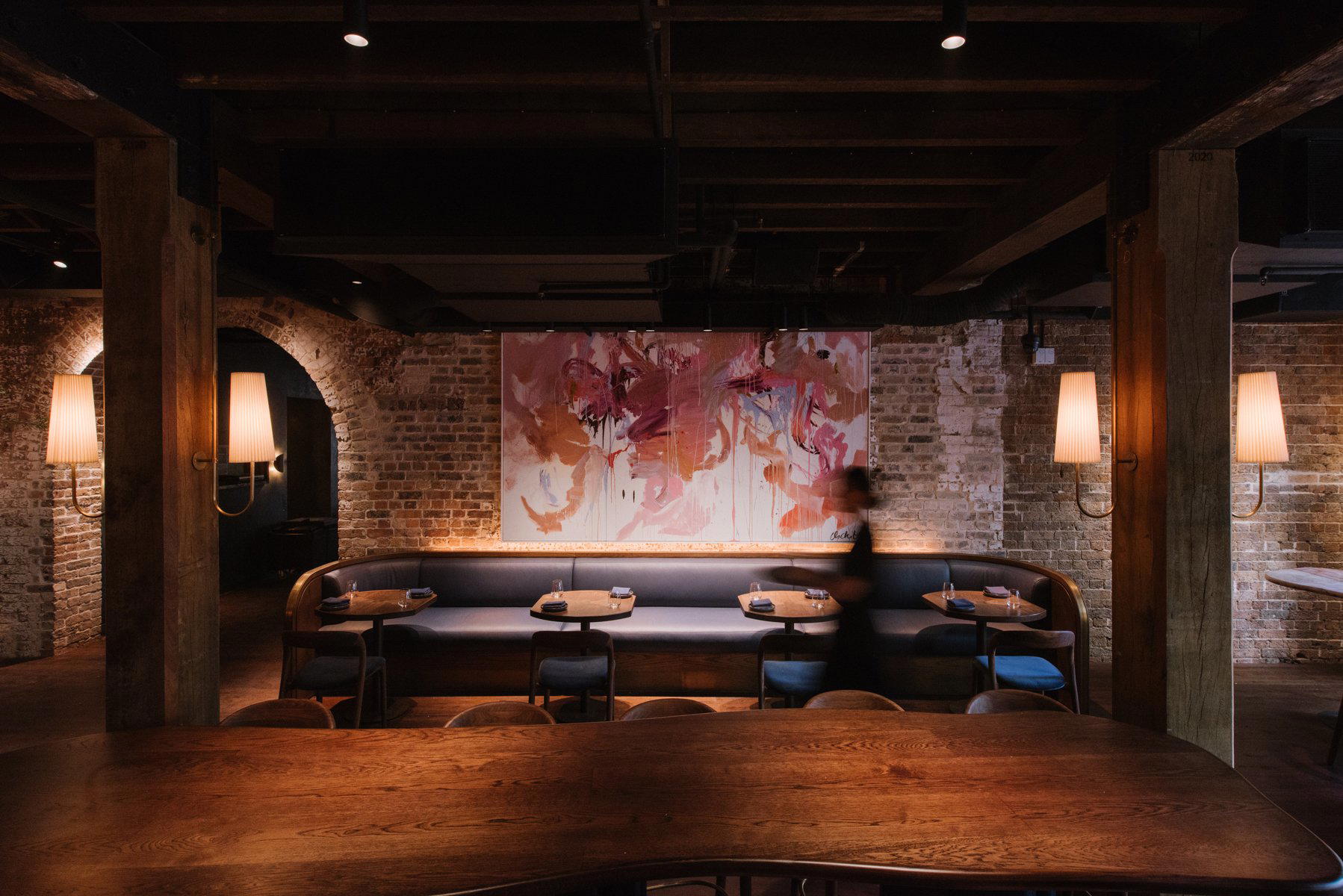
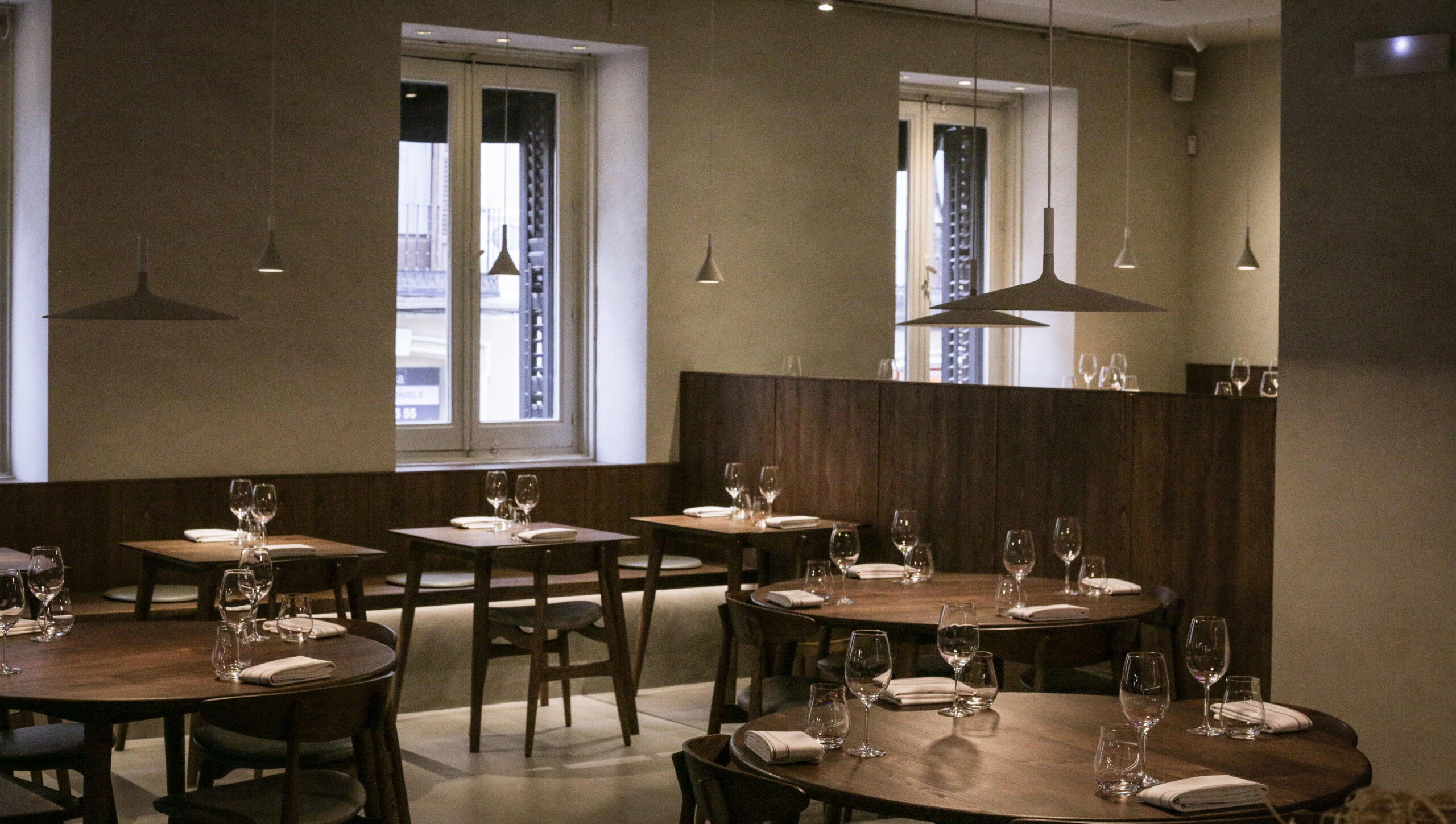
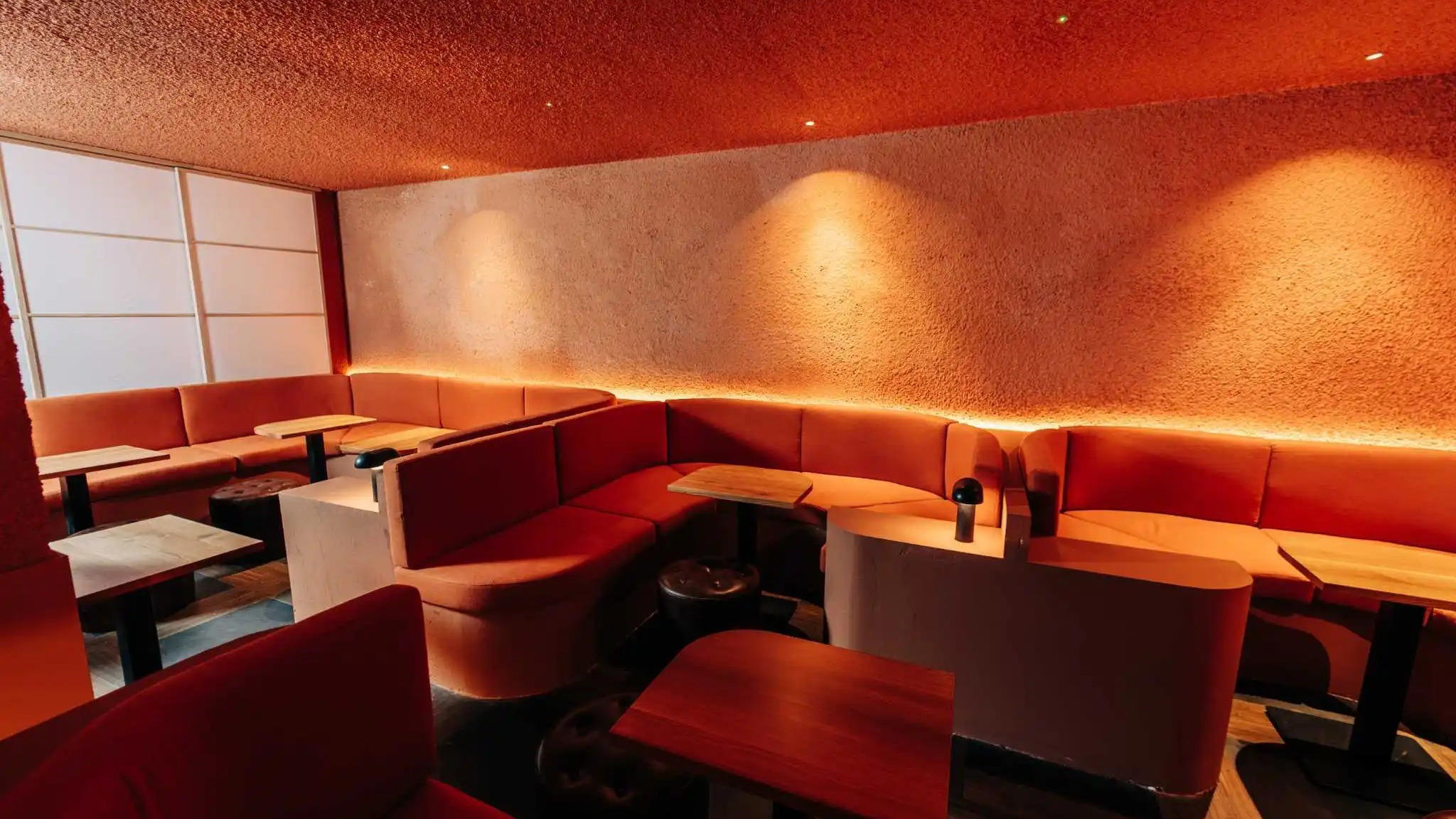

Bars in Madrid
Browse all →
Hotels in Madrid
Browse all →

At a Glance
- Cozy
- Intimate
- Casual Hangout
- Group Dining
- Date Night
- Terrace
- Beer Program
Current opening hours
- Monday
- 1:30–5 PM, 7:30–11:30 PM
- Tuesday
- 1:30–5 PM, 7:30–11:30 PM
- Wednesday
- 1:30–5 PM, 7:30–11:30 PM
- Thursday
- 1:30–5 PM, 7:30–11:30 PM
- Friday
- 1:30–5 PM, 7:30 PM–12 AM
- Saturday
- 1:30–5 PM, 7:30 PM–12 AM
- Sunday
- 1:30–5:30 PM, 7:30–11:30 PM
Hours can change for holidays and private events. Last verified .
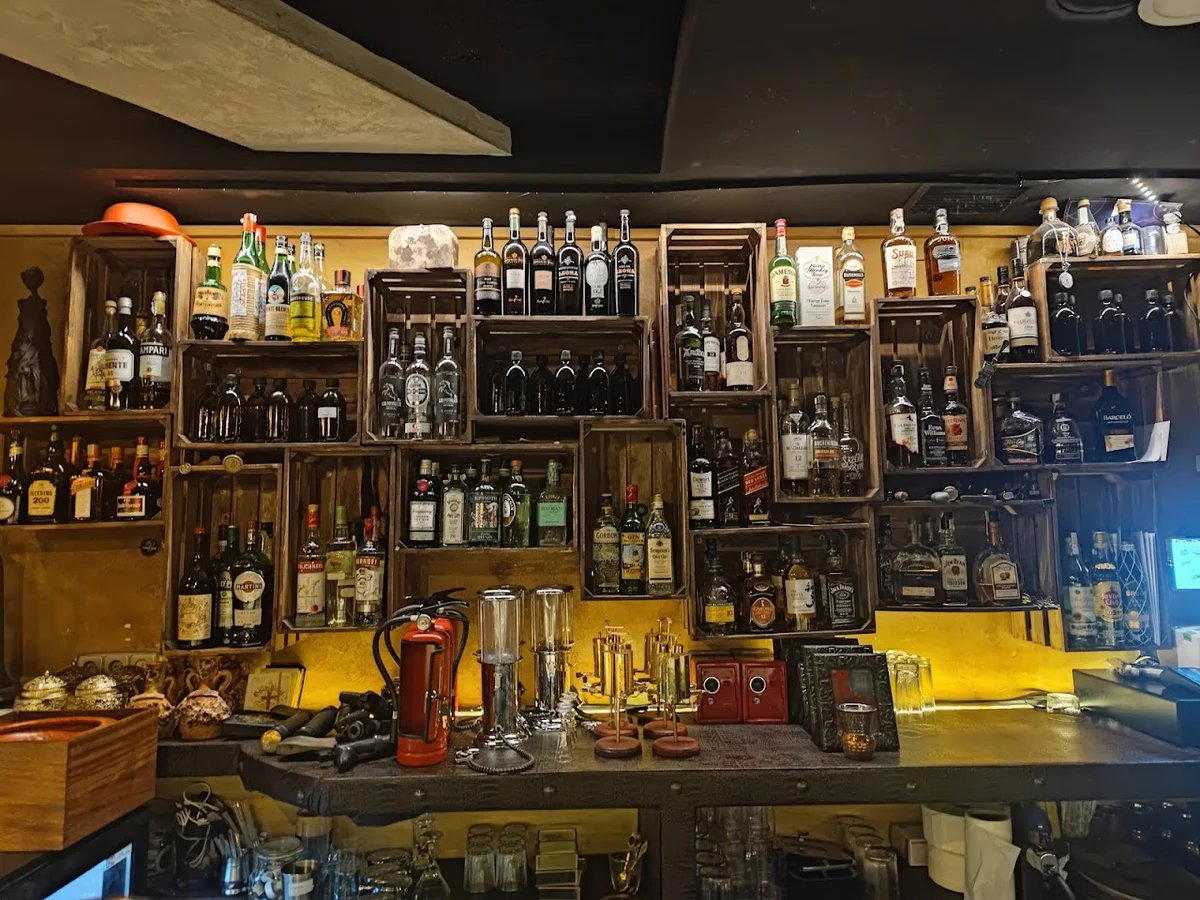
Warm and inviting with simple, understated décor; a casual yet intimate atmosphere that feels welcoming and unpretentious.