
Haruyoshi’s izakaya culture is built for repeat diners: counter seats, fish-led ordering, and a drinks list that keeps sake and shochu in the foreground. Kiharu fits that grammar with Tabelog 100 Izakaya WEST selections in 2024 and 2025, a seafood category listing, and a price tier that places it above casual pub dining without moving into formal kaiseki territory.
Pearl is the En Primeur Club membership app — saves, bookings, and concierge access live there. Same editors, same standards.
- Address
- 3 Chome-22-7 Haruyoshi, Chuo Ward, Fukuoka, 810-0003, Japan
- Phone
- +81 92-771-3002
- Website
- tabelog.com
 Saves & bookings on Pearl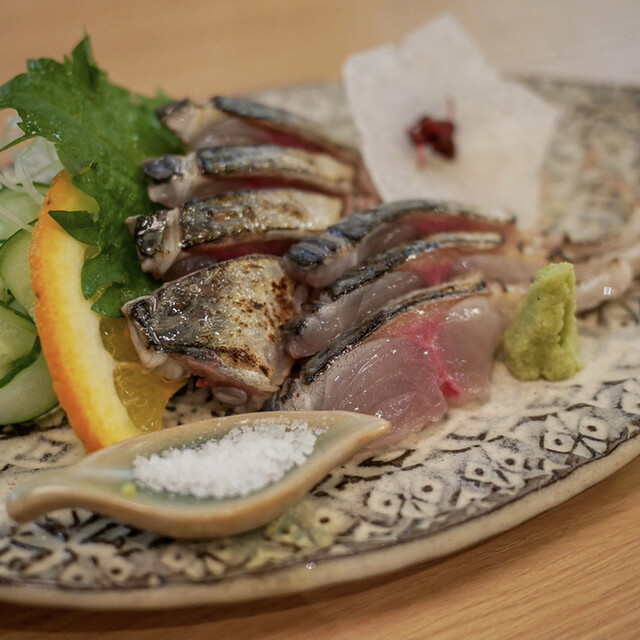
Haruyoshi changes after dark. Close to Tenjin Minami, its dining energy is less department-store polish than side-street concentration: small rooms, counter regulars, and menus that reward precise ordering. In that setting, Kiharu belongs to Fukuoka’s fish-driven izakaya tier, where the room does not mimic sushi formality and cooking is not background to drinking. The draw is the older izakaya contract: seasonal seafood, sake and shochu, counter proximity, and enough repeat clientele for an unwritten hierarchy of dishes to matter.
That regulars’ view is the right way to read it. Fukuoka has generous casual dining, but its serious izakaya rooms are not interchangeable with late-night drinking spots. They sit between market-aware seafood restaurants and taverns built around stamina. Kiharu’s Tabelog 100 Izakaya WEST selections in 2024 and 2025 place it in a recognized western Japan category, not just local word-of-mouth, while its Tabelog score of 3.72 signals sustained user confidence in a market where small rating differences matter.
Fish-led izakaya dining with a regulars' ordering logic
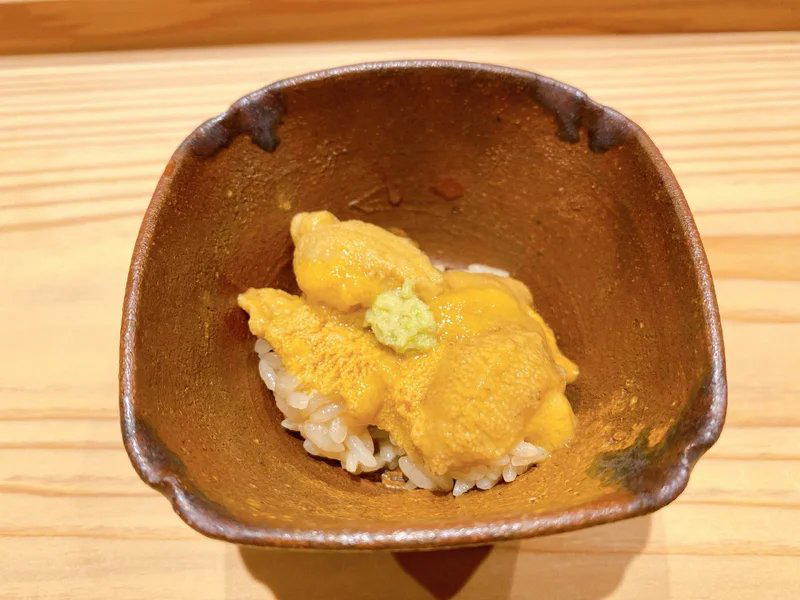
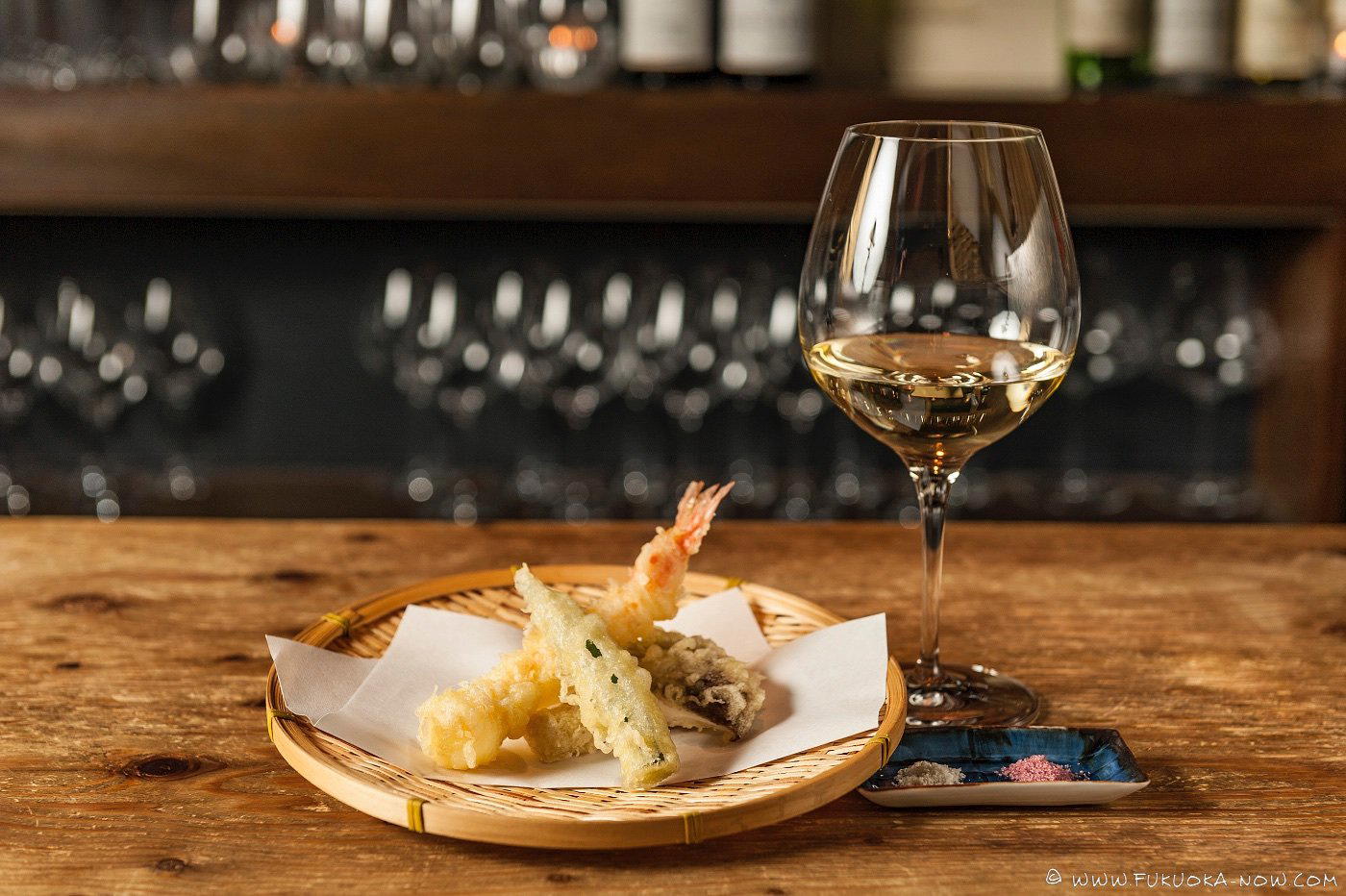
Fukuoka’s seafood reputation is often reduced to a few famous products, but izakaya gives the city a more flexible language. Fish can be raw, grilled, simmered, fried, or paired with rice and drink in a sequence driven less by ceremony than appetite. Kiharu is categorized as an izakaya and seafood restaurant, with stated emphasis on fish. That places the meal closer to a specialist tavern than a general-purpose dinner address, and explains why repeat diners value judgment over breadth.
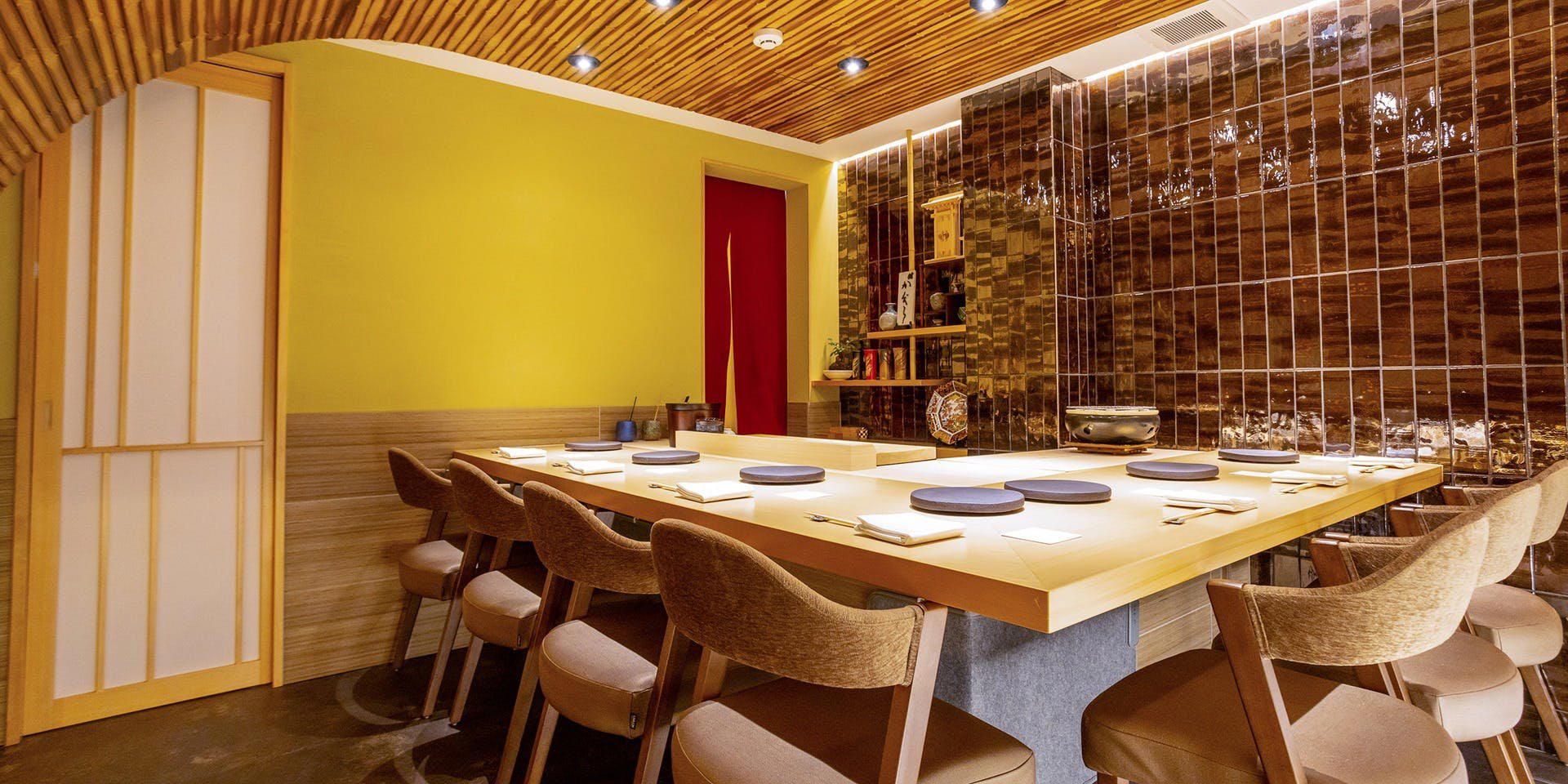
The counter-oriented format changes the rhythm. In Japan, a counter is not just space-saving; it compresses the gap between ordering, cooking, and drinking. Regulars return because they can calibrate a meal in real time, moving between fish and drinks without tasting-menu stiffness. Sake, shochu, and wine appear on the drinks list, with particular attention to sake and shochu. In Fukuoka, that is telling: nihonshu supports the seafood conversation, while shochu anchors the meal in Kyushu drinking culture.
The price band also defines the clientele. At JPY 6,000 to JPY 7,999 for dinner, Kiharu is not bargain izakaya, but not high-end sushi’s formal counter economy either. Kamo to Negi Yodomizu Nigyo sits in the same dinner band, while Kiharu no Gomasaba ya is lower at JPY 4,000 to JPY 4,999, so the choice is less cheapest seafood table than desired attention and drinking depth. Nearby names such as 白金 にし田, Tamura, and クッカーニャ show how varied Fukuoka’s serious small-restaurant tier has become.
Why this room fits Haruyoshi better than a polished dining district
Haruyoshi rewards slight friction. Within easy reach of Tenjin’s commercial center, dinner here often feels local rather than ceremonial. A fish-focused izakaya fits because the format gives office workers, visiting diners, and regular drinkers shared grammar without forcing the same meal. The no-smoking policy and counter setup suggest a cleaner, more food-conscious izakaya culture, while no private rooms keep the experience public and compact.
Old Fukuoka practicality also shows. Payment is cash-only across credit cards, electronic money, and QR payments, separating Kiharu from the frictionless habits of larger tourism districts. Photography is permitted inside, but video recording is not, a revealing boundary when counter restaurants are often treated as content sets. For loyal diners, those rules protect the room’s pace. For visitors, they set the etiquette: eat, drink, pay attention, and do not turn the counter into performance.
Tabelog 100 Izakaya WEST recognition helps frame the restaurant against a regional field rather than a single-city popularity contest. The 2025 list covers western Japan’s izakaya category, and Kiharu’s repeat selection after 2024 suggests consistency across more than one award cycle. For this kind of restaurant, that is a stronger signal than a theatrical tasting-menu credential. Izakaya excellence depends on repetition: sourcing, seasoning, drink matching, and satisfying regulars without flattening the menu into safe choices.
How to place it in a Fukuoka itinerary
For a Fukuoka food run, Kiharu works as the seafood-and-drinks anchor, not the only meal that explains the city. It pairs well with Our full Fukuoka restaurants guide, especially alongside curry at Afterglow, South Indian cooking at 106 South Indian Fukuoka tenjin ten, old-school local dining at Aji Dokoro Taro Gen Sougyou ten, fried horse mackerel at Aji Furai Shokudo Kaba, and katsudon culture at Aji no Katsueda. The point is contrast: Fukuoka becomes more legible when seafood izakaya, curry, fry shops, and casual set-meal institutions are read together.
Visitors planning beyond dinner should treat the city as more than a restaurant stop. Our full Fukuoka hotels guide, Our full Fukuoka bars guide, Our full Fukuoka wineries guide, and Our full Fukuoka experiences guide help separate Tenjin convenience from neighborhoods suited to slower nights. For wider Japan-and-beyond comparison, EP Club also tracks formats as different as -Grilled beef Sukiyaki- KAMAKURA TANUKIAN 鎌倉 たぬき庵 in Kamakura,. 鮪と炭火焼き うお炭 秋葉原店 in Tokyo,.cafe in Osaka,.know in Kumamoto, (Shoku) Vietnam in Kawasaki, [Curry Senmon Ten] Maruyama Kyoju. in Sapporo, Jōdo Saké Bar in Los Angeles, and Onigiri Time in Pasadena.
The editorial call is simple: choose Kiharu when the night calls for a serious izakaya rather than a formal seafood restaurant. Its value is category discipline: fish at the center, sake and shochu close behind, counter seating, and recognition from a regional izakaya list rather than luxury-dining theater. That is the kind of place regulars protect, and visitors understand better when they stop treating izakaya as a casual fallback.
Recognition, Side-by-Side
Comparable venues at a glance for context.
| Venue | Cuisine | Price | Awards | Notes |
|---|---|---|---|---|
| KiharuThis venue — the venue you are viewing | Traditional Fukuoka Izakaya & Seafood (Saba-focused) | $$ | , | |
| Mendo Hanamokoshi (麺道はなもこし) | Shoyu Ramen | $$ | , | Yakuin |
| Hountei | Hakata bite-sized gyoza & izakaya dishes | $$ | , | Hakata |
| Tori Noya | Miyazaki-style charcoal-grilled chicken izakaya | $$ | , | Chūō |
| 枯淡 | japanese | , | Chūō | |
| Rojiura Sakaba Gompoji | Japanese Izakaya | $$ | , | Sawara |
At a Glance
- Lively
- Cozy
- Hidden Gem
- Classic
- Intimate
- Energetic
- After Work
- Casual Hangout
- Group Dining
- Solo
- Date Night
- Celebration
- Chefs Counter
- Standalone
- Sake Program
- Beer Program
- Local Sourcing
- Sustainable Seafood
A compact, counter-focused neighborhood izakaya with a cozy, bustling atmosphere where guests come mainly for expertly prepared mackerel dishes and sake; lighting is warm rather than formal, and the mood is lively but comfortable for relaxed drinking and conversation.