

1 Michelin Star · Black Pearl 1 Diamond
Our verdict
Wisca (Haizhu) holds consecutive Michelin stars (2024 and 2025) alongside a Black Pearl Diamond, placing it among Guangzhou's recognised practitioners of reinterpreted Cantonese cooking. The ¥¥ pricing tier makes it one of the more accessible entries in the city's awarded Cantonese tier. For anyone tracking where classic technique meets contemporary expression, this address in Tianhe deserves serious attention.

Pearl is the En Primeur Club membership app — saves, bookings, and concierge access live there. Same editors, same standards.
The menu
What to order
- Ze Ze eels in claypot
- Claypot rice with preserved meat
- Savory egg tart with crab and roe
- Fried mantis shrimp in spiced salt
- Monkfish liver red braised
- Oyster pancake
Where Cantonese Technique Meets Contemporary Restraint
Guangzhou has always held a particular authority over Cantonese cooking that even Hong Kong, for all its refinement, cannot fully claim. This is the source city, the place where the dialect and the cuisine developed together over centuries, and where the standards by which Cantonese food is judged were first established. Within that context, the restaurants drawing dual recognition from the Michelin Guide and the Black Pearl rankings occupy a specific tier: kitchens that have passed both the international credentialing system and a China-focused evaluation that weighs cultural fluency as much as technical execution.
Wisca (Haizhu) sits in that tier. Consecutive Michelin stars in 2024 and 2025, combined with a Black Pearl 1 Diamond distinction in 2025, position it among a compact group of Guangzhou addresses where Cantonese cooking is being practised at a recognised level of precision. What separates this address from the broader Cantonese scene in Guangzhou is not ceremony or price point alone. The ¥¥ pricing bracket places Wisca notably below the ¥¥¥ tier occupied by peers such as Imperial Treasure Fine Chinese Cuisine or Lai Heen, which makes the dual-recognition story here a more pointed editorial statement about value within the awarded tier.
The Contemporary Cantonese Moment in Guangzhou
Cantonese cuisine in its classical form is already a discipline of restraint. The tradition prizes the integrity of primary ingredients over the layering of complex sauces. Steaming, clean stocks, and the precise application of heat have always been its technical core. The contemporary reinterpretation movement that has swept through China's fine dining scene over the past decade does not ask Cantonese cooking to become something else; it asks practitioners to be more deliberate about what they preserve and what they reframe.
The kitchens that have attracted Michelin and Black Pearl attention in Guangzhou are generally those that can hold that balance: maintaining the flavour integrity that Cantonese diners have always expected while presenting the work with a rigour and visual discipline that international evaluation systems reward. Wisca occupies that position, drawing recognition from both systems in successive years, which suggests consistency rather than a single peak performance. In the context of a city where the Michelin Guide has been present long enough for the awarded list to stabilise somewhat, holding a star across two consecutive cycles carries more evidential weight than a first-year entry.
The pattern is visible across mainland China's premium Cantonese tier. Jiang by Chef Fei in Guangzhou, Dai Yuet Heen in Nanjing, and Chef Tam's Seasons in Macau all represent nodes in a broader network where Cantonese technique has been formalised into a fine dining register. Wisca's position on that map is defined by its Guangzhou address, its pricing accessibility, and the dual credentialing that sets it apart from the larger field of unawarded Cantonese restaurants in the city.
Cantonese Across Borders: What the Regional Comparison Tells You
To understand what Wisca represents within its category, it helps to read across the broader Cantonese fine dining geography. In Hong Kong, Forum operates as one of the reference points for classic Cantonese at a high level. In Taipei, Le Palais has built a strong reputation within the Taiwanese interpretation of the tradition. In mainland China, Guangzhou itself produces the benchmark, and the awarded restaurants here are judged against a more demanding local audience that grew up eating this food.
The Black Pearl distinction is particularly telling in this context. Unlike the Michelin Guide, which was designed around European dining culture and has been adapting its criteria to Chinese cuisines over time, the Black Pearl rankings were built specifically for Chinese restaurant culture. A restaurant that earns recognition from both systems in the same year is, in practical terms, being validated by two separate evaluative frameworks with different criteria and different audiences. For Wisca, that dual recognition in 2025 is not a coincidence; it reflects a kitchen operating with enough technical range to satisfy both sets of expectations.
The Tianhe Address and What It Signals
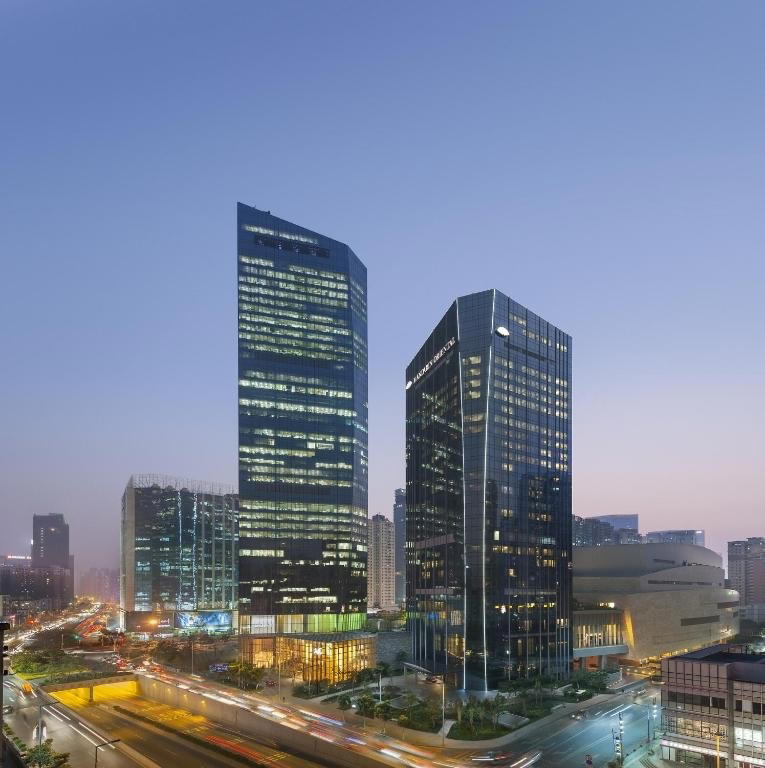
Wisca's address on Huijing North Road in Tianhe District places it in one of Guangzhou's primary commercial and residential zones, an area with significant infrastructure for business dining and an audience that expects both quality and efficiency. Tianhe is not the old Cantonese heartland of Xiguan or the riverfront stretch associated with more heritage-oriented dining rooms. It is a district built for the present, which makes the presence of an awarded Cantonese kitchen here a signal about how the city's food geography has evolved. Serious Cantonese cooking is no longer confined to the traditional quarters.
The broader Guangzhou awarded scene includes addresses across the price spectrum, from the ¥¥¥ tier of BingSheng Mansion (Xiancun Road) and Jade River to the more accessible positioning that Wisca occupies. The ¥¥ tier with dual Michelin and Black Pearl recognition is a narrow segment, and it makes Wisca a practical entry point for visitors who want to engage with Guangzhou's awarded Cantonese tier without the full investment of a ¥¥¥ or ¥¥¥¥ booking. For a broader orientation to eating well in the city, our full Guangzhou restaurants guide maps the range.
Placing Wisca in a Wider Chinese Fine Dining Frame
The contemporary Chinese fine dining circuit connects cities in ways that reward pattern recognition. Xin Rong Ji in Beijing, 102 House in Shanghai, Ru Yuan in Hangzhou, and Xin Rong Ji in Chengdu each represent cities where a premium dining tier has consolidated around Chinese cuisine in a fine dining format. Guangzhou is distinctive within that circuit because its local cuisine is, in the international imagination, already associated with refinement. The Cantonese kitchen does not need to prove legitimacy in the way that, say, Sichuan or Dongbei cuisine might in a fine dining context. The challenge in Guangzhou is not validation but differentiation within a field of strong practitioners.
Wisca's consecutive recognition record suggests it has found a stable answer to that differentiation question, performing with enough consistency to retain its star across evaluation cycles rather than catching a single favourable visit.
For those planning a wider trip through Guangzhou's food and drink scene, the full Guangzhou hotels guide, bars guide, wineries guide, and experiences guide cover the surrounding territory.
Know Before You Go
- Address: Huijing North Road, Tianhe District, Guangzhou, Guangdong, 510651
- Cuisine: Cantonese
- Price range: ¥¥
- Awards: Michelin 1 Star (2024 and 2025); Black Pearl 1 Diamond (2025)
- Booking: Contact details not publicly listed; check current booking platforms active in Guangzhou
- Phone / Website: Not available at time of publication
What Should I Order at Wisca (Haizhu)?
Specific menu details and signature dishes are not available in verified form for Wisca (Haizhu), so no dish-level directives can be responsibly issued here. What the awards record does indicate is that the kitchen has been evaluated positively across both Michelin and Black Pearl criteria, which in a Cantonese context typically reflects precision with proteins, clean stock work, and controlled seasoning rather than complexity for its own sake. Visitors who want a frame of reference for the broader contemporary Cantonese register should also consider the awarded addresses in Guangzhou's ¥¥¥ tier, including Imperial Treasure Fine Chinese Cuisine, Jiang by Chef Fei, and Lai Heen, which together provide a calibration point for what the Guangzhou Cantonese tier looks like across different price and format positions.
Frequently asked questions
Has Wisca (Haizhu) won any awards?
Wisca (Haizhu) has received recognition including: Black Pearl 1 Diamond (2025); Michelin 1 Star (2025); Michelin 1 Star (2024).
What should I order at Wisca (Haizhu)?
Verified dish-level detail for Wisca is not available, so no specific ordering directives can be issued responsibly. What the record does confirm is a Cantonese kitchen that has earned consecutive Michelin Stars (2024 and 2025) alongside a 2025 Black Pearl Diamond — credentials that point toward classical technique applied with contemporary precision. In that category of Guangzhou fine dining, the kitchen's focus tends to rest on ingredient quality and controlled preparation rather than elaborate presentation. Consult the restaurant directly or check current listings for the live menu.
What price level is Wisca (Haizhu)?
Pricing at Wisca (Haizhu) is listed as ¥¥.
Where exactly is Wisca (Haizhu)?
Wisca (Haizhu) is located at 5929+JG9, Huijing N Rd, Tianhe District, Guangzhou, Guangdong Province, China, 510651, Guangzhou.
A Quick Peer Check
| Venue | Cuisine | Price | Awards | Notes |
|---|---|---|---|---|
| Wisca (Haizhu)This venue (the venue you are viewing) | Traditional Cantonese Claypot & Dim Sum | $20–30 | 1 Michelin Star · Black Pearl 1 Diamond | Not listed |
| Imperial Treasure Fine Chinese Cuisine | Fine Dining Cantonese Cuisine | $50–100 | 2 Michelin Stars | Cantonese |
| Taian Table | Fine Dining Cantonese Cuisine | $50–100 | 2 Michelin Stars | Modern European, European Contemporary |
| Chōwa | Fine Dining Cantonese Cuisine | $50–100 | 2 Michelin Stars | Innovative |
| Imperial Treasure Fine Teochew Cuisine | Fine Dining Cantonese Cuisine | $50–100 | 2 Michelin Stars | Chao Zhou |
| Rêver | Fine Dining Cantonese Cuisine | $50–100 | 2 Michelin Stars | French Contemporary |
Recognition history
Dated appearances from independent guides and award organizations, with the underlying list record or original source where available.
Michelin 1 Star
Michelin
Black Pearl 1 Diamond
Black Pearl
Full recognition history (3 entries)
Michelin 1 Star
Michelin
Continue exploring
More in Guangzhou
Restaurants in Guangzhou
All restaurants in Guangzhou →
Bars in Guangzhou
All bars in Guangzhou →
Details
- Classic
- Lively
- Well Known
- Group Dining
- Family
- Casual Hangout
- Open Kitchen
- Private Dining
- Local Sourcing
- Waterfront
- Family Style
- A La Carte
- Vegetarian Friendly
- Allergy Accommodating
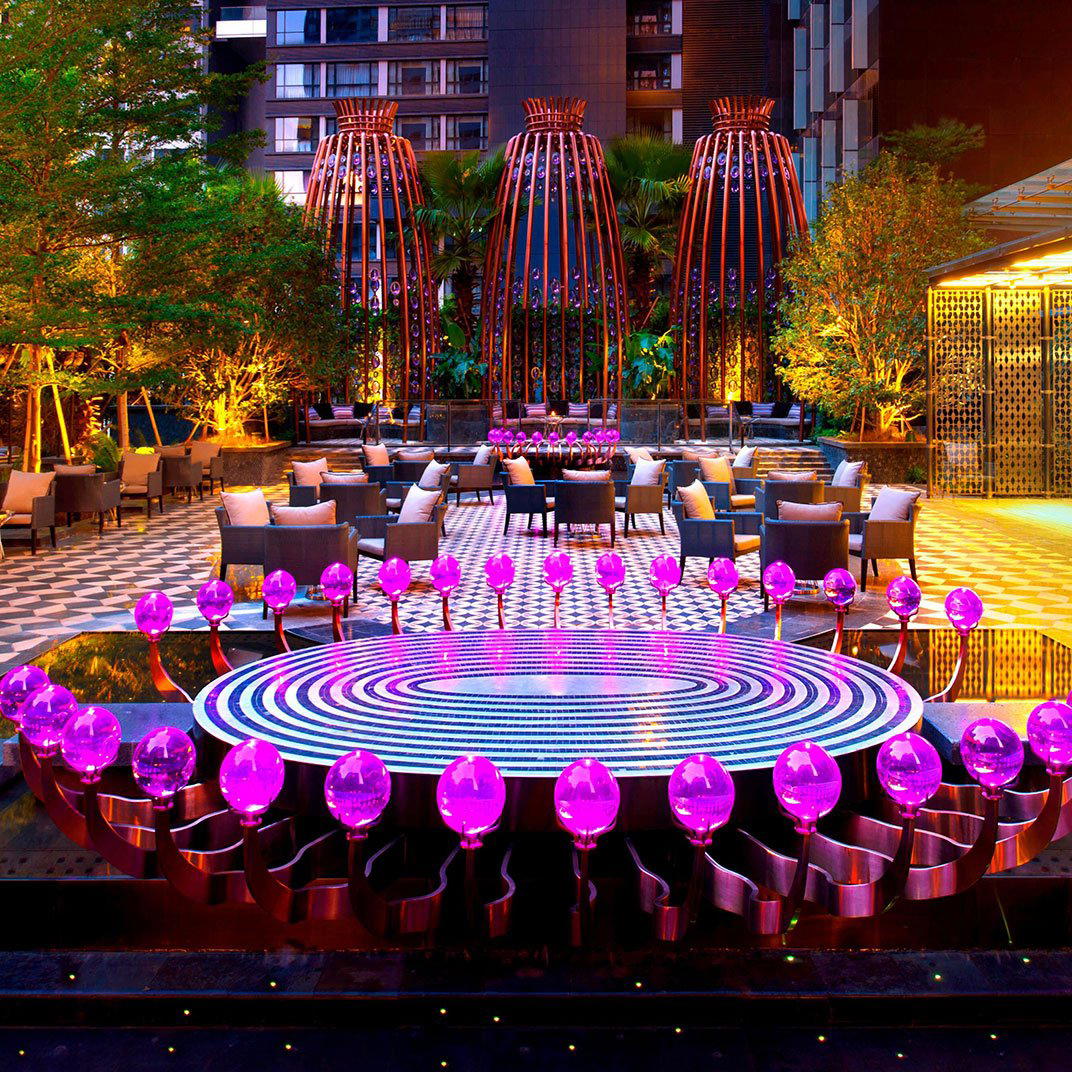
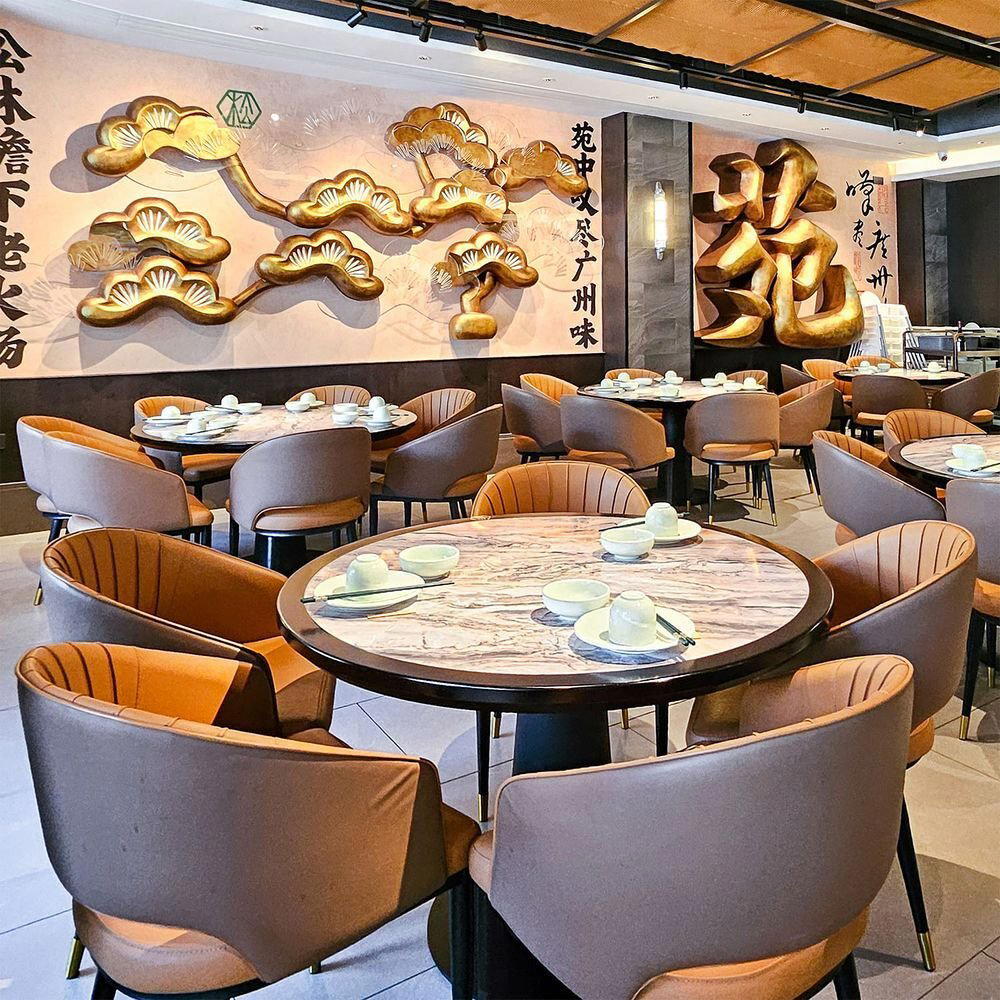
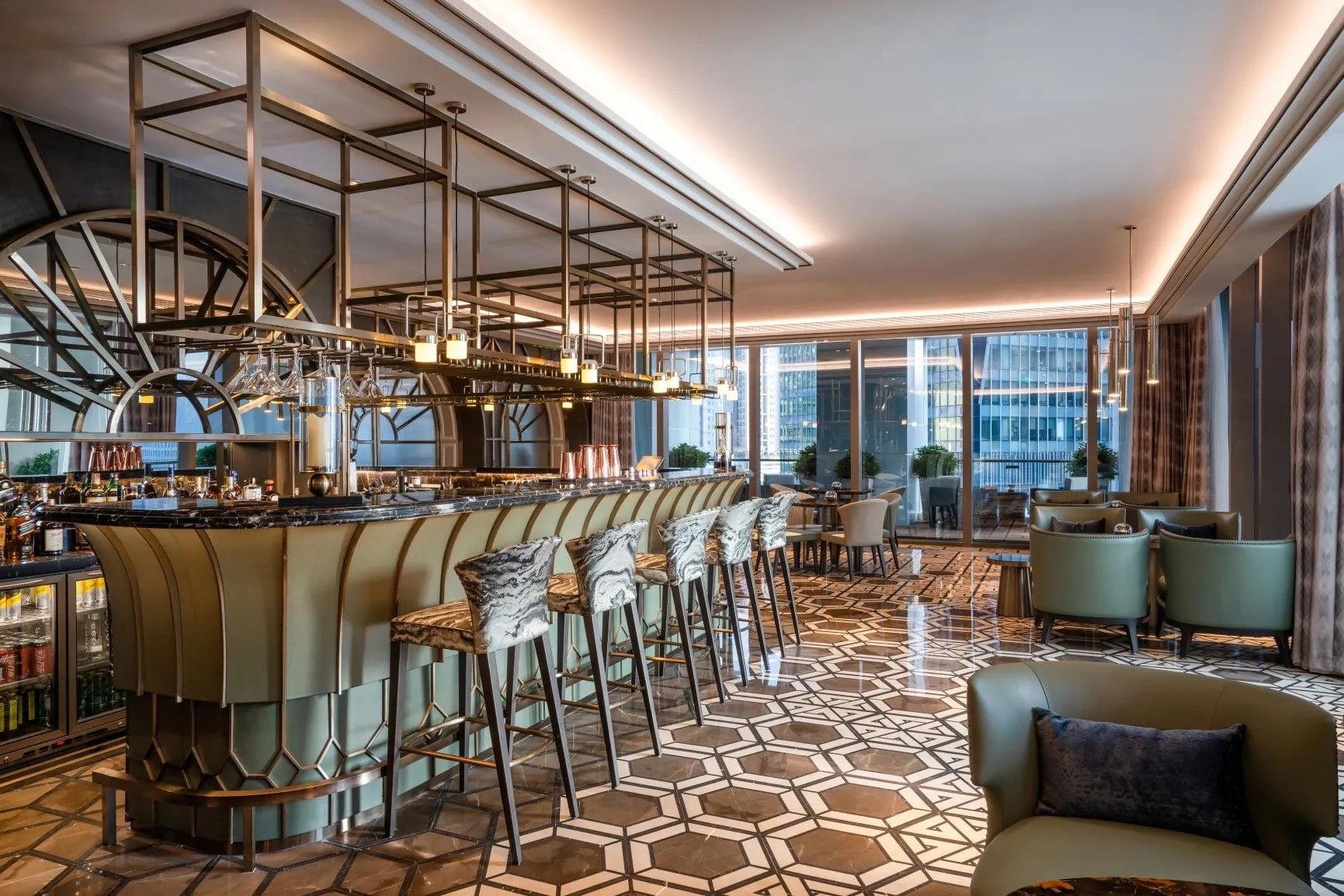
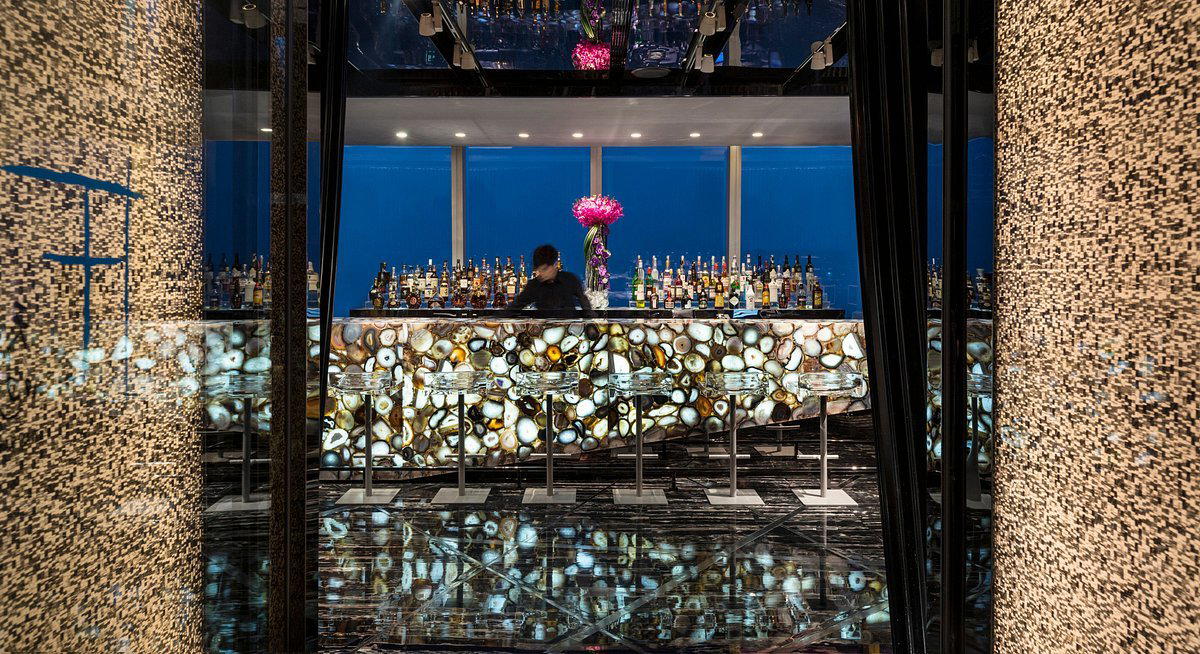
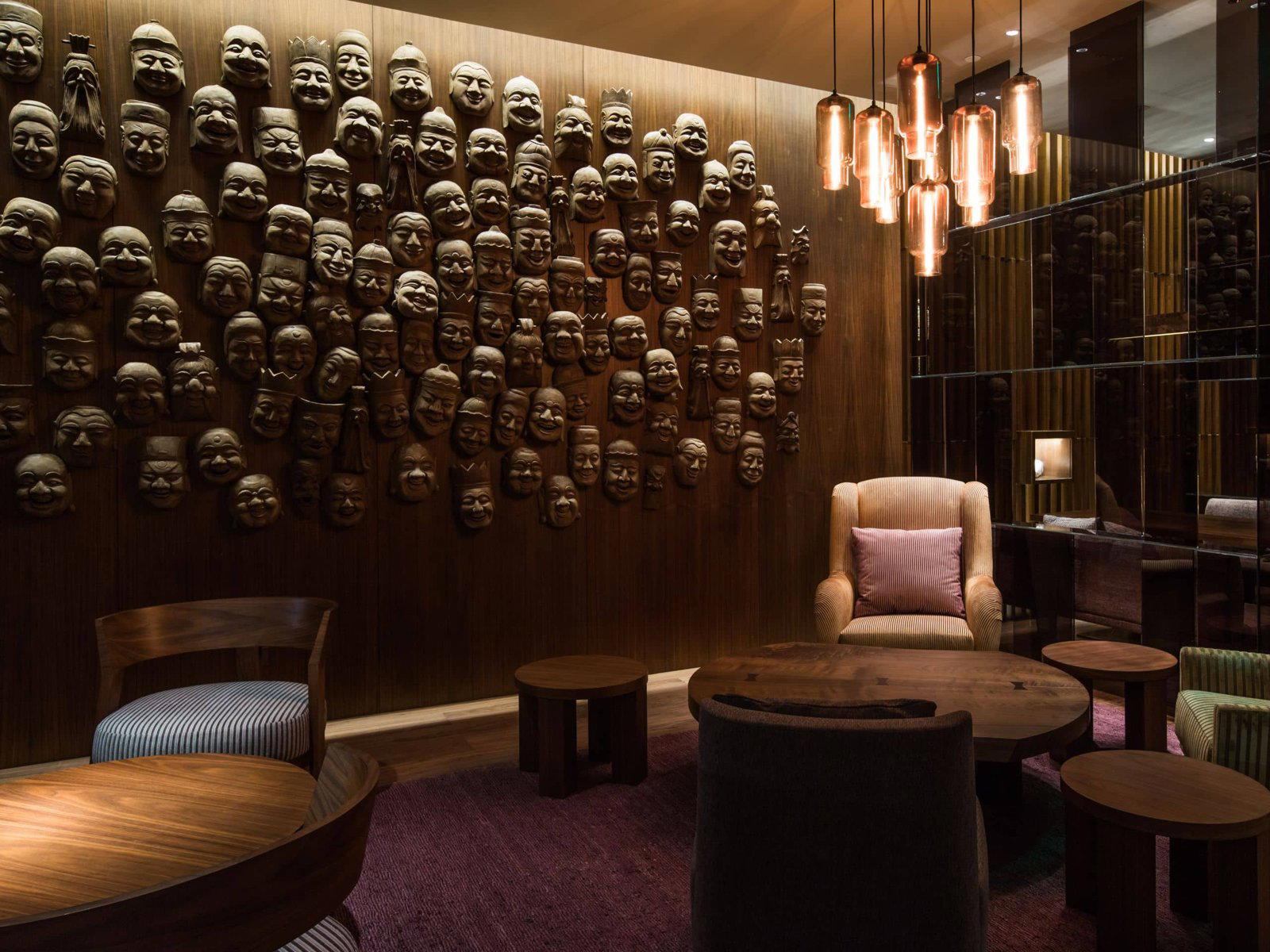
Bright and elegant dining environment with Cantonese ceramic decorations, open kitchen views, and a seafood tank; bustling atmosphere with long queues during peak hours.