Hacienda Real Zona 10
Our verdict
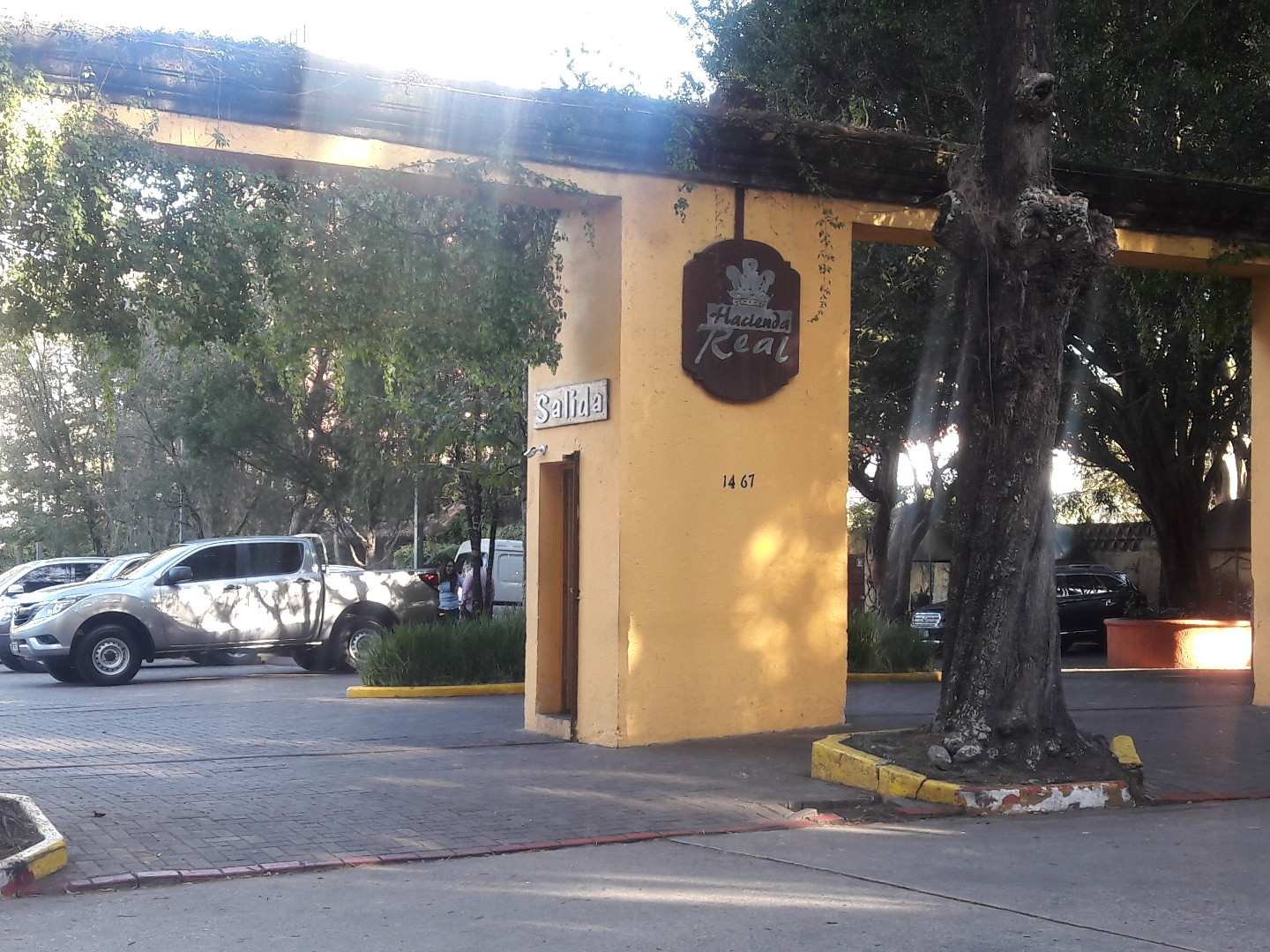
Hacienda Real is one of Zona 10's most established addresses for Guatemalan beef, drawing a loyal local crowd to a dining room that reads more ranch than restaurant. The format is straightforward: quality cuts, consistent execution, and a setting that signals this is where Guatemala City comes to eat meat seriously. It holds its position in the zone's mid-to-upper tier without the fine-dining theatrics of some neighbours.

Pearl is the En Primeur Club membership app, where members save venues, book tables and use the concierge.
Where Zona 10 Goes for Beef
Guatemala City's Zona 10 corridor has developed, over the past two decades, into the capital's most concentrated stretch of serious dining. The zona runs from the financial district through to the residential streets near the American Embassy, and the restaurants that have survived here have done so by serving a clientele that eats out regularly and has opinions. In that context, longevity matters. Hacienda Real, at 5A Avenida 14-67, has held its position in this corridor long enough to accumulate the kind of repeat customer base that no marketing budget can manufacture.
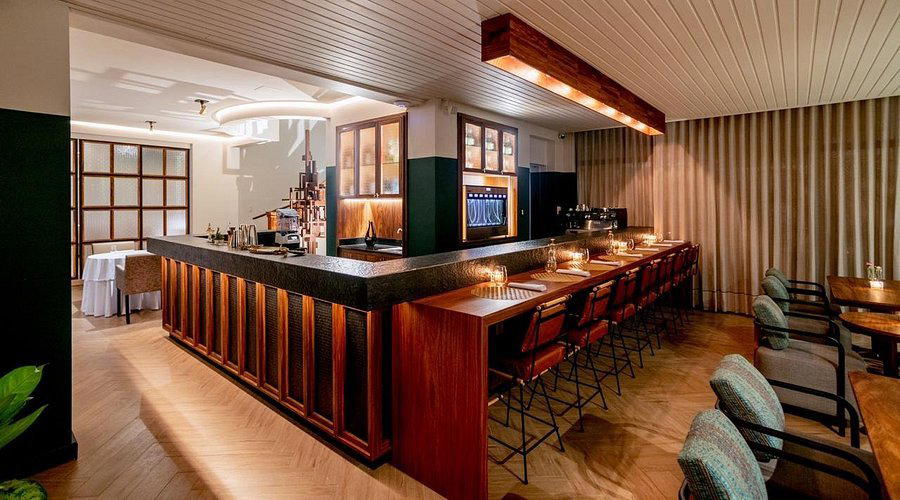
The name signals the format before you walk in. Hacienda Real is a steakhouse in the Guatemalan tradition, which means the reference point is the finca, the working cattle ranch, rather than the American chophouse or the Argentine parrilla, even if all three share DNA. The visual language tends toward dark wood, leather, and the kind of unhurried scale that tells you the kitchen is not chasing trends. This is a room built for the long lunch and the business dinner, not for Instagram composition or tasting menu theatre.
The Sourcing Context That Shapes the Plate
Guatemala is not a country that typically appears in international conversations about beef, but the oversight is worth examining. The country's highland geography and Pacific coastal lowlands produce cattle under conditions that differ significantly from feedlot-intensive operations in North America. Altitude, grass variety, and slower growth cycles all factor into the character of the meat. Guatemalan beef culture has historically been domestic-facing, which means the quality conversation happens largely inside the country rather than through export channels or international press coverage.
For a restaurant operating under the hacienda format, ingredient provenance is the foundational editorial argument. The implicit promise of the name is that the beef comes from somewhere specific, raised under conditions that the restaurant has a relationship with rather than sourced anonymously through a distribution chain. That model, where the cut's origin is part of what you're paying for, now sits at the centre of how premium steakhouses differentiate themselves globally. You see the same logic at work across formats, from Le Bernardin in New York City focusing on sourcing relationships with specific fishermen to Lazy Bear in San Francisco building menus around identified regional producers.
In Guatemala City, the hacienda-format restaurants occupy a distinct niche inside the broader Zona 10 restaurant scene. They are not competing directly with the Guatemalan-modern kitchens like DIACÁ or the international-leaning addresses like Ana. The competitive set is defined by who does beef well, consistently, at a level that justifies the price point over repeat visits.
How It Sits in the Zona 10 Field
Zona 10's dining scene has fractured into several distinct cohorts over the past decade. There are the modernist Guatemalan kitchens working with indigenous ingredients and updated technique. There are the international formats, from Japanese to Italian, serving the capital's expatriate and business-travel population. And then there are the traditional anchor restaurants, places that pre-date the current wave of restaurant openings and have survived precisely because they do one thing at a high, consistent level.
Hacienda Real belongs to that third category. In a zona where newer openings like Clio's and Donde Mikel compete for the attention-driven dining occasion, the hacienda format survives on reliability and occasion-fit. The business lunch, the family celebration, the after-deal dinner: these are the use cases the format is built around, and they require a different kind of consistency than the experiential dining occasion.
For a broader picture of how this fits within the capital's dining geography, the our full Guatemala City restaurants guide covers the range from neighbourhood standbys to the addresses drawing the most critical attention right now. Those looking to build a Guatemala trip beyond the capital will find useful contrast at Kombu Ramen in Antigua Guatemala, Fridas in Antigua, or the lakeside dining at Casa Palopó in Santa Catarina Palopó, each of which represents a different facet of the country's restaurant culture.
Guatemala City itself contains more depth than the usual travel narrative acknowledges. Beyond the Zona 10 concentration, addresses like Luka in Ciudad De Guatemala and Casa Escobar at Paseo Cayalá reflect a city actively building a restaurant culture that extends past the traditional beef-and-black-beans frame. Further afield, Restaurante La Danta in Flores, Pacaya in San Vicente Pacaya, Pappy's BBQ in La Antigua Guatemala, and Restaurant Don Carlos, Mazate in Mazatenango each anchor a regional dining moment worth building around.
For those calibrating Guatemala City's restaurant scene against international reference points, the trajectory here resembles what happened in other Latin American capitals when local ingredient confidence started outpacing the import-oriented prestige model. The shift at places like Atomix in New York City, which built its reputation on Korean-ingredient specificity rather than French-technique universalism, or Emeril's in New Orleans with its Louisiana-sourcing identity, offers a useful frame for understanding why the hacienda model, done well, carries cultural and commercial durability.
Planning Your Visit
Hacienda Real sits in the heart of Zona 10 at 5A Avenida 14-67, accessible by taxi or rideshare from the major hotels in the zona and from the historic centre. The address is firmly within Guatemala City's most commercially active dining corridor, which means parking and access are direct by capital standards. No phone number or website is listed in current directories, so advance contact is leading handled by asking your hotel concierge to confirm current hours and reservation requirements, which is standard practice for established restaurants in this part of the city. The format and clientele lean toward the traditional and the occasion-driven, making it suited to the kind of sit-down meal that runs past two hours without pressure.
Frequently asked questions
Would Hacienda Real Zona 10 be comfortable with kids?
The hacienda format that Hacienda Real operates within is built around unhurried, communal dining, which tends to suit families more naturally than tasting-menu or bar-forward concepts. The meat-forward menu at 5A Avenida 14-67 gives younger diners straightforward options without requiring navigation of a complex or experimental kitchen. Guatemala City's Zona 10 restaurants in this category are accustomed to mixed groups across age ranges.
What should I expect atmosphere-wise at Hacienda Real Zona 10?
Zona 10 anchor steakhouses occupy a register that sits between a neighbourhood grill and a formal dining room: considered in presentation, but without the theatrical production of the capital's modernist kitchens. At 5A Avenida 14-67, the hacienda format signals a certain groundedness, the room orients around the food and the table rather than around spectacle. Dress code expectations align with Zona 10's general standard, which runs toward smart but not ceremonial.
Is Hacienda Real Zona 10 a good entry point for understanding Guatemalan beef culture?
For visitors whose Latin American beef reference runs through Argentina or Brazil, the Guatemalan hacienda format at Hacienda Real offers a different register entirely. Guatemala's highland cattle country produces beef with its own distinct characteristics, and a restaurant at the Zona 10 level, Guatemala City's most concentrated serious dining corridor, gives that product a considered context. It functions as a practical introduction to how Guatemalan beef culture differs from its more internationally covered regional counterparts.
What do regulars order at Hacienda Real Zona 10?
In a Guatemalan hacienda-format restaurant, the returning customer's order is almost always anchored in beef. The kitchen's consistency on cuts is the primary reason guests come back, and at a venue positioned in Zona 10's competitive dining corridor, that consistency is what separates the regulars from the first-timers. Side dishes and accompaniments follow the hacienda tradition rather than a contemporary or fusion framework.
Where do I go for Hacienda Real Zona 10?
Hacienda Real Zona 10 is located at zona 10, 5A Avenida 14-67, Cdad. de Guatemala 01010, Guatemala, Guatemala City.
Comparable Venues
Comparable venues nearby, for context on price, style, and recognition.
| Venue | Cuisine | Price | Awards | Notes |
|---|---|---|---|---|
| Hacienda Real Zona 10This venue (the venue you are viewing) | Guatemalan Steakhouse | $20–30 | Not listed | Not listed |
| Donde Mikel | Basque-Style Seafood & Grilled Meats | $30–50 | Not listed | Zona 10 |
| Casa Escobar... Paseo Cayalá | Guatemalan Steakhouse | $30–50 | Not listed | Paseo Cayalá |
| Flor de Lis | Modern Mayan Fusion Tasting | $50–100 | The Best Chef One Knife | Guatemala City |
| Clio's | French Fusion | $30–50 | Not listed | Zona 10 |
| L’Aperó | Wood-Fired Artisan Pizza | $10–20 | 50 Top Pizza Latin America #37 | Guatemala City |
Continue exploring
More in Guatemala City
Restaurants in Guatemala City
All restaurants in Guatemala City →

Hotels in Guatemala City
Browse all →
Details
- Elegant
- Classic
- Cozy
- Family
- Business Dinner
- Special Occasion
- Group Dining
- Terrace
- A La Carte
Current opening hours
- Monday
- 12–11 PM
- Tuesday
- 12–11 PM
- Wednesday
- 12–11 PM
- Thursday
- 12–11 PM
- Friday
- 12–11 PM
- Saturday
- 12–11 PM
- Sunday
- 12–11 PM
Hours can change for holidays and private events. Hours as of .
Warm and inviting hacienda atmosphere with colonial-style decor, beautiful terrace, central fountain on covered patio, and welcoming lighting well-suited for family and special occasions.