Sublime Restaurant




Sublime Restaurant sits in Guatemala City's Zona 14 with a 12-course tasting menu that traces Guatemalan history from pre-Columbian origins through Spanish colonial syncretism to the country's culinary present. Chef Sergio Díaz and anthropologist Jocelyn Degollado collaborate on a format that places Guatemala City on the regional tasting-menu circuit, recognised by Opinionated About Dining's 2025 Top Restaurants in North America list.
 Discover on Pearl
Pearl is the En Primeur Club membership app — saves, bookings, and concierge access live there. Same editors, same standards.
- Address
- 12 Calle 4-15, Cdad. de Guatemala 01014, Guatemala
- Phone
- +502 5000 4442
- Website
- sublimerestaurante.com
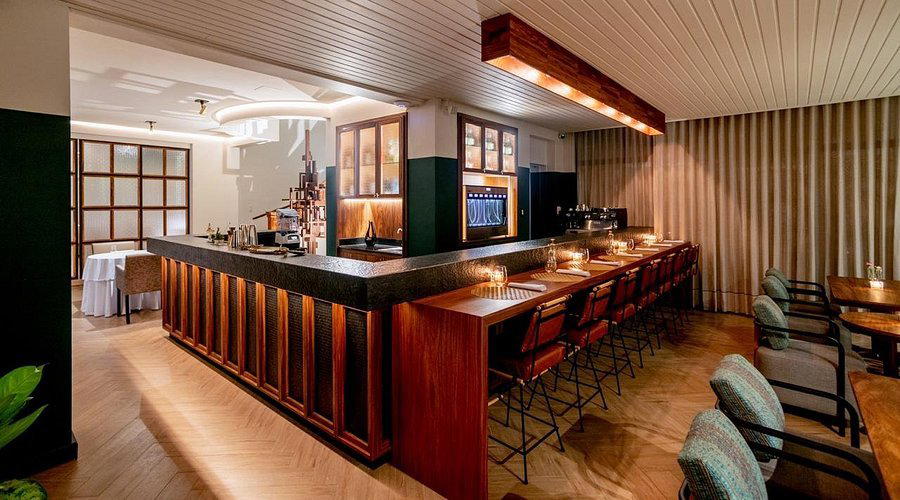
Where Guatemala City's Fine Dining Conversation Is Happening
Zona 14, the financial and diplomatic district in Guatemala City's southern reaches, has quietly become the address that matters for the capital's most considered restaurants. The streets around 12 Calle carry the low-key confidence of a neighbourhood that doesn't need to announce itself: corporate headquarters, international embassies, and a cluster of dining rooms that have moved well past the city's older tourist-facing circuits. Sublime sits at 12 Calle 4-15, inside that Zona 14 corridor.
Guatemala City's fine dining scene has, over the past decade, split between two poles. On one side are restaurants working a broadly Latin-international register, accessible to business travellers and expats with little local specificity. On the other is a smaller group making a more deliberate argument: that Guatemalan ingredients, indigenous techniques, and the country's layered colonial history are material enough to build a serious tasting-menu programme. Sublime belongs firmly to the second group, and its 2025 recognition from Opinionated About Dining's Leading Restaurants in North America list places it in a comparable set that includes some of the region's most demanding formats.
The 12-Course Architecture
The menu runs twelve courses and is structured as an argument rather than a sequence of dishes. It begins in the pre-Columbian period, moves through the Spanish colonial era and its syncretic food culture, and arrives at a set of propositions about what Guatemalan cuisine might look like from here. That chronological architecture is not decorative: it determines what ingredients appear, how they are prepared, and in what order the diner encounters them. Pre-Hispanic corn, chili, and cacao traditions give way, mid-sequence, to the dairy, pork, and wheat influences that arrived with the Spanish, and the later courses draw on both threads simultaneously.
What makes the format unusual within the Central American tasting-menu category is the formal collaboration between Chef Sergio Díaz and anthropologist Jocelyn Degollado. Tasting menus with cultural or historical framing are not uncommon at this level globally, but the involvement of a named anthropologist in the concept's construction is a structural choice that separates Sublime from restaurants where historical narrative is used loosely as atmosphere. The anthropological input shapes which historical moments the menu addresses and how those moments are translated into specific techniques and presentations. Díaz brings the modern execution; Degollado brings the research framework. The result is a menu where the storytelling can be interrogated rather than simply accepted.
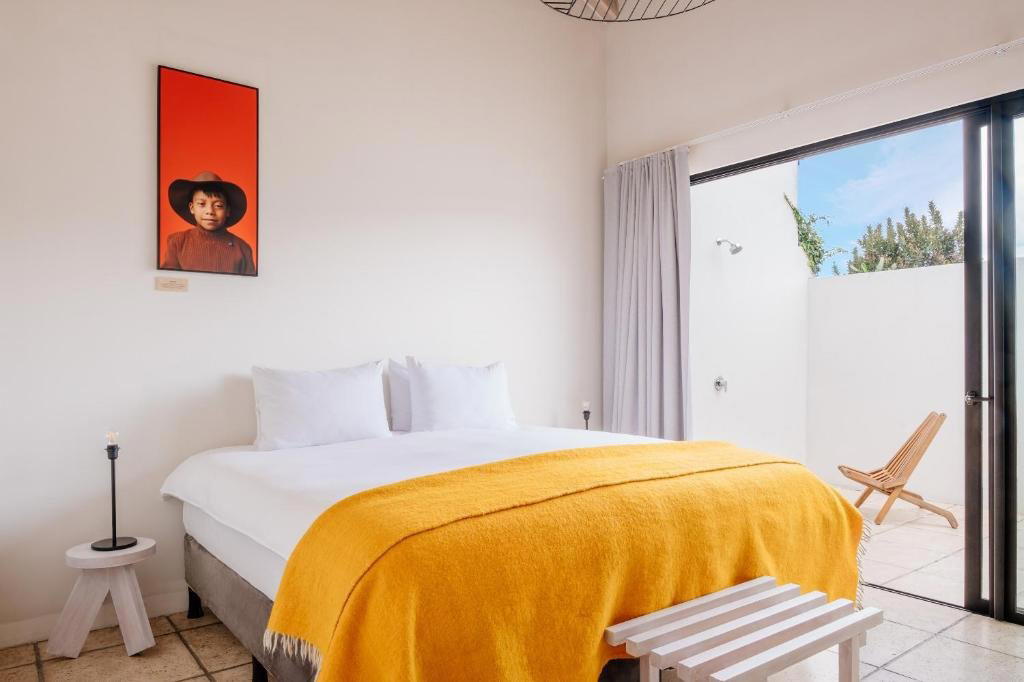
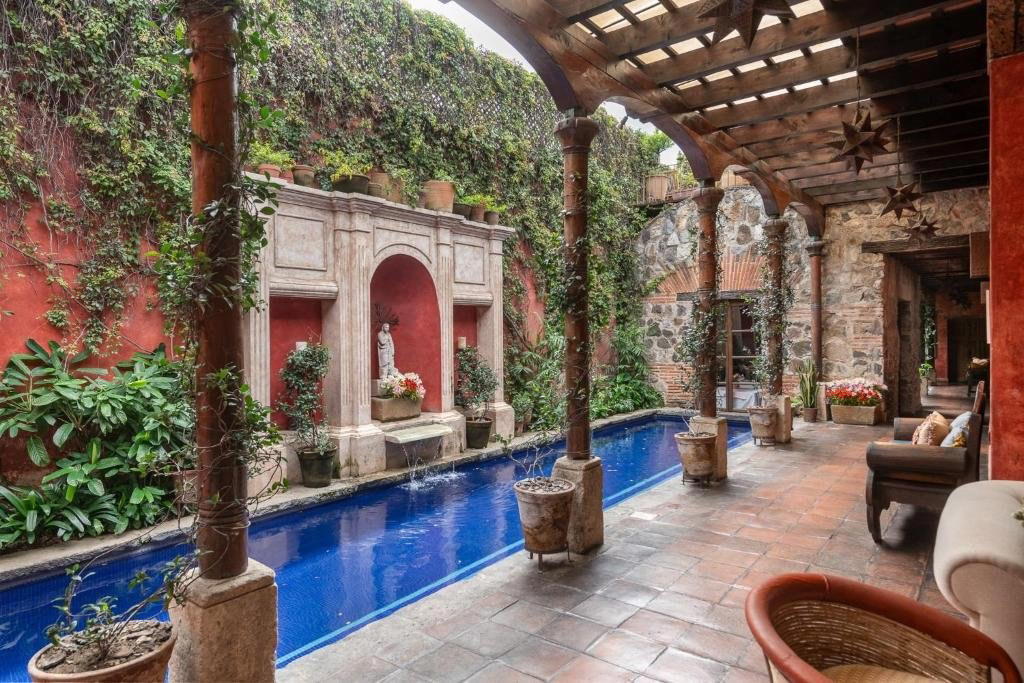
Regional art pieces are incorporated into the dining environment, functioning as context rather than decoration. The physical space of Zona 14 addresses tend toward the restrained and clean-lined, and Sublime works within that register while using locally sourced art to provide historical grounding that the architecture of the district itself, largely built in the late twentieth century, cannot supply.
Sublime in the Guatemala City Restaurant Context
Guatemala City's serious restaurant tier has grown considerably since the early 2010s, but it remains small enough that each new entrant into the tasting-menu format changes the conversation. DIACÁ and Ana occupy adjacent space in the city's considered-dining circuit, each approaching local identity from different angles. Flor de Lis and Mercado 24 extend the range toward different formats and price points. What Sublime does that few peers attempt is treat the menu itself as a structured historical document, one that demands sustained attention across twelve courses rather than episodic pleasure.
Compared with Latin tasting-menu programmes in larger markets, including Matador Room in Miami and Chica in Las Vegas, Sublime is working from a very different brief: specificity over accessibility, historical argument over crowd-pleasing range. That positioning carries risk in a market where international visitors often arrive with limited knowledge of Guatemalan culinary history, but the OAD recognition suggests the format is communicating beyond the domestic audience.
The comparison most useful for understanding Sublime's ambitions is probably not within Central America at all. Tasting menus structured around national culinary history have become a serious category globally, with Le Bernardin in New York City demonstrating the longevity possible when a restaurant commits entirely to a singular culinary argument, and 8½ Otto e Mezzo Bombana in Hong Kong showing how a tradition-rooted programme can sustain credibility across markets. Sublime is operating at a different scale, but the structural ambition belongs to the same category of thinking.
Guatemala City as a Culinary Destination
Guatemala is better known internationally for Antigua's colonial architecture and Lake Atitlán's scenery than for its capital's restaurants, and that gap between the country's culinary depth and its international reputation is something the city's more serious kitchens are actively working against. 6.8 Palopó in Santa Catarina Palopó and Villa Bokéh in Antigua demonstrate that the country's restaurant ambition extends well beyond the capital, but Guatemala City remains the most concentrated expression of that ambition, with Zona 14 as its current centre of gravity.
The city holds a Google rating of 4.7 across 408 reviews for Sublime. For a twelve-course historical tasting menu in a capital city, that kind of civilian reception matters.
Planning a Visit
Sublime operates from 12 Calle 4-15 in Zona 14, Guatemala City's central-south financial district. Reservations are essential. The twelve-course format is a commitment in both time and attention. The Zona 14 address puts Sublime within reach of the city's main hotel corridor, and the district is well-served by both private hire and app-based transport.
What's the Signature Dish at Sublime Restaurant?
Sublime does not operate a single-dish identity. The format is a 12-course tasting menu built around Guatemalan culinary history, meaning the menu as a whole is the offering. Opinionated About Dining's recognition highlights the menu's grounding in pre-Columbian traditions, Spanish colonial syncretism, and modern technique as the defining elements. Chef Sergio Díaz and anthropologist Jocelyn Degollado shape each course sequence around a historical argument, so the experience shifts depending on where in the narrative the kitchen chooses to focus in a given period.
Where the Accolades Land
Comparable venues nearby, for context on price, style, and recognition.
| Venue | Cuisine |
|---|---|
| Sublime RestaurantThis venue — the venue you are viewing | Latin |
| Ana | |
| DIACÁ | |
| Flor de Lis | |
| Mercado 24 |
Continue exploring
More in Guatemala City
Restaurants in Guatemala City
Browse all →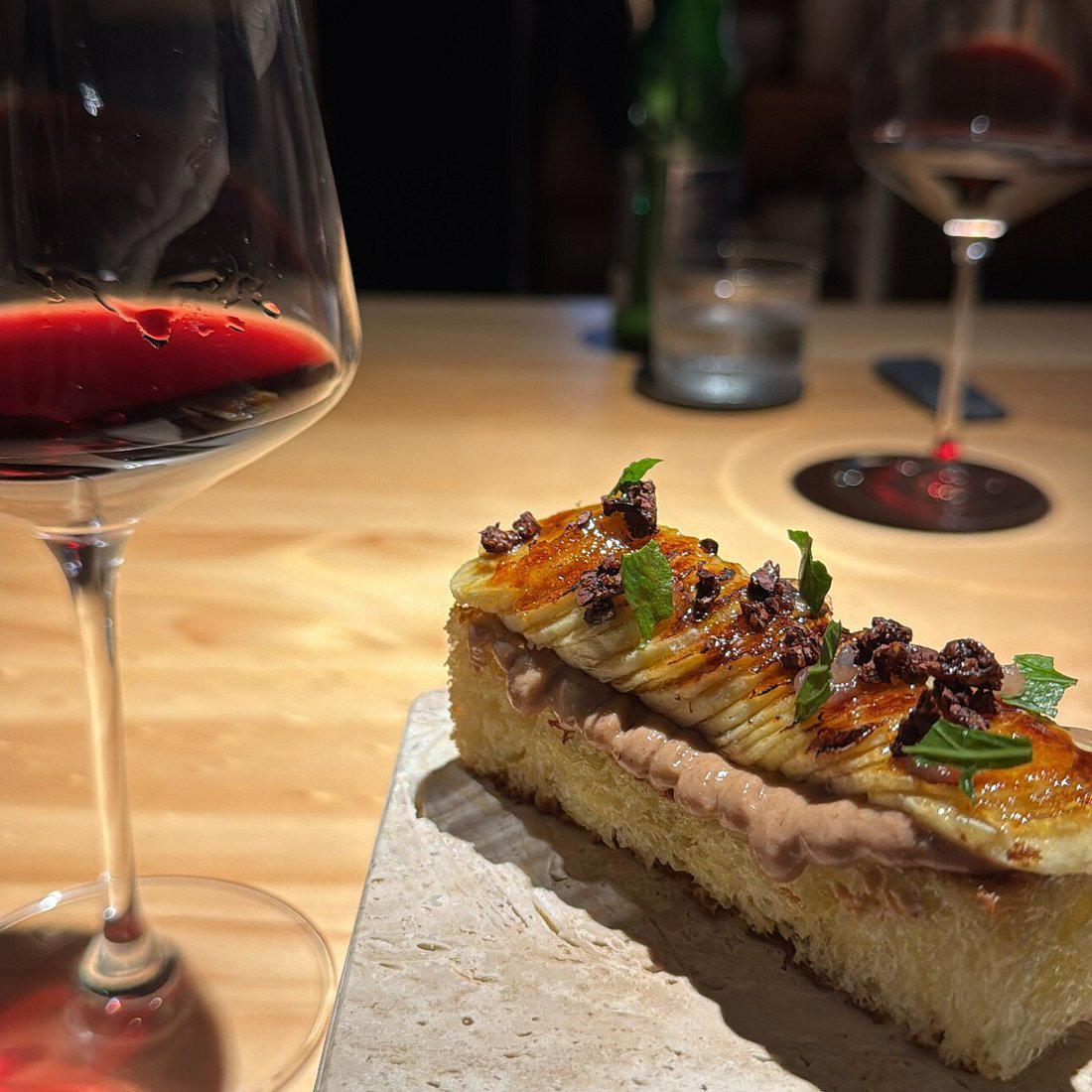
At a Glance
- Elegant
- Sophisticated
- Intimate
- Cozy
- Date Night
- Special Occasion
- Business Dinner
- Open Kitchen
- Extensive Wine List
- Sommelier Led
- Local Sourcing
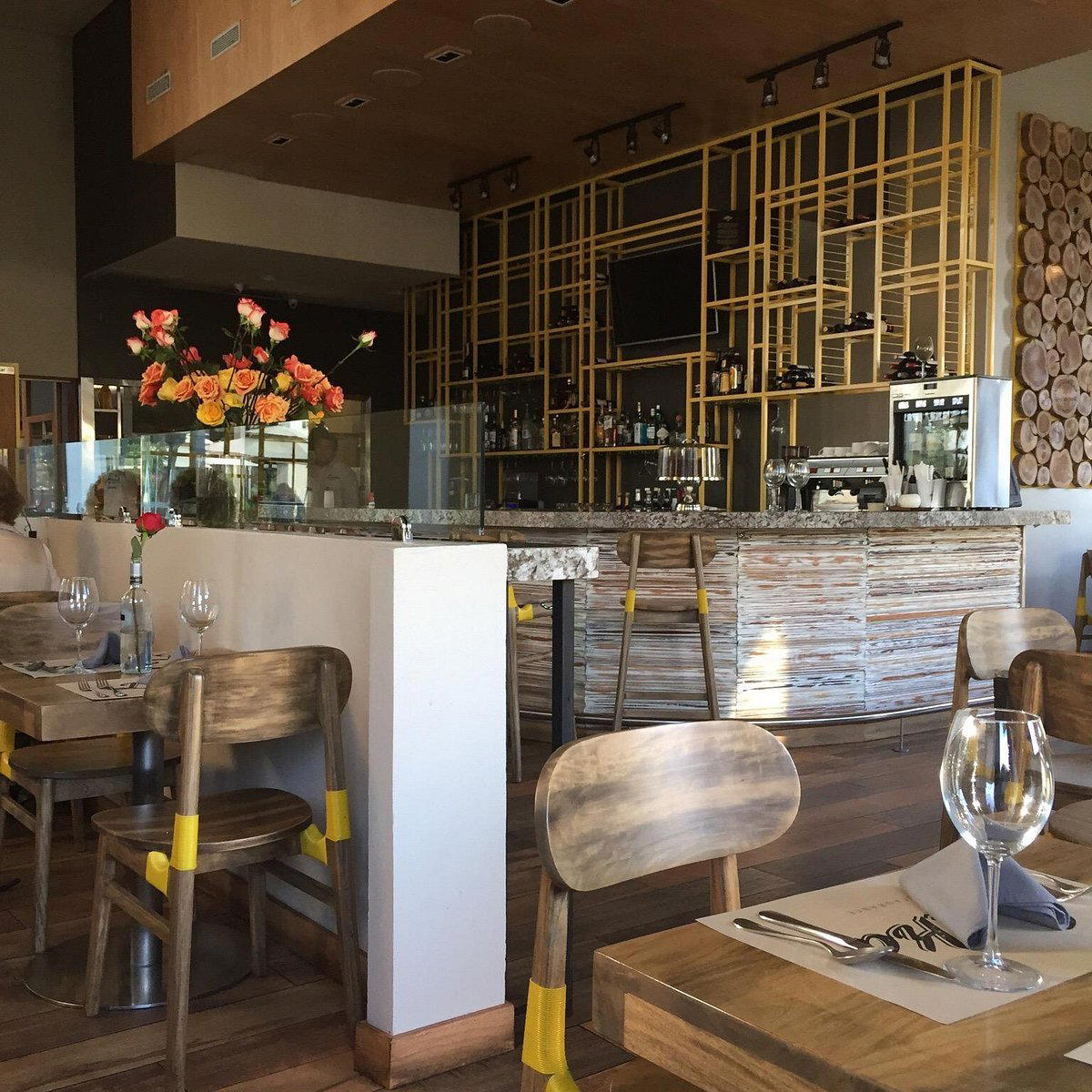
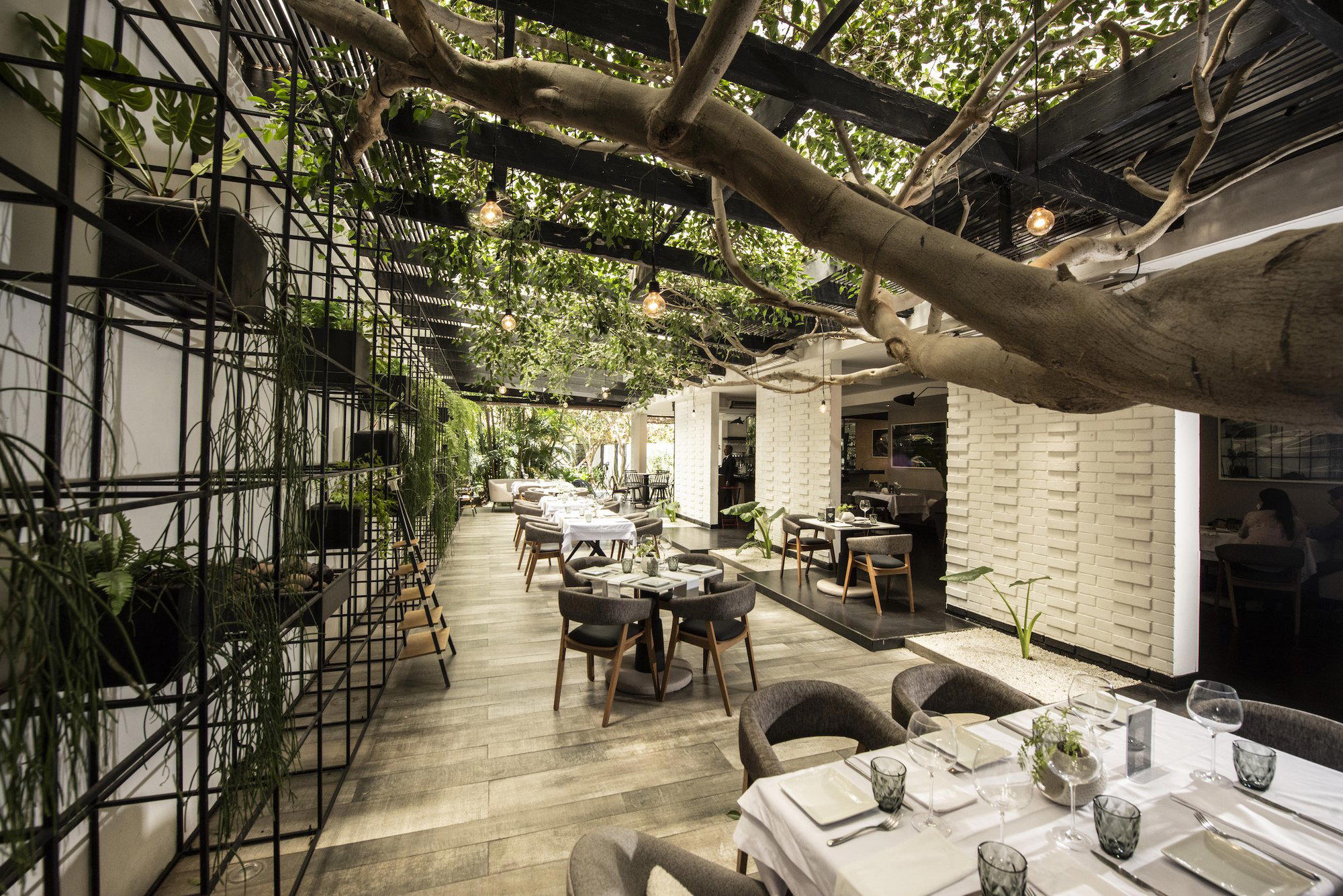
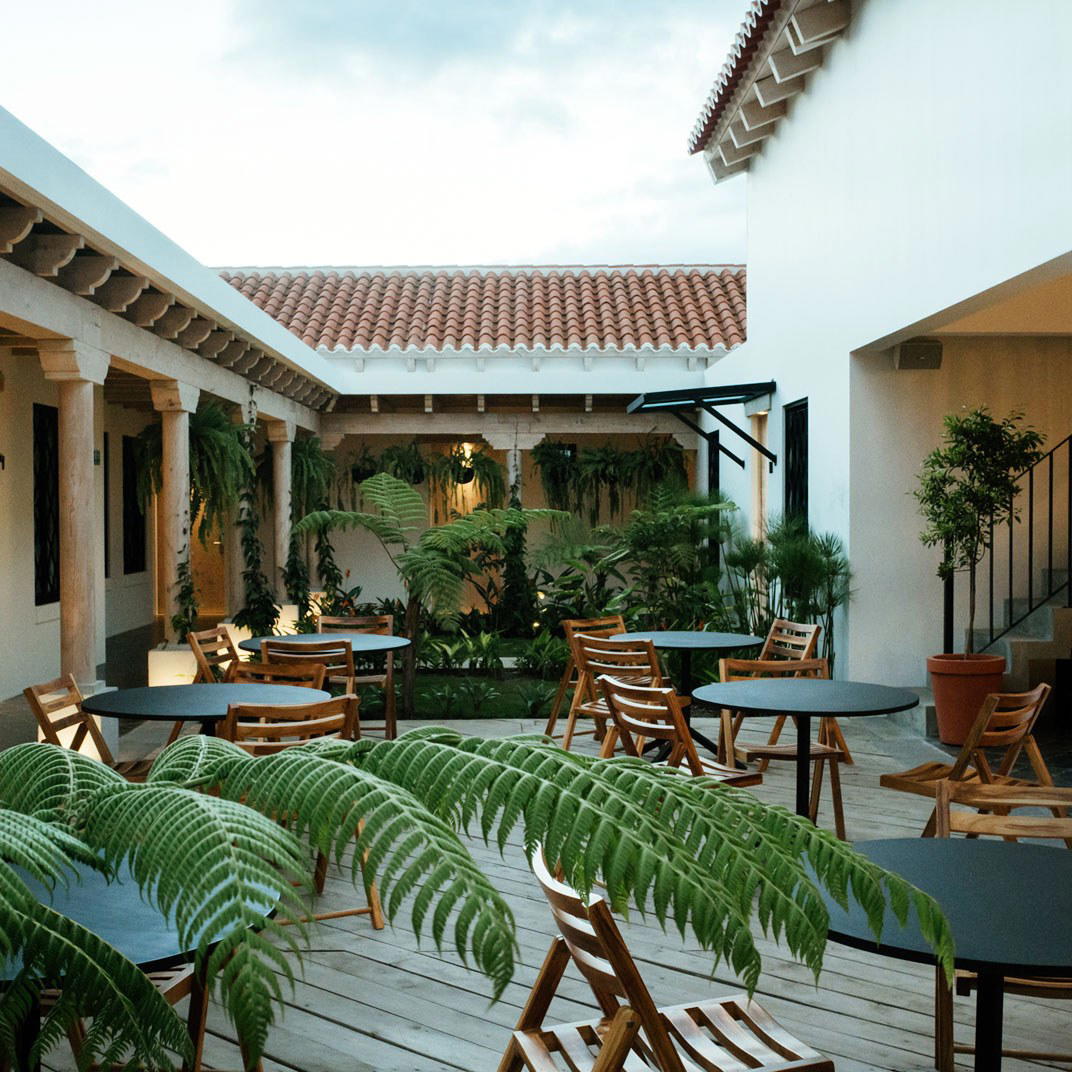
Intimate and classy with tasteful decor, warm lighting, and a tranquil yet elegant atmosphere.