DIACÁ


World's 50 Best #37 · The Best Chef Three Knives
Our verdict
DIACÁ in Guatemala City presents Contemporary Guatemalan tasting menus that celebrate 100% local, seasonal produce. Must-try dishes include Membrillo de la abuela, Chilacayote, and Maleta de frijol. Led by Terroir Award 2025 chef Debora Fadul, the kitchen translates microclimates and farm stories into six- or eight-course menus. Expect precise plating, bright citrus and herb notes, and warm, inviting service in an intimate 50-seat dining room. Reservations via OpenTable are recommended for this focused culinary experience that pairs inventive cocktails and regional wines with deeply rooted Guatemalan flavors.

Pearl is the En Primeur Club membership app, where members save venues, book tables and use the concierge.
The menu
What to order
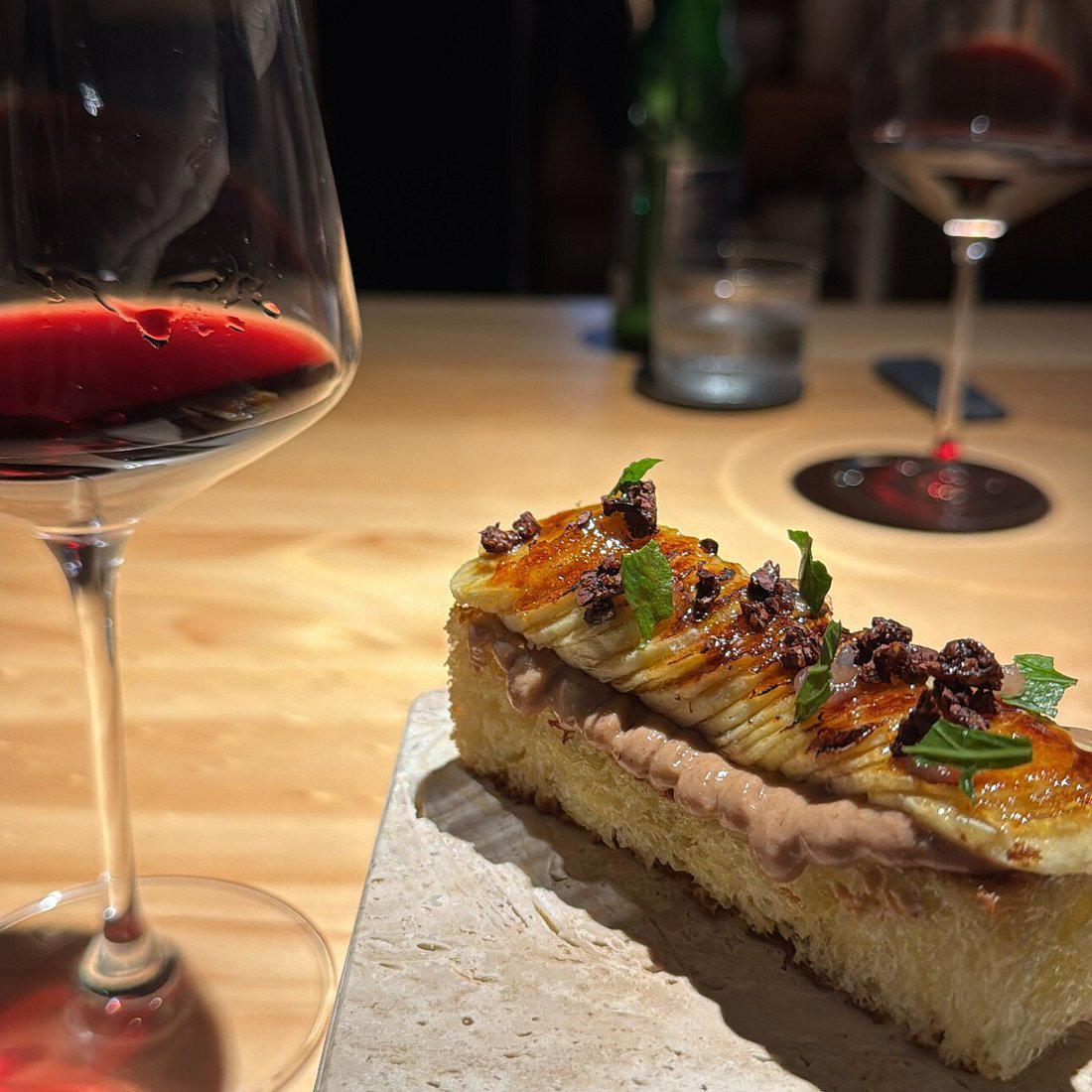
- Stewed papaya ratatouille with sweet potato gnocchi
- Seasonal green soup
Where Guatemala's Soil Meets the Plate
The address alone signals that DIACÁ operates outside the city's conventional dining circuit. Situated along the Antigua-Salvador highway corridor in Colonia el Prado, the restaurant sits in a part of the capital that rewards intention rather than impulse. You arrive because you planned to. That deliberateness sets the mood before the first course arrives.
Guatemala City's serious dining scene has spent the better part of the last decade renegotiating its relationship with its own geography. For a long time, fine-dining credibility here was measured against European templates, with French technique and imported product treated as proxies for quality. DIACÁ belongs to the current that runs against that current: a generation of chefs and restaurants arguing, through what they serve, that Guatemala's volcanic soils, highland markets, and indigenous food traditions constitute a serious culinary foundation on their own terms. Ana, Flor de Lis, and Sublime Restaurant each make versions of this argument from different angles. DIACÁ makes it through ingredient sourcing as primary discipline.
The Sourcing Logic
The kitchen's orientation around seasonal Guatemalan produce is not a marketing position, it functions as a structural constraint that shapes the menu from the ground up. Guatemala's agricultural regions are genuinely diverse: the highlands around Quetzaltenango yield cold-weather vegetables and herbs that behave differently from lowland produce; Pacific coast zones contribute their own seasonal rhythms; and small-scale indigenous producers across the country maintain crop varieties that never appear in export supply chains. A kitchen committed to working within those networks is, by definition, working with ingredients that change with the calendar and the relationship.
This is the approach that earned DIACÁ's head chef, Debora Fadul, the Terroir Award in 2025, a recognition that speaks directly to the kitchen's fidelity to place rather than to any single technique or style. The award positions the restaurant inside a global conversation about terroir-driven cooking that has reshaped serious dining from Lazy Bear in San Francisco to Atomix in New York City, but DIACÁ's version of that conversation happens against a backdrop, Guatemalan agricultural heritage, that has rarely been given this level of formal culinary attention.
The global restaurants most often recognized for terroir-forward cooking tend to cluster in regions where the wine world has already mapped and marketed the connection between soil and flavor: Burgundy, coastal California, certain pockets of Japan. Central American terroir is a newer editorial subject at that level, which makes the 2025 recognition more pointed as a signal.
The Kitchen's Frame of Reference
Fadul trained at Camille, the Guatemala City school of haute cuisine operating under Jorge Lamport, where the curriculum emphasized respect for local ingredients alongside classical foundations. That pairing matters: it means the kitchen at DIACÁ operates with technical literacy rather than rustic nostalgia. The dishes described as inventive in the restaurant's award citation are inventive in the sense that technique is applied to amplify ingredients rather than to substitute for them, a distinction that separates DIACÁ from restaurants that deploy seasonal language while running menus built around imported luxury product.
The philosophical frame the kitchen works within connects the producer, the ingredient, and the guest as a continuous chain rather than treating them as separate departments. In practice, this typically means menus that shift with genuine seasonal availability rather than rotating on fixed quarterly cycles, and dishes that carry context about origin and method rather than presenting food as abstracted flavor experience. Restaurants like Alinea in Chicago or Alléno Paris au Pavillon Ledoyen have shown that technical ambition and ingredient fidelity can reinforce rather than undercut each other. DIACÁ draws that line through Guatemalan geography specifically.
Context Within Guatemala City's Table
Guatemala City's premium dining options have expanded enough in recent years to constitute a genuine scene rather than a handful of outliers. Mercado 24 approaches the city's food culture through a more market-oriented format. The lakeside setting of 6.8 Palopó in Santa Catarina Palopó offers a counterpoint to the capital's urban register. What distinguishes DIACÁ within this set is the specificity of its sourcing argument and the formal award recognition that has come with it. The 2025 Terroir Award is the kind of credential that tends to concentrate international attention, the sort of thing that puts a restaurant on the itinerary for a category of traveler who might otherwise look only at Le Bernardin in New York City or 8 1/2 Otto e Mezzo Bombana in Hong Kong as reference points for serious dining.
Within Central America, DIACÁ's positioning is relatively rare. The region's fine-dining tier has historically been thinner than its agricultural diversity would suggest, partly because export-oriented agriculture has trained local perception away from the premium value of domestic varieties. A restaurant that inverts that logic, treating local and seasonal as the high-value tier rather than the fallback, is doing something that requires a specific kind of audience development alongside the cooking itself.
Planning Your Visit
DIACÁ's location on the Antigua-Salvador highway requires a car or a specific taxi booking from the city center; this is not a walk-in neighborhood. Given the 2025 Terroir Award recognition and the restaurant's existing profile among Guatemala City's serious dining audience, booking ahead is sensible, the award-season period in particular tends to generate concentrated demand at this tier. Specific hours, current pricing, and reservation channels are best confirmed directly through current local listings, as this information is subject to change. For broader orientation on where DIACÁ sits within the capital's hospitality offer, our full Guatemala City restaurants guide maps the field. Those building a longer stay should also consult our full Guatemala City hotels guide, our full Guatemala City bars guide, our full Guatemala City wineries guide, and our full Guatemala City experiences guide for a complete picture of what the city currently offers at the premium tier.
Frequently asked questions
Has DIACÁ won any awards?
DIACÁ has received recognition including: Inventive dishes championing the best of Guatemala’s seasonal offerings.; Chef: Debora Fadul Terroir Award 2025 Debora Fadul, born on June 1, 1989, in Guatemala City, is a prominent figure in Guatemalan gastronomy. After studying at Camille….
What's the address for DIACÁ?
DIACÁ is located at Cámara Guatemalteca de la Construcción Colonia el Prado, Carr. Antigua al Salvador, Cdad. de Guatemala, Guatemala, Guatemala City.
Who is the chef or culinary lead at DIACÁ?
The chef associated with DIACÁ is Debora Fadul.
How far ahead should I plan for DIACÁ?
Reservations are recommended for DIACÁ in Guatemala City. Confirm current policy via the venue's official channels.
Cost Snapshot
| Venue | Cuisine | Price | Awards |
|---|---|---|---|
| DIACÁThis venue (the venue you are viewing) | Modern Guatemalan Fine Dining | $50–100 | World's 50 Best #37 · The Best Chef Three Knives |
| Sublime Restaurant | Latin | Not listed | Not listed |
| Ana | Modern Latin Fusion Tasting Menu | $100–150 | World's 50 Best #94 · The Best Chef One Knife |
| Flor de Lis | Modern Mayan Fusion Tasting | $50–100 | The Best Chef One Knife |
| Mercado 24 | Modern Guatemalan | $20–30 | World's 50 Best #42 · The Best Chef One Knife |
Recognition history
Dated appearances from independent guides and award organizations, with the underlying list record or original source where available.
World's 50 Best Latin America's Best Restaurants #37
World's 50 Best
The Best Chef Three Knives
The Best Chef
Continue exploring
More in Guatemala City
Restaurants in Guatemala City
All restaurants in Guatemala City →
Hotels in Guatemala City
Browse all →
Details
- Modern
- Elegant
- Sophisticated
- Special Occasion
- Panoramic View
- Beer Program
- Local Sourcing
- Skyline
- Tasting Menu
- Vegetarian Friendly
- Vegan Options
Current opening hours
- Monday
- Closed
- Tuesday
- 12:30–10 PM
- Wednesday
- 12:30–10 PM
- Thursday
- 12:30–10 PM
- Friday
- 12:30–10 PM
- Saturday
- 12:30–10 PM
- Sunday
- Closed
Hours can change for holidays and private events. Hours as of .
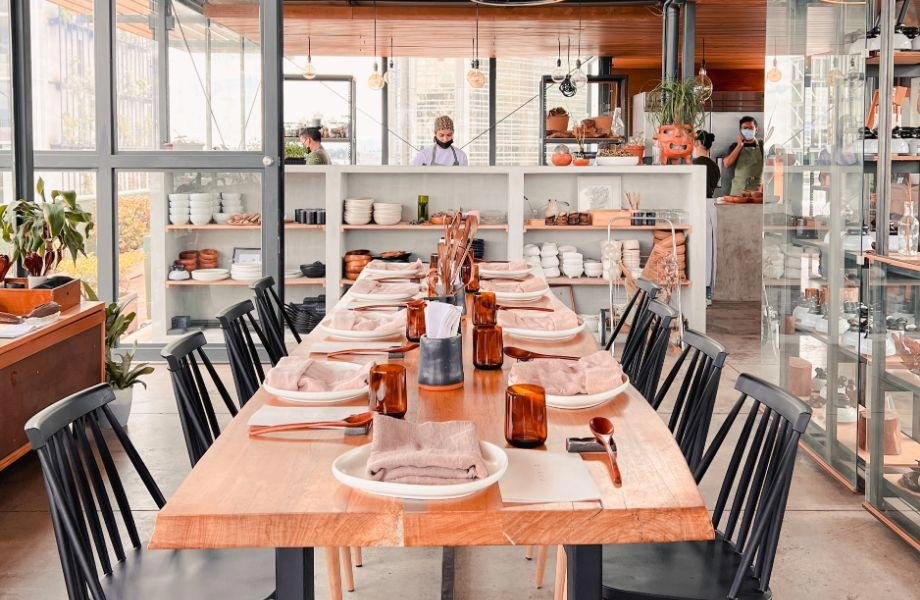
Lovely modern design with glass walls offering notable city views and displays of dried foods and artisanal products.