Casa Palopó

Casa Palopó sits above Lake Atitlán in Santa Catarina Palopó, framed by three volcanoes and serving Guatemalan-inspired fusion under chef Mario André Miralles. Access is via La Aurora International Airport, roughly 120 km away.
Pearl is the En Primeur Club membership app — saves, bookings, and concierge access live there. Same editors, same standards.
- Address
- Carretera a San Antonio Palopó, KM 6.8, Santa Catarina Palopó, Sololá, Guatemala
- Phone
- +502 7762 2270
- Website
- casapalopo.com
- Directions
- Get directions
 Saves & bookings on Pearl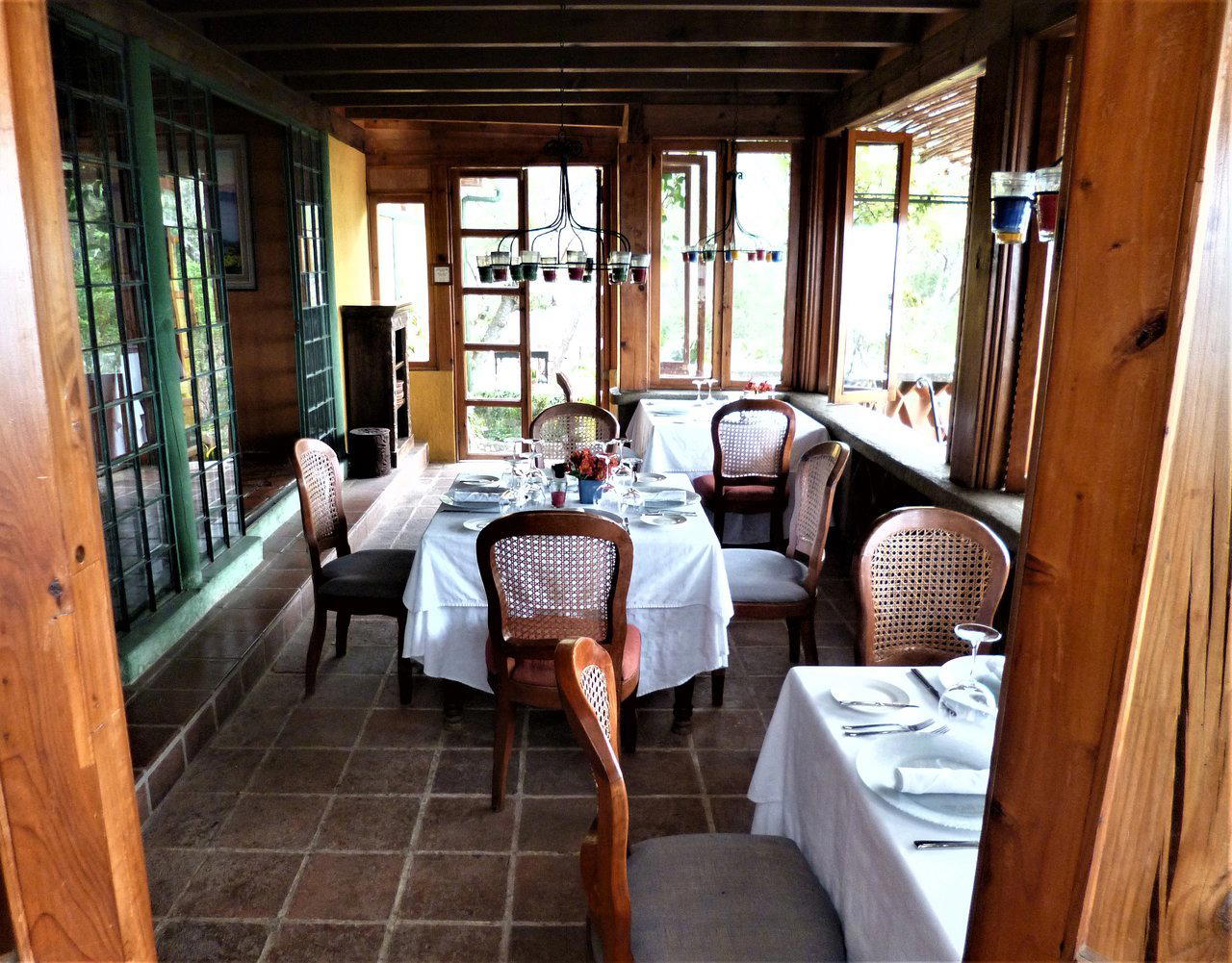
Where the Volcanoes Set the Table
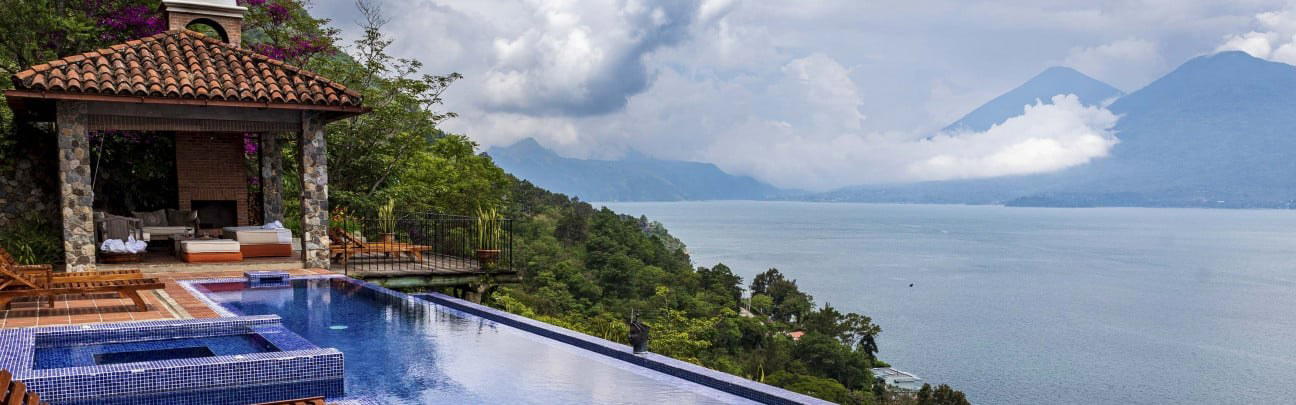
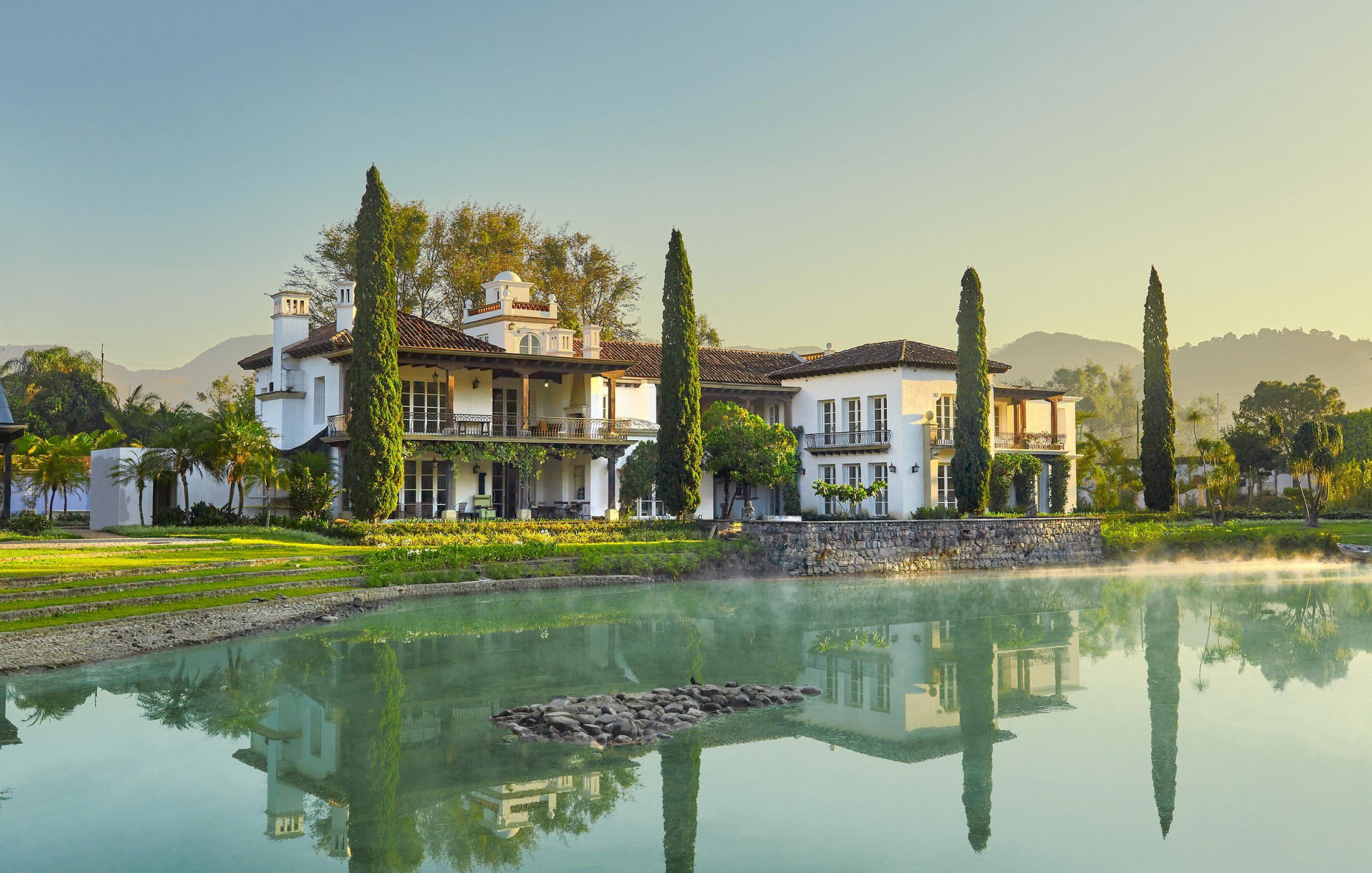
The approach to Casa Palopó along the Carretera a San Antonio Palopó tells you something about what hospitality can look like when geography does most of the heavy lifting. The road hugs the northern edge of Lake Atitlán, and as you arrive at KM 6.8, the lake opens beneath you with Atitlán, Tolimán, and San Pedro volcanoes arranged in a rough triangle on the far shore. This is not a backdrop that any kitchen can compete with, nor should it try. The smarter approach, and the one taken here, is to let the physical setting frame the food rather than overshadow it.
Lake Atitlán sits at roughly 1,560 metres above sea level in the Guatemalan Highlands, a caldera lake surrounded by Kaqchikel and Tz'utujil Maya communities that have farmed its shores for centuries. The altitude moderates temperatures year-round, and the volcanic soils around the lake produce ingredients with a density and character you don't find in lowland cultivation. That agricultural specificity matters enormously to any kitchen positioning itself as Guatemalan fusion, because fusion, done with discipline, means amplifying indigenous technique and local sourcing rather than diluting them with imported reference points.
The Logic of Guatemalan Fusion at Altitude
The designation "Guatemalan fusion" carries different weight depending on context. At the lower end of the category, it can mean traditional recipes reworked for international palates with the rougher edges filed off. At the higher end, it means a kitchen that takes Maya and Ladino culinary vocabulary as its foundation and applies technique to sharpen rather than soften what's already there. Casa Palopó, under chef Mario André Miralles, operates in the latter register.
The Highlands surrounding Lake Atitlán supply chile guaque, cobanero peppers, black beans, chayote, and fresh corn in forms that simply don't travel well to lowland markets. Local fishermen working the lake add freshwater protein to the equation. The sourcing logic for a kitchen at KM 6.8, Santa Catarina Palopó is practically pre-written by geography: the market is within reach, the altitude flavour profile is built into the raw materials, and the culinary traditions of surrounding communities provide a framework that a capable chef can build on without invention for its own sake.
Miralles works within that framework. Where a kitchen in Guatemala City, say Ana in Guatemala City, operates in an urban fine-dining context where the competition and reference points are more cosmopolitan, a kitchen at Atitlán is making a different argument: that place specificity, not technical display, is the primary value on the plate. That's a harder argument to sustain across a full menu, but when executed well, it produces food that reads as genuinely located rather than generically "refined regional."
The Property and What It Signals
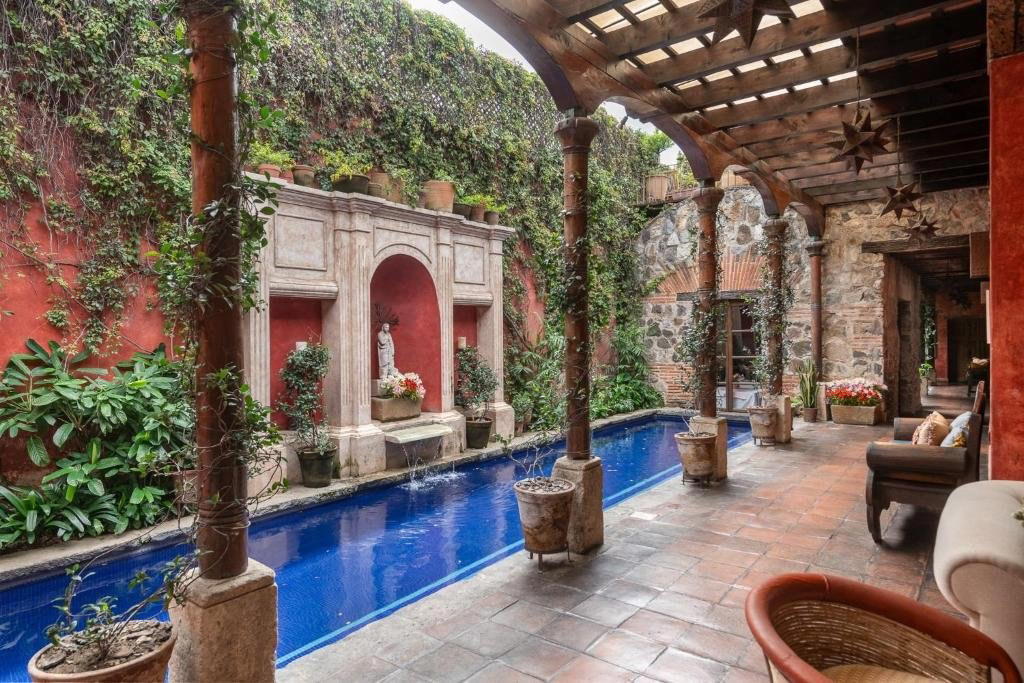
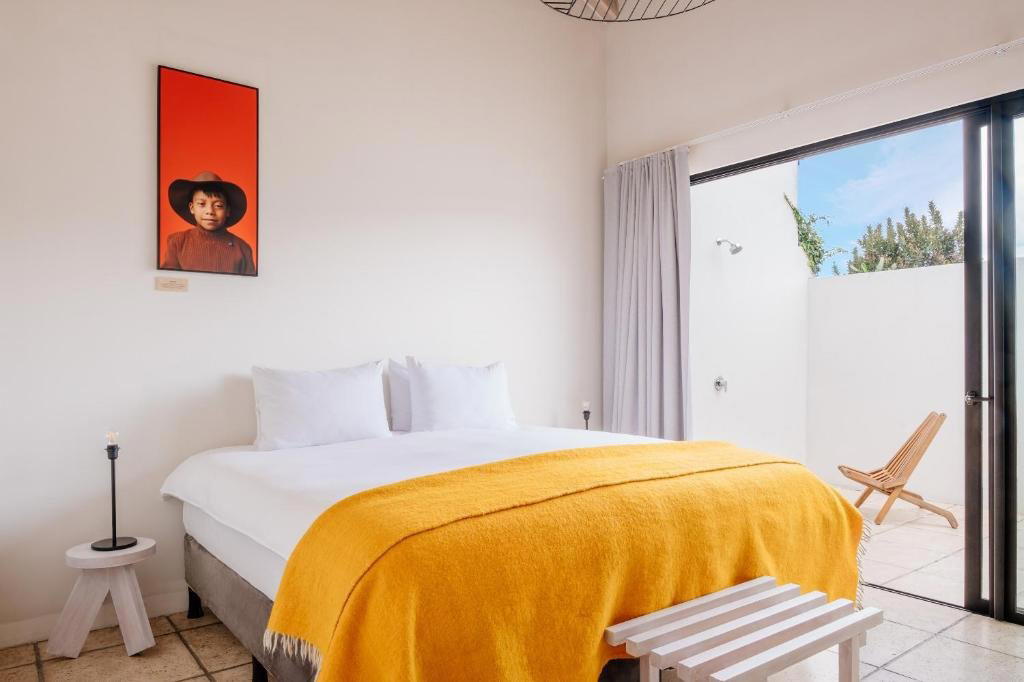
The lodge format at Casa Palopó places it in a category that has gained traction across Latin America over the past decade: small-footprint, high-specificity properties where the architecture and the food draw from the same local well. The Guatemalan-inspired design vocabulary here, tilework, textiles, and building materials consistent with Highland craft traditions, connects the physical space to the same sourcing logic the kitchen employs. This coherence between setting and menu is a reliable signal that a property has been built around a concept rather than assembled from available parts.
For context on where this type of property sits in a broader hospitality field, consider how differently scaled operations approach the same premise. Properties like Alain Ducasse at Louis XV in Monte Carlo or 8 1/2 Otto e Mezzo Bombana in Hong Kong anchor their identity in urban luxury and technical prestige. Casa Palopó operates on an entirely different axis, where the value proposition is remoteness, landscape integration, and cultural rootedness rather than culinary spectacle. Neither approach is more valid; they are simply answering different questions about what a guest is buying.
Among the comparison set in the immediate area, 6.8 Palopó operates nearby with a Latin American focus, and the concentration of internationally minded kitchens around the lake has grown as Atitlán's profile has risen among international travellers. Check our full Santa Catarina Palopó restaurants guide for the current picture, alongside our Santa Catarina Palopó hotels guide, bars guide, wineries guide, and experiences guide for a fuller picture of the area.
How Casa Palopó Sits Within the Broader Fine Dining Map
Guests who arrive at Atitlán from major dining cities will bring reference points that are worth contextualising. The technical ambition of a tasting menu at Alinea in Chicago, the product-driven precision of Le Bernardin in New York City, or the narrative-led format of Lazy Bear in San Francisco represent a different set of ambitions entirely. The same is true for the tasting-counter format of Atomix in New York City or the three-Michelin-star confidence of Alléno Paris au Pavillon Ledoyen. Bringing those benchmarks to a Highland Guatemala lodge dining room will produce the wrong reading entirely.
A better comparison frame comes from properties like Aponiente in El Puerto de Santa María, where geography and hyper-local sourcing are the primary editorial statement, or Aqua in Wolfsburg, which demonstrates that serious dining can thrive outside obvious metropolitan centres. The shared thread is a kitchen that earns its authority through commitment to place rather than through urban proximity. Emeril's in New Orleans also offers a useful point of comparison in how regional culinary identity can be channelled through a single property without flattening it into a theme.
Planning a Visit
La Aurora International Airport in Guatemala City is the primary gateway, with the property at KM 6.8, Santa Catarina Palopó sitting approximately 120 km from the terminal. GPS coordinates 14.7209, -91.1335 give precise routing for the final approach along the lakeshore road. The drive typically runs two and a half to three hours depending on traffic through the capital and the mountain section above Sololá; many guests travelling from Guatemala City time their departure for early morning to clear city traffic before the climb.
For guests planning broader Highland itineraries, the Atitlán basin rewards at least two nights to allow time with the lake at different hours. The light on the volcanoes shifts dramatically between early morning, when the surface is mirror-flat, and late afternoon, when cloud movement off the peaks creates a different atmosphere entirely. A kitchen rooted in local sourcing is, in this sense, completing a circuit that begins with the landscape and returns to it at the table.
How Casa Palopó Santa Catarina Palopó compares with similar nearby venues.
| Venue | Cuisine | Awards |
|---|---|---|
| Casa Palopó | Guatemalan Fusion | Relais Chateaux Award (2025) |
| 6.8 Palopó | Latin American | Not listed |
| Villa Bokéh | Caribbean Fusion | Not listed |
Recognition history
Dated appearances from independent guides and award organizations, with the underlying list record or original source where available.
Relais Chateaux Award
Relais Chateaux
Continue exploring
More in Santa Catarina Palopó
Restaurants in Santa Catarina Palopó
Browse all →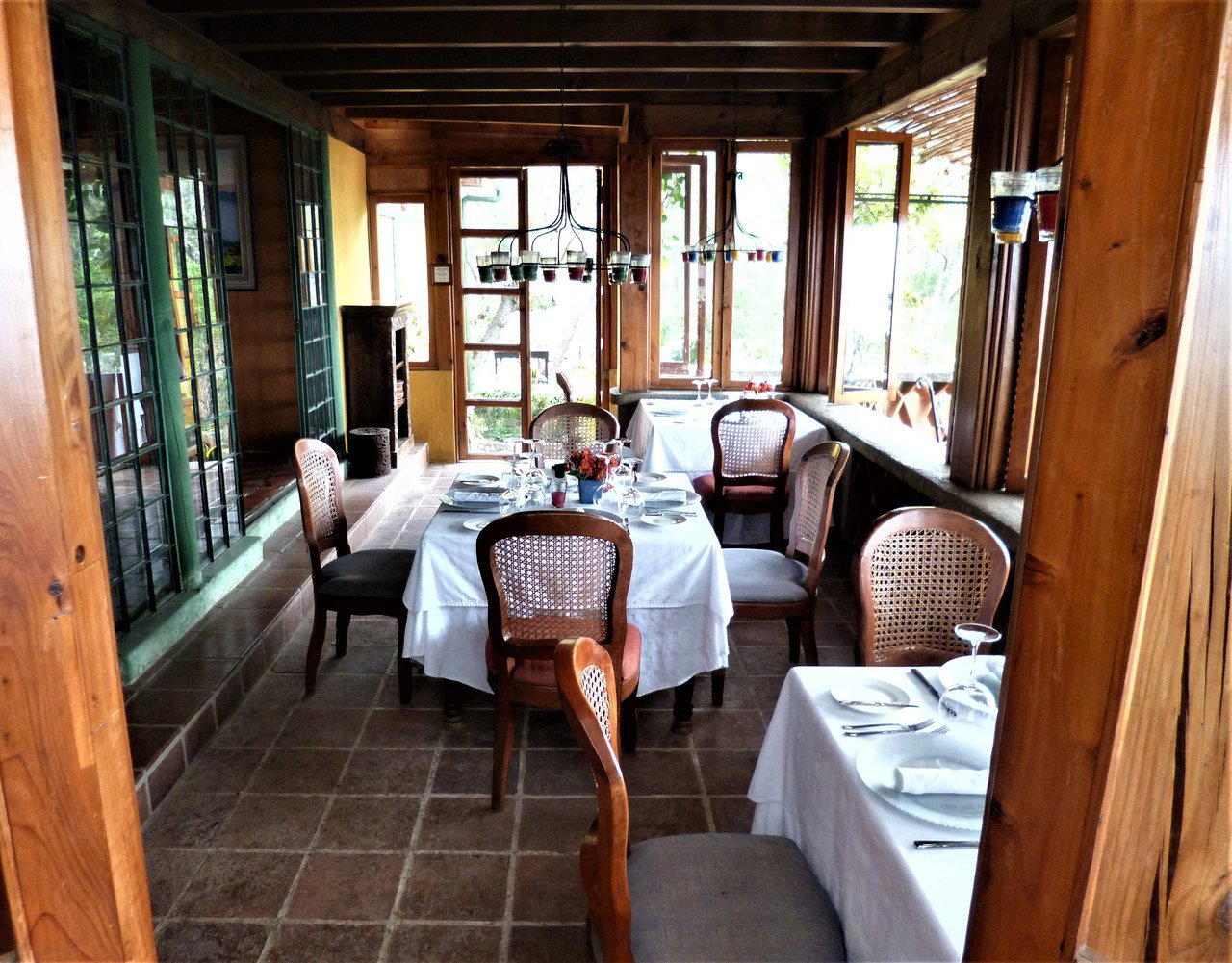
Bars in Santa Catarina Palopó
Browse all →
At a Glance
- Romantic
- Scenic
- Elegant
- Intimate
- Sophisticated
- Date Night
- Special Occasion
- Waterfront
- Terrace
- Panoramic View
- Hotel Restaurant
- Local Sourcing
- Farm To Table
- Waterfront
- Mountain
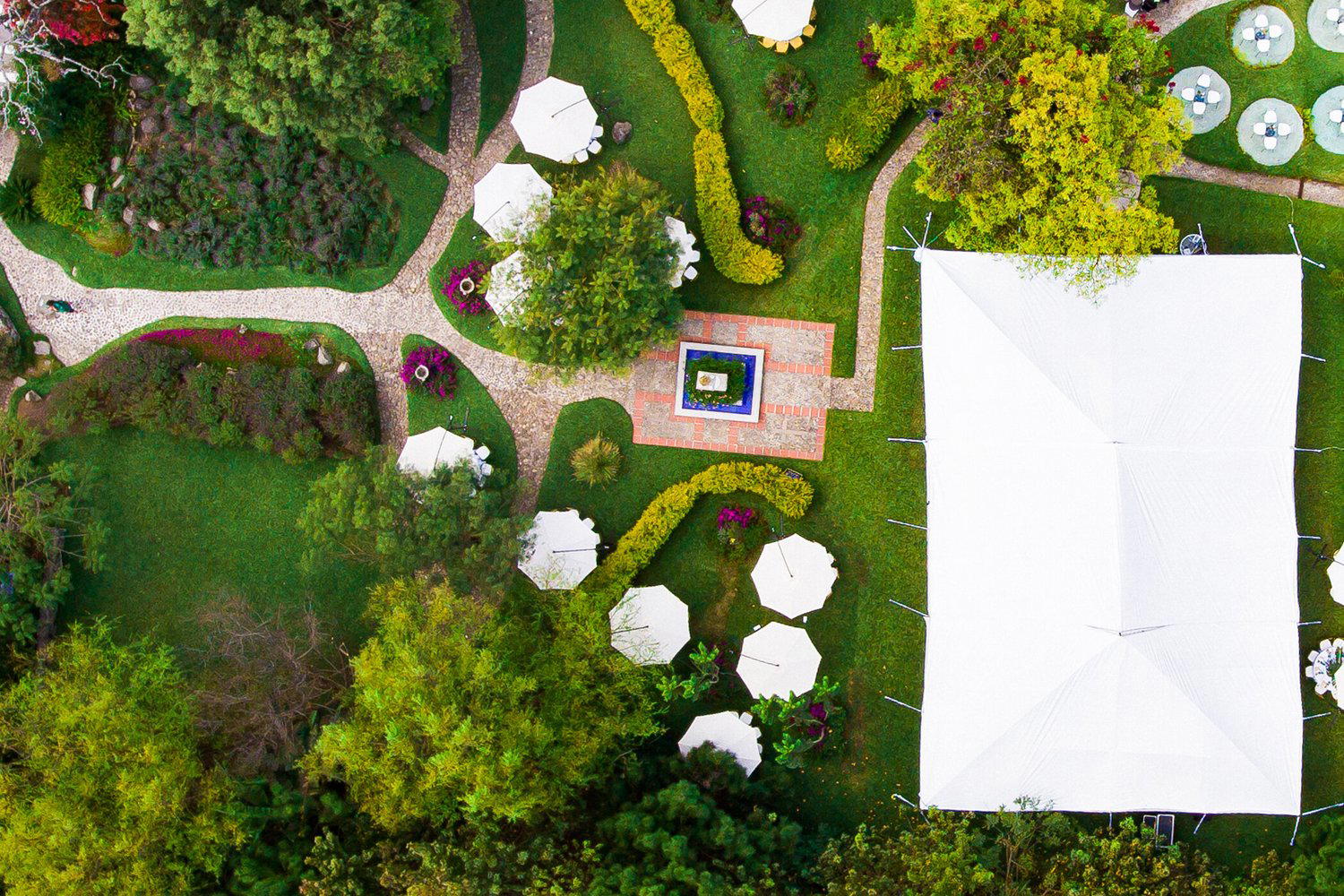
Peaceful and artistic atmosphere with colorful artisan designs, terrace dining overlooking the lake, and a sense of intimate luxury.