Dining on the Island: What Flores Asks of Its Restaurants Flores sits on a small island in Lake Peten Itza, connected to the Guatemalan mainland by a single causeway. The town is compact enough to cross on foot in ten minutes, which means its...
Pearl is the En Primeur Club membership app — saves, bookings, and concierge access live there. Same editors, same standards.
- Address
- Flores, Guatemala
- Directions
- Get directions
 Saves & bookings on Pearl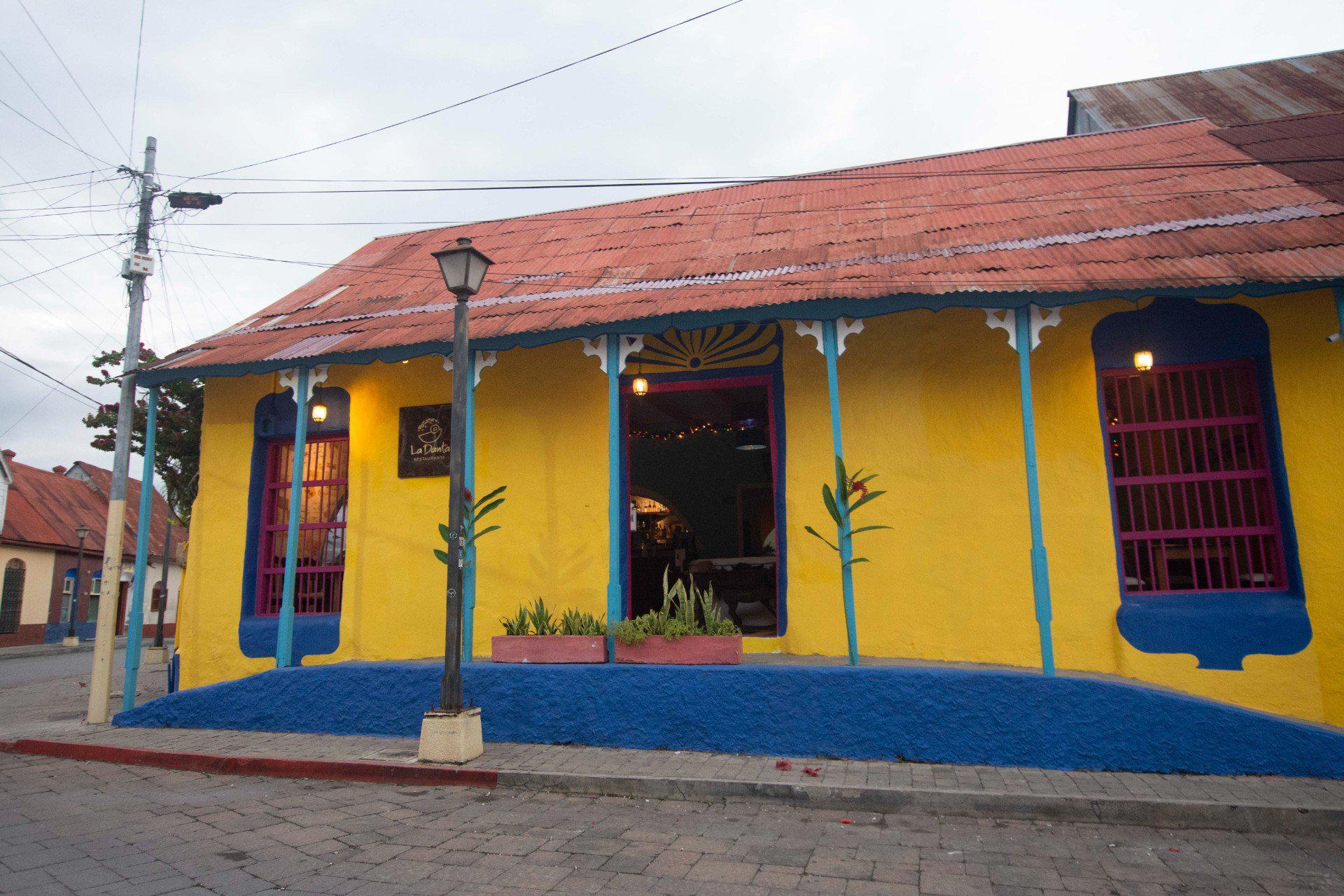
Dining on the Island: What Flores Asks of Its Restaurants
Flores sits on a small island in Lake Peten Itza, connected to the Guatemalan mainland by a single causeway. The town is compact enough to cross on foot in ten minutes, which means its restaurants operate without the anonymity that larger cities afford. Word travels fast. A kitchen that sources carelessly, or that treats the surrounding lake basin as backdrop rather than pantry, gets found out quickly by a repeat-visitor crowd drawn here for the nearby ruins of Tikal. Restaurante La Danta occupies this context: a dining room in a town where the sourcing decisions a kitchen makes are difficult to disguise.
The name itself references the tapir, the large browsing mammal native to the lowland forests of the Peten region, and the choice is deliberate. In a place where the forest and the lake define almost everything about daily life, anchoring a restaurant's identity in local fauna signals an editorial position before the food arrives. Across Guatemala, the question of how seriously a kitchen engages with its immediate geography separates the more interesting tables from the generic ones. You see this tension play out from the lakeside restaurants of Casa Palopó in Santa Catarina Palopó, which leans into Guatemalan fusion with regional produce at its core, to urban kitchens in the capital where that connection is more aspirational than operational.
The Peten Pantry: Why Sourcing Here Is Both an Advantage and a Constraint
The Peten department, which surrounds Flores, holds one of the largest remaining intact tropical forest systems in Central America. That ecological fact has direct culinary consequences. Wild herbs, native chiles, fresh-water fish from the lake, and forest-gathered ingredients are available in ways they simply are not in highland Guatemala or along the Pacific coast. The proximity is real. But so is the logistical complexity: cold-chain infrastructure in this part of the country remains limited, and the isolation that makes Peten's biodiversity remarkable also makes reliable access to certain ingredients inconsistent.
Restaurants that work within these constraints rather than around them tend to produce food with a more honest regional character. The Peten's culinary tradition draws on Maya lowland cooking, which historically centered maize, beans, squash, game, and freshwater protein. Contemporary kitchens in Flores that engage with this heritage are operating in a culinary category that remains largely underrepresented in Guatemala's broader restaurant conversation, where the Antigua and Guatemala City scenes dominate coverage. For reference on how that urban concentration plays out, consider the range of approaches visible at Luka in Ciudad de Guatemala or Clio's in Guatemala City, both of which reflect the capital's more cosmopolitan orientation. What Flores offers is different in kind, not just geography.
Reading the Room
The physical experience of arriving at a restaurant in Flores is shaped by the island's particular character: cobblestone streets, painted facades, the lake visible between buildings at almost every turn. The town has a density that makes its hospitality feel immediate rather than staged. Restaurante La Danta, operating within this environment, is subject to the same dynamics as any small-island establishment: the dining room is close to the street, the ambient sounds of the town are present, and the distinction between interior and exterior is thinner than in purpose-built destination restaurants.
This is not a criticism. The leading island-town restaurants anywhere tend to work with that permeability rather than fight it. The atmospheric register at this price point in Flores is closer to the honest informality of a well-run regional table than to the controlled environments of destination restaurants at the level of, say, Le Bernardin in New York City or Alinea in Chicago. The comparison is not invidious. Different contexts demand different registers, and the Flores register, when a kitchen executes well, has its own integrity.
What Regional Cooking in the Peten Actually Means
Guatemala's cuisine is not monolithic. The highland Maya traditions of the western departments, the coastal cooking of the Pacific lowlands, and the Peten's lowland forest-and-lake tradition represent genuinely distinct culinary cultures. In the Peten, the most characteristic preparations involve slow-cooked protein, chile-based sauces with regional varieties unavailable in the highlands, and techniques that reflect pre-Columbian cooking methods. Recado negro, a charred chile and spice paste, appears across the region and functions as a marker of culinary authenticity in ways that a generic tomato-based sauce would not.
For a traveler coming from Antigua, where restaurants like Fridas and Kombu Ramen reflect that city's more international orientation, the shift to Flores-style regional cooking is an adjustment in expectations, not a step down. The point of eating in the Peten is not to replicate what's available in Antigua or the capital, but to encounter something that only makes sense in this specific geography. The same logic applies to places like Pacaya in San Vicente Pacaya, where the local setting is inseparable from what ends up on the plate.
Flores in the Wider Guatemala Restaurant Conversation
Guatemala's restaurant scene gets substantially less international attention than those of Mexico City, Lima, or even San José. Within Guatemala, coverage concentrates on Antigua and Guatemala City, with Flores appearing primarily as a transit point for Tikal rather than a dining destination in its own right. That relative obscurity has a practical upside: the restaurants operating here are largely free from the performance pressure that shapes menus in more photographed cities, and are answerable primarily to the travelers who actually show up and eat.
For travelers building an itinerary through Guatemala's dining scene more broadly, Pappy's BBQ in La Antigua Guatemala and Restaurant Don Carlos, Mazate in Mazatenango both illustrate how varied the country's regional restaurant character is outside the capital. Flores adds a further register to that picture. Our full Flores restaurants guide covers the island's options with the specificity that a single-restaurant profile cannot.
Planning a Visit
Flores is most commonly reached by a short flight from Guatemala City, or by a longer overland journey from Belize or the highlands. The island's small scale means that most visitors are staying within walking distance of its restaurants. Tikal is roughly an hour's drive from the causeway, and the logistics of a Tikal day trip tend to shape meal timing for most travelers: an early departure, a return by mid-afternoon, and dinner as the primary restaurant occasion. Restaurante La Danta is positioned for that evening-meal pattern. Specific hours, reservation requirements, and pricing were not available at the time of writing; direct confirmation with the venue before arrival is advisable, as is generally true for smaller restaurants in the Peten where operational details change seasonally.
How It Stacks Up
| Venue | Cuisine | Price |
|---|---|---|
| Restaurante La DantaThis venue — the venue you are viewing | This venue | Not listed |
| Casa Palopó | Guatemalan Fusion | Guatemalan Fusion |
| Villa Bokéh | Caribbean Fusion | Caribbean Fusion |
| 6.8 Palopó | Latin American | Latin American |
| Sublime Restaurant | Latin | Latin |
At a Glance
- Rustic
- Cozy
- Intimate
- Date Night
- Family
- Casual Hangout
- Garden
- Local Sourcing
- Waterfront
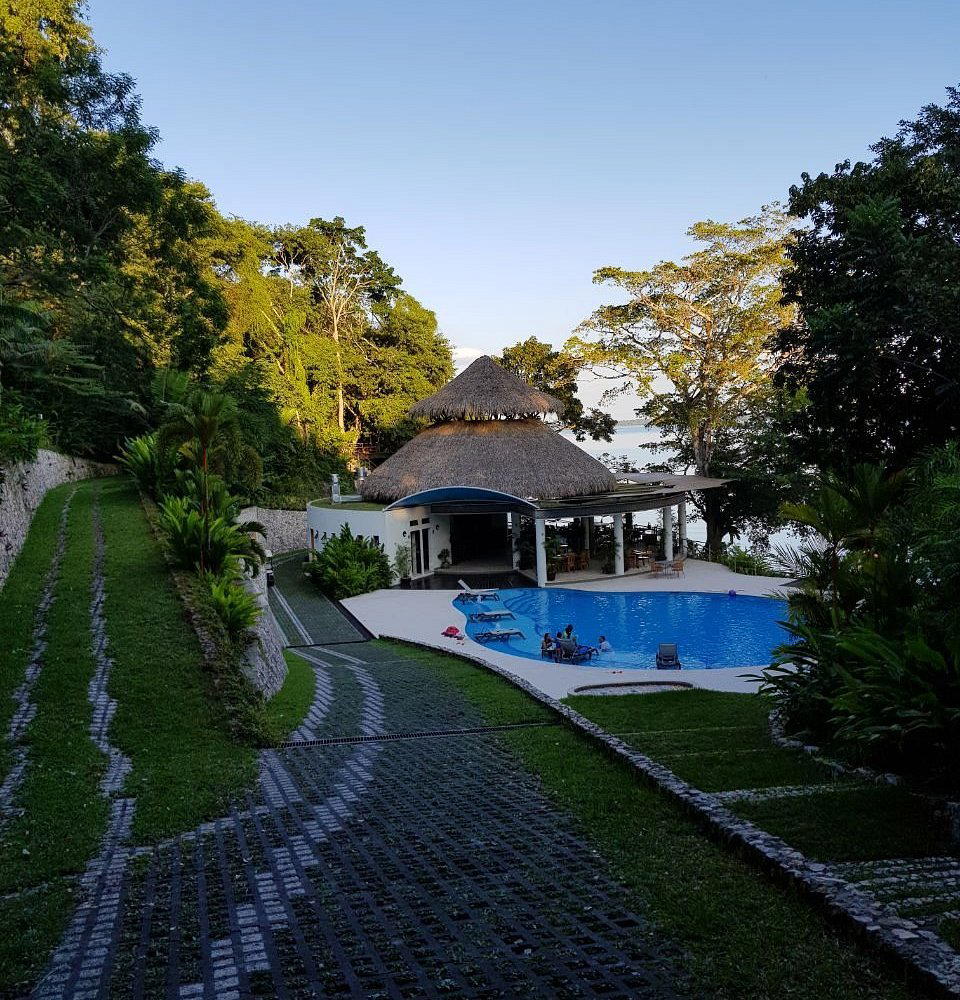
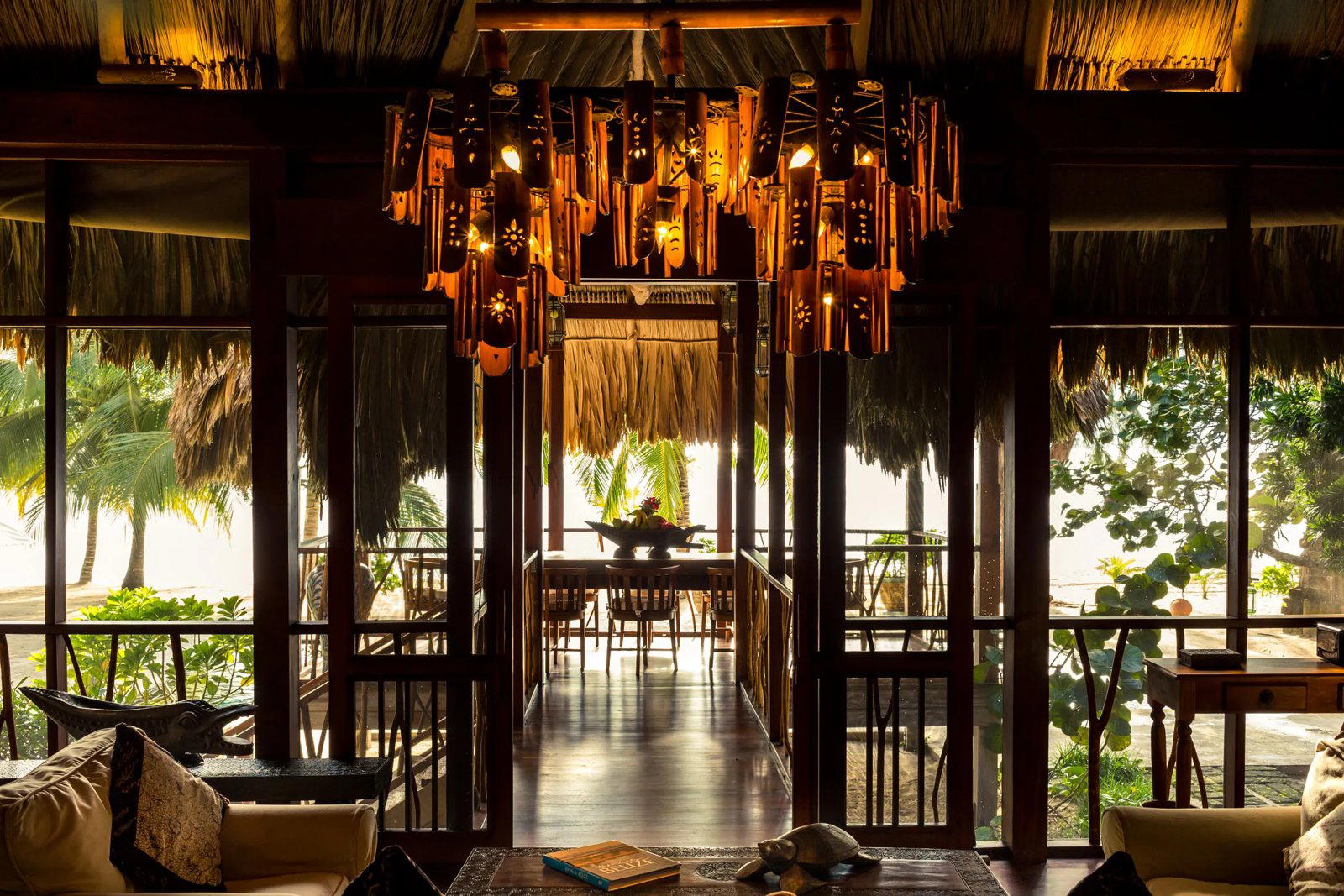
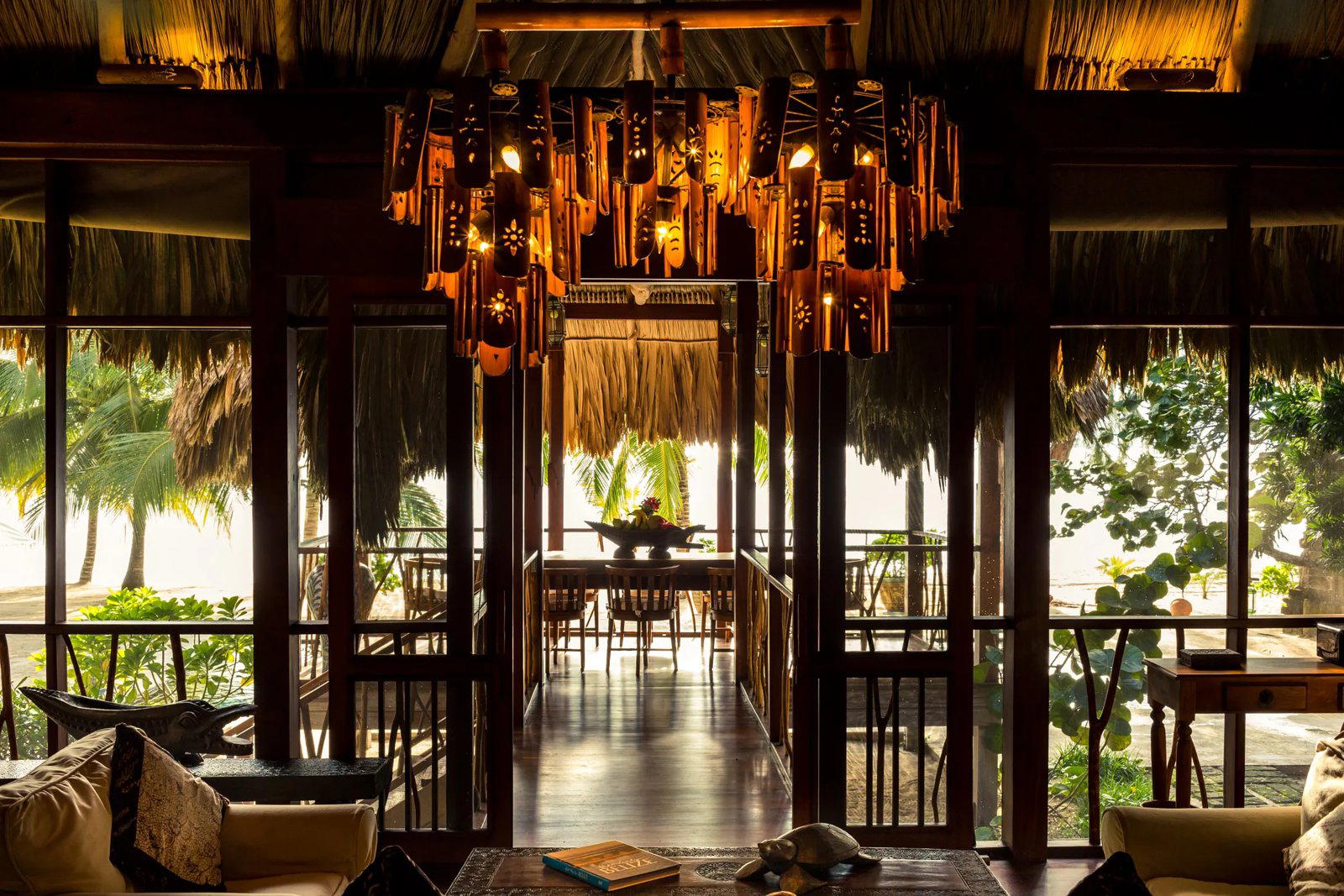
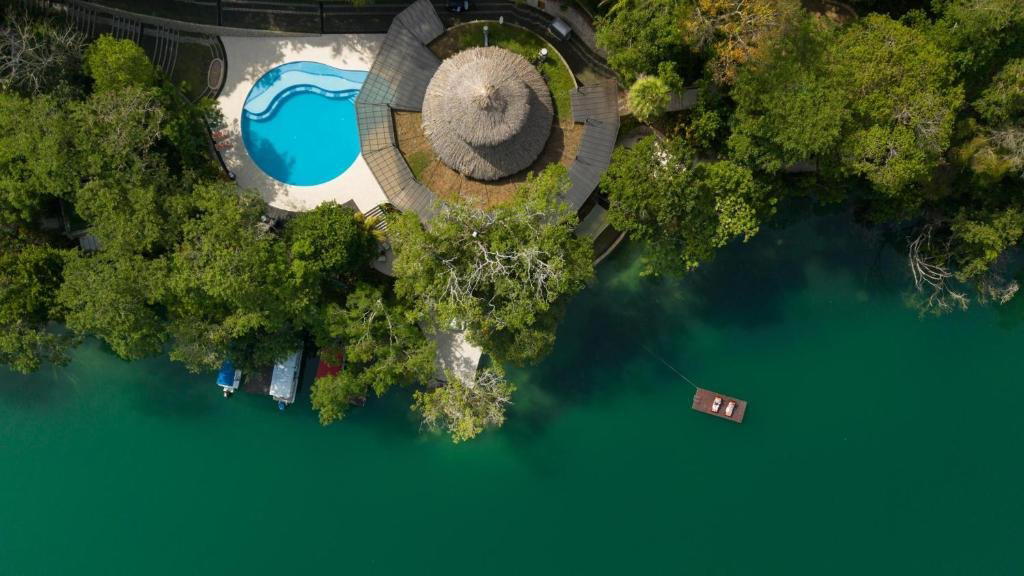
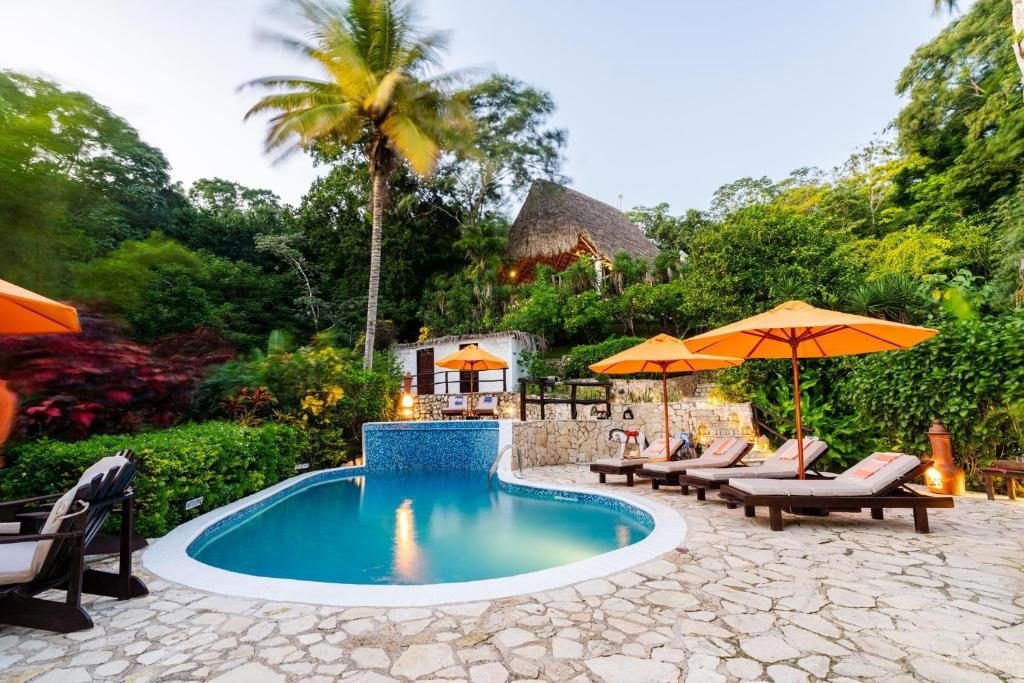
Charming garden patio well-suited for summer nights and romantic evenings, with an intimately detailed interior featuring regional artifacts and picturesque Petén details.