Casa Escobar...Paseo Cayalá
Our verdict
Casa Escobar at Paseo Cayalá sits within Guatemala City's most architecturally coherent retail and dining district, positioning itself as the neighbourhood's flagship steakhouse. The format follows the high-end parilla tradition, where the quality of the beef and the discipline of the fire matter more than elaborate technique. For visitors exploring the city's upper dining tier, it represents a grounded alternative to the tasting-menu circuit.

Pearl is the En Primeur Club membership app, where members save venues, book tables and use the concierge.
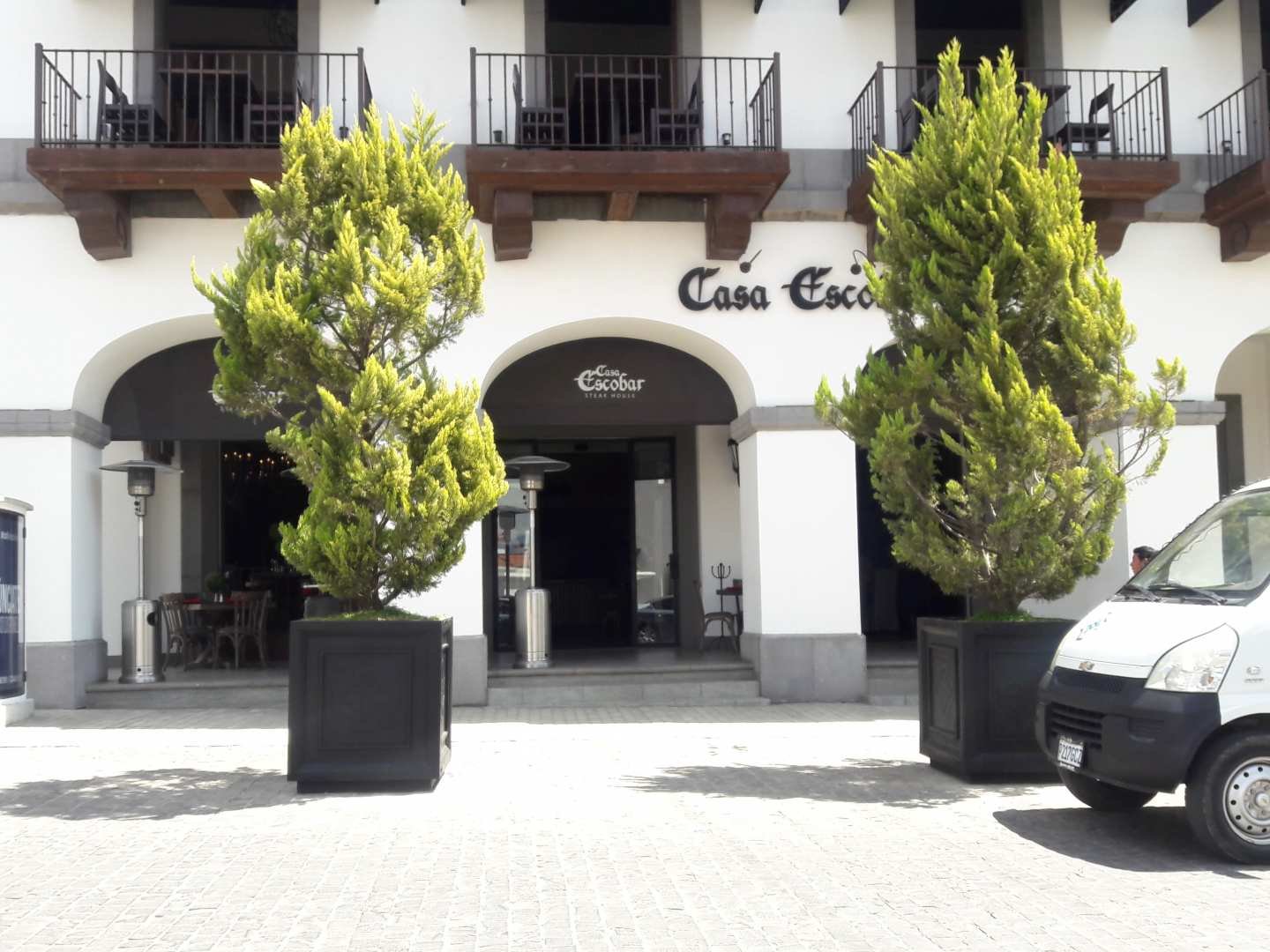
Steak in the City: Where Paseo Cayalá Sets the Table
Paseo Cayalá occupies a different register from Guatemala City's older commercial zones. The development was designed as a walkable, open-air district with a coherent architectural language, cream-coloured facades, wide pedestrian corridors, and a concentration of restaurants and retail that functions more like a curated town square than a standard shopping complex. Within that context, a dedicated steakhouse like Casa Escobar reads as an anchor rather than an afterthought. The genre suits the setting: parrilla-style dining, with its emphasis on craft over complexity, translates well to a neighbourhood built around leisure and extended evenings outdoors.
Guatemala City's restaurant scene has expanded meaningfully over the past decade, particularly in the Cayalá and Zona Viva corridors. Venues like Ana, DIACÁ, and Flor de Lis have pushed the city's dining identity toward more contemporary Latin cooking, while Clio's and Donde Mikel have developed loyal followings in the mid-to-upper tier. Casa Escobar occupies a distinct lane within this picture: the classic steakhouse, where the editorial conversation is less about innovation and more about sourcing, fire management, and the quality of the cut.
The Sourcing Question at the Heart of Central American Beef
Any serious steakhouse in Central America operates within a sourcing conversation that differs considerably from the one in Buenos Aires or, for that matter, New York. Guatemala's cattle industry has historically prioritised volume over breed differentiation, meaning that the premium beef on most local menus is either imported, typically from the United States, Argentina, or Uruguay, or drawn from a narrow set of domestic producers who have invested in quality-focused rearing. That distinction matters when you are paying steakhouse prices, and it is the first question worth asking at any table in this category.
The broader regional trend has moved toward transparency here. Across Central America's premium dining tier, restaurants increasingly label the provenance of their proteins, partly in response to a travelling clientele that arrives with reference points from the Pampas or from venues like Le Bernardin in New York City or Atomix in New York City, places where ingredient origin is woven into the premise of the meal. A steakhouse that can speak clearly about where its beef comes from, how it was aged, and what that means for the cut's character is operating at a different level of seriousness than one that simply lists cuts by name and weight.
Guatemala also sits within a broader agricultural story worth keeping in mind. The country is one of Central America's most significant producers of specialty coffee, cardamom, and certain heirloom vegetables, ingredients that appear on more innovative menus at places like DIACÁ. A steakhouse tends to focus its sourcing narrative on protein, but the supporting cast, sauces, sides, bread, is where domestically grown ingredients can signal a kitchen's commitment to the local supply chain.
The Parrilla Format and What It Demands
The high-end parrilla tradition, as it has developed across Latin America, is built around restraint. A well-executed steakhouse does not complicate the protein; it presents it at the correct temperature, with the correct resting time, at the correct degree of char. This sounds simple, and it is, but executing it consistently across a full service requires discipline that flashier cooking formats can obscure. The fire, whether wood, charcoal, or a combination, is the kitchen's primary tool, and the judgement of the grill cook is the variable that separates a competent operation from a notable one.
Within Guatemala City's dining scene, this format has a smaller footprint than the contemporary Latin menus that have attracted more recent attention. That relative scarcity gives a well-executed steakhouse room to own its niche. Travellers arriving from destinations like Pacaya in San Vicente Pacaya or making a circuit that includes Villa Bokéh in Antigua and Casa Palopó in Santa Catarina Palopó often find that a direct, protein-focused dinner serves as effective punctuation between more elaborate tasting experiences.
Cayalá as a Dining District
Paseo Cayalá's design imposes a certain rhythm on dining within it. The open-air structure means that evenings here tend to run later than in enclosed malls, and the walkable format encourages pre- or post-dinner movement between venues. For a steakhouse, that context is broadly favorable: the format supports a longer, unhurried meal rather than a quick turnaround, and the surrounding foot traffic creates a social energy without requiring the restaurant itself to manufacture atmosphere through music or decor theatrics.
The district attracts a mix of Guatemala City residents from the upper-income zones and international visitors, many of whom are staying in or near Zona 14 or Zona 16. It competes on amenity and environment with Zona Viva, though the newer development offers a more coherent and pedestrian-friendly experience. Restaurants here are broadly mid-to-upper in pricing relative to the city's scale, positioning Casa Escobar alongside rather than above the neighbourhood's dining average.
For wider context on how Guatemala City's restaurant geography breaks down, the full Guatemala City restaurants guide maps the key zones and the type of cooking that defines each one. Venues like Luka in Ciudad De Guatemala and Carlos & Carlos Antigua in Antigua Guatemala illustrate the range of formats that have found audiences across the region. Farther afield, Pappy's BBQ in La Antigua Guatemala, Restaurant Don Carlos, Mazate in Mazatenango, and Restaurante La Danta in Flores demonstrate how Guatemala's dining identity extends well beyond the capital.
Planning a Visit
Casa Escobar at Paseo Cayalá is located at the Paseo Cayalá development, postal code 01016, Guatemala City. As a Cayalá-based venue in an area designed for foot traffic, the practical approach is to arrive by taxi or rideshare from central Zona 14 or Zona Viva, parking is available within the development for those driving. Booking ahead is advisable on weekend evenings when the district draws its heaviest crowds; weekday visits, particularly mid-week, tend to allow for a more relaxed pace. Contact details and current hours are best confirmed directly with the venue or via the Paseo Cayalá development's directory, as these details are subject to change. For context on how this category of restaurant compares to broader experiences in the region, venues like Lazy Bear in San Francisco and Emeril's in New Orleans illustrate what committed protein-forward cooking looks like when the sourcing and format are dialled in at scale.
Frequently asked questions
What's the address for Casa Escobar... Paseo Cayalá?
Casa Escobar... Paseo Cayalá is located at Casa Escobar Steakhouse Paseo Cayala Guatemala, 01016, Guatemala, Guatemala City.
What's the best thing to order at Casa Escobar Paseo Cayalá?
At a steakhouse operating in this category in Guatemala City, the priority cuts, typically bone-in options or ribeye, are where the kitchen's sourcing decisions show most clearly. Those cuts reward the fewest interventions: salt, fire, and resting time. That is where to start before considering anything else on the menu.
How far ahead should I plan for Casa Escobar... Paseo Cayalá?
Reservations are recommended for Casa Escobar... Paseo Cayalá in Guatemala City. Confirm current policy via the venue's official channels.
What makes Casa Escobar... Paseo Cayalá worth seeking out?
Casa Escobar... Paseo Cayalá is best approached by focusing on the core concept and signature offerings.
What if I have allergies at Casa Escobar... Paseo Cayalá?
Dietary accommodations can vary. Flag restrictions in advance via the venue's official channels.
Fast Comparison
| Venue | Cuisine | Price | Awards | Notes |
|---|---|---|---|---|
| Casa Escobar... Paseo CayaláThis venue (the venue you are viewing) | Guatemalan Steakhouse | $30–50 | Not listed | Not listed |
| Sublime Restaurant | Modern Guatemalan Fine Dining | $100–150 | World's 50 Best #19 · Relais Chateaux Award | Latin |
| DIACÁ | Modern Guatemalan Fine Dining | $50–100 | World's 50 Best #37 · The Best Chef Three Knives | Not listed |
| Mercado 24 | Modern Guatemalan | $20–30 | World's 50 Best #42 · The Best Chef One Knife | Not listed |
| Ana | Modern Latin Fusion Tasting Menu | $100–150 | World's 50 Best #94 · The Best Chef One Knife | Not listed |
| Flor de Lis | Modern Mayan Fusion Tasting | $50–100 | The Best Chef One Knife | Not listed |
Continue exploring
More in Guatemala City
Restaurants in Guatemala City
All restaurants in Guatemala City →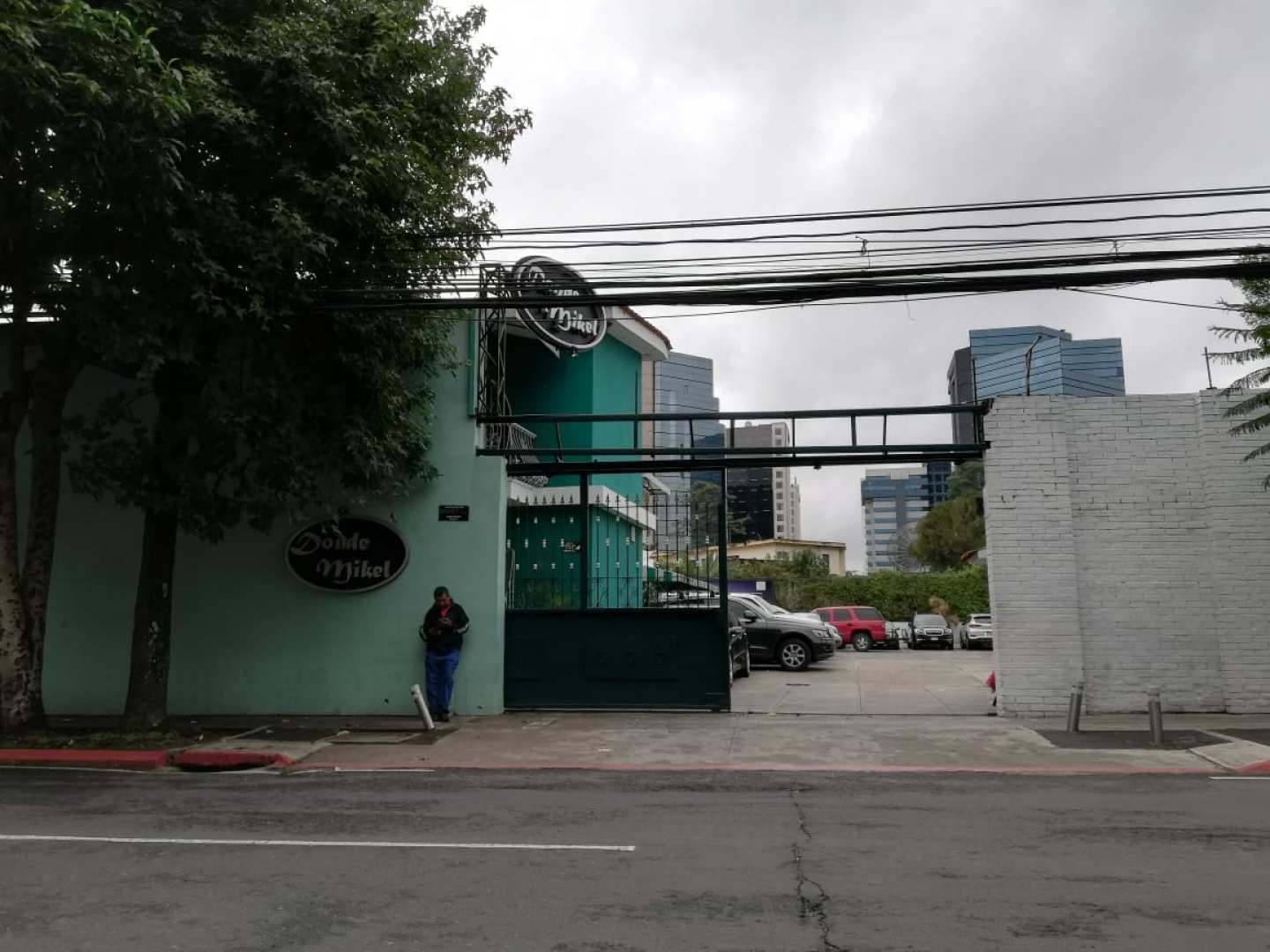
Hotels in Guatemala City
Browse all →
Casa Escobar...Paseo Cayalá
The wine
- Extensive wine list
- Craft cocktails
Details
- Elegant
- Cozy
- Sophisticated
- Date Night
- Business Dinner
- Group Dining
- Family
- Terrace
- Open Kitchen
- Extensive Wine List
- Craft Cocktails
- Street Scene
- A La Carte
- Gluten Free Options
- Vegetarian Friendly
Current opening hours
- Monday
- 12–10 PM
- Tuesday
- 12–10 PM
- Wednesday
- 12–10 PM
- Thursday
- 12–10 PM
- Friday
- 12–10 PM
- Saturday
- 12–10 PM
- Sunday
- 12–10 PM
Hours can change for holidays and private events. Hours as of .
Warm lighting with enchanting terrace views, cozy balcony seating, and a lively yet elegant atmosphere enhanced by attentive service.