

World's 50 Best #94 · The Best Chef One Knife
Our verdict
Ana, led by Colombian chef Nicolás Solanilla Leguizamón, earned the American Express One To Watch Award 2025 for its mestizo cuisine that draws on Colombian memory and Guatemalan culinary tradition in equal measure. Located in Guatemala City's Zone 1, it represents a new direction for the city's fine dining scene: cross-border in sensibility, deeply local in sourcing, and harder to categorise than most of its peers.

Pearl is the En Primeur Club membership app, where members save venues, book tables and use the concierge.
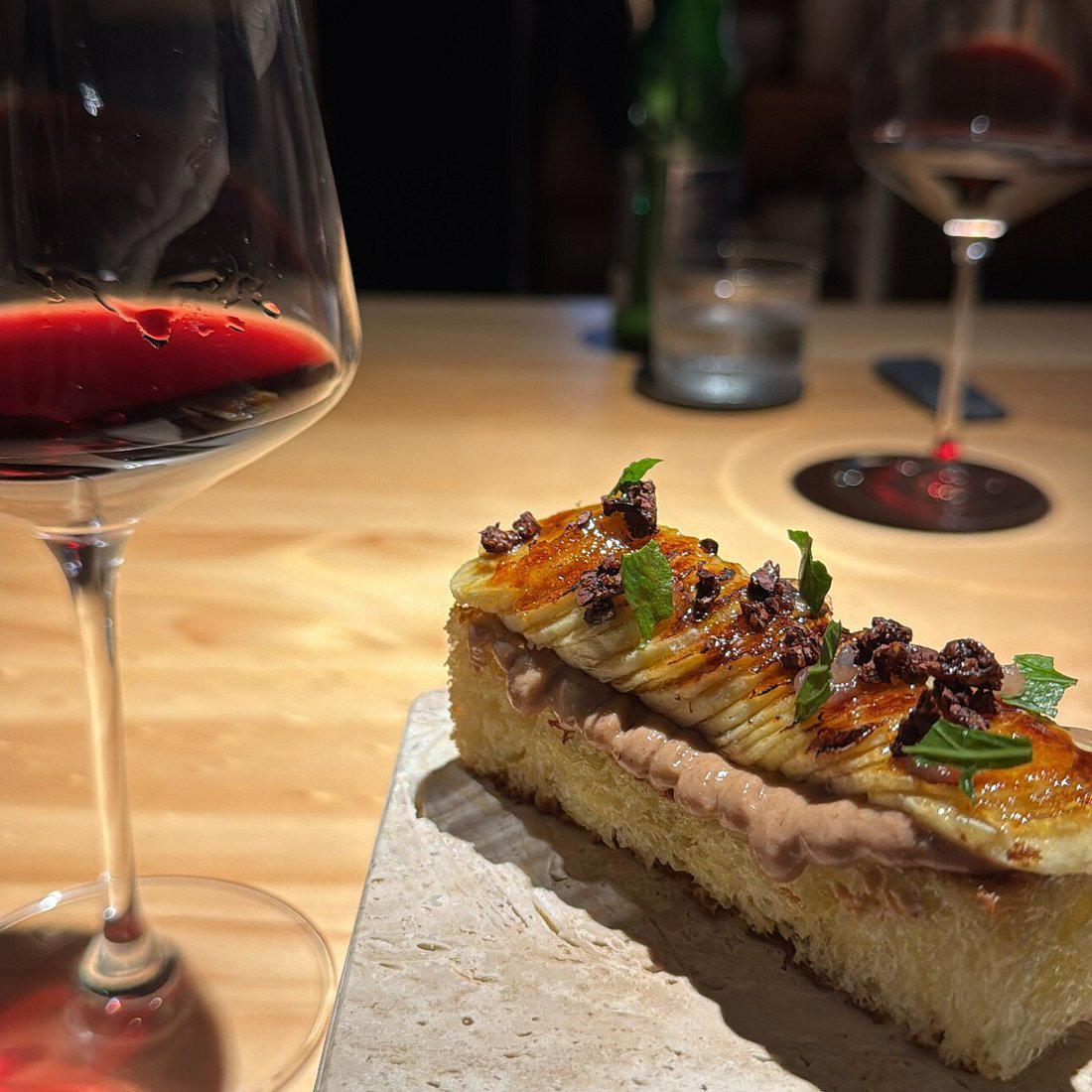
Where Two Culinary Traditions Meet
Guatemala City's fine dining scene has spent the better part of the last decade defining itself against the assumption that serious Central American cooking belongs only in Mexico City or Lima. That assumption is losing ground. A cluster of restaurants in Zones 1, 4, and 10 are now doing something more interesting than replicating northern or southern models: they are drawing on Guatemala's own larder, its indigenous ingredient vocabulary and its colonial-era mestizo culinary record, and assembling something genuinely rooted. Ana, located at 12 Calle 2-99 in Zone 1, sits at the most deliberate end of that effort. It holds the American Express One To Watch Award for 2025, a signal that the wider Latin American restaurant world is paying attention to what is happening here.
The One To Watch designation, part of the Latin America's 50 Best Restaurants awards infrastructure, does not go to restaurants coasting on established reputations. It marks venues whose trajectory suggests something significant is developing. For Guatemala City, that recognition matters beyond the single address it names. It positions the city as a contributor to the region's culinary conversation rather than a footnote to it. Ana's inclusion in that frame is, among other things, a piece of evidence for a broader shift in how the region's tastemakers read Central America.
The Logic of a Mestizo Kitchen
The term mestizo, when applied to cuisine, carries more precision than fusion typically does. It does not describe a chef picking flavours from multiple traditions for novelty or contrast. It describes a cooking practice shaped by the actual historical and personal reality of living between cultures, where the combination is not a choice but a condition. Chef Nicolás Solanilla Leguizamón, Colombian by background and working in Guatemala City, builds Ana's menu from that condition rather than around it.
Colombian culinary sensibility and Guatemalan tradition do not sit as far apart as geography might suggest. Both lean on corn in its varied forms, on tubers, on slow cooking and fermentation, on protein preparations that carry the influence of Spanish colonial kitchens layered over indigenous technique. What Solanilla adds to that common ground is the specific memory of his own Colombian formation, the ingredients and preparations that shaped his palate before he arrived in Guatemala. The result is a kitchen that reads as Guatemalan in its seasonal sourcing and its local ingredient allegiances, while carrying a Colombian tonal register in its flavour structure and its editorial decisions about what to keep simple and what to complicate.
This approach places Ana in a peer group that is less about geography and more about methodology. Across Latin America, a number of chefs from one country have built significant restaurants in another, with the cross-pollination producing something neither fully exports nor fully imports. Atomix in New York City and Lazy Bear in San Francisco each reflect the way a chef's personal formation becomes the editorial logic of a menu. Ana follows that pattern in a Central American context that has seen relatively little of it until now.
Guatemala City's Dining Tier and Where Ana Sits
The city's upper dining tier has grown more differentiated over the past several years. On one side, restaurants focused on Guatemalan ingredients without heavy international mediation, places like DIACÁ, which has built a strong identity around indigenous produce and technique. On another, establishments that draw on broader Latin American or European frameworks, including Flor de Lis and Sublime Restaurant. Then there are more market-facing environments like Mercado 24, which operates at a different register. Ana does not map cleanly onto any of those models. Its mestizo framework is specific enough to occupy its own position in that tier rather than competing directly with any single peer.
That specificity is also what makes the One To Watch recognition legible. Awards bodies working across a whole continent tend to be more interested in restaurants that are doing something that cannot easily be replicated elsewhere. A Colombian chef who has absorbed Guatemalan seasonal rhythms and produced a kitchen language from the interaction of both: that is a more singular proposition than a technically proficient restaurant that happens to be in Guatemala City. The award argues, implicitly, that Ana is producing something whose logic depends on this city, this chef, and this particular cross-cultural formation at this moment.
For comparison within the wider Latin America and global context, the trajectory Ana is on has precedents. Restaurants like Le Bernardin in New York City, Alain Ducasse at Louis XV in Monte Carlo, and Alléno Paris au Pavillon Ledoyen each represent the point at which a chef's accumulated formation becomes the primary engine of an institution. Ana is considerably earlier in that arc, but the 2025 One To Watch signal places it on a comparable developmental trajectory within its own regional frame.
Seasonal Sourcing as Editorial Discipline
The commitment to local, seasonal ingredients at Ana is not incidental to its identity; it is the mechanism through which the mestizo premise actually functions. A Colombian-Guatemalan kitchen that relied on imported produce would be an intellectual exercise rather than a living cuisine. By anchoring to Guatemalan seasonal supply, Solanilla forces the menu to change in response to what the country's farmers and producers are delivering, which in turn means the Colombian sensibility he brings must continuously negotiate with what is available rather than what he might prefer. That constraint is generative. It is the same logic operating in restaurants far beyond this region, from Alinea in Chicago to 6.8 Palopó in Santa Catarina Palopó, where commitment to a local supply chain shapes not just sourcing but the entire editorial direction of the food.
Guatemala's agricultural range is substantial enough to make that commitment productive. The country's highland produce, its coffee and cacao traditions, its heirloom corn varieties and its range of chillies and aromatics give a serious kitchen a great deal to work with across the year. A chef with Solanilla's formation, trained to make precise editorial decisions about what to foreground and what to subordinate, will find more material there than most kitchens abroad would assume.
Planning a Visit
Ana is located at 12 Calle 2-99 in Guatemala City's Zone 1, the historic core of the city. Zone 1 is denser and less polished than Zones 10 or 14, where much of the city's international hotel stock and higher-end retail sits, but it is where the city's oldest civic and commercial fabric remains concentrated. Visitors staying in Zone 10 should plan for a fifteen-to-twenty minute drive depending on traffic, which in Guatemala City can vary considerably. Given the 2025 One To Watch recognition, reservations are advisable and likely necessary for weekend sittings; the award has a history of accelerating demand at the restaurants it names. No telephone number or direct booking portal is listed in public records at time of writing, so arrival planning via the restaurant's physical address or through a hotel concierge is the most reliable current approach. For broader context on where Ana sits in the city's wider dining options, see our full Guatemala City restaurants guide, along with guides covering hotels, bars, wineries, and experiences across the city.
Frequently asked questions
Who is the chef connected to Ana?
The chef associated with Ana is Nicolas Solanilla Leguizamón.
What kind of recognition has Ana received?
Ana has received recognition including: Chef: Nicolas Solanilla Leguizamón; Ana is a restaurant in G….
What's the must-try dish at Ana?
No specific dishes are publicly documented for Ana's current menu. Given chef Nicolás Solanilla Leguizamón's commitment to seasonal, local Guatemalan ingredients filtered through his Colombian background, the menu shifts with sourcing. The safest approach is to eat the full tasting sequence rather than selecting individual courses, the coherence of the mestizo premise builds across the meal.
What part of town is Ana in?
Ana is located at Ciudad de, 12 Calle 2-99, Cdad. de Guatemala 01014, Guatemala, Guatemala City.
Do I need a reservation for Ana?
A reservation is strongly advisable. The 2025 American Express One To Watch Award puts Ana on the radar of a global dining audience, and venues at this recognition tier typically see a measurable spike in demand following the announcement. check the venue's official channels through their Zone 1 address at 12 Calle 2-99 to confirm current booking procedures.
What is Ana known for?
Ana is known for its mestizo cuisine, a term chef Nicolás Solanilla Leguizamón uses with precision: it describes a kitchen practice that holds Colombian culinary memory and Guatemalan local tradition in dialogue, rather than blending them arbitrarily. The restaurant won the American Express One To Watch Award 2025, the clearest external signal of its current position within Latin America's emerging fine dining conversation.
Comparable Spots, Quickly
| Venue | Cuisine | Price | Awards |
|---|---|---|---|
| AnaThis venue (the venue you are viewing) | Modern Latin Fusion Tasting Menu | $100–150 | World's 50 Best #94 · The Best Chef One Knife |
| Sublime Restaurant | Latin | Not listed | Not listed |
| DIACÁ | Modern Guatemalan Fine Dining | $50–100 | World's 50 Best #37 · The Best Chef Three Knives |
| Flor de Lis | Modern Mayan Fusion Tasting | $50–100 | The Best Chef One Knife |
| Mercado 24 | Modern Guatemalan | $20–30 | World's 50 Best #42 · The Best Chef One Knife |
Recognition history
Dated appearances from independent guides and award organizations, with the underlying list record or original source where available.
World's 50 Best Latin America's Best Restaurants #94
World's 50 Best
The Best Chef One Knife
The Best Chef
Continue exploring
More in Guatemala City
Restaurants in Guatemala City
All restaurants in Guatemala City →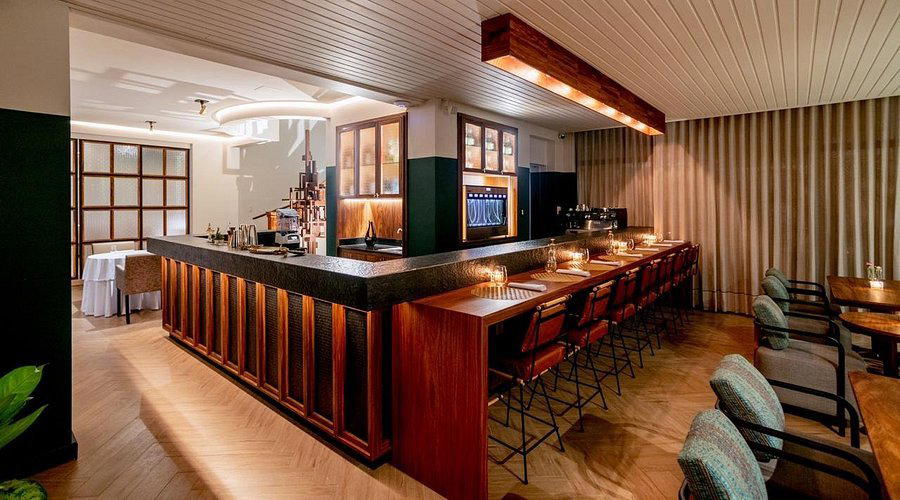

Hotels in Guatemala City
Browse all →
Details
- Elegant
- Intimate
- Sophisticated
- Date Night
- Special Occasion
- Celebration
- Open Kitchen
- Chefs Counter
- Craft Cocktails
- Local Sourcing
- Tasting Menu
- Craft Cocktails
Current opening hours
- Monday
- 8 AM–10 PM
- Tuesday
- 8 AM–10 PM
- Wednesday
- 8 AM–10 PM
- Thursday
- 8 AM–10 PM
- Friday
- 8 AM–10 PM
- Saturday
- 8 AM–10 PM
- Sunday
- 9 AM–5 PM
Hours can change for holidays and private events. Hours as of .
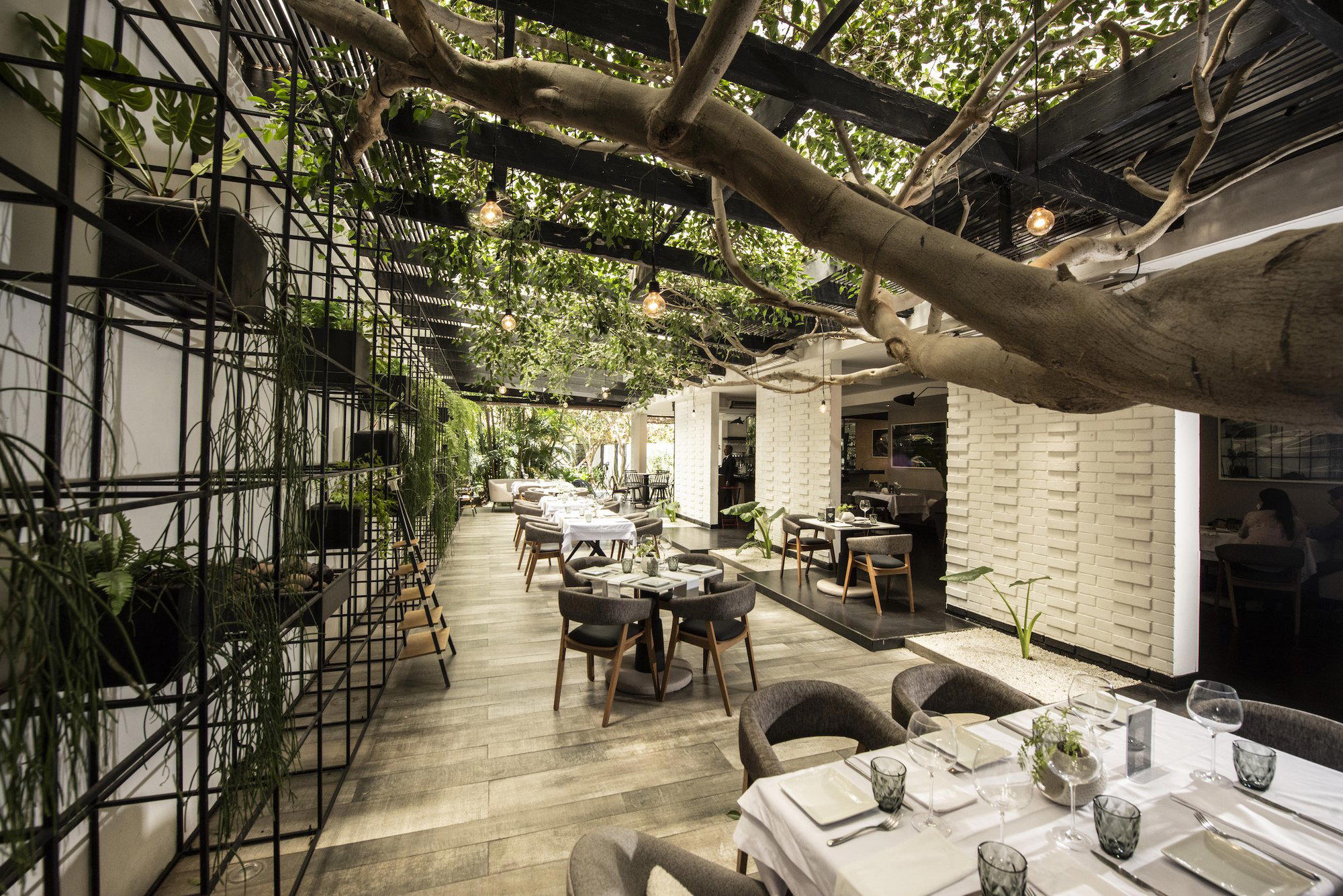
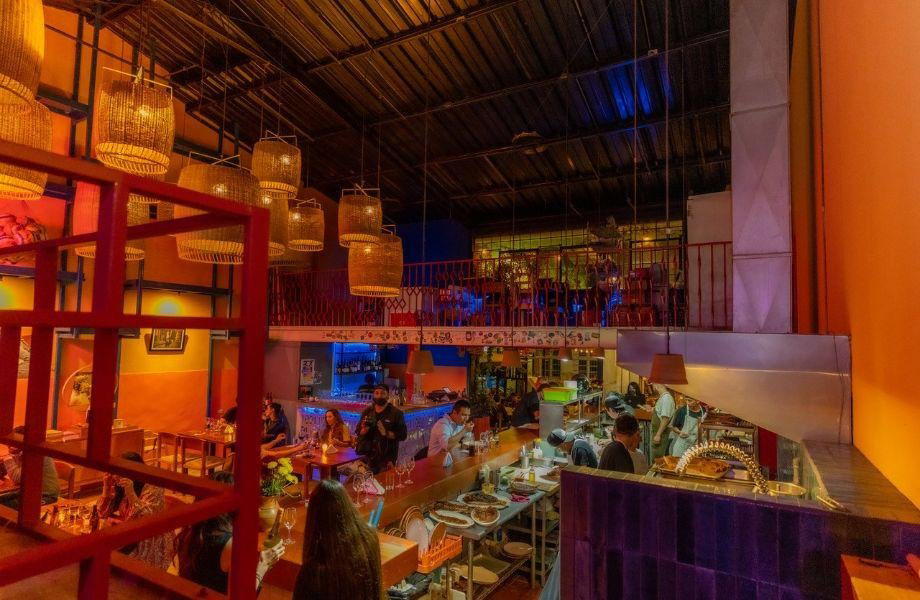
Inviting and refined atmosphere with beautiful presentation and decoration; guests describe it as feeling like dinner and a show, with music and decor contributing to an upscale yet welcoming environment.