Kombu Ramen
Ramen in a colonial Guatemalan city is an unexpected proposition, and Kombu Ramen on 3rd Calle Oriente makes a case for why it works. The address places it squarely in Antigua's historic core, where cobblestone streets and centuries-old stone facades frame an unlikely bowl of Japanese comfort. A focused concept in a city better known for its Mayan and Spanish culinary inheritance.
Pearl is the En Primeur Club membership app — saves, bookings, and concierge access live there. Same editors, same standards.
- Address
- 3rd Calle Oriente No. 19 D Antigua, Guatemala 03001, Guatemala
- Website
- komburamenshop.com
- Directions
- Get directions
 Saves & bookings on Pearl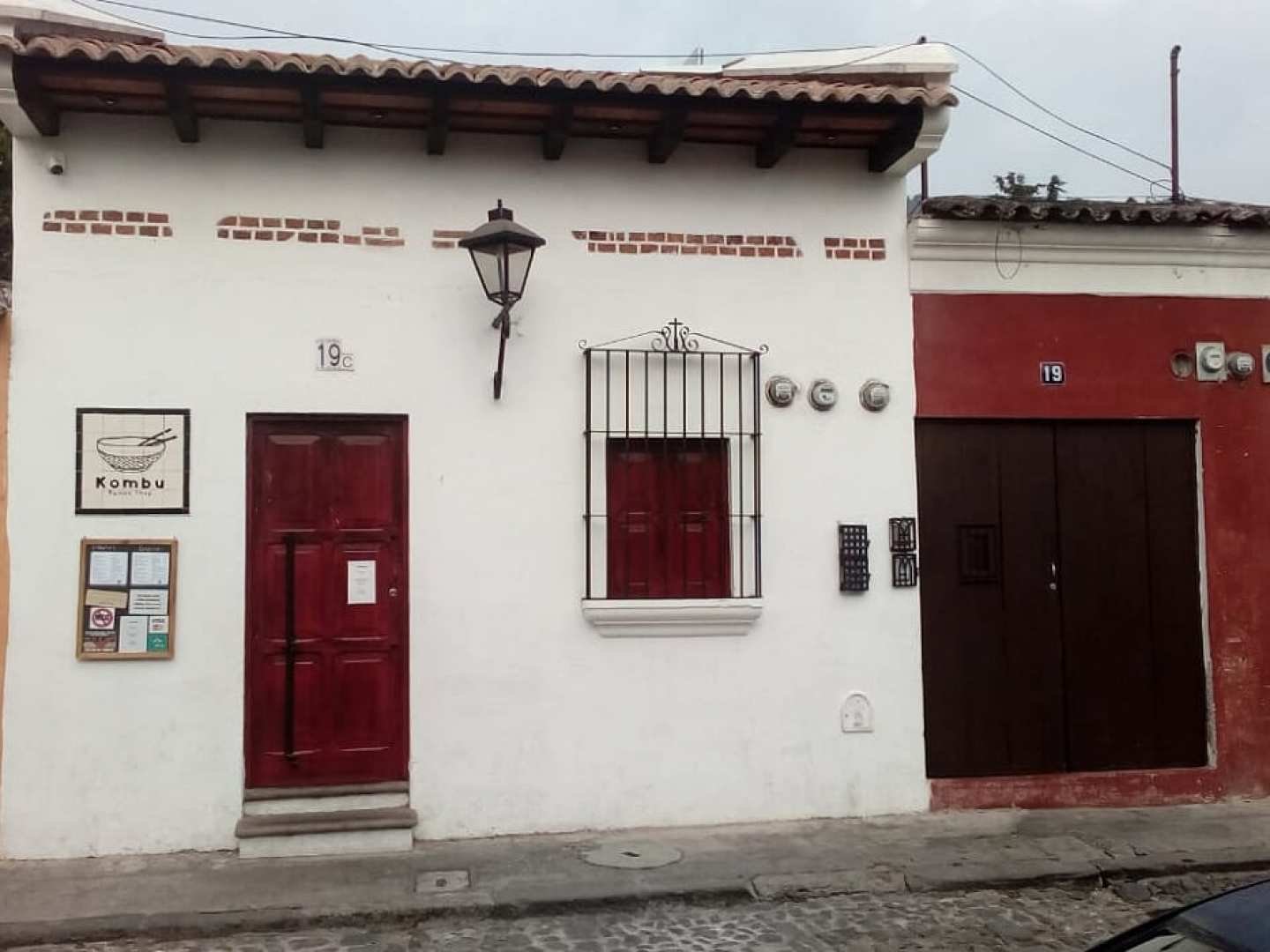
Ramen in the Colonial Core
Antigua Guatemala's dining identity is shaped by two gravitational forces: the deep Mayan culinary tradition of the highlands and the European overlay that arrived with the Spanish colonial period. Against that backdrop, a ramen counter on 3rd Calle Oriente reads as a deliberate act of culinary positioning. Ramen is not a cuisine that travels incidentally — the broth requires hours of extraction, the noodle texture depends on precise alkalinity, and the sourcing of key aromatics determines whether the bowl tastes considered or approximate. The fact that Kombu Ramen takes its name from kombu, the dried kelp that forms the dashi backbone of Japanese stock-making, signals that the concept is engaging with the ingredient logic of the cuisine, not simply its format.
Antigua's restaurant scene has broadened considerably in the past decade. The city draws enough international visitors and long-term expatriates that specialty concepts — beyond the traditional El Rincon Tipico model of Guatemalan home cooking, have found an audience. That audience now sustains everything from contemporary Latin kitchens like Quiltro to colonial-house dining rooms at Welten Restaurant. Kombu Ramen sits in a different tier: a specialist format built around a single category of cooking, which in a city of Antigua's size represents a real commitment to depth over breadth.
The Ingredient Question in a Landlocked City
Sourcing is where the editorial tension in a Guatemalan ramen concept becomes most interesting. Japan's ramen tradition is built on ingredients, tonkotsu collagen, miso paste aged for months, kombu harvested from cold northern waters, that require either importation or credible local substitution. Guatemala offers neither proximity to Pacific seafood supplies nor the established Japanese import infrastructure that a city like Mexico City or Lima has developed over generations of Japanese diaspora settlement. This makes every bowl in a concept like Kombu Ramen a sourcing decision first and a cooking decision second.
The opportunity, and it is a real one in highland Guatemala, lies in the local protein and agricultural supply. Guatemala's highlands produce pork, chicken, and vegetables at a quality that can support serious broth work. The challenge is the specialty components: alkaline noodles, specific koji-fermented pastes, and the dried marine ingredients that give Japanese stocks their umami depth. Where a kitchen sources these materials, and how consistently, determines whether the concept holds across seasons. In a city where supply chains for specialty imports can be inconsistent, the discipline of maintaining a fixed sourcing standard is the real operational test.
This sourcing tension is not unique to Antigua. Ramen has spread across Latin America's secondary cities in the past decade, and in each market the question of ingredient fidelity versus local adaptation produces different answers. Some concepts lean into local substitution as a feature; others maintain strict import dependency at higher price points. The distinction matters to the guest because it determines what they are actually eating: a regionally inflected noodle soup, or a faithful reconstruction of a Japanese original.
Where It Sits in Antigua's Dining Grid
The address, 3rd Calle Oriente No. 19D, puts Kombu Ramen in the eastern quadrant of Antigua's colonial grid, away from the heaviest tourist concentration around the central park and closer to the residential and mixed-use character of the surrounding streets. That positioning is consistent with specialist dining concepts in historic cities globally: the best-known dining rooms occupy central real estate and charge accordingly, while focused single-category concepts find their audience on quieter streets where rents allow for tighter menus and lower price thresholds.
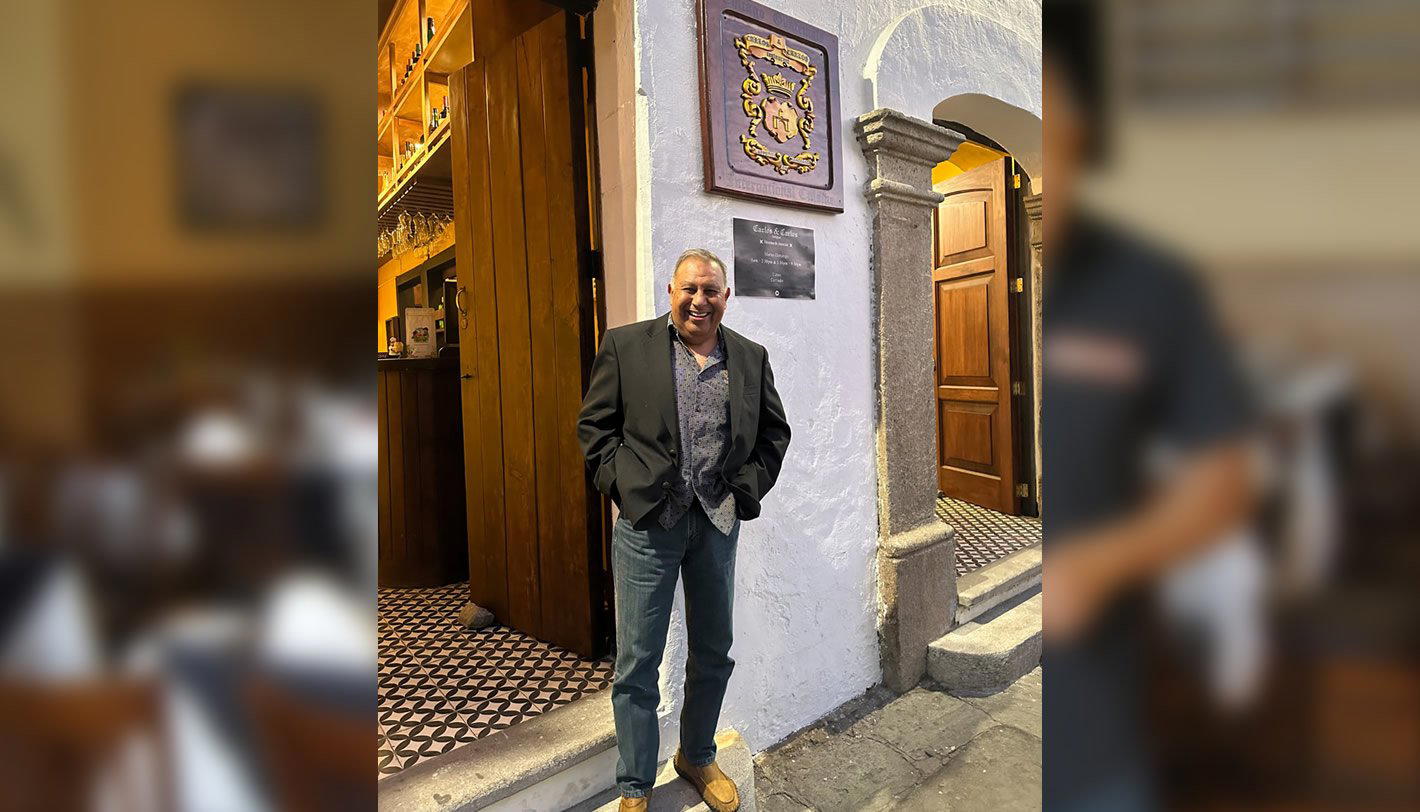
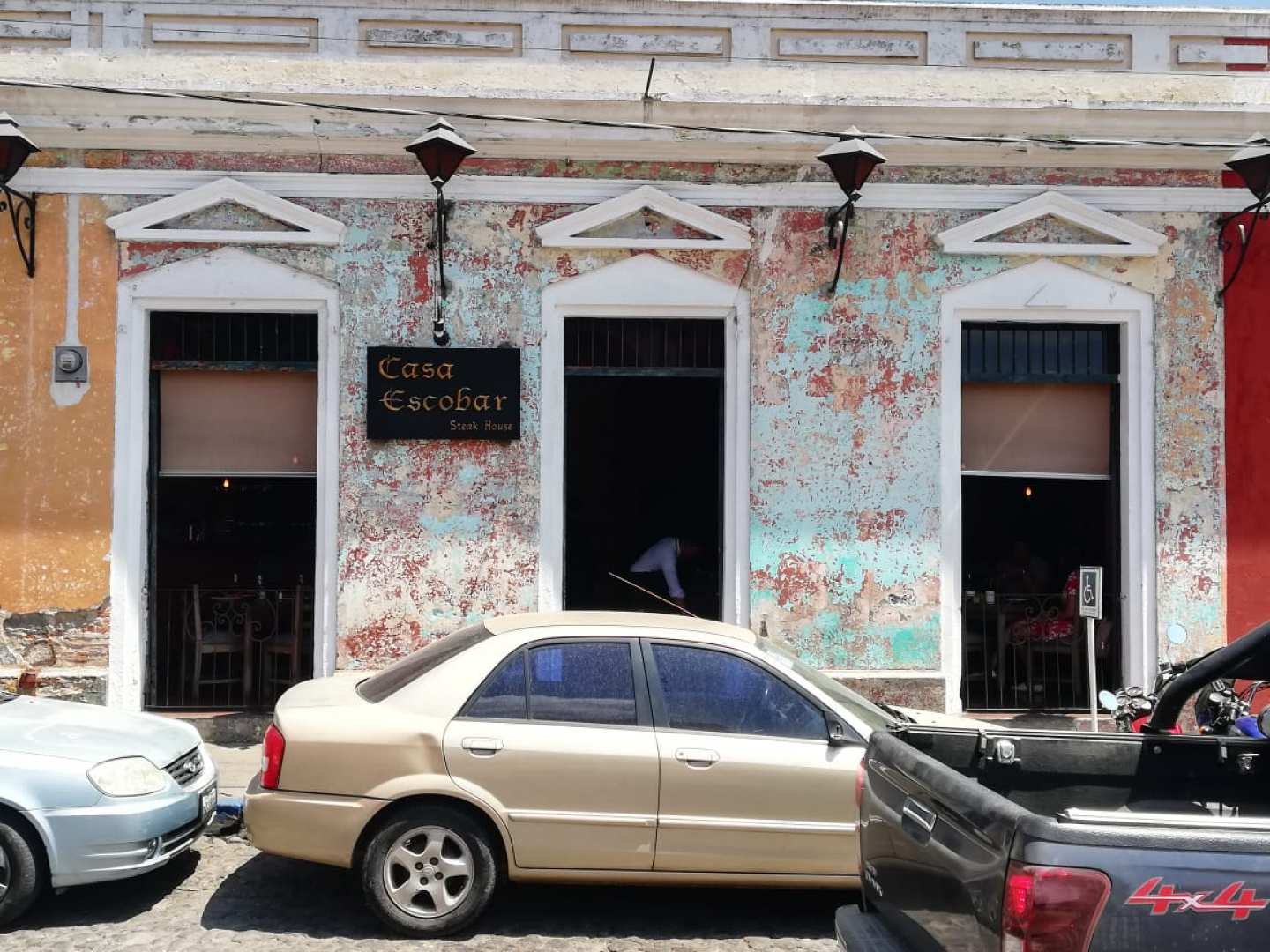
Within Antigua's competitive set, Kombu Ramen occupies a different category than the broader-menu restaurants that define the city's upper dining tier. The large-format colonial-house restaurants, think the atmospheric rooms at Casa Escobar Antigua or the established crowd at Carlos and Carlos Antigua, compete on ambiance, range, and ceremony. A ramen counter competes on precision, consistency, and value within its category. These are not interchangeable dining propositions, and a visitor choosing between them is really choosing between two different types of evening. For those wanting a reference point beyond Guatemala, the broader shift toward technically focused single-category restaurants in cities like New York, where Atomix has demonstrated what Korean culinary depth looks like at the highest level, provides useful context for why focused formats attract serious diners.
Antigua also functions as a day-trip or weekend destination from Guatemala City, where the dining scene has its own depth at restaurants like Luka and Clio's. Visitors moving between the two cities will find that Antigua's specialist concepts occupy a different register from the capital's more developed fine dining tier, more casual, more adventurous in concept, and often more accessible in price.
Planning Your Visit
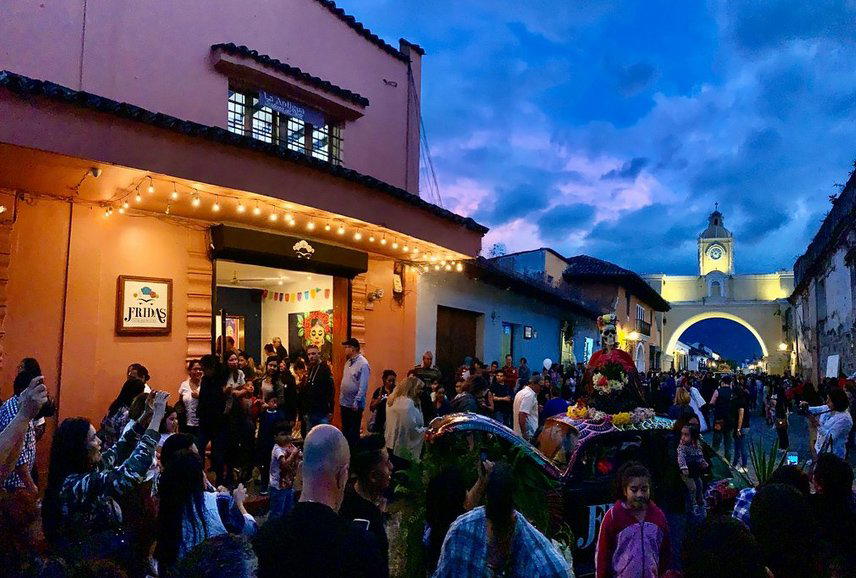
Kombu Ramen is located at 3rd Calle Oriente No. 19D in Antigua Guatemala, in the eastern section of the city's colonial grid. For those exploring the wider region, Fridas and Pappy's BBQ represent other non-traditional concepts that have found footing in Antigua's international-facing dining scene. Further afield, the lakeside dining at Casa Palopó in Santa Catarina Palopó and the regional cooking at Restaurante La Danta in Flores show the range of Guatemala's dining geography. A full map of where Kombu Ramen sits relative to the city's other strong options is available in our full Antigua Guatemala restaurants guide. Contact details and current hours were not available at the time of publication; confirming directly before visiting is advisable, as smaller specialist concepts in historic city centers sometimes operate on schedules that shift with season and demand.
How Kombu Ramen Antigua Guatemala compares with similar nearby venues.
| Venue | Cuisine |
|---|---|
| Villa Bokéh | Caribbean Fusion |
Continue exploring
More in Antigua Guatemala
Restaurants in Antigua Guatemala
Browse all →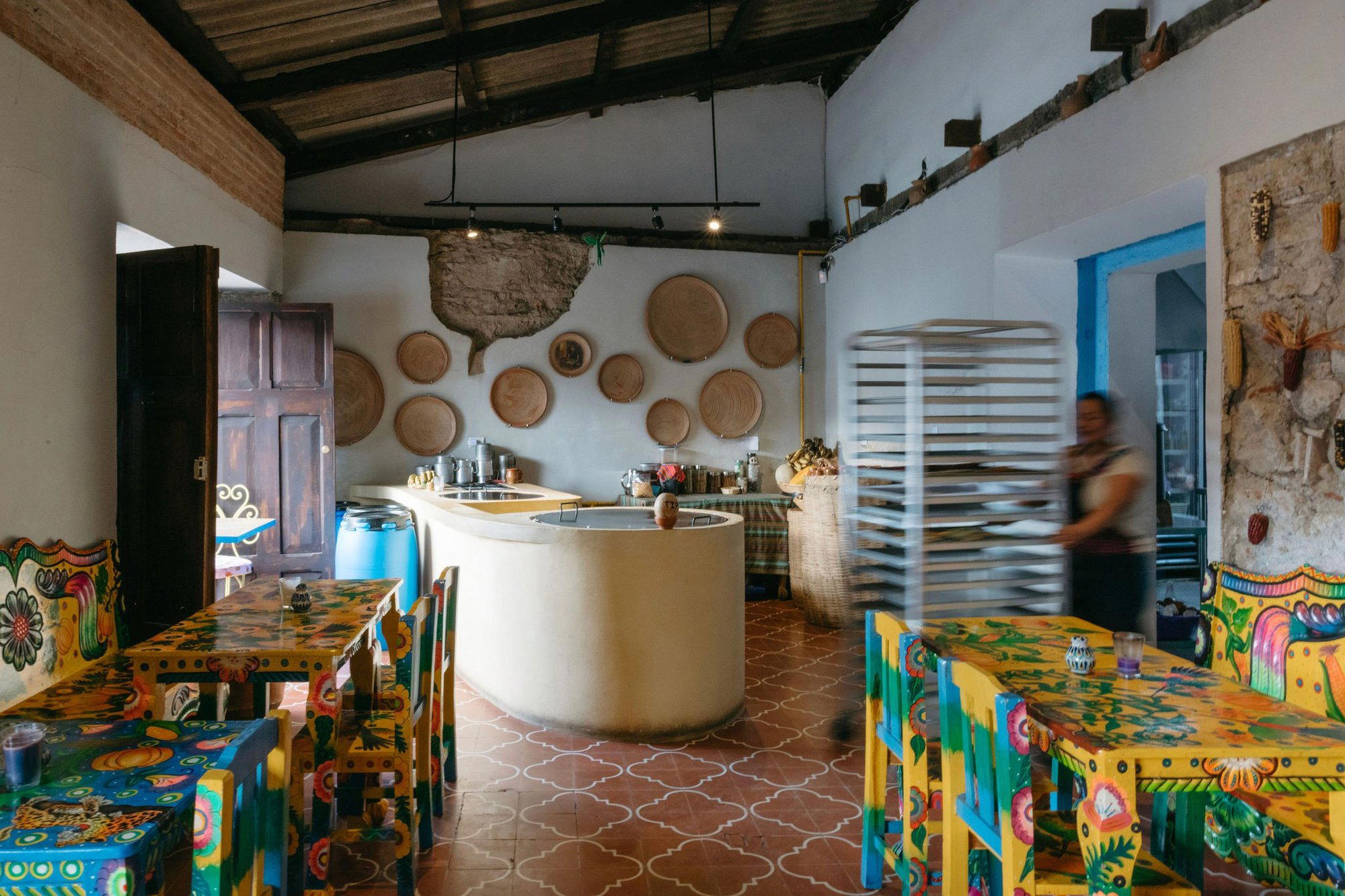
Bars in Antigua Guatemala
Browse all →
At a Glance
- Cozy
- Trendy
- Modern
- Casual Hangout
- Family
- Open Kitchen
- Sake Program
- Local Sourcing
Current opening hours
- Monday
- Closed
- Tuesday
- Closed
- Wednesday
- 12–3 PM, 6–9 PM
- Thursday
- 12–3 PM, 6–9 PM
- Friday
- 12–3 PM, 6–10 PM
- Saturday
- 12–4 PM, 6–10 PM
- Sunday
- 12–4 PM, 6–9 PM
Hours can change for holidays and private events. Last verified .
Cozy and well-decorated with an amazing atmosphere, though music can be loud at times.