Clio's

Our verdict
Clio's sits on 6A Avenida in Guatemala City's Zone 10 corridor, where the capital's contemporary dining scene is most concentrated. For travellers already mapping the city's serious restaurants, this is one address that warrants attention.

Pearl is the En Primeur Club membership app, where members save venues, book tables and use the concierge.
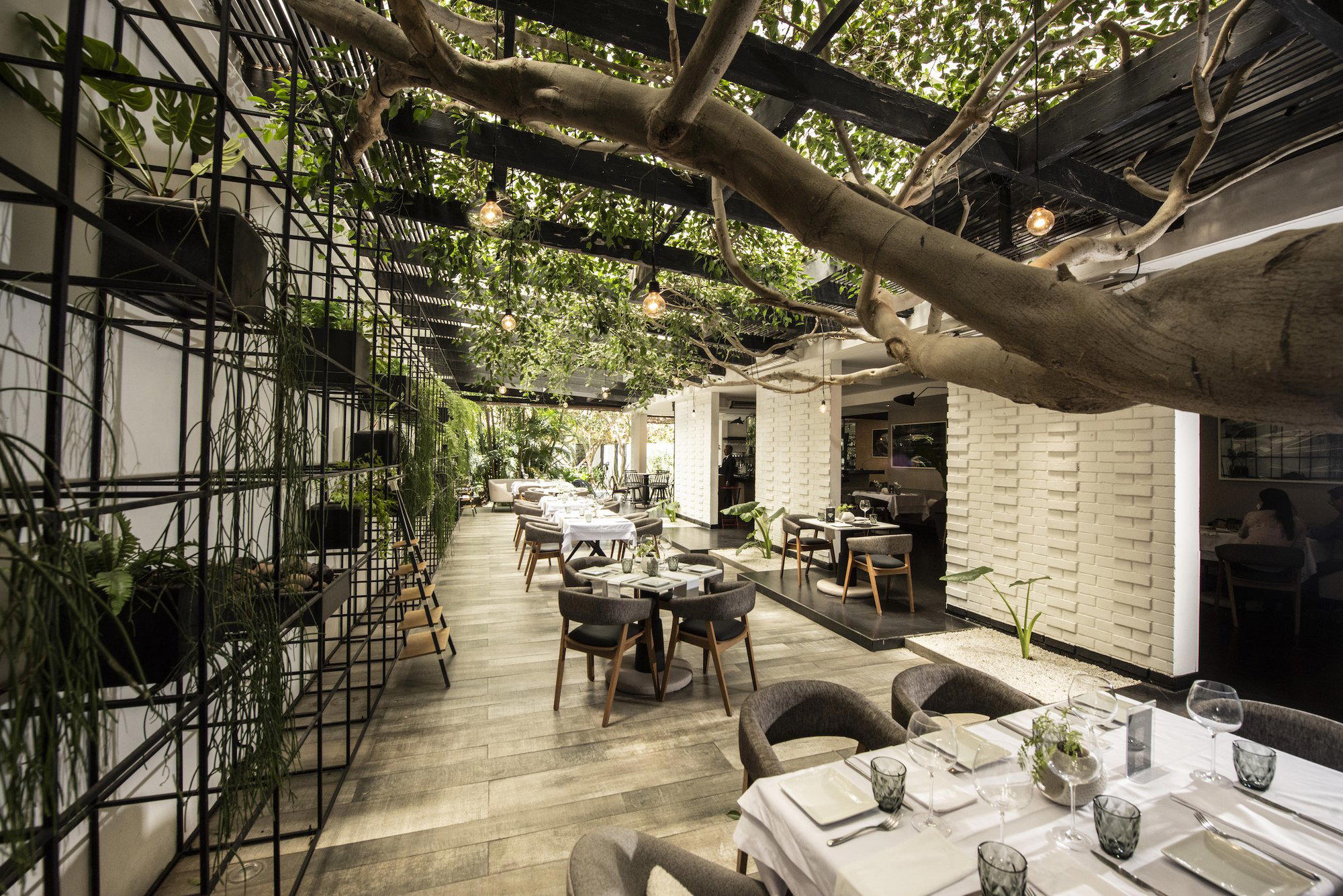
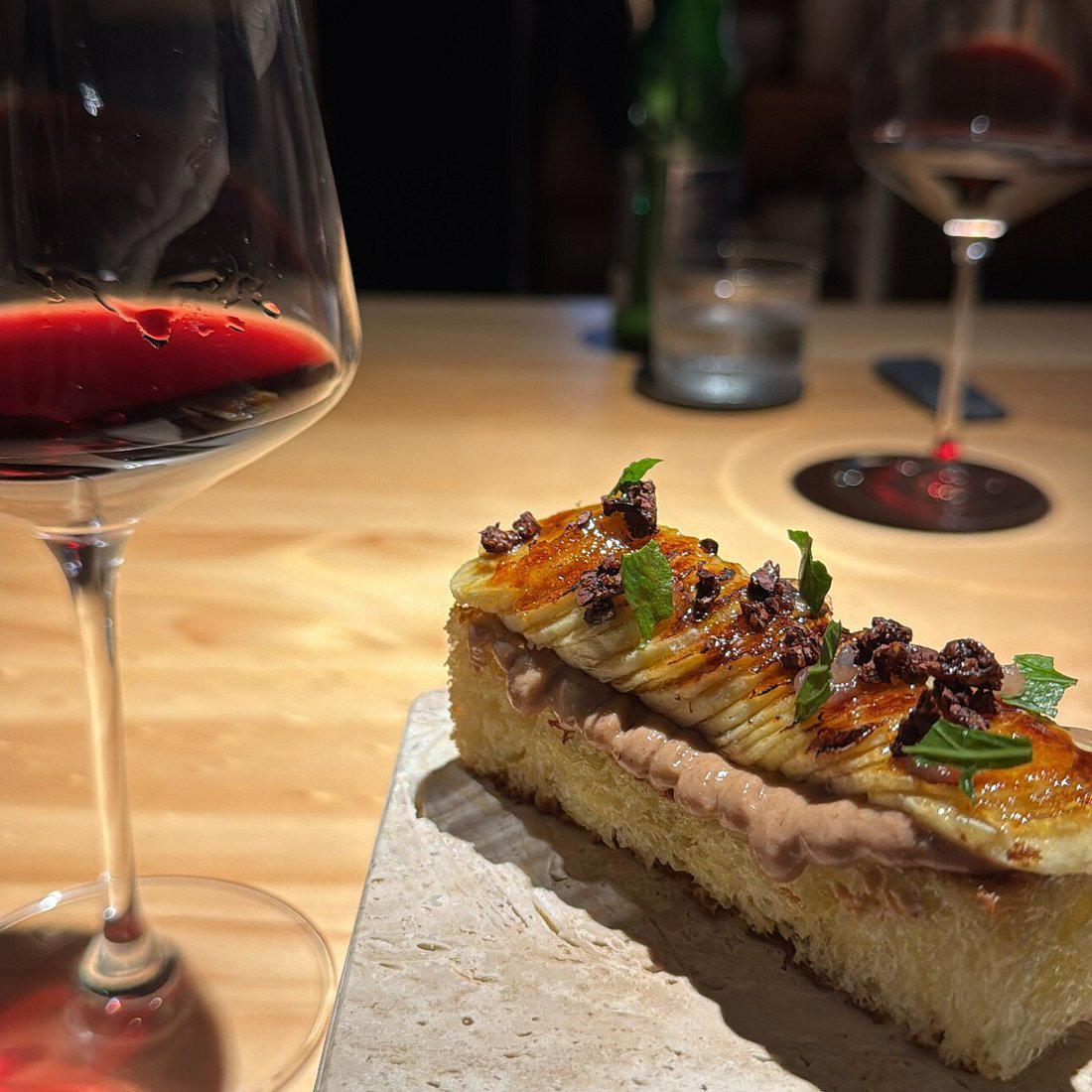
The menu
What to order
- Lomito a la pimienta Verde
- Pollo entre el huerto
- Ravioles Garífuna
Guatemala City's Dining Scene and Where Clio's Fits
Guatemala City's restaurant culture has moved quickly over the past decade. The capital spent years in the shadow of Antigua's tourist-facing dining circuit, but Zone 10 and the surrounding corridors have developed a tier of restaurants that compete on their own terms, sourcing from highland markets, working with Mayan culinary traditions, and building menus that reflect the country's extraordinary agricultural range rather than approximating European or North American templates. Clio's, at 6A Avenida 15-65 in Zone 10, occupies a position inside that shift.
The address is significant. Zone 10, anchored by the Zona Viva, is where the capital concentrates its most considered restaurants. Venues like DIACÁ and Ana have helped define what modern Guatemalan cooking looks like at the serious end of the market, not fusion in the diluted sense, but cooking that treats local ingredients and traditions as the primary reference point rather than a garnish on an imported concept. Clio's shares that postcode and, by extension, that conversation.
The Cultural Roots of the Cuisine
Understanding what makes Guatemala City's better restaurants interesting requires some context about the country's culinary foundations. Guatemala has one of the most layered food cultures in Central America, shaped by 22 officially recognised Mayan linguistic communities, each with its own agricultural practices and cooking traditions. The highlands around Quetzaltenango and the shores of Lake Atitlán produce ingredients, black beans, chiles, chayote, fresh cheese, cacao, that form a distinct pantry, one quite different from Mexican or broader Latin American frameworks that outsiders sometimes apply as a shorthand.
Colonial-era Spanish influence layered over those indigenous traditions, producing dishes like pepián, a seed-based stew with pre-Columbian origins now considered a national dish, or jocón, a tomatillo and herb sauce that predates the arrival of tomatoes from South America. The coastal lowlands contribute Pacific seafood and tropical produce. This is a food culture with genuine depth, and the restaurants doing the most interesting work in Guatemala City are the ones that engage with it directly rather than using it decoratively.
For international travellers accustomed to dining at places like Le Bernardin in New York City or Atomix in New York City, restaurants where culinary tradition is treated as primary source material, the better Guatemala City addresses offer a comparable seriousness of engagement with their own traditions, at a fraction of the price point.
The Experience at Clio's
Clio's sits in one of Zone 10's established dining corridors, and the surrounding block reflects the neighbourhood's character: a mix of design-conscious restaurants, well-maintained commercial frontage, and the kind of foot traffic that comes from a predominantly local clientele rather than a tourist drag. The Zona Viva's energy is present but not overwhelming at this address, closer to the quieter stretch of 6A Avenida than to the louder commercial sections further north.
The venue's position in the Zone 10 dining tier places it in conversation with a set of peers that includes Flor de Lis and Donde Mikel, restaurants that attract a regular local clientele and occasional international visitors rather than positioning primarily around tourism. That distinction matters for travellers calibrating expectations: the room, the pace, and the menu logic tend to reflect what serious Guatemala City diners expect, which skews more demanding on ingredient sourcing and less reliant on spectacle.
Zone 10 also connects naturally to the city's broader dining geography. Travellers spending time here often extend their itinerary to Casa Escobar at Paseo Cayalá on the city's eastern edge, or map their trip around day visits to Antigua, where Villa Bokéh and Carlos & Carlos Antigua represent the colonial city's most considered restaurant tier. Further afield, Pacaya in San Vicente Pacaya and Casa Palopó in Santa Catarina Palopó offer destination-dining experiences that reward the drive from the capital.
Planning Your Visit
Clio's address at 6A Avenida 15-65 puts it in a walkable section of Zone 10, accessible from the main hotel cluster around 7a Avenida and within reasonable distance of the Ministerios area. Zone 10 restaurants in this tier typically operate lunch and dinner service, with the local dining rhythm running later than North American norms, dinner before 8pm is considered early by most Guatemala City standards. Booking ahead is advisable for evening slots, particularly on weekends, when local demand from the Zone 10 residential catchment competes with in-town visitors.
The capital's taxi and ride-share infrastructure makes Zone 10 highly accessible from most parts of the city, and the neighbourhood's density means that a single evening can logically incorporate a drink at one address and dinner at another without significant transit time. Luka in Ciudad de Guatemala is among the nearby addresses worth considering as part of a broader Zone 10 evening. For visitors with more time in the country's south, Restaurant Don Carlos in Mazatenango and Restaurante La Danta in Flores round out a national dining itinerary that goes well beyond the capital. See our full Guatemala City restaurants guide for a complete map of the city's dining tiers.
Frequently asked questions
Can I bring kids to Clio's?
Clio's sits in Zone 10, Guatemala City's most established dining neighbourhood, where restaurants along the 6A Avenida corridor tend to draw a mixed crowd of professionals and families. Nothing in the available information suggests a policy against children, though the surrounding block's design-conscious character skews toward adult diners. Contacting the venue directly before visiting with young children is advisable.
How would you describe the vibe at Clio's?
Clio's occupies a spot on 6A Avenida in Zone 10, a stretch that mixes design-conscious businesses with established dining rooms serving Guatemala City's professional class. The neighbourhood sets an expectation of considered, relatively polished surroundings rather than casual street-level eating. It reads as the kind of address where a business dinner and a date night are equally at home.
Is Clio's a good choice for an authentic Guatemalan dining experience in Guatemala City?
Clio's location on 6A Avenida in Zone 10 places it at the centre of Guatemala City's most active dining corridor, where the shift away from tourist-facing menus toward locally rooted cooking has been most pronounced over the past decade. Zone 10 restaurants at this address level typically serve a predominantly local clientele rather than a visitor-driven one, which in Guatemala City tends to be a reliable indicator of culinary intent.
What's the signature dish at Clio's?
Specific menu details for Clio's are not part of the publicly documented record at this time. Guatemala City's better Zone 10 restaurants generally draw on the country's deep culinary foundations, corn, chiles, black beans, and recados, often reframed through a contemporary lens. For current menu specifics, reaching out to Clio's directly at their 6A Avenida 15-65 address is the most reliable route.
Where is Clio's located?
Clio's is located at 6A Avenida 15-65, Cdad. de Guatemala 01010, Guatemala, Guatemala City.
Pricing, Compared
Comparable venues nearby, for context on price, style, and recognition.
| Venue | Cuisine | Price | Awards | Notes |
|---|---|---|---|---|
| Clio'sThis venue (the venue you are viewing) | French Fusion | $30–50 | Not listed | Not listed |
| Hacienda Real Zona 10 | Guatemalan Steakhouse | $20–30 | Not listed | Zona 10, Guatemalan Steakhouse |
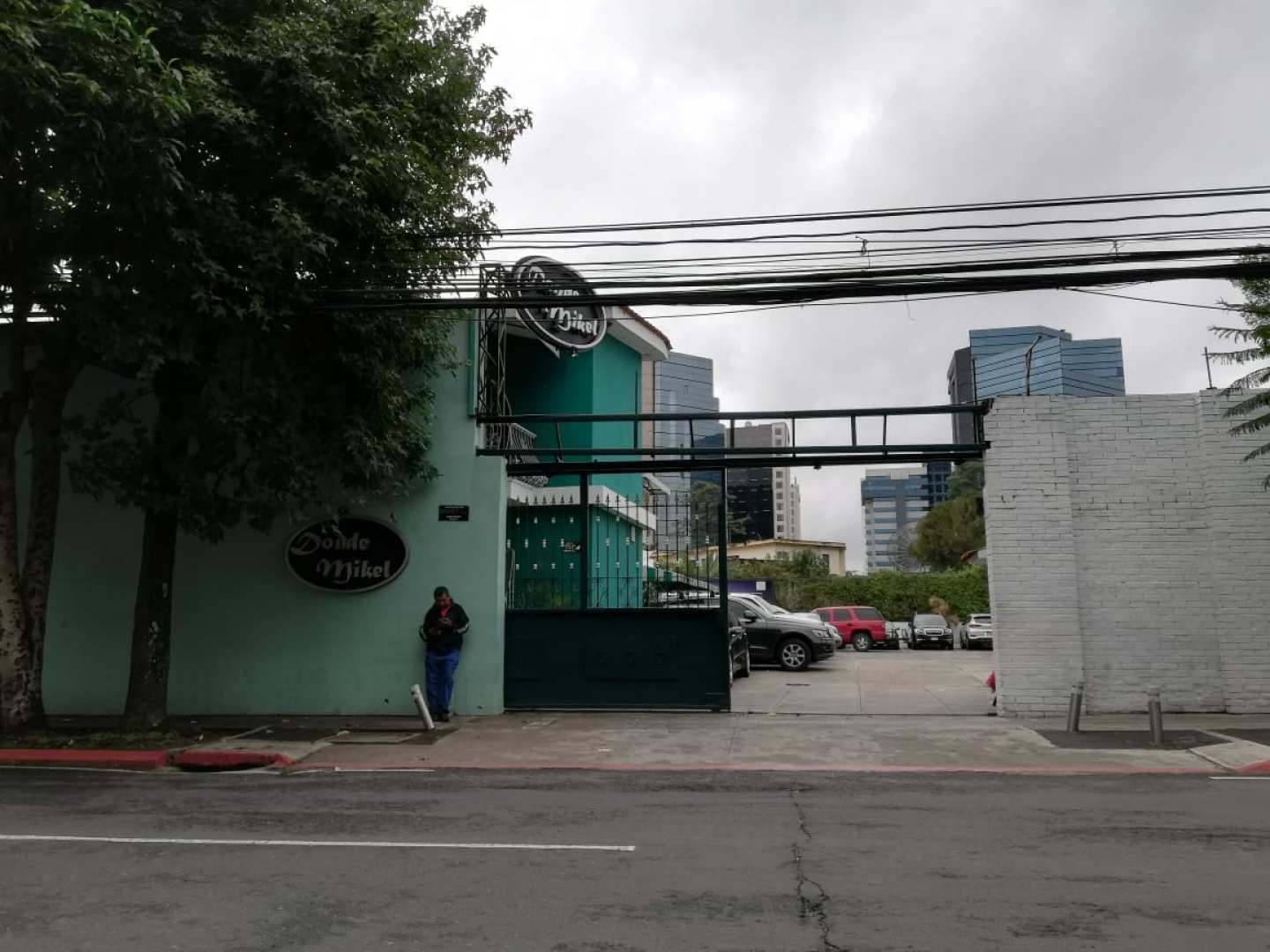
| Donde Mikel | Basque-Style Seafood & Grilled Meats | $30–50 | Not listed | Zona 10, Basque-Style Seafood & Grilled Meats |
| L’Aperó | Wood-Fired Artisan Pizza | $10–20 | 50 Top Pizza Latin America #37 | Pizza |
| Flor de Lis | Modern Mayan Fusion Tasting | $50–100 | The Best Chef One Knife | Guatemala City, Modern Mayan Fusion Tasting |
| Casa Escobar... Paseo Cayalá | Guatemalan Steakhouse | $30–50 | Not listed | Paseo Cayalá, Guatemalan Steakhouse |
Recognition history
Dated appearances from independent guides and award organizations, with the underlying list record or original source where available.
World Culinary Awards Guatemala's Best Restaurant 2025 #1
World Culinary Awards
Continue exploring
More in Guatemala City
Restaurants in Guatemala City
All restaurants in Guatemala City →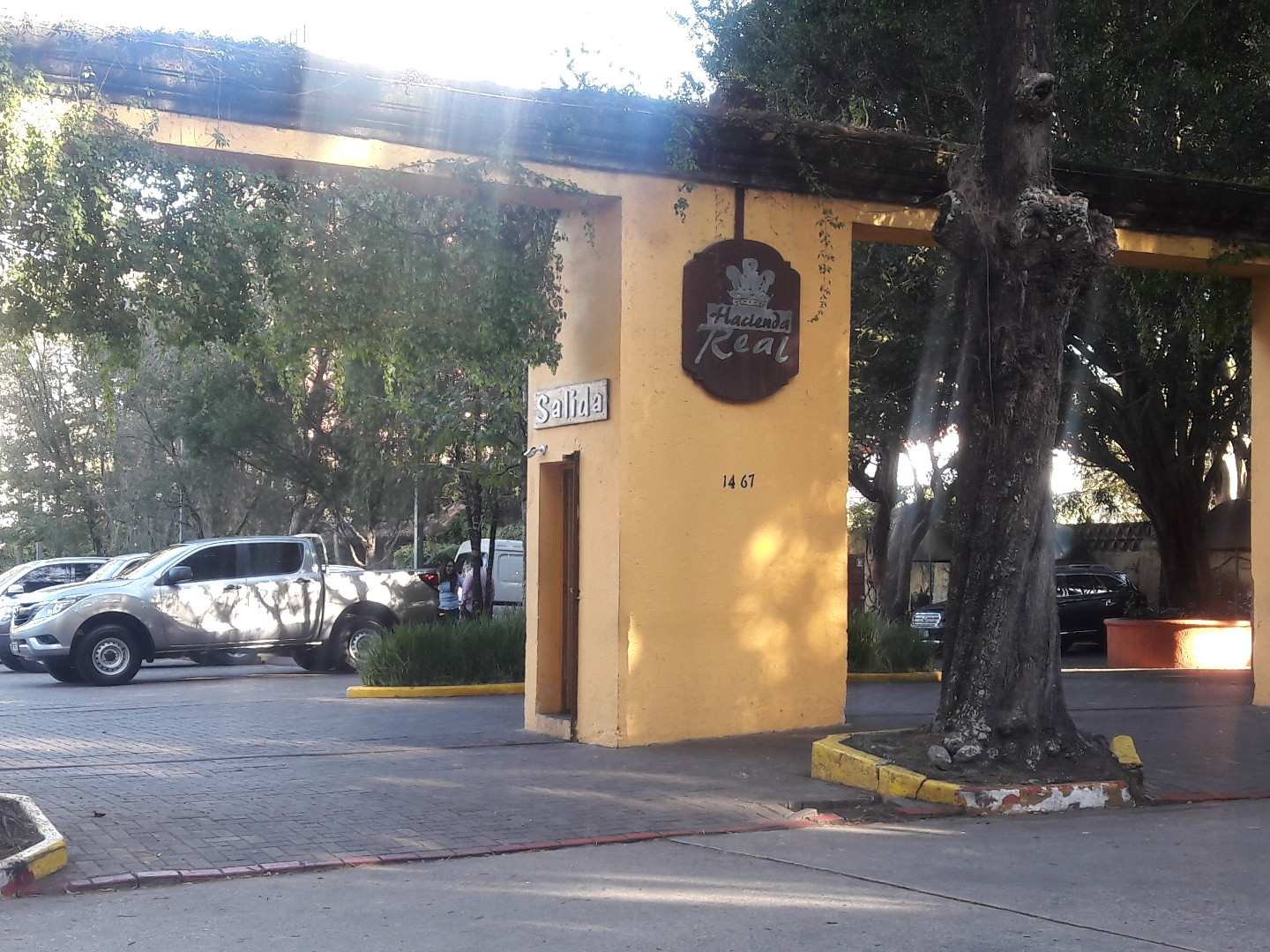

Hotels in Guatemala City
Browse all →
Details
- Elegant
- Modern
- Cozy
- Sophisticated
- Date Night
- Business Dinner
- Special Occasion
- Garden
- Open Kitchen
- Private Dining
- Craft Cocktails
- Local Sourcing
- Garden
- A La Carte
- Vegetarian Friendly
- Gluten Free Options
Current opening hours
- Monday
- Closed
- Tuesday
- 12:30–10 PM
- Wednesday
- 12:30–10 PM
- Thursday
- 12:30–10 PM
- Friday
- 12:30–10 PM
- Saturday
- 12:30–10 PM
- Sunday
- 12:30–4:30 PM
Hours can change for holidays and private events. Hours as of .
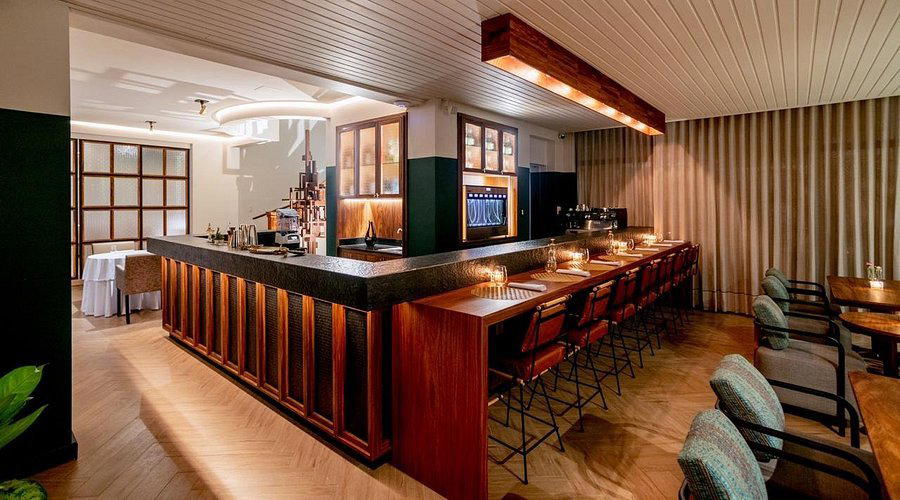
Modern elegant atmosphere with indoor/outdoor garden spaces, relaxing and beautiful with natural elements.