A long-running fixture on Antigua's restaurant scene, Fridas draws on the flavors and ingredients of Guatemala's colonial heartland. The setting echoes the bohemian energy the city projects to travelers, while the menu stays grounded in regional produce and tradition. For visitors piecing together Antigua's dining options, it represents one of the more characterful stops on the local circuit.
Pearl is the En Primeur Club membership app — saves, bookings, and concierge access live there. Same editors, same standards.
- Address
- Antigua
- Directions
- Get directions
 Saves & bookings on Pearl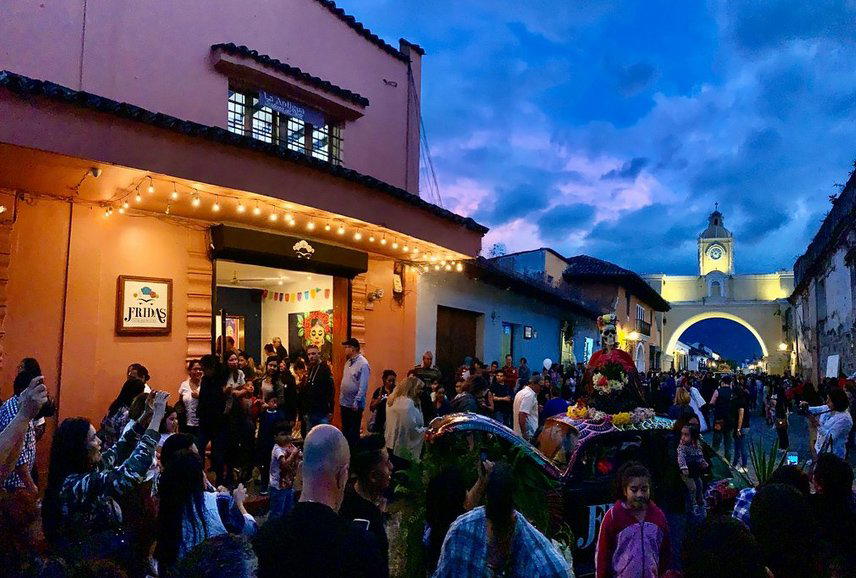
Antigua's Dining Room: Where Colonial Streets Meet the Table
There is a specific quality to eating well in Antigua, Guatemala that has little to do with formal dining rooms or tasting menus. The city's Spanish colonial grid, its cobblestone streets framed by low painted walls and volcanic skylines, creates a backdrop that makes even a casual lunch feel considered. Restaurants here tend to absorb that atmosphere, and the ones that survive long enough to become regulars on the circuit do so because they understand what the city's mix of travelers, expats, and Guatemalan families actually wants: food that connects to the region, in a space that doesn't apologize for its surroundings.
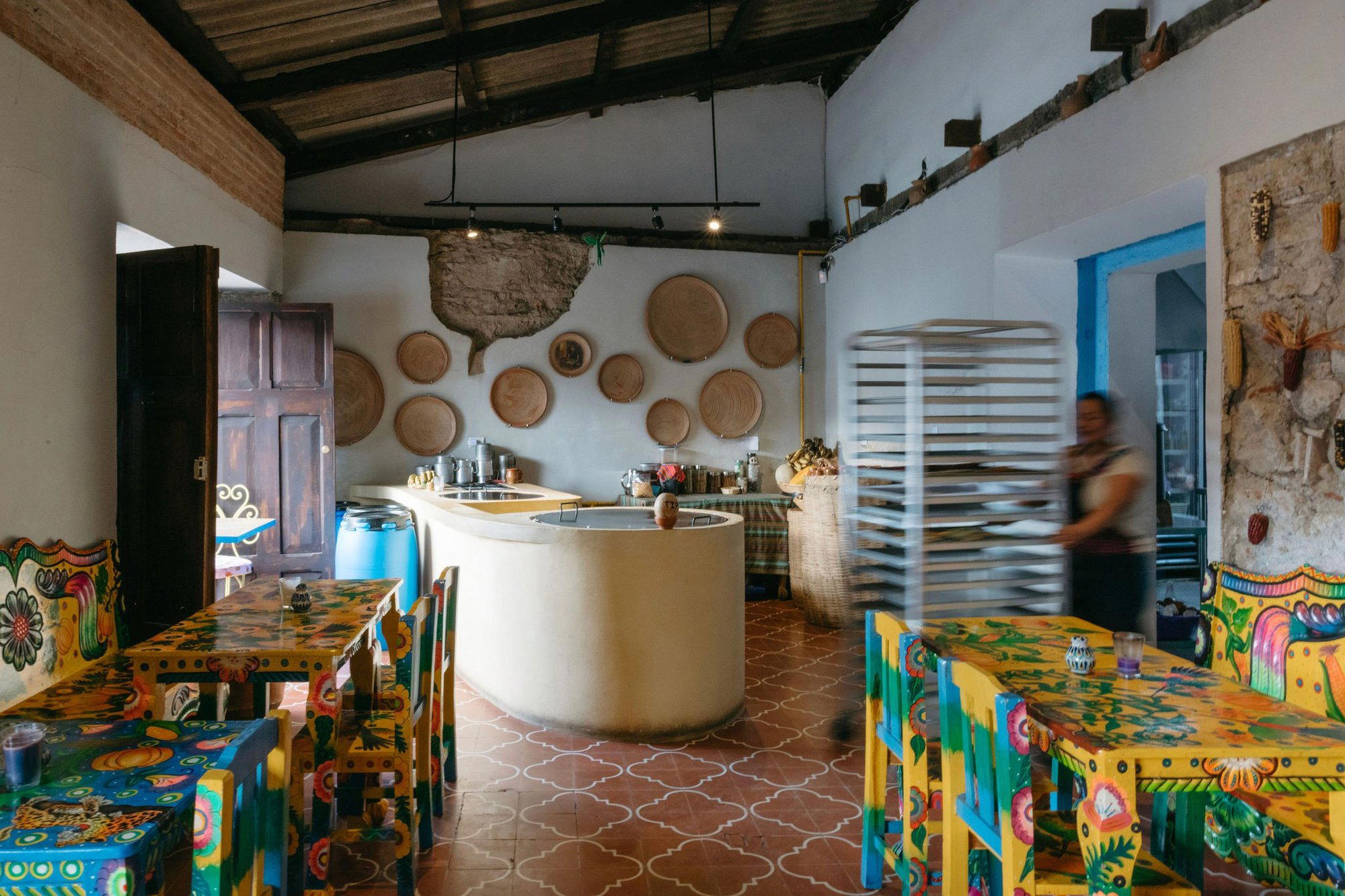
Fridas sits in that category. The name carries a nod to the Mexican artist whose image has become shorthand for a certain Latin American bohemianism, and the setting in Antigua translates that spirit into something tangible. This is not a white-tablecloth proposition. It is the kind of place that Antigua rewards you with when you stop looking for a formal recommendation and start walking.
Ingredient Sourcing in Guatemala's Highlands: Why Provenance Matters Here
Understanding what ends up on tables in Antigua requires understanding the geography surrounding it. The city sits at roughly 1,500 meters above sea level in Guatemala's central highlands, within reach of some of Central America's most productive agricultural land. The Lake Atitlán basin, the vegetable farms of the altiplano, and the coffee-growing slopes of Acatenango all contribute to a regional larder that is genuinely distinctive. Markets in Antigua, particularly the daily mercado near the central park, funnel produce from these surrounding areas directly into the city's kitchens.
This supply chain matters for a restaurant operating at the mid-range of Antigua's scene. Without the resources to import premium product or maintain the cold-chain logistics that define fine dining, the most intelligent kitchens here lean hard into local sourcing by necessity and by preference. Corn-based preparations, black beans, chiles, and fresh herbs from the highlands carry a flavour profile that differs measurably from their equivalents in Mexico City or San José. The altitude, soil composition, and growing conditions in the Guatemalan highlands produce ingredients with a character that is specific to this part of Central America. A kitchen that sources close to home is working with better raw material than one that substitutes international product.
This is the broader frame for Guatemalan restaurants worth paying attention to: the ones that maintain genuine connections to local producers are, almost by definition, offering something that cannot be replicated elsewhere. Venues like Casa Palopó in Santa Catarina Palopó and DIACÁ in Guatemala City have built their reputations on exactly this logic, though operating in higher price brackets. At the Antigua mid-range level, the sourcing conversation is less formal but no less real.
The Scene Fridas Belongs To
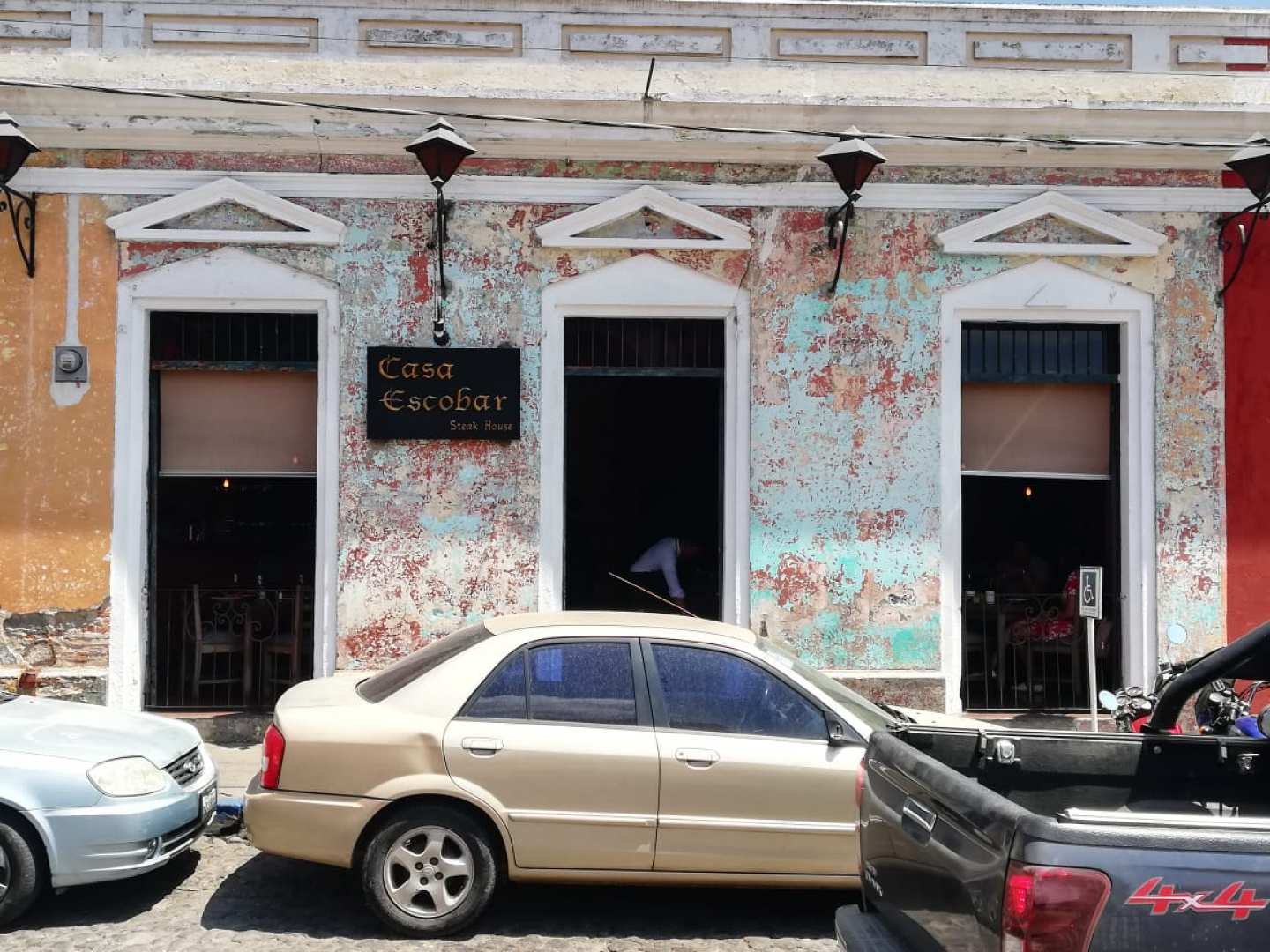
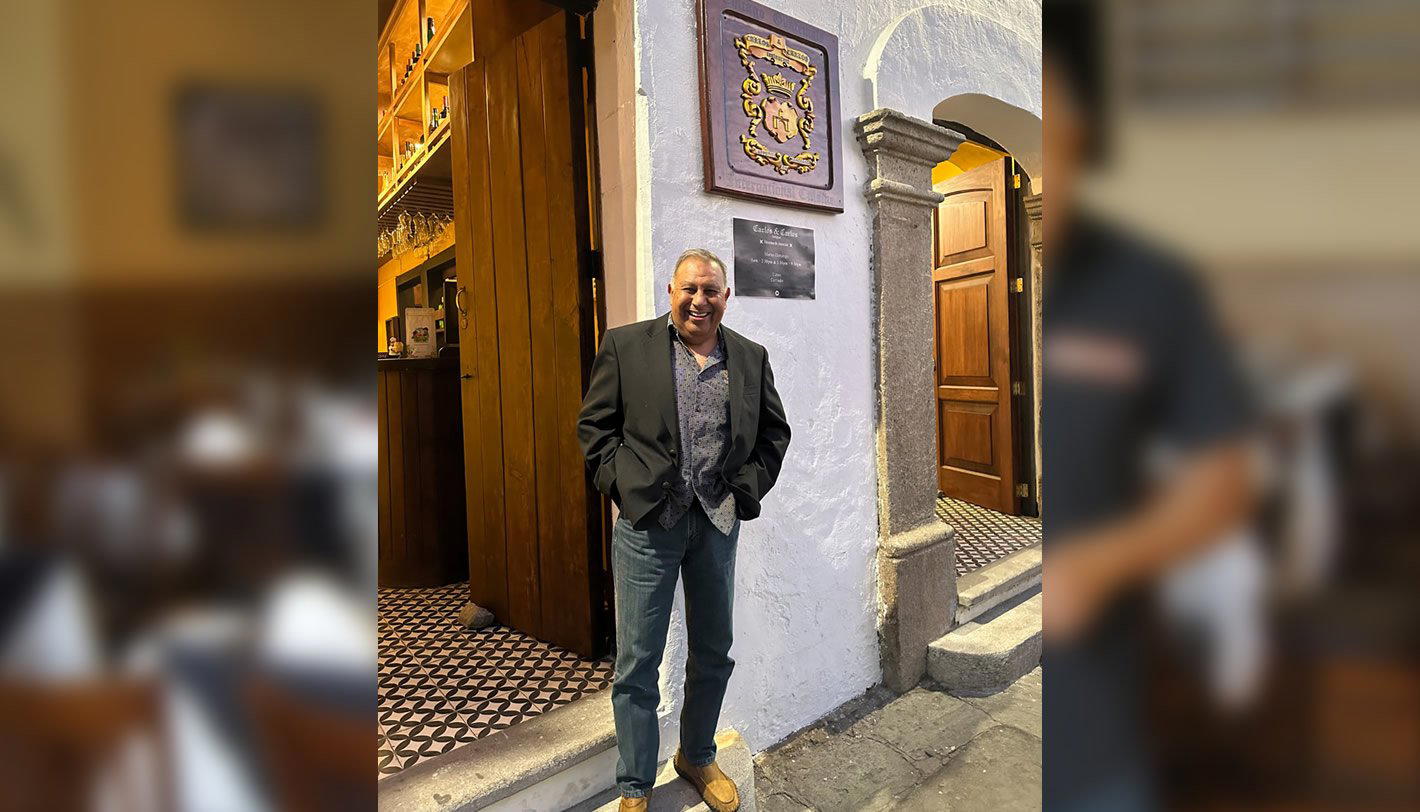
Antigua's restaurant ecosystem has evolved significantly over the past decade. The city now supports a spectrum from street-level comedores serving traditional Guatemalan plates for under a dollar to upscale fusion operations targeting the higher end of the tourist and expat market. Villa Bokéh represents the Caribbean Fusion end of that spectrum. Carlos & Carlos Antigua anchors a different segment entirely. Fridas occupies the casual-to-mid territory where the majority of Antigua's daily restaurant traffic actually moves.
That positioning carries its own editorial interest. The mid-tier in a colonial tourist city like Antigua is where the tension between authenticity and accessibility plays out most visibly. Kitchens in this bracket face a genuine choice: calibrate the menu toward international visitor expectations, or hold the line on regional flavour and trust that the food will speak for itself. The venues that last tend to do the latter, at least in part, because Antigua's more experienced travelers arrive with some knowledge of what Guatemalan food can taste like. The competition from Pappy's BBQ and other established names on the local circuit keeps the field honest.
Antigua's strongest comparison points further afield include Restaurante La Danta in Flores, which navigates a similar dynamic in the Petén region, and Pacaya in San Vicente Pacaya. The range of approaches across Guatemala's restaurant culture is wider than many visitors expect, and Antigua is the city where that range is most compressed and most visible.
What the Setting Communicates
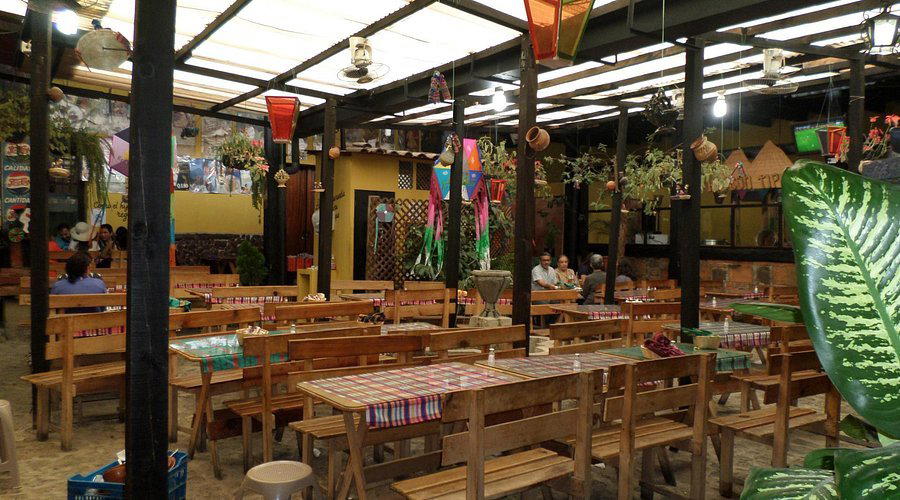
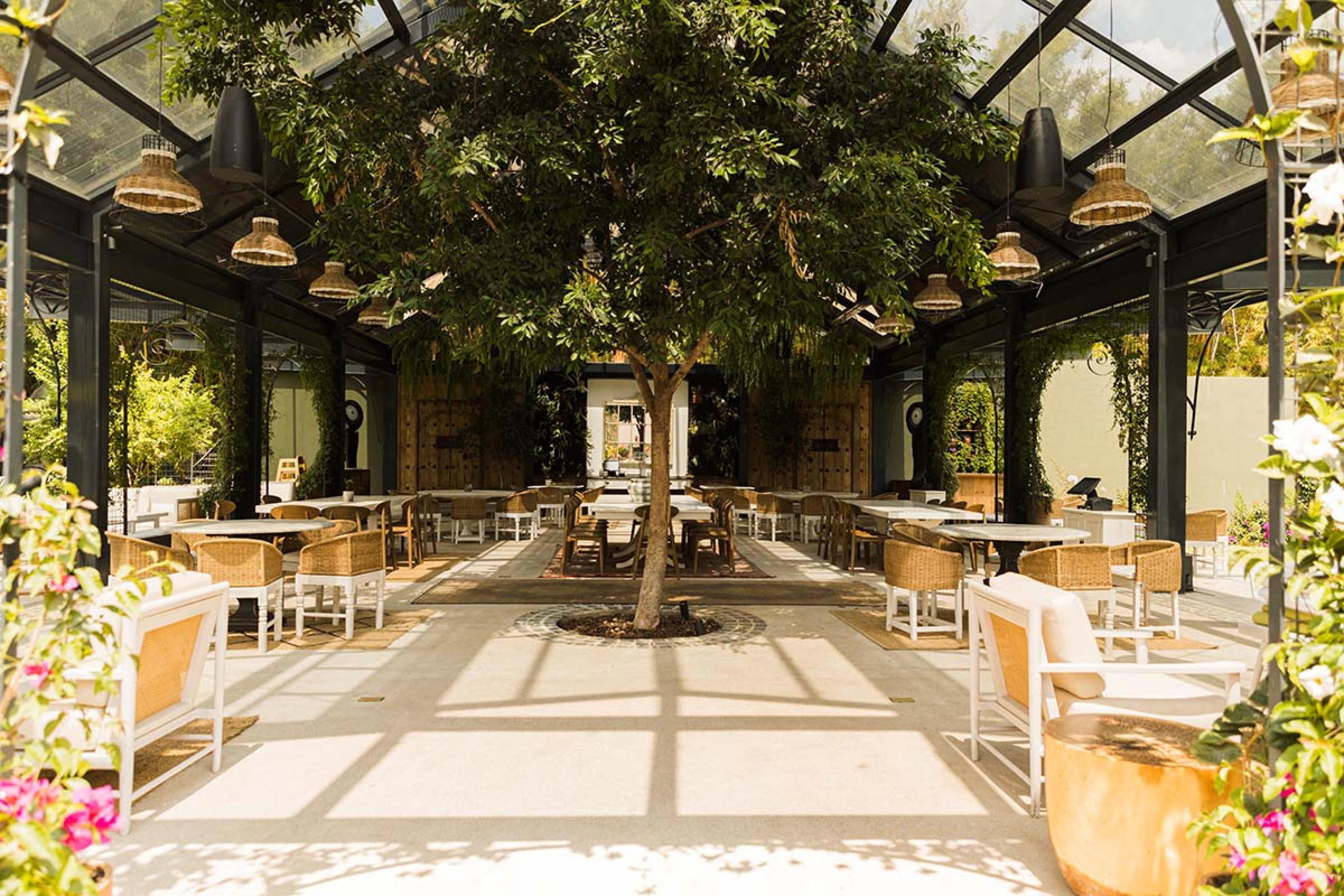
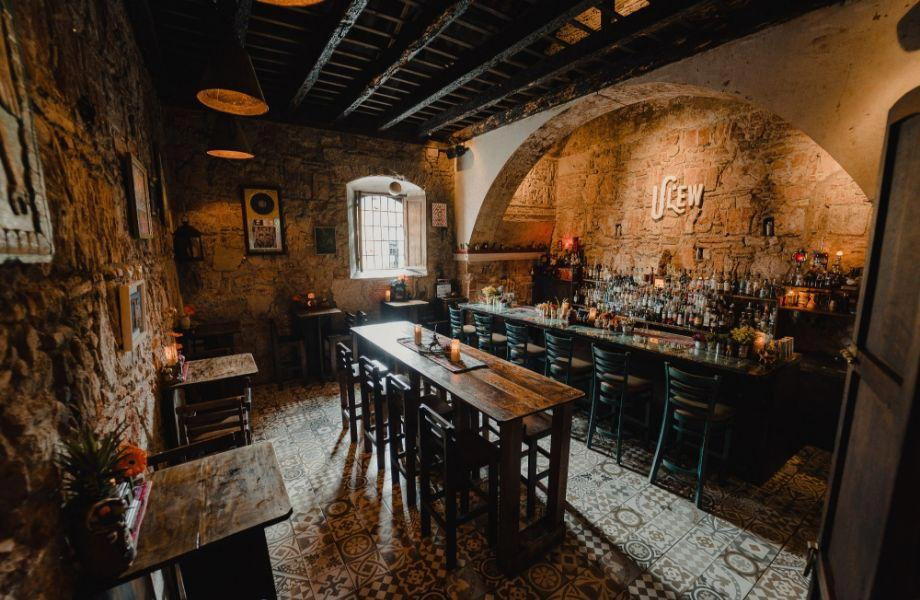
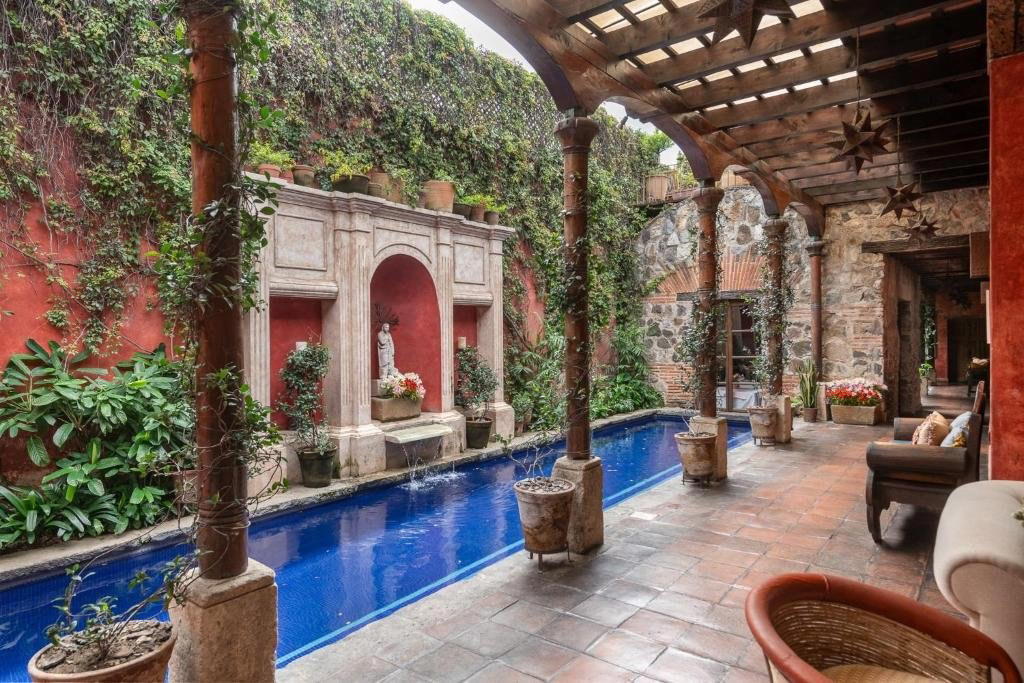
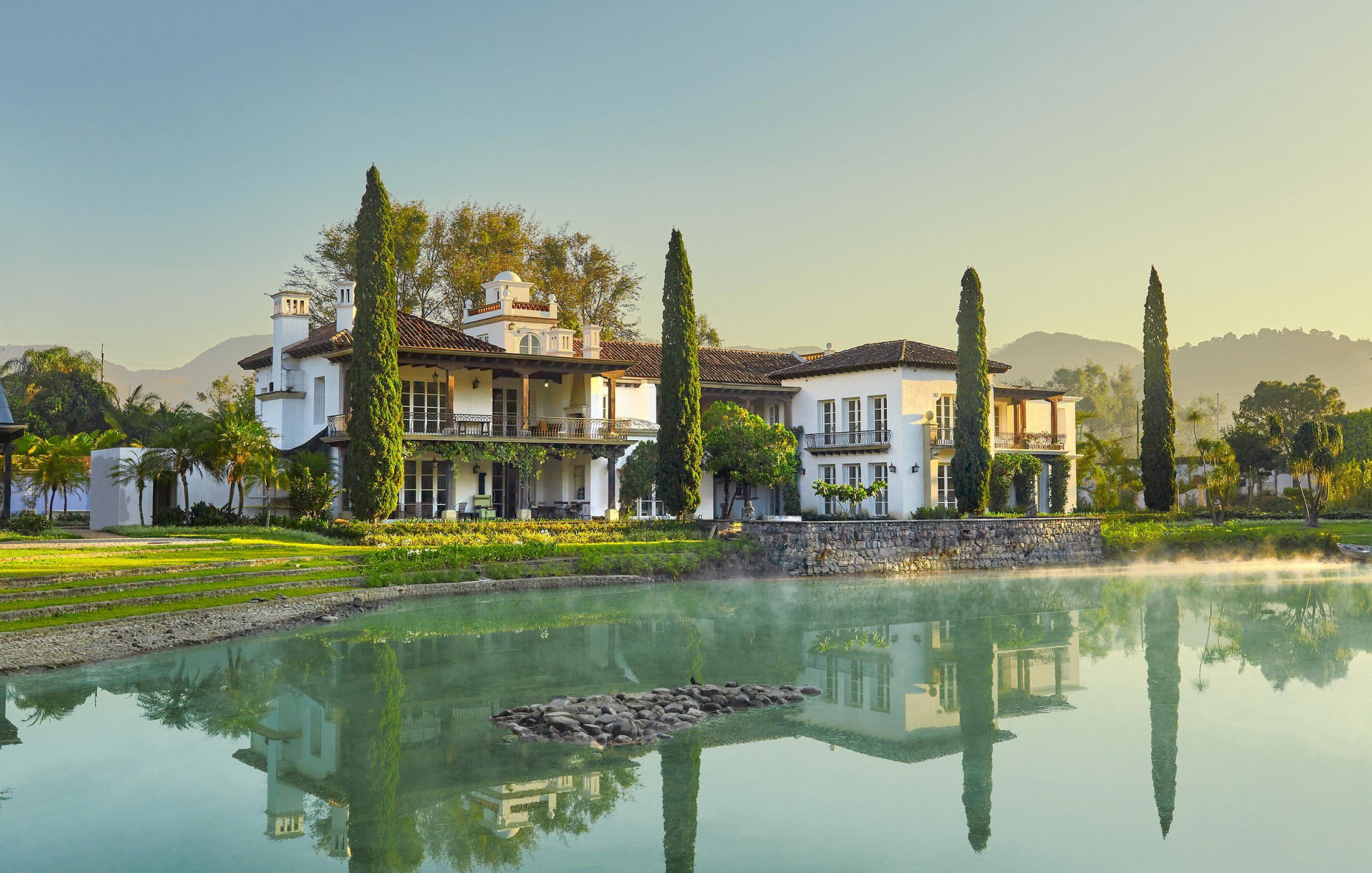
In any colonial city operating as a tourist destination, atmosphere functions as a primary product. Antigua understands this better than most. The physical fabric of the city, its yellow and ochre facades, its ruined churches, the constant presence of Volcán de Agua to the south, creates a context that restaurants either engage with or ignore. The ones that engage with it, that open onto courtyards, use local textiles, maintain the low-lit warmth of thick colonial walls, tend to deliver a coherence between setting and menu that makes the meal feel intentional rather than arbitrary.
Fridas reads as a venue that has absorbed this lesson. The bohemian reference point in its name suggests a deliberate visual and cultural positioning: colour, warmth, and a certain looseness in the formality that matches how Antigua actually functions as a dining city. Travelers who have spent time at places like Luka in Ciudad de Guatemala will recognize the distinction between restaurants that treat their setting as decoration and those that treat it as context.
Planning Your Visit
Antigua's restaurant addresses cluster tightly within the colonial grid, and Fridas is accessible on foot from the central park and the main pedestrian corridors. The city rewards walking rather than navigation by vehicle, particularly in the evenings when the streets are lit and the foot traffic is at its most active. For visitors building a broader Guatemala itinerary that takes in Restaurant Don Carlos in Mazatenango or the country's Pacific slope, Antigua typically functions as the natural base. The city's compact geography means that booking logistics are less fraught than in larger Latin American cities, though the most-discussed restaurants do fill during peak season, which runs roughly from November through March when the dry season brings the highest visitor numbers. A walk-in approach works for many of Antigua's casual-to-mid venues; for anything with a specific dining room format, arriving early in the evening is the more reliable approach than leaving it to chance on a Saturday night. See our full Antigua restaurants guide for the broader picture of how the city's dining options map onto different interests and budgets.
A Quick Peer Check
| Venue | Cuisine | Price |
|---|---|---|
| FridasThis venue — the venue you are viewing | This venue | Not listed |
| Villa Bokéh | Caribbean Fusion | Caribbean Fusion |
| Sublime Restaurant | Latin | Latin |
| Casa Palopó | Guatemalan Fusion | Guatemalan Fusion |
| 6.8 Palopó | Latin American | Latin American |
At a Glance
- Lively
- Well Known
- Energetic
- Bohemian
- Casual Hangout
- Group Dining
- After Work
- Brunch
- Late Night
- Standalone
- Historic Building
- Craft Cocktails
Lively and colorful setting with a fun, busy atmosphere that celebrates Mexican culture and art; warm and welcoming environment.