
Sapporo’s soup-curry culture rewards places that treat broth, spice, vegetables, and service rhythm as one system rather than a bowl-plus-toppings formula. SAKURA BROWN sits in Kotoni with Tabelog Curry EAST 100 selections in 2020, 2023, and 2024, putting it in a serious local conversation while staying in the everyday curry price band.
Pearl is the En Primeur Club membership app — saves, bookings, and concierge access live there. Same editors, same standards.
- Address
- 北海道札幌市西区琴似1条5-4-10 シティラディファンス 2F
- Phone
- +81116886570
- Website
- sakurabrown.com
 Saves & bookings on Pearl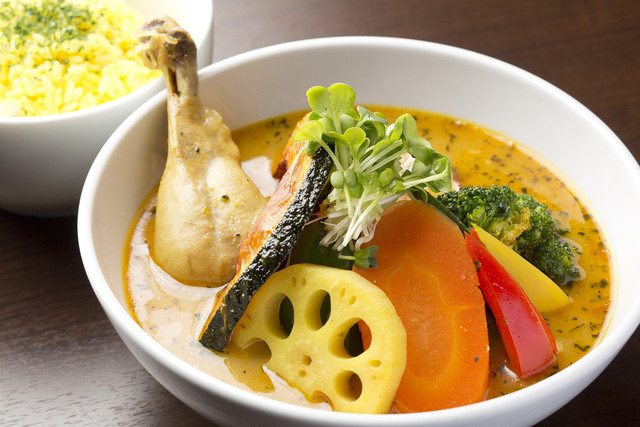
Kotoni has a different pulse from central Sapporo: less parade, more daily utility, with side streets that make a small dining room feel more deliberate than anonymous. In that setting, soup curry reads as a civic language rather than a novelty. The format asks a kitchen to control broth depth, spice progression, rice, vegetables, protein, and pacing without the theatrical sequencing of kaiseki or the chef-facing ceremony of sushi. SAKURA BROWN belongs to that Sapporo category where the bowl is only the visible endpoint; the work is in calibration.
Soup curry is often misunderstood outside Hokkaido as simply a thinner curry. In Sapporo, the form has its own grammar. Broth matters as much as spice, vegetables are not garnish, and the dining room has to move with the tempo of a casual lunch counter while keeping enough control for repeat diners to recognize consistency. That is why recognition in Tabelog’s Curry EAST 100 in 2020, 2023, and 2024 carries weight: the list is not judging luxury, it is identifying curry houses that hold attention inside a crowded, highly opinionated field.
Soup curry in Kotoni, judged by balance rather than spectacle
The useful comparison in Sapporo is not between curry and fine dining, but between curry houses that chase heat and those that build structure. SAKURA BROWN sits in the latter conversation. Its public category spans soup curry, bar, and curry, which tells readers something about the room before any dish is named: this is not a single-purpose stand built only for turnover, but neither is it a tasting-menu restaurant pretending curry needs ceremony. It occupies a middle space where the kitchen has to be quick, the room has to be relaxed, and the bowl has to carry enough detail to justify a detour from central Sapporo.
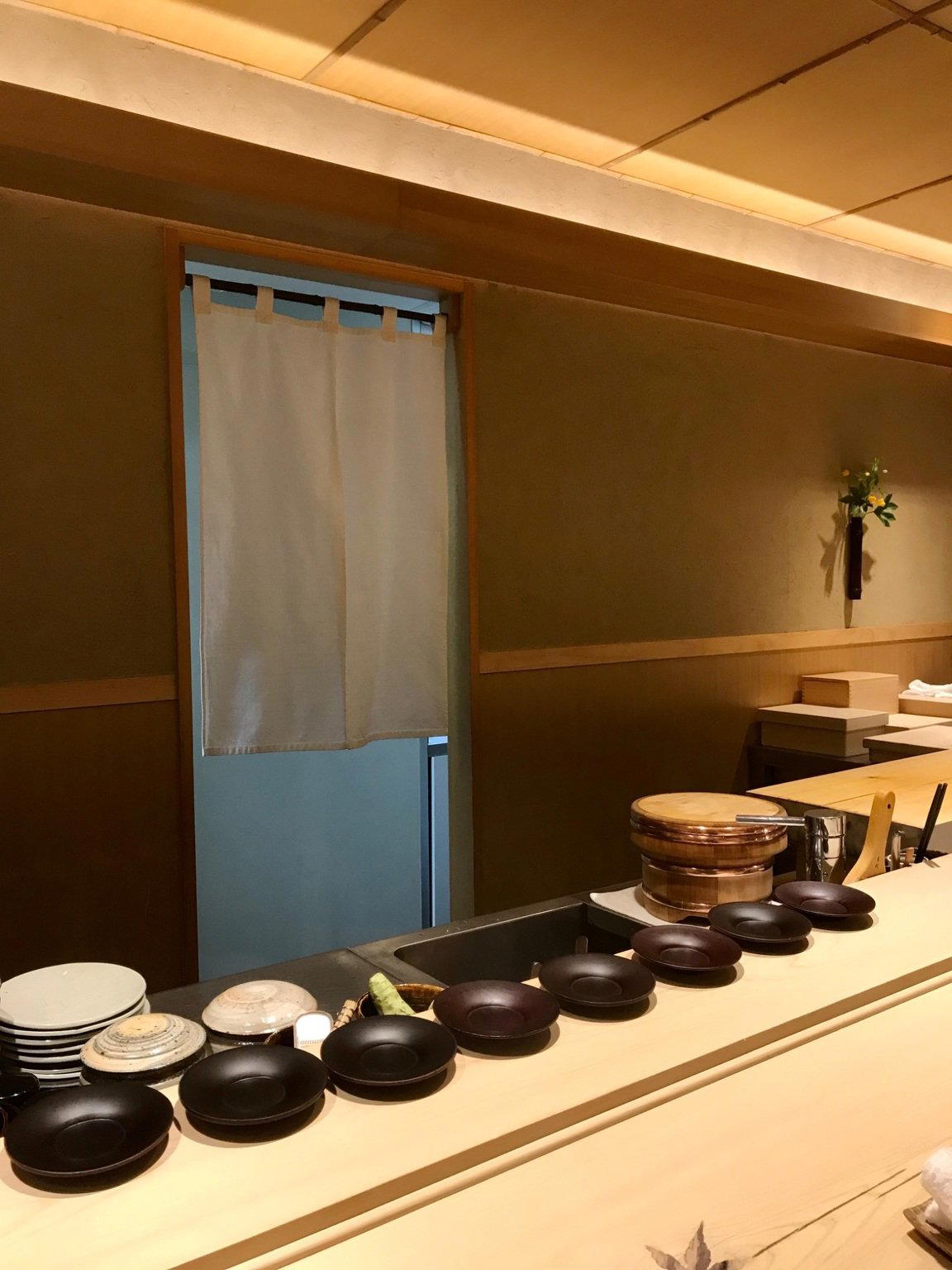
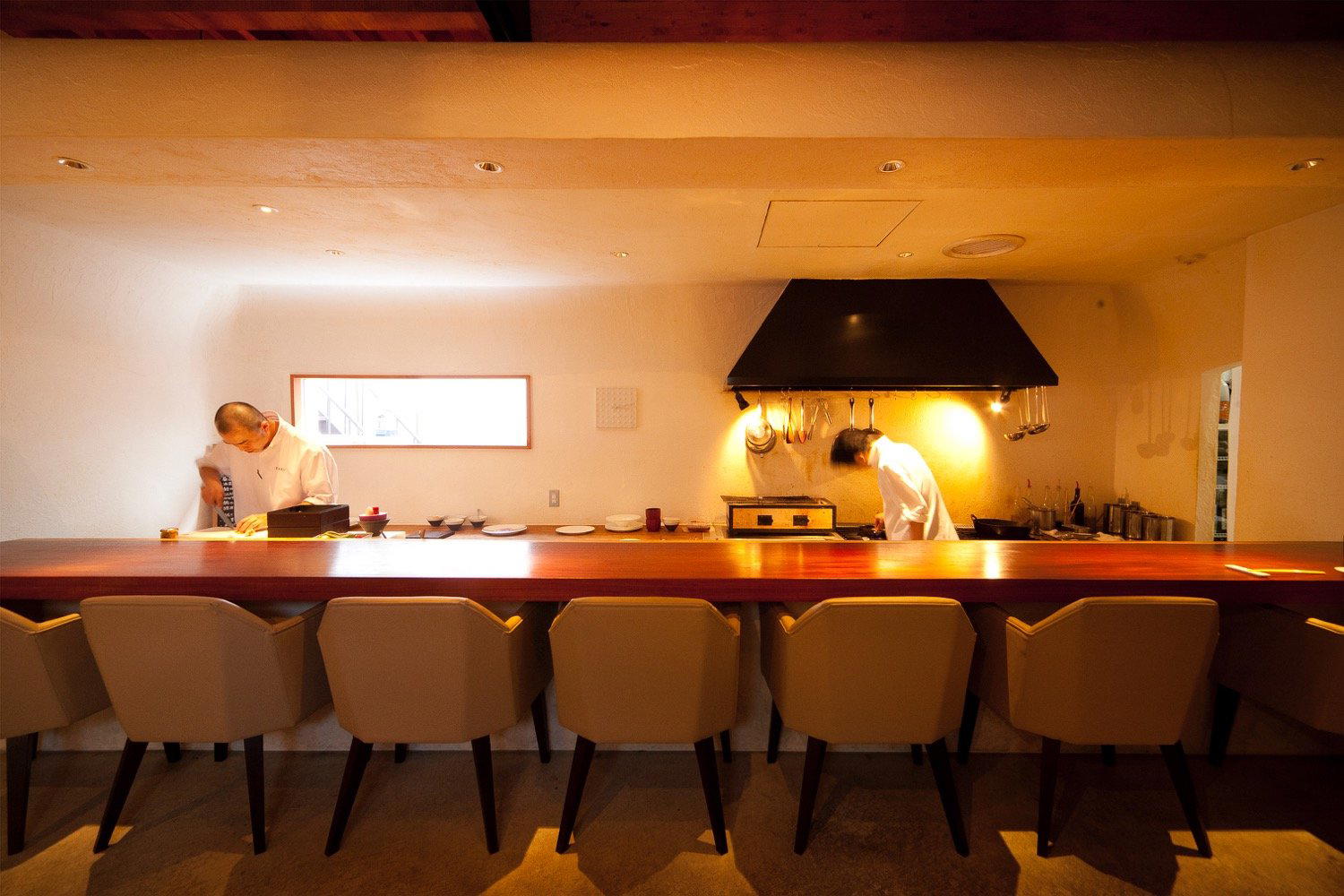
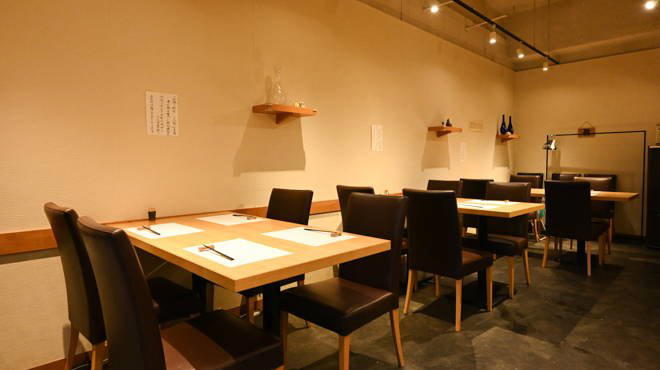
That middle space is harder than it looks. A 24-seat room changes the pressure on service. Front-of-house timing, counter seating, and kitchen output have to work as a single circuit, especially in a dish style that arrives complete rather than course by course. The dining room cannot hide behind a long menu narrative; the bowl must read immediately, and the staff has to keep the meal moving without making it feel like a queue. In Sapporo’s curry culture, that team dynamic matters as much as a named chef.
The local field gives the venue its scale. IN CURRY and Rakkyo operate in a similar everyday price tier, while Univers S. moves at a higher spend and a different dining expectation. That spread is useful for travelers: soup curry can be a casual meal, a neighborhood ritual, or a more composed night out, depending on the address. SAKURA BROWN’s repeated Curry EAST 100 selections place it on the serious end of the casual spectrum, where the argument is not luxury but repeatable craft.
A small room where service rhythm is part of the cooking
Sapporo’s better curry rooms tend to reveal themselves through systems. The kitchen controls volume, the floor controls the wait, and the guest controls customization within limits. The restaurant’s public details point to a place built for mixed use: counter seating, non-smoking operation, children welcome, solo dining, friends, take-out, and private use available. None of those facts are decorative. Together they describe a restaurant that has to work across lunch, dinner, regulars, and destination diners without changing its identity every service.
The drinks signal also matters. Wine and cocktails are listed, which places the room closer to an evening-capable curry bar than a purely utilitarian lunch shop. That does not turn soup curry into a luxury product, and it should not. The better reading is operational: a bowl-driven restaurant with a bar category needs coordination between cooking pace and beverage service. The front-of-house role becomes less about ceremony and more about keeping a compact room coherent.
For travelers mapping Sapporo by appetite, this is where context helps. Ramen shops around the city often reward speed and repetition; curry houses reward comparison. A diner can read the scene by moving between spice formats, from 175°DENO Tantanmen Sapporo kitaguchi ten for sesame-and-chilli intensity to [Curry Senmon Ten] Maruyama Kyoju., Ajanta Indo Curry Ten, and Ajanta Sohonke for other curry idioms. Aigues Vives sits in a separate bread-and-pastry register, but it adds another layer to the city’s food map: Hokkaido dining is often strongest when specialized craft is treated as daily life rather than performance.
How to place it in a Sapporo itinerary
The practical appeal is clear without overselling it. This is a neighborhood curry stop with national-list recognition, not a formal destination built around ceremony. That makes it especially useful for travelers who want one meal that explains Sapporo’s soup-curry vocabulary without committing a whole evening to luxury dining. The better move is to treat it as part of a Kotoni-focused food day or as a counterpoint to central Sapporo’s denser restaurant corridors.
For broader planning, Our full Sapporo restaurants guide is the natural next layer, especially for comparing curry, ramen, sushi, French, and casual specialist rooms in one city view. Travelers building a longer stay can pair that with Our full Sapporo hotels guide, Our full Sapporo bars guide, Our full Sapporo wineries guide, and Our full Sapporo experiences guide. For readers comparing Japan’s wider casual-dining range, useful contrasts include -Grilled beef Sukiyaki- KAMAKURA TANUKIAN 鎌倉 たぬき庵 in Kamakura. 鮪と炭火焼き うお炭 秋葉原店 in Tokyo.cafe in Osaka.know in Kumamoto, (Shoku) Vietnam in Kawasaki, and [ki:] in Kyoto. Outside Japan, Jōdo Saké Bar in Los Angeles and Onigiri Time in Pasadena show how Japanese formats change when translated abroad.
The verdict is restrained: the restaurant is not valuable because it turns soup curry into fine dining. It is valuable because it shows how Sapporo’s casual specialist restaurants earn loyalty through coordination: kitchen discipline, compact-room timing, flexible service, and a bowl style that has to satisfy regulars before it impresses visitors. In a city with a deep curry habit, that is the more durable achievement.
The Minimal Set
Comparable venues by cuisine and price in the same metro.
| Venue | Cuisine | Price |
|---|---|---|
| SAKURA BROWNThis venue — the venue you are viewing | Nishi, Sapporo-style soup curry shop | $ |
| 鮨処 有馬 | Chūō, Japanese Sweet Shop - Imo Youkan | $ |
| Mendokoro Kyu | Toyohira, Sapporo miso ramen shop | $ |
| IN CURRY | Nishi, Sapporo soup curry | $ |
| Hot Spice Shop Hood Dog | Chūō, Soup curry and hot dog diner | $ |
| Ramen Senju | Chūō, Classic Sapporo miso ramen shop | $ |
Recognition history
Dated appearances from independent guides and award organizations, with the underlying list record or original source where available.
Tabelog 100 #19 · No. 19
Tabelog · Tabelog 100 - Curry - EAST - 2024


At a Glance
- Cozy
- Casual
- Casual Hangout
- Solo
- After Work
- Standalone
- Local Sourcing
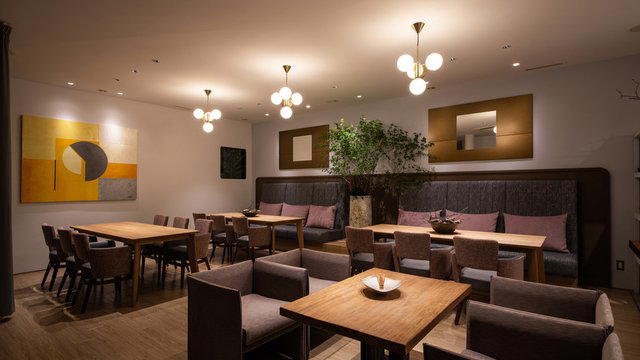
Casual, neighborhood curry shop atmosphere with a cozy, low-key feel; focuses on comforting soup curry rather than design-driven interiors, making it feel like a relaxed local low-profile address.