
Ramen Arata belongs to Sapporo’s compact, late-running ramen culture rather than the reservation-led end of Japanese dining. Its Tabelog Ramen HOKKAIDO “Tabelog 100” selections in 2024 and 2025 place it in a documented Hokkaido ramen tier, with a small counter-led room and a menu orbiting ramen, Korean cold noodles, and Korean dishes.
Pearl is the En Primeur Club membership app — saves, bookings, and concierge access live there. Same editors, same standards.
- Address
- 7 Chome-1-6 Minami 6 Jonishi, Chuo Ward, Sapporo, Hokkaido 064-0806, Japan
- Phone
- +81 11-512-5223
- Website
- raamen-arata.com
 Saves & bookings on Pearl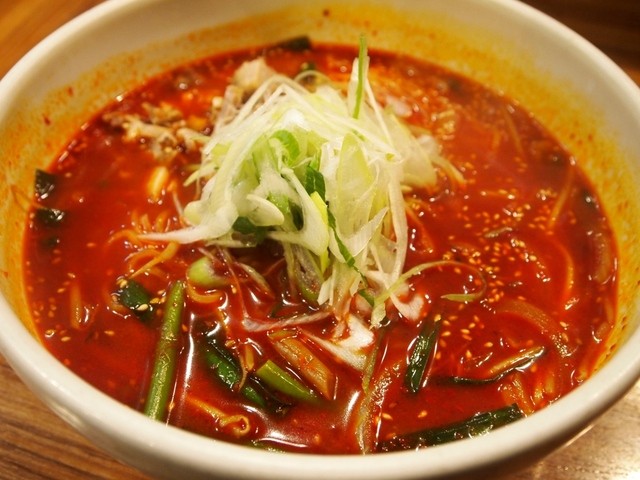
Approaching the ramen shops around Susukino and Minami 6 Jonishi, the city feels built for late bowls: tram stops, narrow storefronts, counter seats, and the steady traffic of solo diners who treat ramen as a complete meal rather than a prelude. Ramen Arata fits that Sapporo rhythm. The point is not ceremony. The point is sequence: choose the bowl, settle into the counter, let the broth-noodle-condiment structure do its work, then leave before the room turns over again.
Sapporo ramen has always had a stronger sense of place than many regional styles in Japan. Hokkaido’s cold seasons made miso ramen a civic shorthand, while Susukino gave the genre its after-dark utility: fast, filling, technically specific, and open to drinkers, workers, families, and travelers moving through the district. In that context, recognition matters because the category is crowded. Selection for Tabelog Ramen HOKKAIDO “Tabelog 100” in 2024 and 2025 places Ramen Arata inside a documented regional ramen conversation, not merely a convenient neighborhood stop.
A counter meal built around progression, not performance
The useful way to read a ramen meal here is as a condensed tasting progression. There may be no long-form dégustation, but the bowl still has an arc: first the broth’s seasoning and fat, then noodle texture, then the supporting elements that change the final third of the meal. That is why ramen criticism in Sapporo often depends less on luxury cues than on balance, pacing, and whether the bowl holds interest after the initial heat fades.
Ramen Arata’s listed categories widen the frame beyond ramen alone, with Korean cold noodles and Korean dishes also part of the house identity. That matters in Sapporo, where ramen shops often compete by sharpening a specific regional grammar, while hybrid menus can pull in diners who want heat, acidity, or chilled noodle relief alongside the standard bowl format. The editorial question is not whether a shop follows a single purist line. It is whether the menu gives the meal enough movement without losing the speed and focus that define the category.
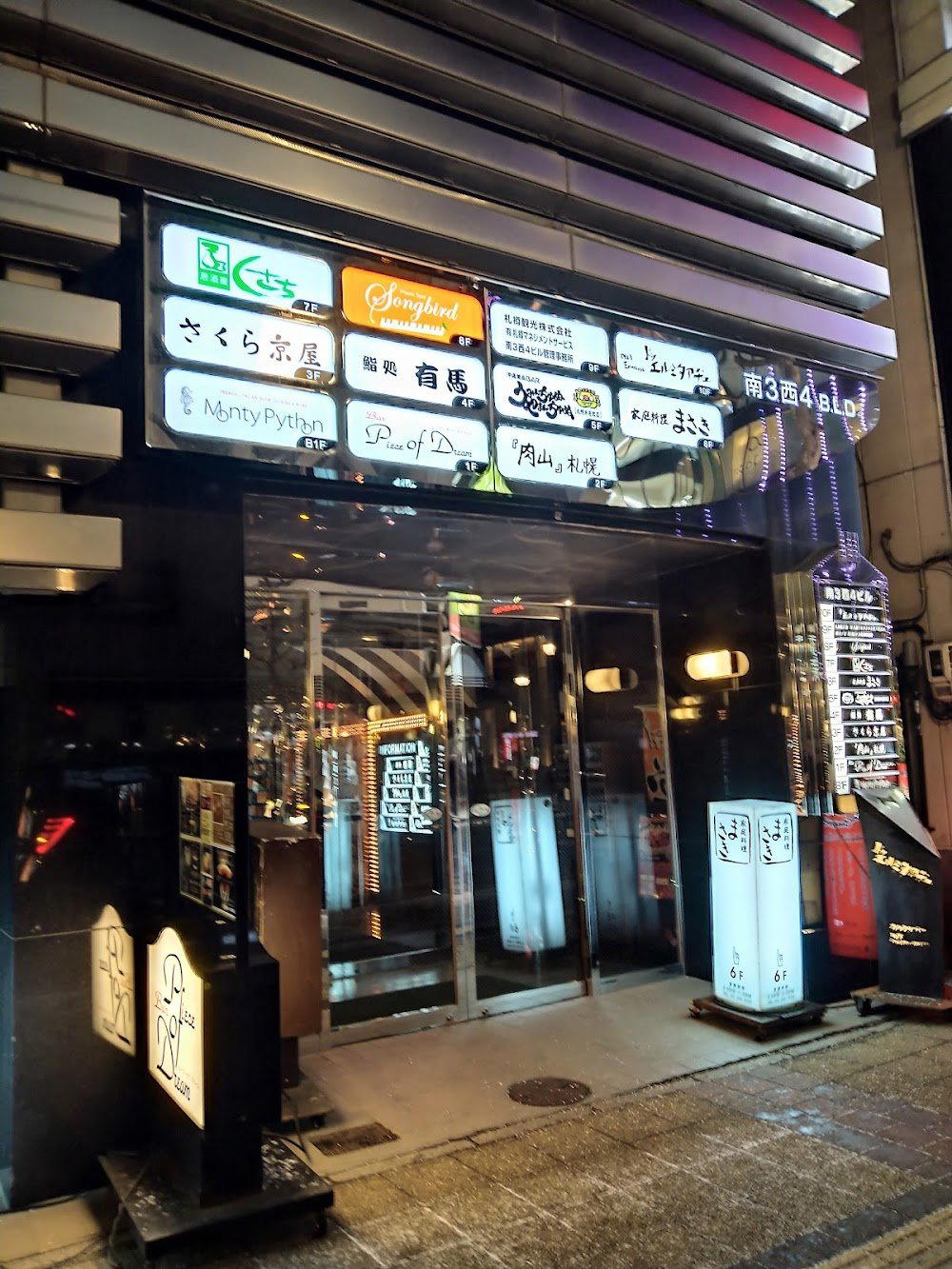
The room’s format reinforces that reading. With 17 seats, including 12 counter seats and one table for five, this is a compact ramen setting rather than a lingering restaurant. Counter seating changes the tempo: orders move quickly, diners eat with little staging, and the meal’s progression happens in the bowl rather than across courses. For travelers used to reservation-heavy Japanese dining, this kind of shop can be more revealing of daily food culture than a formal counter where every gesture is explained.
Where it sits in Sapporo's noodle-and-nightlife circuit
Susukino’s ramen culture is inseparable from the neighborhood’s nightlife economy. Ramen Shingen Minami 6 jou ten operates in the same broad low-price ramen lane, while nearby meat-led rooms such as Yakiniku Restaurant Totori, Susukino Yakiniku Kiraku, and STEAK&HAMBURG HIGE Sapporo minami 5 jou honten answer a different dinner brief: longer meals, heavier spend, and a less single-bowl rhythm. That contrast is useful for planning. Ramen here is not a substitute for a multi-hour dinner; it is a precise answer to hunger when time, appetite, or the weather argue against a larger production.
The Tabelog score of 3.58 is also worth reading in local context. Japanese user-rating platforms tend to compress scores, and ramen shops often sit in fierce competition with high turnover and strong local opinion. A repeat appearance on the Hokkaido ramen list in consecutive years is the stronger signal than a number alone, especially in a city where visitors may know the mythology of Sapporo miso ramen but not the distinctions between neighborhood shops.
For a wider map of the city’s eating patterns, Our full Sapporo restaurants guide is the starting point. Nearby and adjacent Sapporo choices show how broad the casual category becomes: 175°DENO Tantanmen Sapporo kitaguchi ten for tantanmen, [Curry Senmon Ten] Maruyama Kyoju. for curry, Ajanta Indo Curry Ten and Ajanta Sohonke for Indo-curry traditions, and Aigues Vives for a different bakery-led register. For trip structure around meals, use Our full Sapporo hotels guide, Our full Sapporo bars guide, Our full Sapporo wineries guide, and Our full Sapporo experiences guide.
How to think about value and fit
The case for the restaurant is strongest for diners who want a recognized Hokkaido ramen shop without turning the meal into a project. Its appeal sits in a practical middle: small-room immediacy, documented local recognition, and enough menu breadth to move beyond a single ramen lane. It is less suited to travelers seeking chef biography, wine service, or a long tasting menu. The better comparison is a tightly run counter where the meal’s success depends on heat, texture, and pace.
That distinction matters across Japan. A meal at -Grilled beef Sukiyaki- KAMAKURA TANUKIAN 鎌倉 たぬき庵 in Kamakura or. 鮪と炭火焼き うお炭 秋葉原店 in Tokyo answers a different dining need than a Sapporo ramen counter. So do.cafe in Osaka.know in Kumamoto, (Shoku) Vietnam in Kawasaki, and [ki:] in Kyoto. Even outside Japan, casual specialists such as Jōdo Saké Bar in Los Angeles and Onigiri Time in Pasadena show the same broader point: compact formats can carry serious culinary intent when the category is narrow and execution is disciplined.
At-a-Glance Comparison
Comparable venues by category and price.
| Venue | Cuisine | Price | Notes |
|---|---|---|---|
| Ramen ArataThis venue — the venue you are viewing | Sapporo ramen with Korean-inspired options | $ | Not listed |
| Sapporo Rou Curry NAGAMIYA | Additive-free Japanese roux curry & biryani | $ | Chūō |
| China Soba Chiu | Traditional Sapporo ramen counter | $ | Chūō |
| Kokumin Shokudo | Japanese Ramen | $ | Kita |
| Menya Keserasera | Japanese Ramen | $ | Kita |
| Menya Takahashi | Tsukemen & ramen shop | $ | Toyohira |
Recognition history
Dated appearances from independent guides and award organizations, with the underlying list record or original source where available.
Tabelog 100 #59 · No. 59
Tabelog · Tabelog 100 - Ramen - HOKKAIDO - 2025

At a Glance
- Cozy
- Lively
- Solo
- Casual Hangout
- Late Night
- Family
- Standalone
Current opening hours
- Monday
- 11 AM–2:30 AM
- Tuesday
- 11 AM–2:30 AM
- Wednesday
- 11 AM–2:30 AM
- Thursday
- 11 AM–2:30 AM
- Friday
- 11 AM–2:30 AM
- Saturday
- 11 AM–2:30 AM
- Sunday
- 11 AM–2:30 AM
Hours can change for holidays and private events. Last verified .
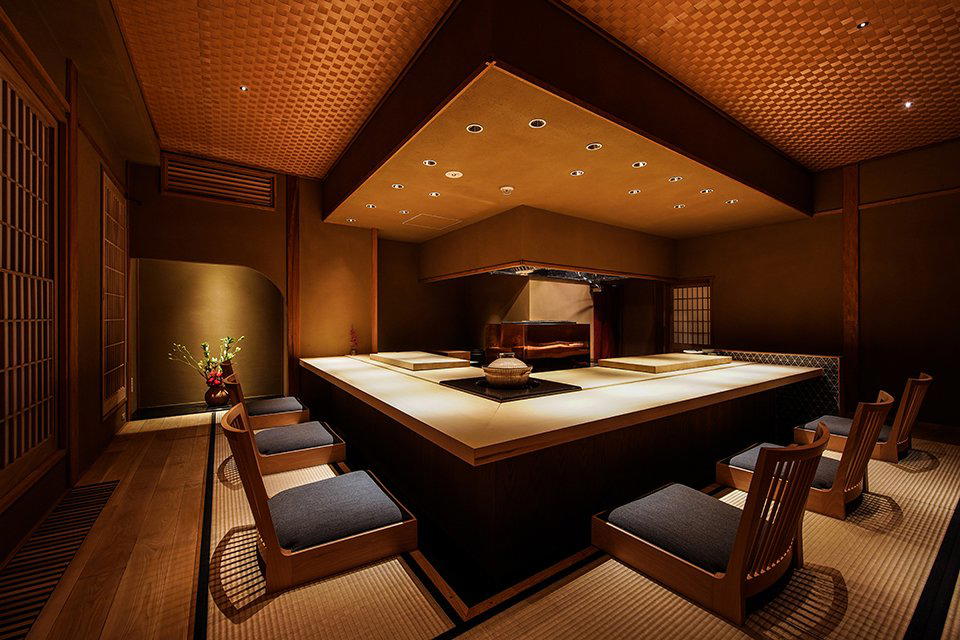
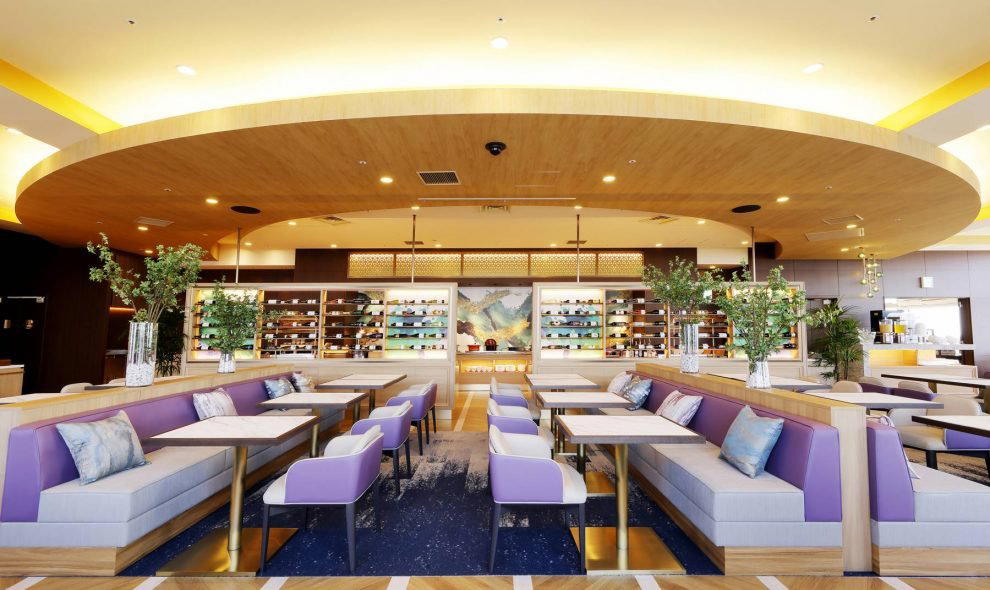
A compact, counter-focused ramen shop with simple, no-frills decor; the atmosphere is warm, casual, and typically busy, with friendly staff and the lively sounds and aromas of the open kitchen.