
Menya Kamejin sits in Sapporo’s lighter ramen lane, where dashi-led chicken broth and tsukemen sit apart from the city’s heavier miso associations. Its Tabelog Ramen HOKKAIDO “Tabelog 100” selections in 2024 and 2025, 15-seat format, and sub-¥1,000 price band make it a serious small-shop stop rather than a casual add-on.
Pearl is the En Primeur Club membership app — saves, bookings, and concierge access live there. Same editors, same standards.
- Address
- Japan, 〒007-0847 Hokkaido, Sapporo, Higashi Ward, Kita 47 Johigashi, 8 Chome−1−1 47ビル
- Phone
- +81 11-753-1305
- Website
- facebook.com
 Saves & bookings on Pearl
Approaching the northern side of Sapporo’s ramen map changes the rhythm. The city’s central ramen alleys and station-adjacent counters sell speed, density, and late-night convenience; out near Taihei, the appeal is quieter and more local. Menya Kamejin belongs to that suburban Sapporo category where a small room, counter seats, and a focused noodle menu carry more weight than theatrical presentation.
Sapporo is often reduced to miso ramen, a useful shorthand for visitors and an incomplete one for anyone eating seriously across Hokkaido. The stronger reading of the city is plural: miso remains the calling card, but chicken, seafood dashi, tsukemen, and spice-driven bowls now define a broader field. Menya Kamejin’s recognition on the Tabelog Ramen HOKKAIDO “Tabelog 100” list in both 2024 and 2025 places it inside that wider Hokkaido ramen conversation, not merely inside a neighbourhood lunch circuit.
A lighter Sapporo ramen grammar built around chicken dashi and tsukemen
The menu architecture matters here because it signals a different Sapporo instinct. Rather than treating richness as the default measure of seriousness, the shop’s public menu language points toward light dashi chicken broth, Kochin chicken soba, ramen, and tsukemen. That matters in a city where visitors often arrive expecting butter, corn, miso depth, and winter-weight bowls. The counterargument is not austerity; it is clarity. A dashi-led bowl asks the kitchen to make broth structure, noodle texture, and seasoning balance visible without hiding behind fat or volume.
Tsukemen adds another layer to that architecture. Dipping noodles change the pacing of a ramen meal: the diner controls contact between noodle and broth, and the kitchen has to build concentration without turning the bowl into blunt salinity. In Hokkaido, where cold weather can make soup ramen feel like the default emotional answer, tsukemen is a useful marker of a shop thinking beyond comfort alone. Menya Kamejin’s pairing of ramen and tsukemen places it with Sapporo shops that treat noodles as a format question, not just a soup delivery system.
The price band sharpens the point. A serious bowl under JPY 999 sits in the same everyday bracket as nearby ramen peers such as Kokumin Shokudo, Menya Keserasera, and Hokuzan Ryu, rather than the higher-spend dinner category represented by places like Sumibi Yakiniku Horumon Nikushiki. That is part of ramen’s democratic tension in Japan: shops can attract list recognition and obsessive repeat custom while remaining priced for routine eating. For a traveller, that makes the decision less about splurge logic and more about route discipline.
Why the small-room format still defines serious ramen in Sapporo
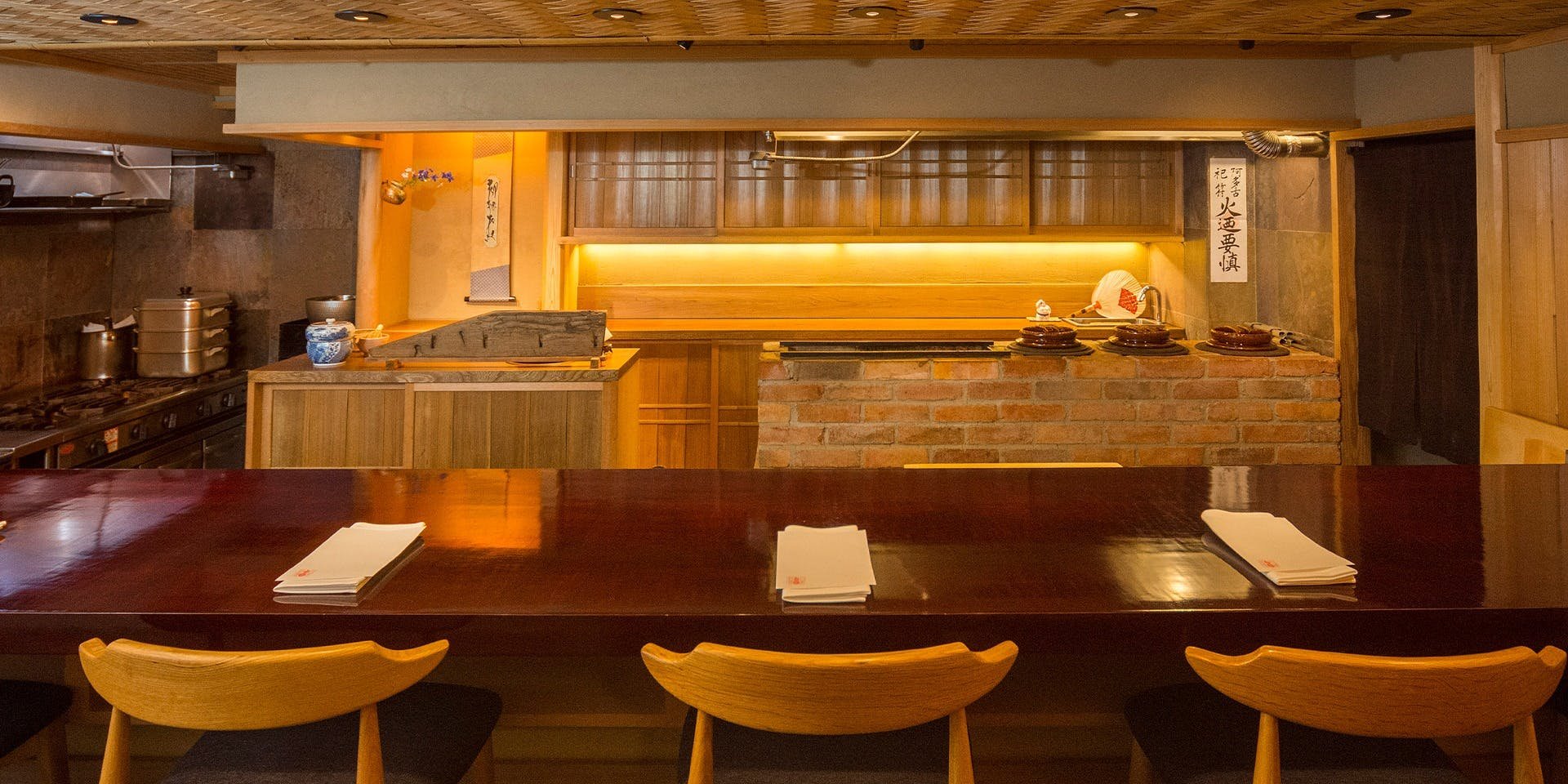
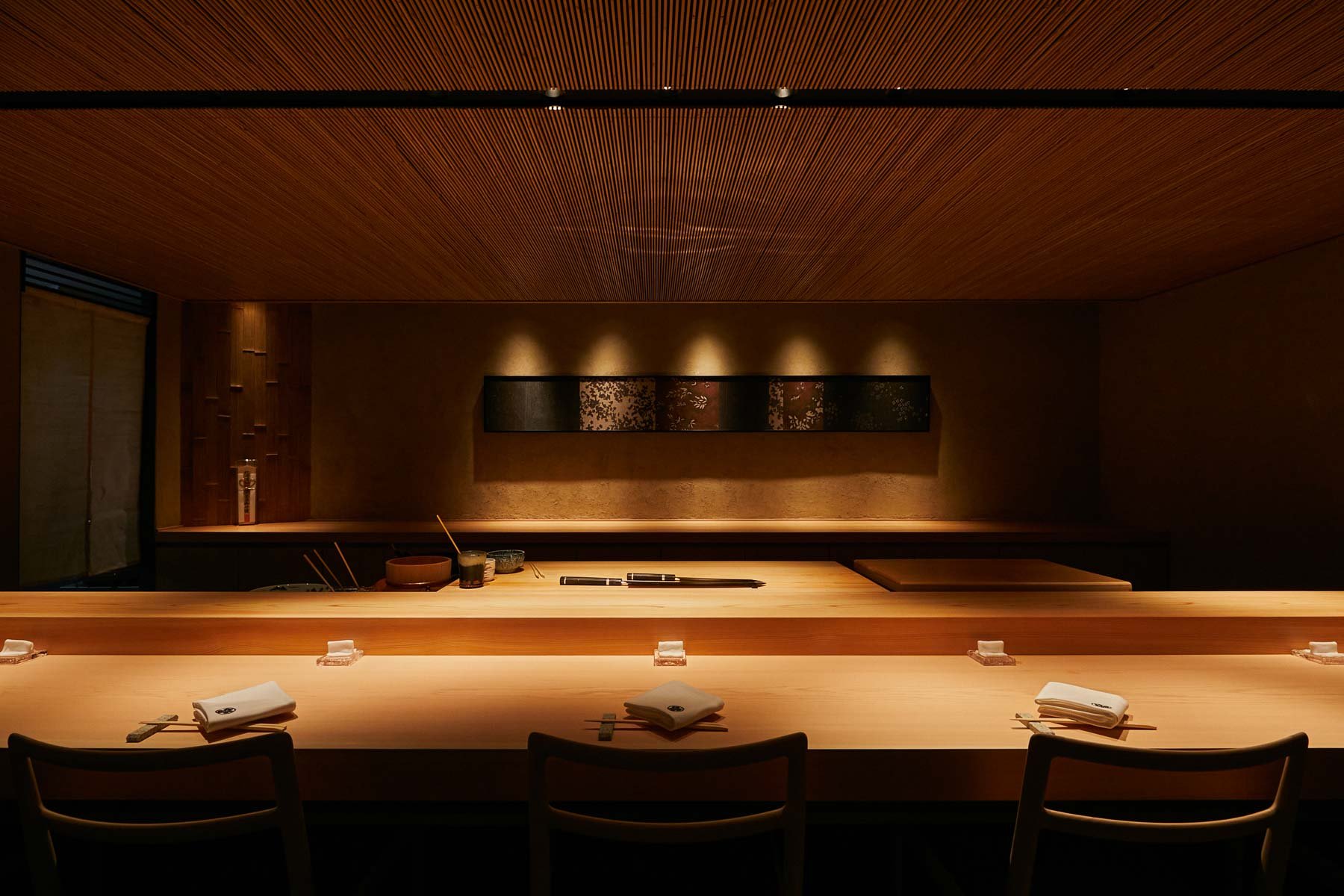
The room is compact: 15 seats, split between counter and box seating. That ratio says plenty about the experience. Counter seats keep ramen close to its working tradition, with short ordering cycles and limited linger time; box seating makes the shop more usable for families and friends without turning it into a full-service restaurant. This is the middle ground many Sapporo ramen shops occupy: casual enough for solo dining, disciplined enough that the bowl remains the reason to come.
House-restaurant setting also changes expectation. In central Sapporo, ramen can feel like part of a night-out itinerary, folded between bars, transit, and hotel lobbies. In Higashi Ward, the meal reads more like a targeted detour. That distinction is useful. A visitor building a Sapporo food itinerary should not treat every ramen stop as interchangeable, because geography affects the occasion. Station-area shops serve convenience; suburban shops need a clearer reason. Here, the reason is a lighter broth profile, tsukemen availability, and recognition from a Hokkaido-focused ramen list.
There is also a practical cultural point beneath the small format. Ramen shops in Japan often express ambition through repetition rather than expansion: a narrow menu, tight seating, and daily service rhythms. Awards such as Tabelog’s Hyakumeiten lists reward that kind of consistency across categories and regions. The restaurant’s 2025 Hokkaido ramen selection is not a claim of luxury; it is a signal that the shop operates within a competitive regional noodle field where small differences in broth, noodle handling, and format earn attention.
How to place it inside a Sapporo food itinerary
For visitors, the smarter comparison is not only ramen against ramen. Sapporo’s casual dining strength also includes spice and curry, from 175°DENO Tantanmen Sapporo kitaguchi ten to [Curry Senmon Ten] Maruyama Kyoju., Ajanta Indo Curry Ten, and Ajanta Sohonke. That spread matters because the city rewards diners who move between broth, spice, grill, and bakery culture rather than repeating the same miso ramen template across several meals. Aigues Vives, for instance, pulls the itinerary toward bread and coastal Hokkaido produce logic rather than noodles.
The restaurant is strongest as a deliberate ramen stop for travellers who have already covered central Sapporo or want a cleaner counterpoint to heavier bowls. The Tabelog score of 3.62 and repeat “Tabelog 100” recognition give it enough external validation to justify the detour, while the price band keeps the risk low. The editorial read is simple: this is not where to chase spectacle. It is where to read Sapporo ramen through restraint, chicken dashi, and a shop format built for regulars as much as visitors.
Use the wider city guides to keep the day balanced: Our full Sapporo restaurants guide for dining, Our full Sapporo hotels guide for where to stay, Our full Sapporo bars guide for drinking, Our full Sapporo wineries guide for wine context, and Our full Sapporo experiences guide for the rest of the itinerary. For broader Japan and diaspora dining references, compare how format drives expectation at -Grilled beef Sukiyaki- KAMAKURA TANUKIAN 鎌倉 たぬき庵 in Kamakura. 鮪と炭火焼き うお炭 秋葉原店 in Tokyo.cafe in Osaka.know in Kumamoto, (Shoku) Vietnam in Kawasaki, [ki:] in Kyoto, Jōdo Saké Bar in Los Angeles, and Onigiri Time in Pasadena.
Same-City Peers
Comparable venues for orientation by cuisine and category.
| Venue | Cuisine | Price | Notes |
|---|---|---|---|
| Menya Kamejin | Sapporo ramen shop | $ | Higashi |
| Menya hide | Sapporo ramen shop | $ | Kita |
| Menya Ozawa | Hokkaido Ramen | $ | Shiroishi |
| Garyu Menbu Hien | Sapporo chicken & seafood ramen | $ | Toyohira |
| Ramen Shinwa | Japanese Ramen | $ | Toyohira |
| curry leaves | Sapporo-style soup curry | $ | Toyohira |
Recognition history
Dated appearances from independent guides and award organizations, with the underlying list record or original source where available.
Tabelog 100 #24 · No. 24
Tabelog · Tabelog 100 - Ramen - HOKKAIDO - 2025
At a Glance
- Solo
- Casual Hangout
- Family
- Late Night
- Standalone
Current opening hours
- Monday
- 11 AM–3 PM, 5–8 PM
- Tuesday
- 11 AM–3 PM, 5–8 PM
- Wednesday
- Closed
- Thursday
- 11 AM–3 PM, 5–8 PM
- Friday
- 11 AM–3 PM, 5–8 PM
- Saturday
- 11 AM–3 PM, 5–8 PM
- Sunday
- 11 AM–3 PM, 5–8 PM
Hours can change for holidays and private events. Last verified .