
A 14-seat counter in Higashi Ward, Sapporo Fujiya belongs to Hokkaido’s serious ramen-and-tsukemen circuit rather than the tourist ramen-alley script. Selection for Tabelog Ramen HOKKAIDO 100 in 2024 and 2025 gives it a clear credential, while the modest price band keeps the decision refreshingly local: queue, sit, eat, move on.
Pearl is the En Primeur Club membership app — saves, bookings, and concierge access live there. Same editors, same standards.
- Address
- 7 Chome-1-22 Kita 14 Johigashi, Higashi Ward, Sapporo, Hokkaido 065-0014, Japan
- Phone
- +81 11-702-0248
- Website
- fujiya-sapporo.com
 Saves & bookings on Pearl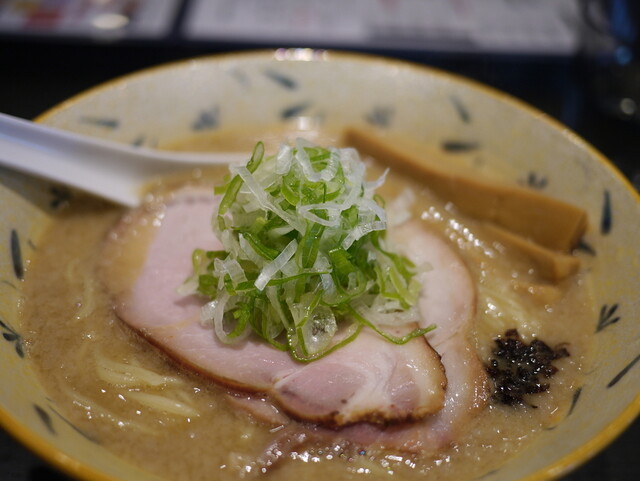
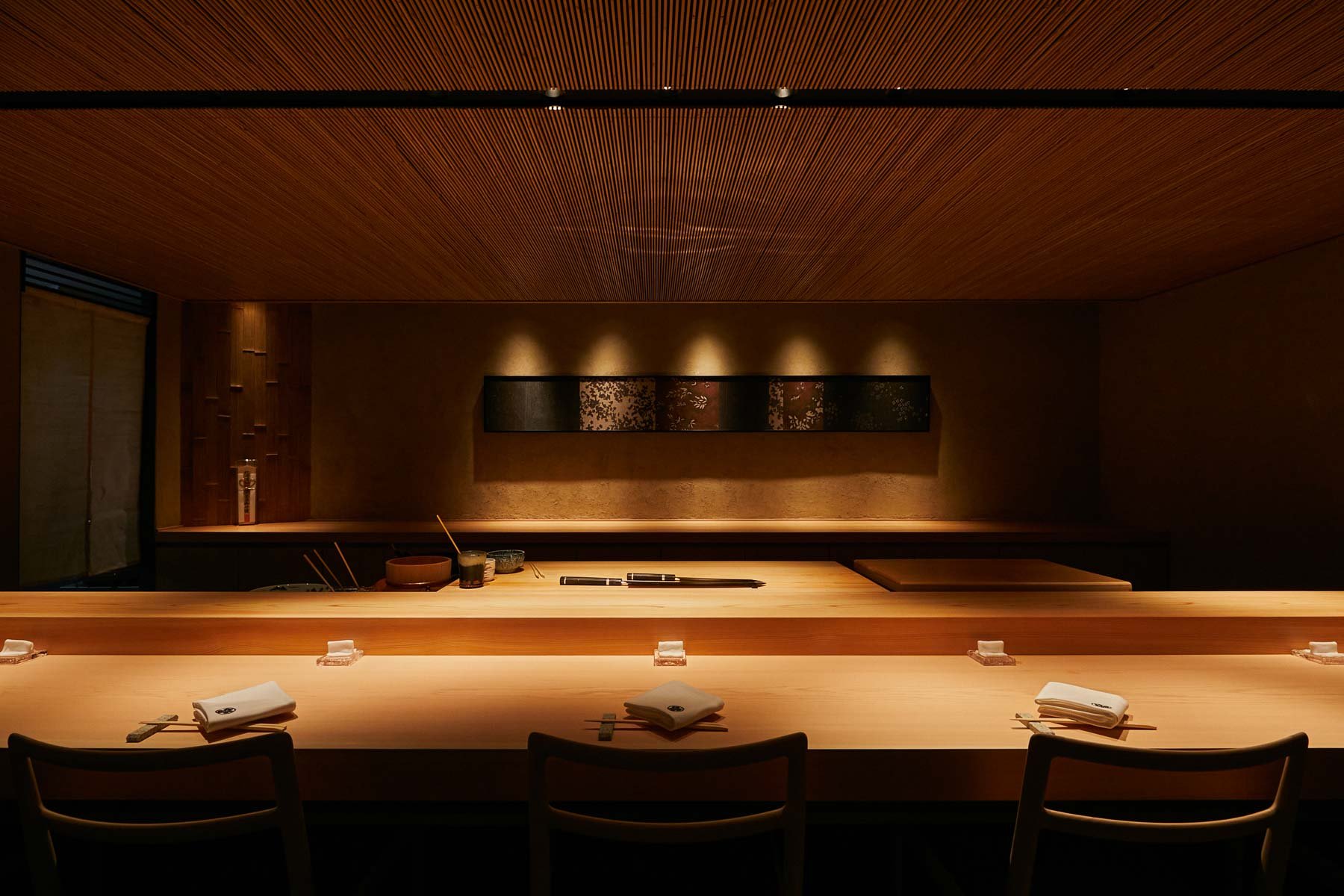
The room is built for concentration: counter seats, quick turnover, and the close-range choreography that defines serious ramen in Sapporo. This is not the city’s neon ramen-alley version of Hokkaido noodle culture, where the setting often does half the work. The appeal here is narrower and more local. A 14-seat counter reduces the meal to timing, bowl, and repeat custom, the format that rewards regulars who already know how they like their noodles and whether the day calls for ramen or tsukemen.
Sapporo’s ramen reputation is often flattened into miso shorthand, but the city’s stronger noodle shops operate across a broader grammar: soup concentration, noodle texture, dipping formats, and the friction between commuter lunch and destination eating. Sapporo Fujiya sits in that serious middle tier, priced in the JPY 1,000 to JPY 1,999 band and selected for Tabelog Ramen HOKKAIDO 100 in both 2024 and 2025. That combination matters. It puts the shop in a recognized Hokkaido field without turning the meal into a special-occasion performance.
A counter built for regulars, not ceremony
The regulars’ perspective is the useful one here. Counter-only ramen shops depend less on spectacle than on repetition: the customer who returns because the bowl fits into an ordinary week, not because the room photographs well. Reservations are unavailable, private rooms are not part of the format, and the experience is aligned with solo dining as much as small-group eating. In a city where winter appetites and workday schedules shape dining habits, that practicality is not a lesser virtue. It is the point.
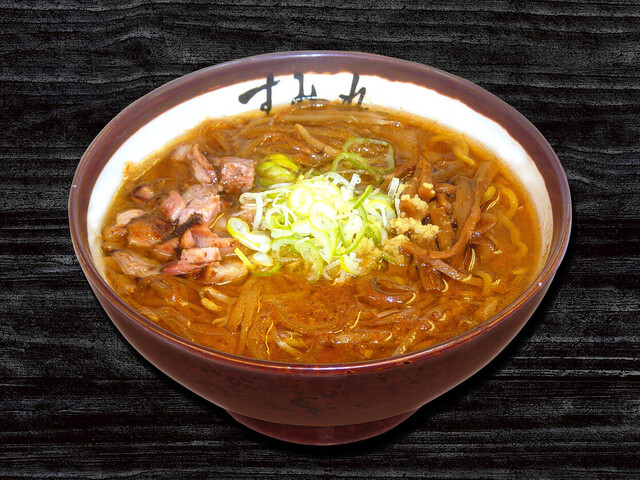
The category listing is ramen and tsukemen, which places the shop inside one of Japan’s more demanding casual formats. Tsukemen changes the rhythm of a meal: dipping noodles ask for a different relationship between broth intensity and noodle chew than a standard soup ramen. Without leaning on named signatures, the useful reading is that the menu gives returning customers a choice between immediate warmth and a more deliberate dipping-noodle structure. That distinction is part of why regulars can return without repeating the same meal.
Compared with nearby Sapporo noodle addresses in the same broad casual tier, the pricing is not aggressive. Ramen Hoppeya and Ramen Yuzuki sit below JPY 1,000, while Ame wa, Yasashiku NO,2 occupies the same JPY 1,000 to JPY 1,999 range. Sapporo Fujiya therefore competes on consistency and recognition rather than bargain positioning. The Tabelog 100 selection is the useful trust signal: not a global award, not a luxury badge, but a local-platform marker that serious ramen followers in Hokkaido understand.
Where Sapporo's casual dining strength shows up
Hokkaido’s capital is often sold through seafood, dairy, beer, and snow-season comfort food, but its everyday dining depth is easier to read through small specialist rooms. Ramen counters, curry shops, bakeries, and izakaya-adjacent formats form a citywide map of repeatable meals. For that wider context, Our full Sapporo restaurants guide is a better starting point than a single-dish checklist; it places noodle shops beside curry specialists such as [Curry Senmon Ten] Maruyama Kyoju., Ajanta Indo Curry Ten, and Ajanta Sohonke.
That broader Sapporo appetite also includes heat-led noodle formats, which is why 175°DENO Tantanmen Sapporo kitaguchi ten belongs in the same mental itinerary even though tantanmen follows a different seasoning logic. The city’s casual excellence is not confined to soup noodles either. A bakery such as Aigues Vives shows how far Sapporo-area dining can move from the ramen counter while retaining the same serious, specialist energy.
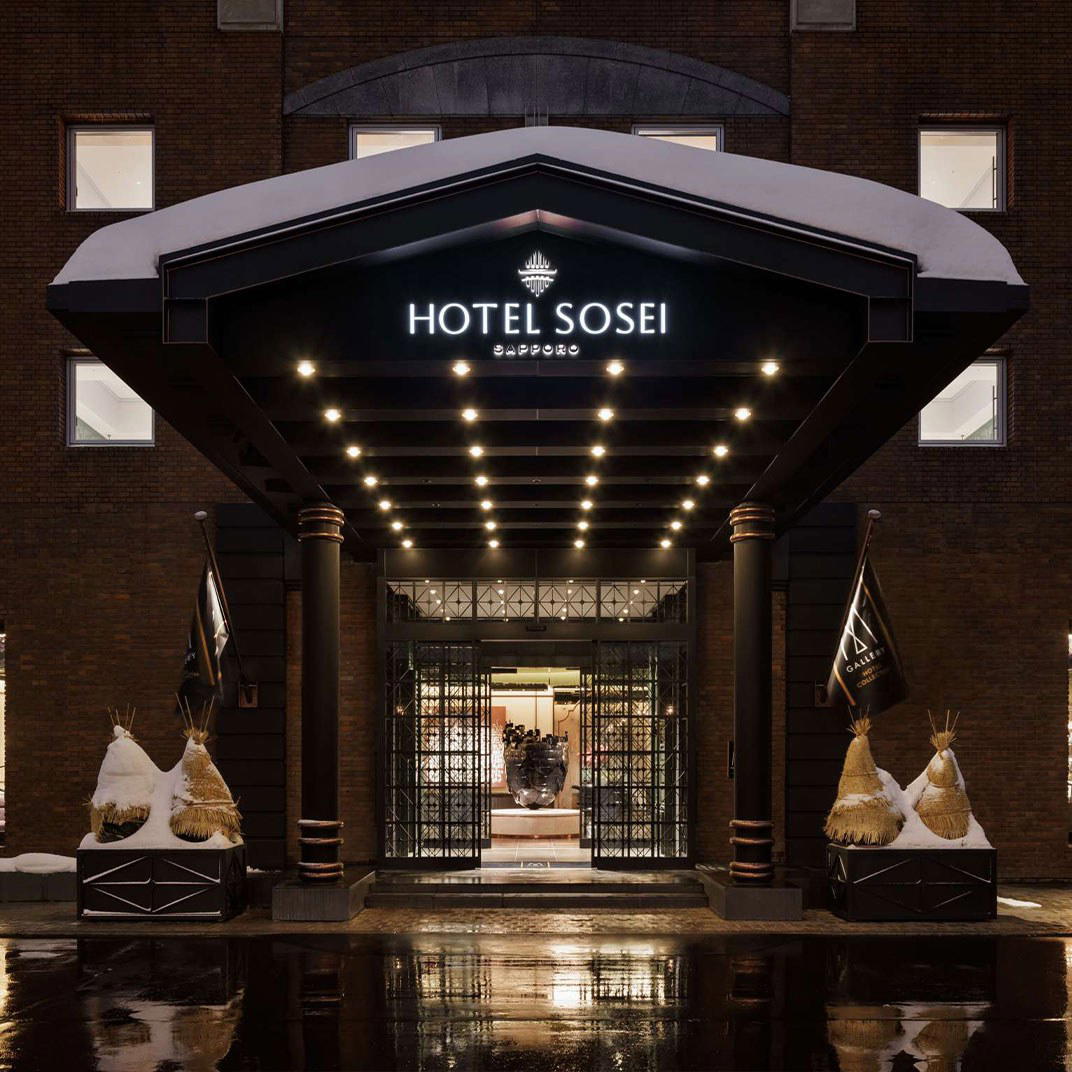
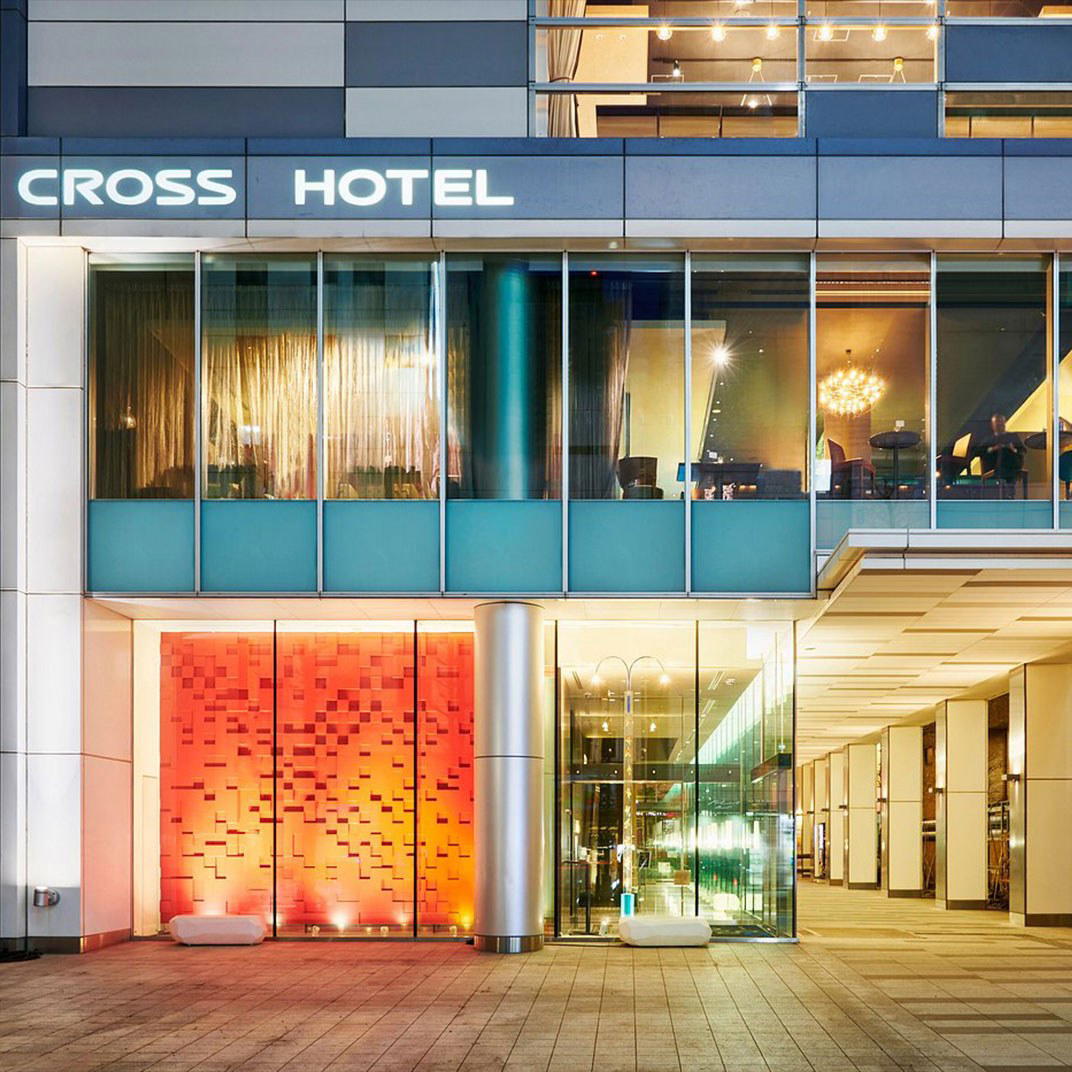
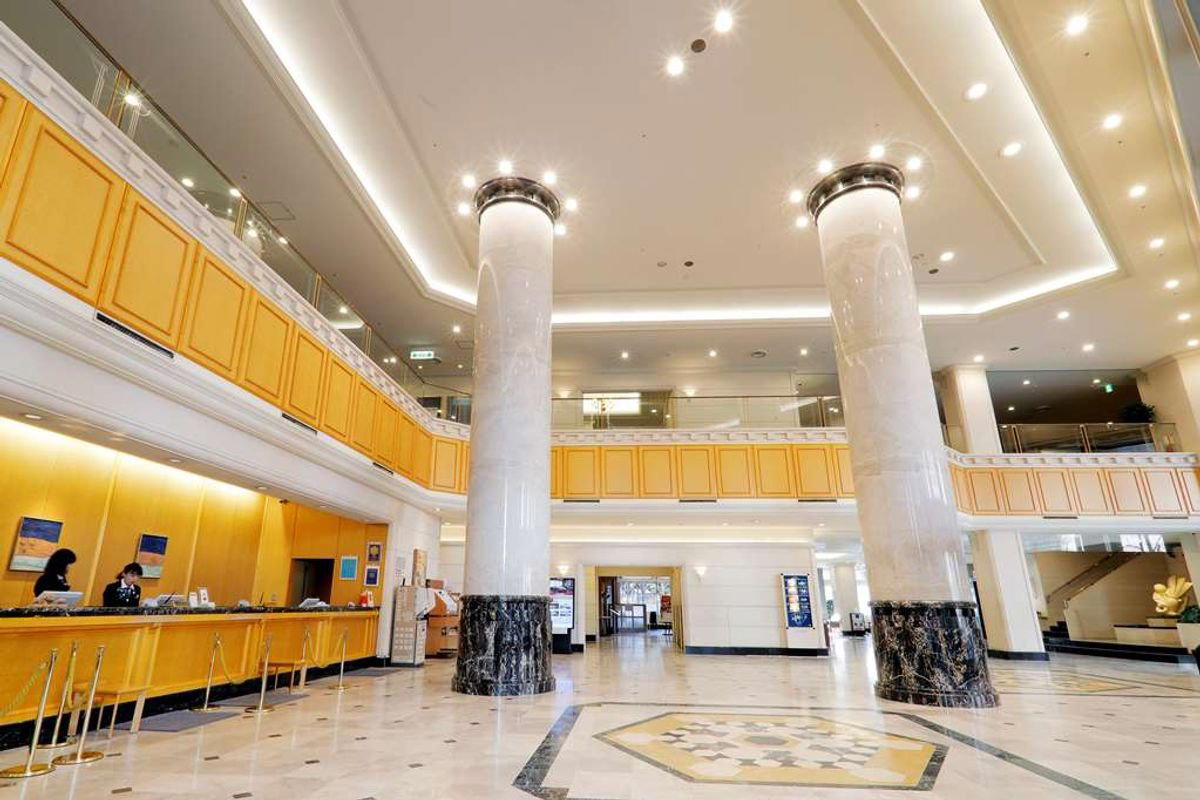
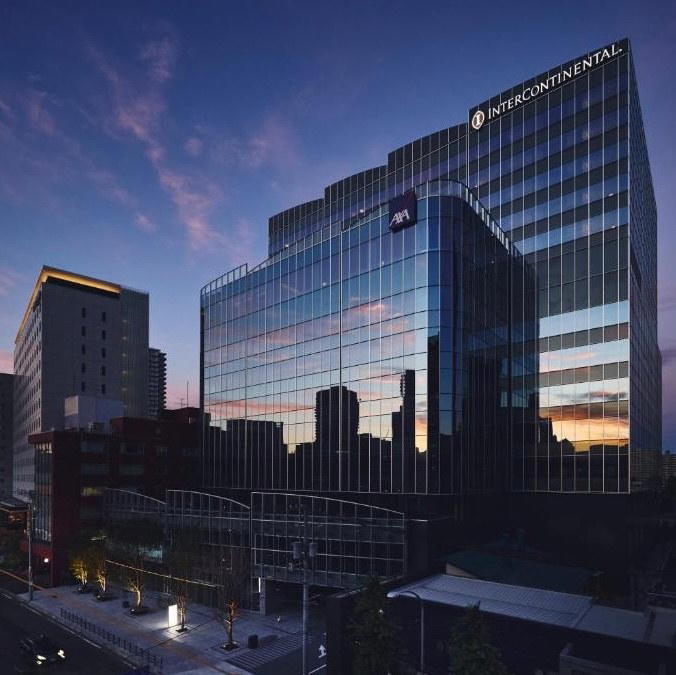
For travellers building a full stay rather than a single meal, the surrounding city infrastructure matters. Pair restaurant planning with Our full Sapporo hotels guide, then map later evenings through Our full Sapporo bars guide. Sapporo is not a winery destination in the same sense as rural wine regions, but Our full Sapporo wineries guide is useful for readers tracking northern Japan’s wine interests, while Our full Sapporo experiences guide helps connect meals to the city’s seasonal rhythm.
The decision: a recognized ramen stop with local habits
Sapporo Fujiya makes the strongest case for diners who prefer compact, specialist rooms over theatrical dining. The counter seating, no-reservation setup, and Hokkaido ramen recognition all point in the same direction: this is a practical, repeat-customer format with enough outside validation to justify a detour inside Sapporo, especially for readers already comparing the city’s ramen and tsukemen options.
It also works as a useful corrective to Japan itineraries that over-focus on Tokyo, Kyoto, and Osaka. The national dining map is broader and stranger than that corridor, from -Grilled beef Sukiyaki- KAMAKURA TANUKIAN 鎌倉 たぬき庵 in Kamakura and. 鮪と炭火焼き うお炭 秋葉原店 in Tokyo to.cafe in Osaka.know in Kumamoto, (Shoku) Vietnam in Kawasaki, and [ki:] in Kyoto. Even outside Japan, the same specialist-casual logic appears at focused rooms such as Jōdo Saké Bar in Los Angeles and Onigiri Time in Pasadena: narrow format, clear purpose, repeatable pleasure. In Sapporo, this counter belongs to that conversation.
- Miso ramen
- Spicy miso ramen
- Gyokai tonkotsu shoyu ramen
- Fish-based shio ramen
- Miso tsukemen
- Spicy tsukemen
A Credentials Check
Comparable venues by cuisine and price in the same metro.
| Venue | Cuisine | Price | Notes |
|---|---|---|---|
| Sapporo FujiyaThis venue — the venue you are viewing | Ramen & Tsukemen Shop | $ | Not listed |
| Curry House Colombo | Classic Japanese curry house near Sapporo Station | $ | Chūō |
| Coffee House | Japanese curry restaurant | $ | Chūō |
| curry leaves | Sapporo-style soup curry | $ | Toyohira |
| Menya hide | Sapporo ramen shop | $ | Kita |
| Ramen RS Kai | Hokkaido ramen & tsukemen shop | $ | Kiyota |
Recognition history
Dated appearances from independent guides and award organizations, with the underlying list record or original source where available.
Tabelog 100 #26 · No. 26
Tabelog · Tabelog 100 - Ramen - HOKKAIDO - 2025
At a Glance
- Cozy
- Lively
- Solo
- Casual Hangout
- After Work
- Standalone
Current opening hours
- Monday
- Closed
- Tuesday
- 11 AM–2:30 PM, 5–8:30 PM
- Wednesday
- 11 AM–2:30 PM, 5–8:30 PM
- Thursday
- 11 AM–2:30 PM, 5–8:30 PM
- Friday
- 11 AM–2:30 PM, 5–8:30 PM
- Saturday
- 11 AM–2:30 PM, 5–8:30 PM
- Sunday
- 11 AM–2:30 PM, 5–8:30 PM
Hours can change for holidays and private events. Last verified .
Small counter-only ramen shop with a simple, no-frills interior, bright but cozy lighting, and a bustling, casual atmosphere focused on quick, solo or duo meals.