
Chuka Soba Usagi belongs to Sapporo’s disciplined ramen culture: small-room, early-day, low-price, and built around quick decisions rather than ceremony for ceremony’s sake. Its Tabelog Ramen HOKKAIDO 100 selection for 2024 and 2025, plus a 3.58 score, place it in the city’s serious everyday tier rather than the luxury dining circuit.
Pearl is the En Primeur Club membership app — saves, bookings, and concierge access live there. Same editors, same standards.
- Address
- 北海道札幌市北区北27条西3-4-7 のりたマンション 1F
- Phone
- +815037040230
- Website
- tabelog.com
 Saves & bookings on Pearl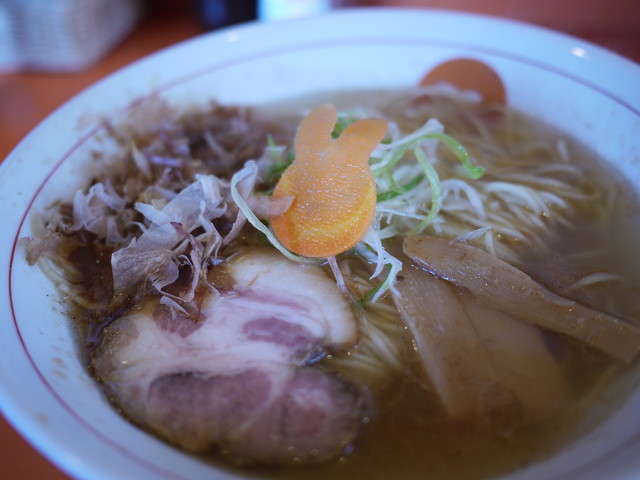
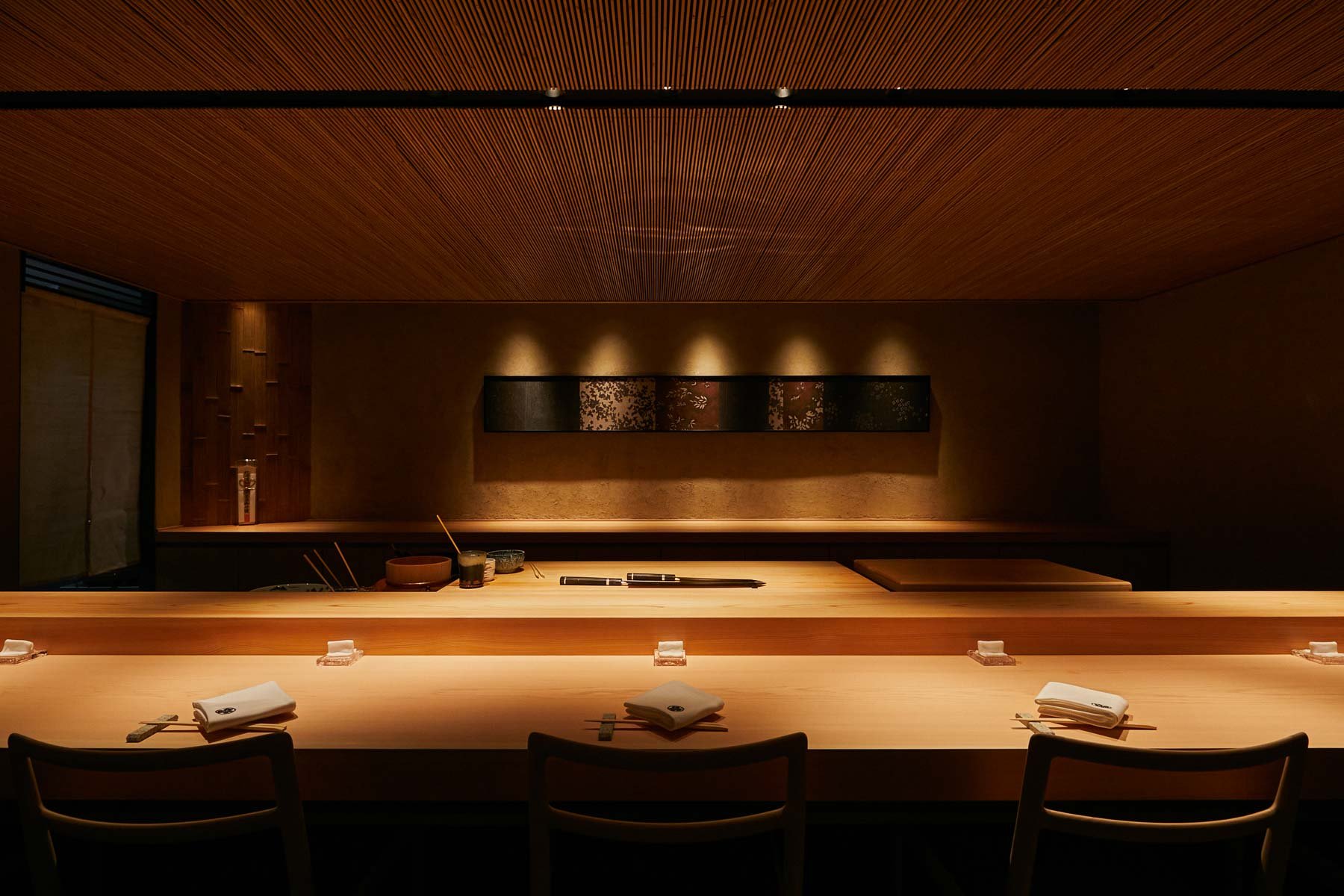
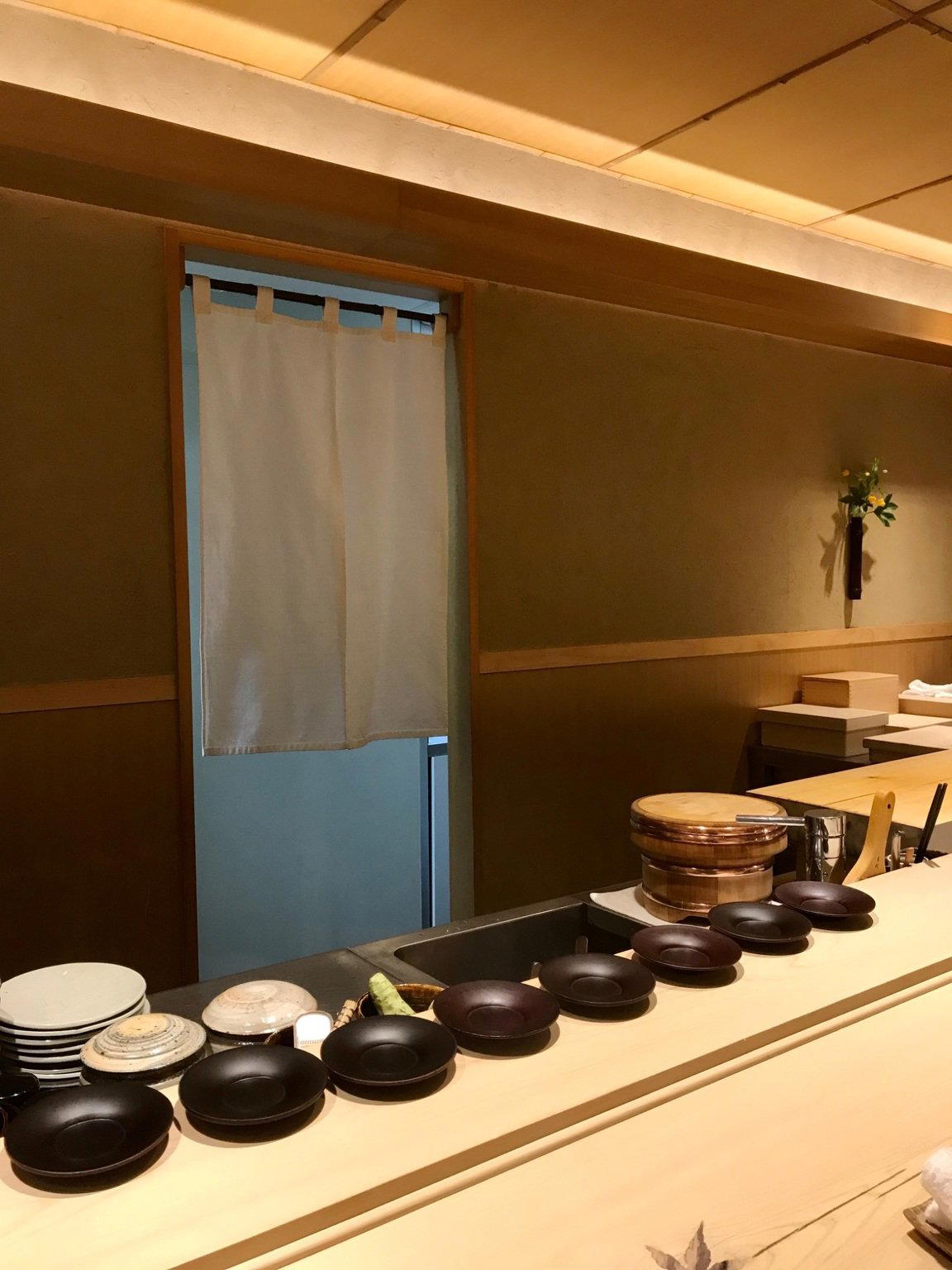
Approaching a nine-seat ramen room in northern Sapporo changes the tempo of a meal before a bowl appears. The scale is domestic: five counter seats, a raised platform table for four, no smoking, and the kind of layout that makes ramen feel less like dining out than joining a practiced civic routine. In Hokkaido, where ramen tourism often gravitates toward miso, butter, corn, and late-night warmth, the smaller chuka soba format carries a different etiquette. It asks for attention to broth, noodles, timing, and turnover, not performance.
Chuka Soba Usagi sits inside that everyday-serious bracket. The useful signal is not luxury language, it is recognition inside a crowded category: selection for Tabelog Ramen HOKKAIDO 100 in both 2024 and 2025, with a Tabelog score of 3.58. For ramen in Japan, that matters because the category is dense, price-sensitive, and hyperlocal. A shop does not need linen, ceremony, or a long tasting format to draw scrutiny; consistency across bowls is the point.
A Sapporo ramen ritual built on speed, restraint, and small-room discipline
Ramen etiquette in Japan is practical rather than theatrical. The guest chooses quickly, sits compactly, eats while the noodles are at their intended texture, and gives the seat back to the room. That rhythm is especially visible in compact shops, where counter seating compresses the distance between kitchen and diner. Here, the format favors solo diners and small groups, while the raised-floor table gives families a path into a category that can otherwise feel counter-only.
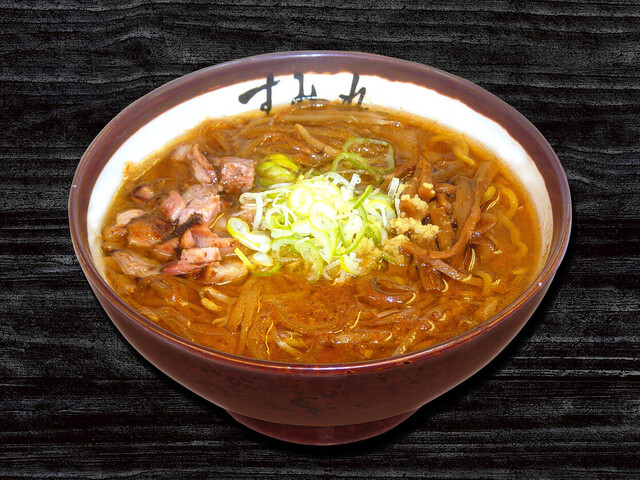
The name signals chuka soba, a term that typically points toward ramen’s older, Chinese-influenced Japanese lineage rather than the maximalist Sapporo miso image many visitors carry into Hokkaido. That distinction matters. Sapporo’s ramen identity is broad enough to hold heavy regional bowls, airport-adjacent tourist ramen, neighborhood lunch counters, and specialist shops with narrower vocabularies. Chuka Soba Usagi belongs to the last of those groups: a modest-format ramen room whose reputation is built through repeatable execution rather than scale.
The comparison set clarifies the choice. Sapporo Junren Kita 31 jou ten occupies a similarly accessible price lane, while MEN SHOUKI, Tiger Curry, Indian Restaurant Ram, and sapporo soup curry dip point toward the city’s broader comfort-food economy, where curry, soup curry, and ramen compete for the same casual meal slot. The decision is not formal versus casual; it is which ritual suits the day. Soup curry lingers. Curry can carry a fuller lunch rhythm. Ramen, especially in a compact room, is sharper: order, wait, eat, leave.
Recognition in a category where low prices do not mean low standards
Japan’s ramen hierarchy can be difficult for visitors because price rarely maps neatly onto ambition. A bowl under JPY 999 can be more scrutinized by locals than a hotel dining room with polished service. The Tabelog 100 selection gives Chuka Soba Usagi a public benchmark within Hokkaido ramen, and the repeat appearance across 2024 and 2025 suggests the shop is not riding a single season of attention. In this category, repeat recognition is a stronger clue than decorative claims.
The room’s constraints also shape the experience. With only nine seats, the meal depends on pace and courtesy: avoid spreading luggage, settle choices before the counter rhythm moves past, and read the room rather than treating it as a leisurely restaurant reservation. That is not austerity; it is the ramen contract. The kitchen’s work is time-sensitive, and the diner’s role is to meet it with the same focus.
For travelers mapping Sapporo through food, the better strategy is to place ramen alongside the city’s other casual specialties rather than treating it as a single checklist meal. 175°DENO Tantanmen Sapporo kitaguchi ten pulls the conversation toward tantanmen, while [Curry Senmon Ten] Maruyama Kyoju., Ajanta Indo Curry Ten, and Ajanta Sohonke show how curry runs parallel to ramen in the city’s everyday dining map. Aigues Vives adds another register entirely, useful for understanding how Sapporo’s food culture moves between specialist counters and destination-led cooking.
How to place it within a Sapporo food itinerary
The strongest way to use the restaurant is as a study in local rhythm, not as a grand meal around which to build an entire day. Its appeal lies in the scale, the speed, the price band, and the award signal inside a city where ramen shops are judged by repeat eating rather than occasion dining. It is a short-form experience with a long local memory: the shop opened in 2013, and more than a decade of operation gives its recognition extra weight.
Visitors building a wider Sapporo plan should keep the categories distinct. Ramen answers one appetite; bars, hotels, wineries, and structured experiences answer different parts of the trip. For broader planning, see Our full Sapporo restaurants guide, Our full Sapporo hotels guide, Our full Sapporo bars guide, Our full Sapporo wineries guide, and Our full Sapporo experiences guide. For a wider Japan and diaspora context across casual formats, compare -Grilled beef Sukiyaki- KAMAKURA TANUKIAN 鎌倉 たぬき庵 in Kamakura. 鮪と炭火焼き うお炭 秋葉原店 in Tokyo.cafe in Osaka.know in Kumamoto, (Shoku) Vietnam in Kawasaki, [ki:] in Kyoto, Jōdo Saké Bar in Los Angeles, and Onigiri Time in Pasadena.
Cuisine Context
Comparable venues to calibrate price, style, and recognition.
| Venue | Cuisine | Price | Notes |
|---|---|---|---|
| Chuka Soba UsagiThis venue — the venue you are viewing | Japanese Ramen | $ | Not listed |
| Menya hide | Sapporo ramen shop | $ | Kita |
| Menya Ozawa | Hokkaido Ramen | $ | Shiroishi |
| Koku Ichiban Ramen Midoriya | Ramen shop | $ | Chūō |
| Sapporo Junren Kita 31 jou ten | Traditional Sapporo ramen | $ | Higashi |
| Curry Tamashii Destroyer | Japanese Soup Curry | $ | Kita |
Recognition history
Dated appearances from independent guides and award organizations, with the underlying list record or original source where available.
Tabelog 100 #69 · No. 69
Tabelog · Tabelog 100 - Ramen - HOKKAIDO - 2025
At a Glance
- Cozy
- Classic
- Solo
- Family
- Casual Hangout
- Standalone
Small, low-key ramen shop with counter seating and a tatami room, suited to quick, casual meals rather than lingering dining.