Our verdict
Gyu+Bar by Miyoshi brings a Japanese-French wood-fire sensibility to Hong Kong's competitive fine-dining scene, where the logic of kaiseki sequencing meets the char and smoke of live-fire technique. The format sits between the precision of a tasting counter and the informality of a grill-focused bar. For Hong Kong diners tracking this particular hybrid register, it occupies a distinct position in a city already dense with high-calibre cross-cultural kitchens.

Pearl is the En Primeur Club membership app, where members save venues, book tables and use the concierge.
The menu
What to order
- Wagyu char siu brisket
- Wagyu harami with hazelnut gremolata
- Wagyu ichibo with butter-infused potato purée
Wood Fire in a City Built for Precision
Hong Kong's upper tier of dining has long rewarded restraint and technical control. The Michelin-starred French houses of Central, the Cantonese rooms that age their meats and measure their sauces to the gram, the kaiseki counters where temperature and sequence carry as much meaning as ingredient, all of them operate within a shared grammar of discipline. What Gyu+Bar by Miyoshi adds to that conversation is combustion: the unpredictable, sensory-forward logic of wood fire, filtered through a Japanese-French culinary framework that is increasingly visible in the city's most interesting mid-to-upper dining rooms.
Live-fire cooking has been redefining premium dining in Asia for several years now, not as novelty but as a technical argument. The case is that fire introduces variables, char, smoke, caramelisation at high heat, that precision instruments cannot replicate. In Hong Kong, where the benchmark for European technique is set by rooms like Amber and Caprice, and where the Japanese-French fusion register is interrogated by kitchens like Ta Vie, Gyu+Bar by Miyoshi enters a scene with a well-calibrated critical eye. The bar component of the name signals something, a lower register of formality, an intention to sit alongside the meal rather than apart from it.
The Kaiseki Argument, Reframed Around Fire
Kaiseki as a tradition is not primarily about ingredients. It is about sequence, proportion, and the philosophical attention paid to what arrives when, in what vessel, at what temperature, and why. The seasonal logic that underlies a kaiseki progression, building from lighter, more delicate preparations toward richer, more substantial ones, maps surprisingly well onto the architecture of a wood-fire tasting format, where the grill's intensity demands that you construct the meal around it rather than treat it as one element among equals.
Gyu+Bar by Miyoshi's positioning as a Japanese-French wood-fire kitchen places it in a growing cohort of Hong Kong venues that neither replicate a Japanese tradition wholesale nor simply layer Japanese ingredients onto a French chassis. The most interesting operators in this space use French structure, particularly its insistence on sauce-building and course architecture, while importing Japanese precision around product sourcing and the restraint of garnish. The result, when it works, is a format where the fire does not overpower but orchestrates.
In a city where 8 1/2 Otto e Mezzo Bombana demonstrates how European fine dining can take deep root across decades of consistent execution, and where Forum shows that Cantonese cooking at the highest level requires its own form of seasonal attentiveness, the Japanese-French wood-fire proposition is making a specific claim: that the grill is not a departure from that tradition of care, but an extension of it.
Where This Format Sits in Hong Kong's Dining Hierarchy
Hong Kong's premium dining market stratifies fairly clearly. At the formal leading, multi-course tasting menus in high-key dining rooms with extensive wine service set the terms. Below that, a growing number of counter-format restaurants operate with smaller teams, shorter menus, and a more direct relationship between kitchen and guest. Gyu+Bar by Miyoshi's name suggests a hybrid: the "bar" framing implies counter seating and proximity to the cooking, while the Miyoshi association carries Japanese culinary credibility. This is a format that has found traction in Tokyo and London, intimate counters where wood fire is both the technique and the theatre.
Across EP Club's Hong Kong coverage, the venues that hold long-term attention in this register share several traits: a clearly articulated culinary argument that doesn't depend on setting alone, a product sourcing story with verifiable depth, and enough format discipline that the experience has a consistent shape rather than varying wildly by table or service. Against that standard, a Japanese-French wood-fire counter in Hong Kong is a credible proposition, particularly in a city whose dining audience is sophisticated enough to read the distinctions within hybrid categories rather than treating them as interchangeable.
For comparison, consider where the Japanese-French register operates in New York: Atomix in New York has demonstrated that Korean-French fine dining, operating from a rigorous tasting-counter format, can compete at the highest critical level. The lesson transfers: hybrid cuisines succeed when the underlying culinary logic is coherent, not when the fusion is skin-deep. Gyu+Bar by Miyoshi's wood-fire specificity is, in that sense, an asset, it gives the kitchen a clear technical identity rather than a vague internationalism.
Planning Your Visit
For venues in this format category across Hong Kong, the general pattern is that counter seats book ahead and walk-in availability is limited, particularly on weekend evenings. Direct contact with the restaurant or monitoring of reservation platforms is the practical path for current availability. Hong Kong's dining scene moves quickly, and confirmed operational details are worth checking close to your intended visit date.
For readers building a broader Hong Kong dining itinerary, EP Club's full Hong Kong restaurants guide maps the city's major dining precincts and formats. Venues worth cross-referencing against Gyu+Bar by Miyoshi's Japanese-French register include Ta Vie for its own careful negotiation of the same dual tradition, and Gaia in Central and Western for a contrasting European anchor. Across Hong Kong's broader geography, the dining map extends well beyond Central: Lei Garden in Kwun Tong, Lei Garden in Sha Tin, Sai Kung Sing Kee in Sai Kung, One-ThirtyOne in Tai Po, Coconut Soup in Yau Tsim Mong, Gangstas in Islands, Chin Sik in Tsuen Wan, Hoi Tin Garden in Tuen Mun, and the historically notable Former Jumbo Floating Restaurant in Aberdeen all represent the city's range. For those extending to New York, Le Bernardin offers a point of reference for how French technique anchors a fine-dining identity across decades.
Frequently asked questions
Can I bring kids to Gyu+Bar by Miyoshi?
Gyu+Bar by Miyoshi operates as a Japanese-French wood-fire concept in Hong Kong's premium dining tier, a format that typically involves sequenced courses, counter or intimate room settings, and a quieter pace built around the cooking. That format generally suits older children who are comfortable with multi-course meals, but younger children may find the structure restrictive. Confirm the venue's policy directly when booking, as age restrictions at this level of dining in Hong Kong vary by house.
What's the vibe at Gyu+Bar by Miyoshi?
The cooking philosophy at Gyu+Bar by Miyoshi centres on live wood fire applied to a Japanese-French framework, which means the atmosphere is built around the theatre of the hearth rather than white-tablecloth formality. In Hong Kong's upper dining tier, that combination tends to produce something more tactile and counter-focused than the Cantonese banquet rooms or the French tasting-menu houses of Central. Expect a composed but engaged atmosphere where the fire itself sets the room's tone.
How does Gyu+Bar by Miyoshi use wood-fire cooking differently from a typical steakhouse?
Where a conventional steakhouse treats the grill as a finishing tool for a single protein, Gyu+Bar by Miyoshi applies wood-fire technique across a Japanese-French sequence, using flame to structure an entire progression of courses rather than a single centrepiece cut. That kaiseki-informed architecture means heat, timing, and wood choice function as seasoning decisions in their own right, not just cooking method. It places the venue closer to the live-fire tasting-menu tradition emerging in cities like Tokyo and Copenhagen than to the Hong Kong steakhouse circuit.
What should I order at Gyu+Bar by Miyoshi?
Gyu+Bar by Miyoshi structures its offer around Japanese-French wood-fire cooking, which means the menu is likely built on the fire rather than supplemented by it. At venues operating in this format in Hong Kong, the sequenced progression of proteins and seasonal produce over the hearth is the core experience rather than individual à la carte choices.
At-a-Glance Comparison
Comparable venues nearby, for context on price, style, and recognition.
| Venue | Cuisine | Price | Awards | Notes |
|---|---|---|---|---|
| Gyu+Bar by MiyoshiThis venue (the venue you are viewing) | Japanese-French Wood-Fired Wagyu | $100–150 | Not listed | Not listed |
| Sushi Zinc | Contemporary Japanese–Italian Omakase | $200–300 | SCMP 100 Top Tables Restaurants | Shau Kei Wan |
| Birdie | Japanese Yakitori | $50–100 | SCMP 100 Top Tables Restaurants | Central |
| Censu | Modern Japanese Izakaya | Not listed | Not listed | Central |
| Sushi Kumogaku | Modern Edo-mae Omakase | $150–200 | SCMP 100 Top Tables Restaurants | Central |
| Yung Kee Restaurant (鏞記) | Classic Cantonese Roast Goose | $30–50 | Not listed | Central |
Continue exploring
More in Hong Kong
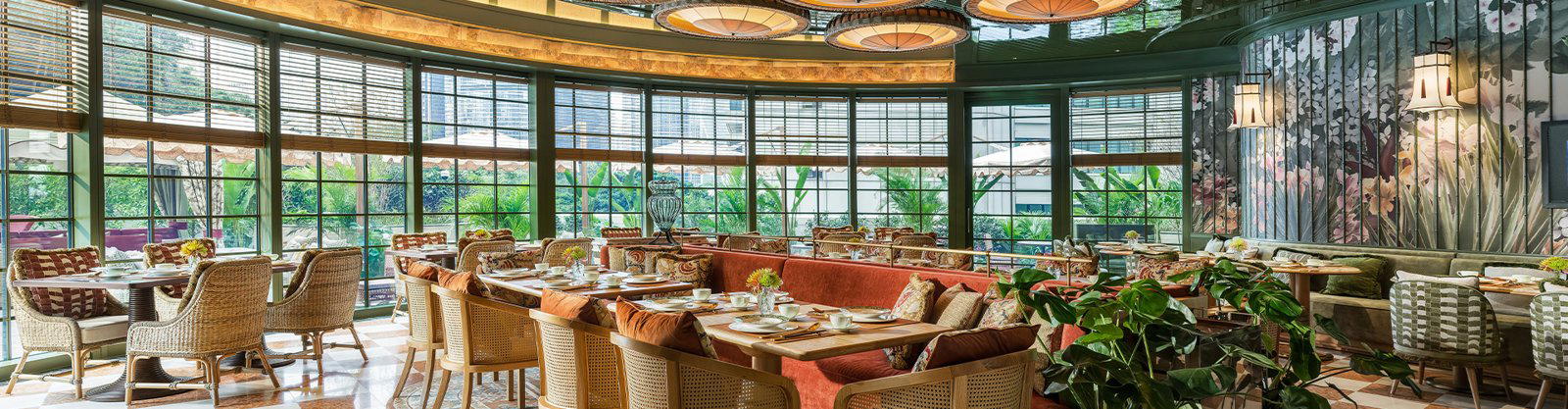
Restaurants in Hong Kong
All restaurants in Hong Kong →
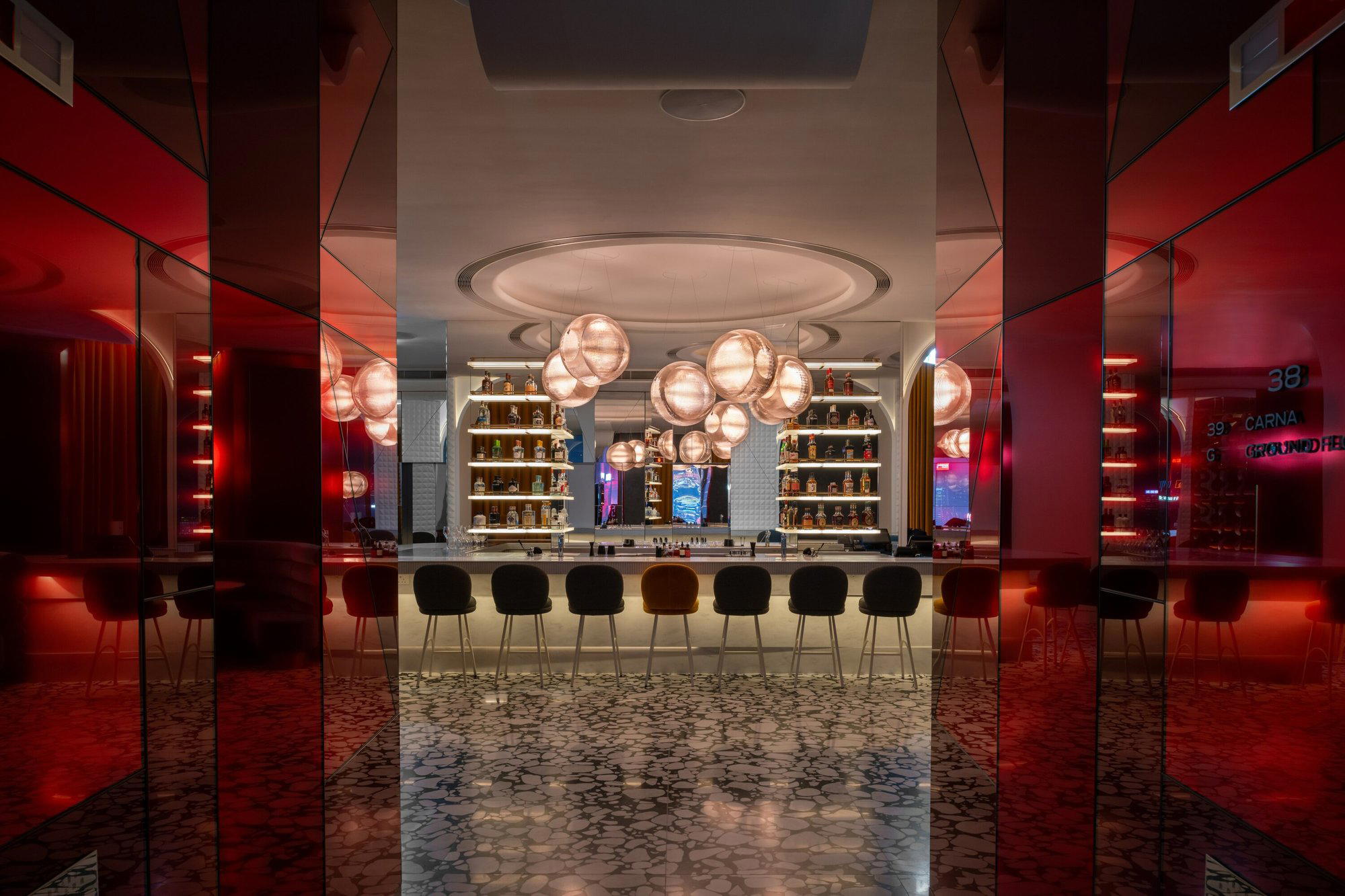
Bars in Hong Kong
All bars in Hong Kong →
Hotels in Hong Kong
All hotels in Hong Kong →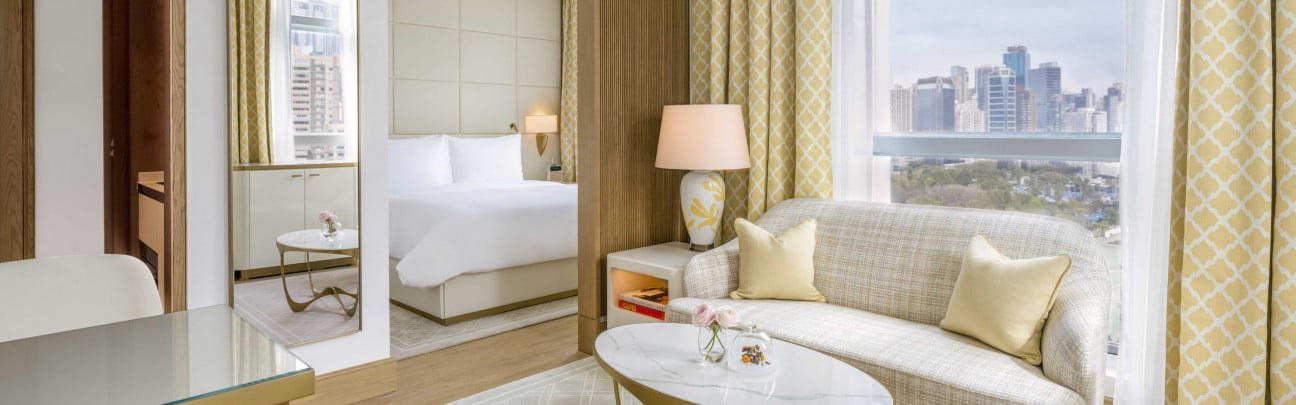
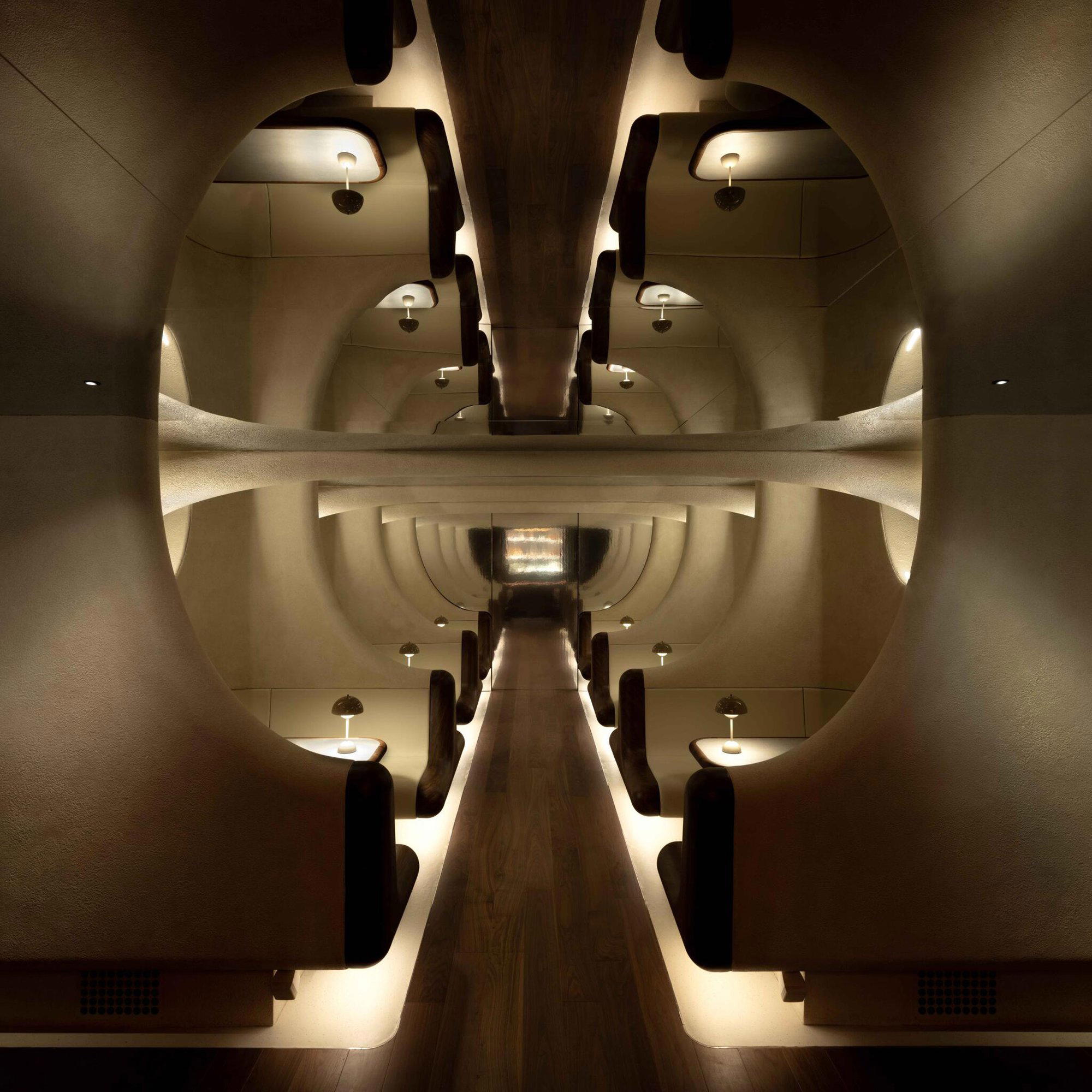
Wineries in Hong Kong
All wineries in Hong Kong →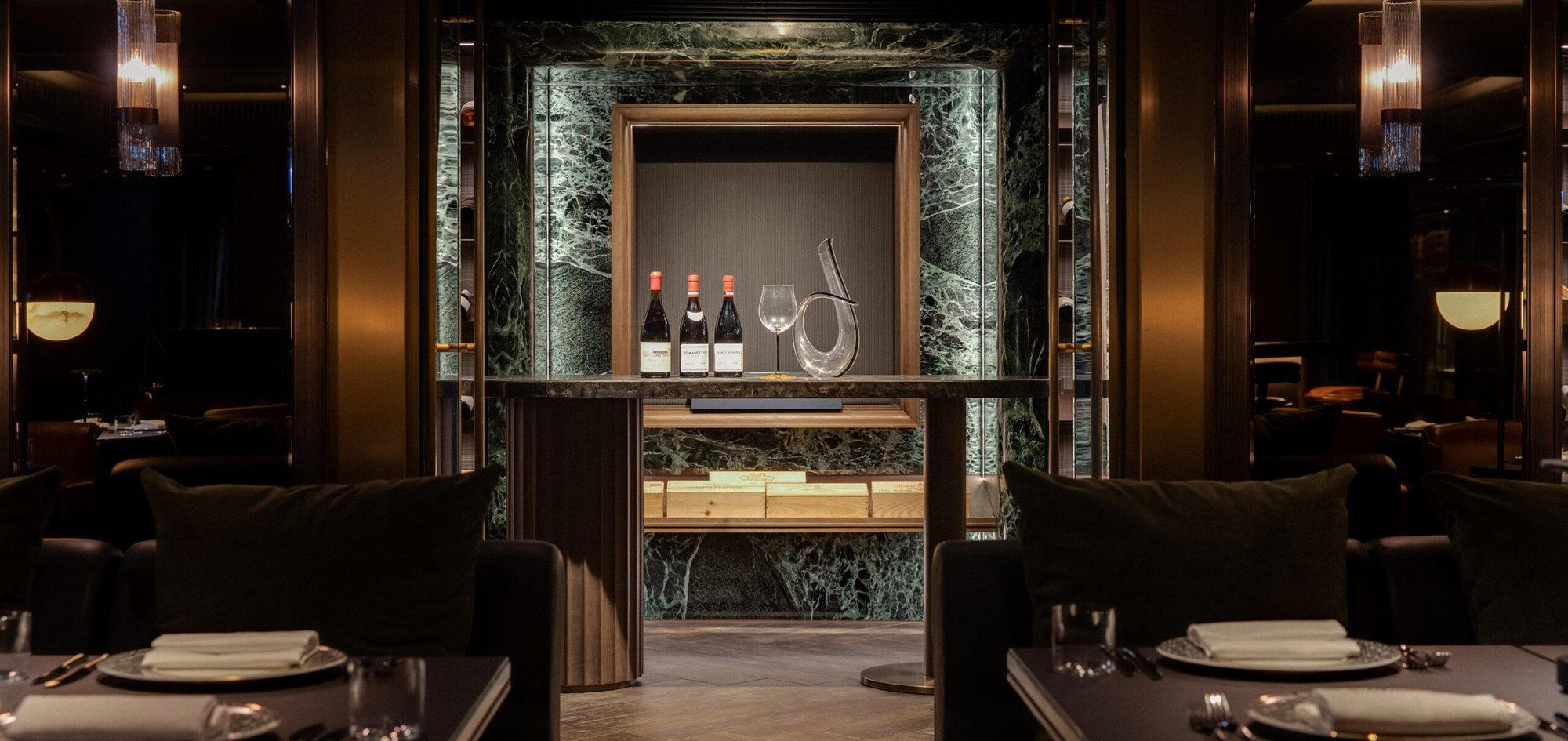
Details
- Sophisticated
- Elegant
- Intimate
- Modern
- Date Night
- Special Occasion
- Business Dinner
- Open Kitchen
- Extensive Wine List
- Sake Program
- Tasting Menu
- A La Carte
- Wine
- Sake
- Cocktails
Current opening hours
- Monday
- 12–3:30 PM, 6–11 PM
- Tuesday
- 12–3:30 PM, 6–11 PM
- Wednesday
- 12–3:30 PM, 6–11 PM
- Thursday
- 12–3:30 PM, 6–11 PM
- Friday
- 11:30 AM–3:30 PM, 6–11:30 PM
- Saturday
- 11:30 AM–3:30 PM, 6–11:30 PM
- Sunday
- 12–3:30 PM, 6–11 PM
Hours can change for holidays and private events. Hours as of .
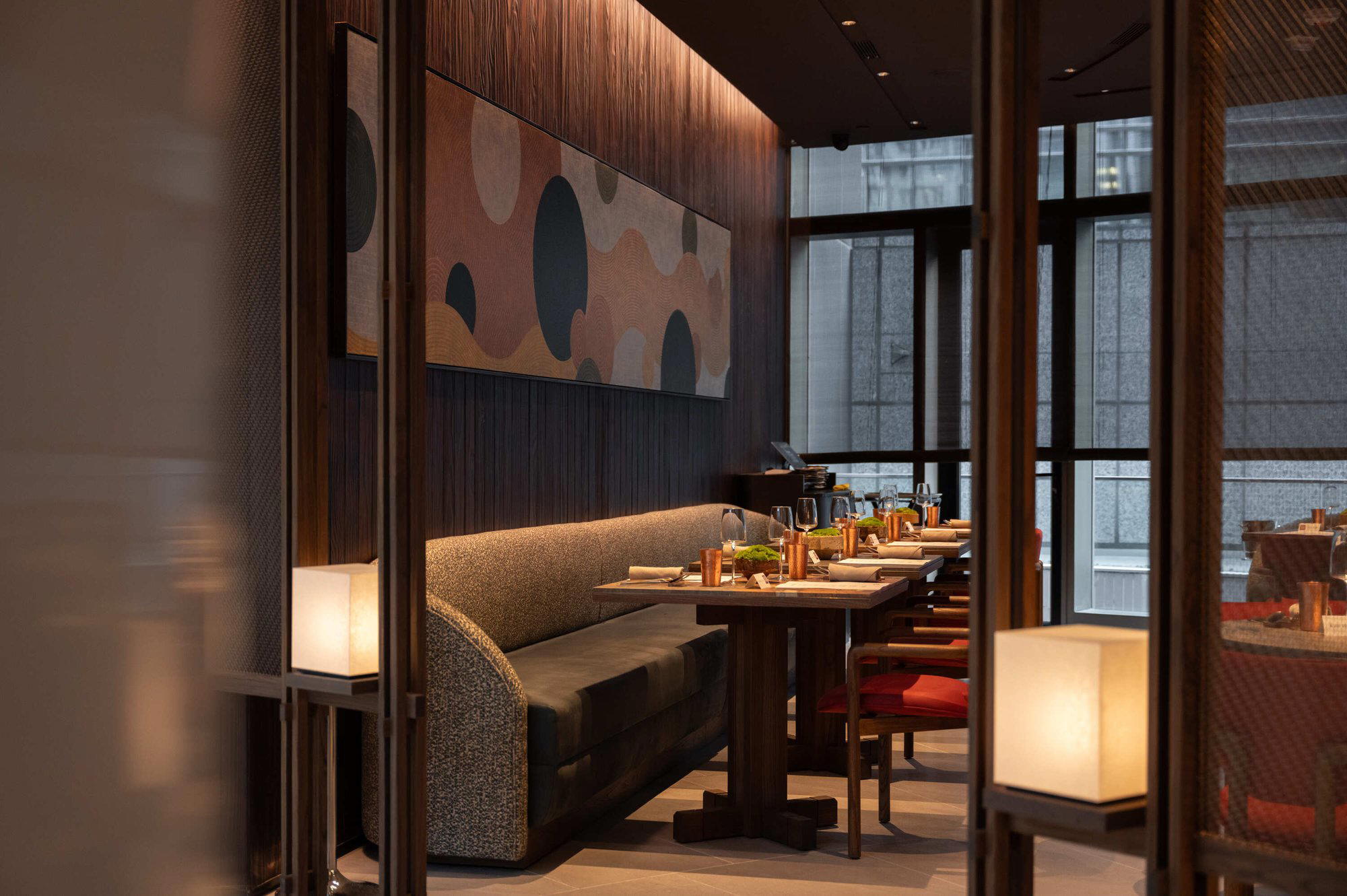
Sophisticated and intimate with charred timber, granite, curved architecture, soft lighting, wood, black, and gold in zen main dining area, sleek bar with wine cellar.