





Yong Fu brings Ningbo cooking into Hong Kong’s high-spend Chinese dining conversation with unusual clarity: East China Sea fish, wine-marinated crab and complex recipes carried over from its Shanghai parent branch. Recognition from Michelin, Black Pearl, La Liste and Opinionated About Dining signals a serious table rather than a decorative regional import.
Pearl is the En Primeur Club membership app — saves, bookings, and concierge access live there. Same editors, same standards.
- Address
- Hong Kong, Wan Chai, Lockhart Rd, 20-22號2號舖地下及1樓 Golden Star Building
- Phone
- +852 2881 7899
- Website
- yongfuhk.com
- Directions
- Get directions
 Saves & bookings on Pearl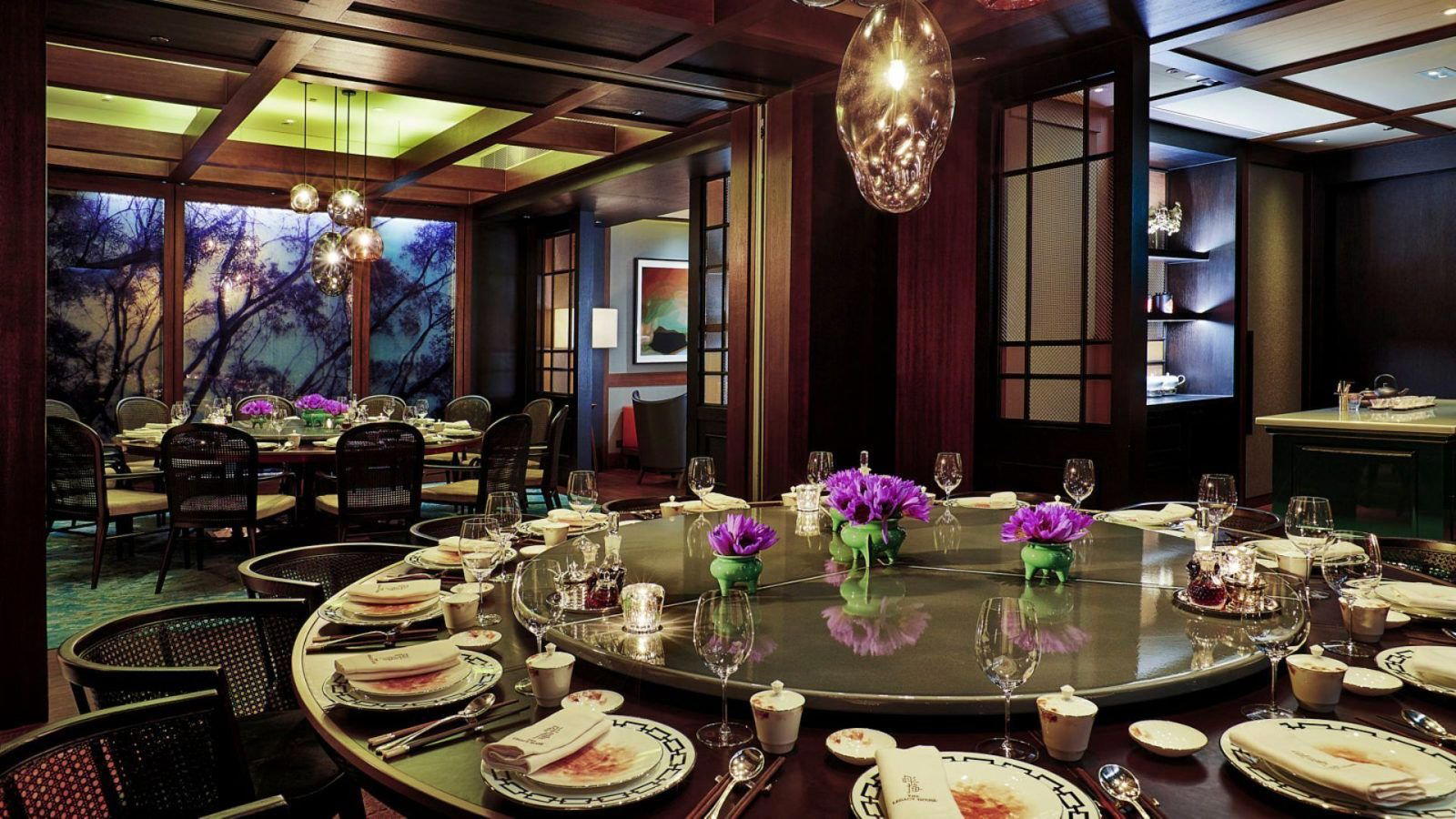
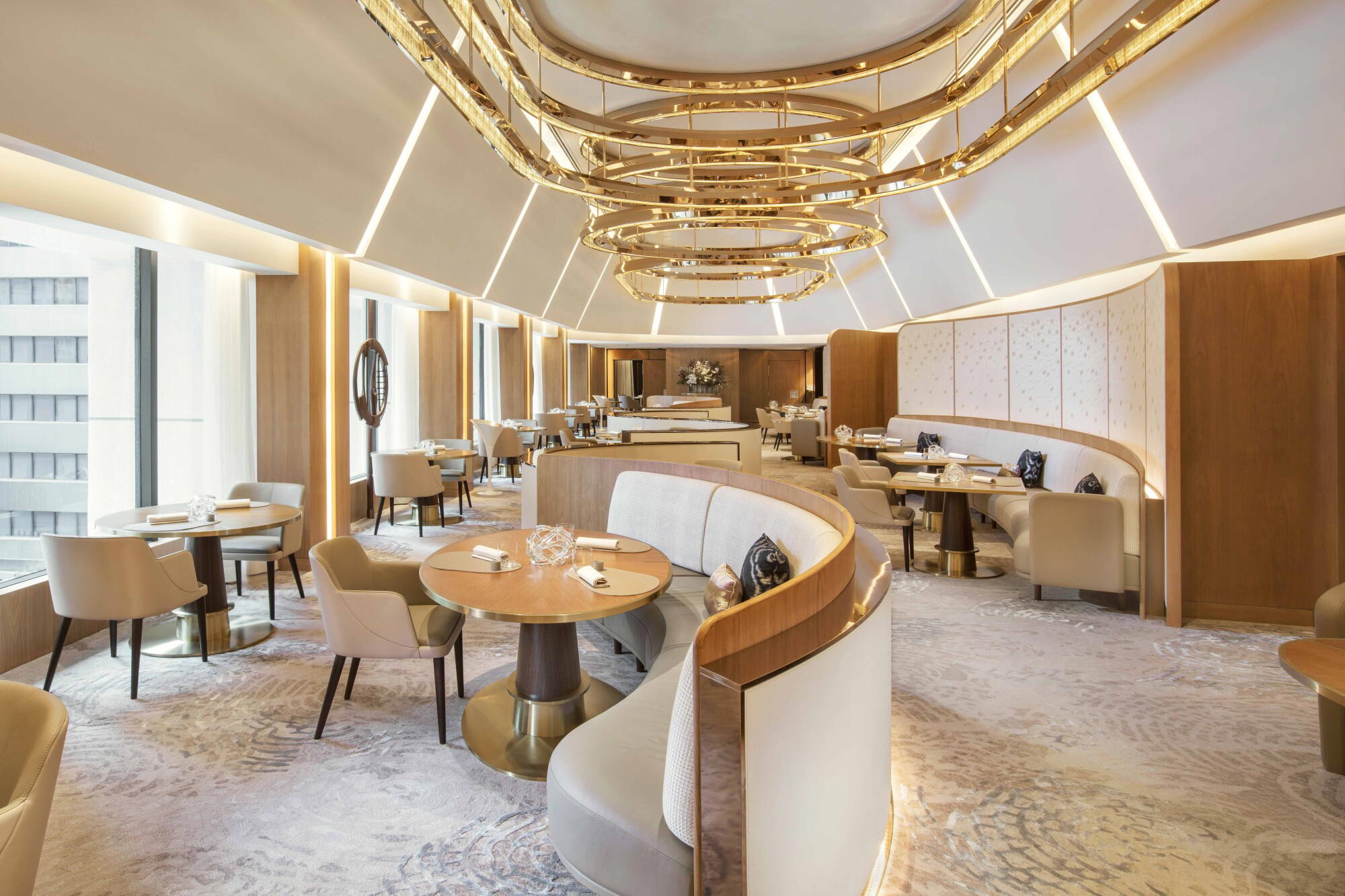
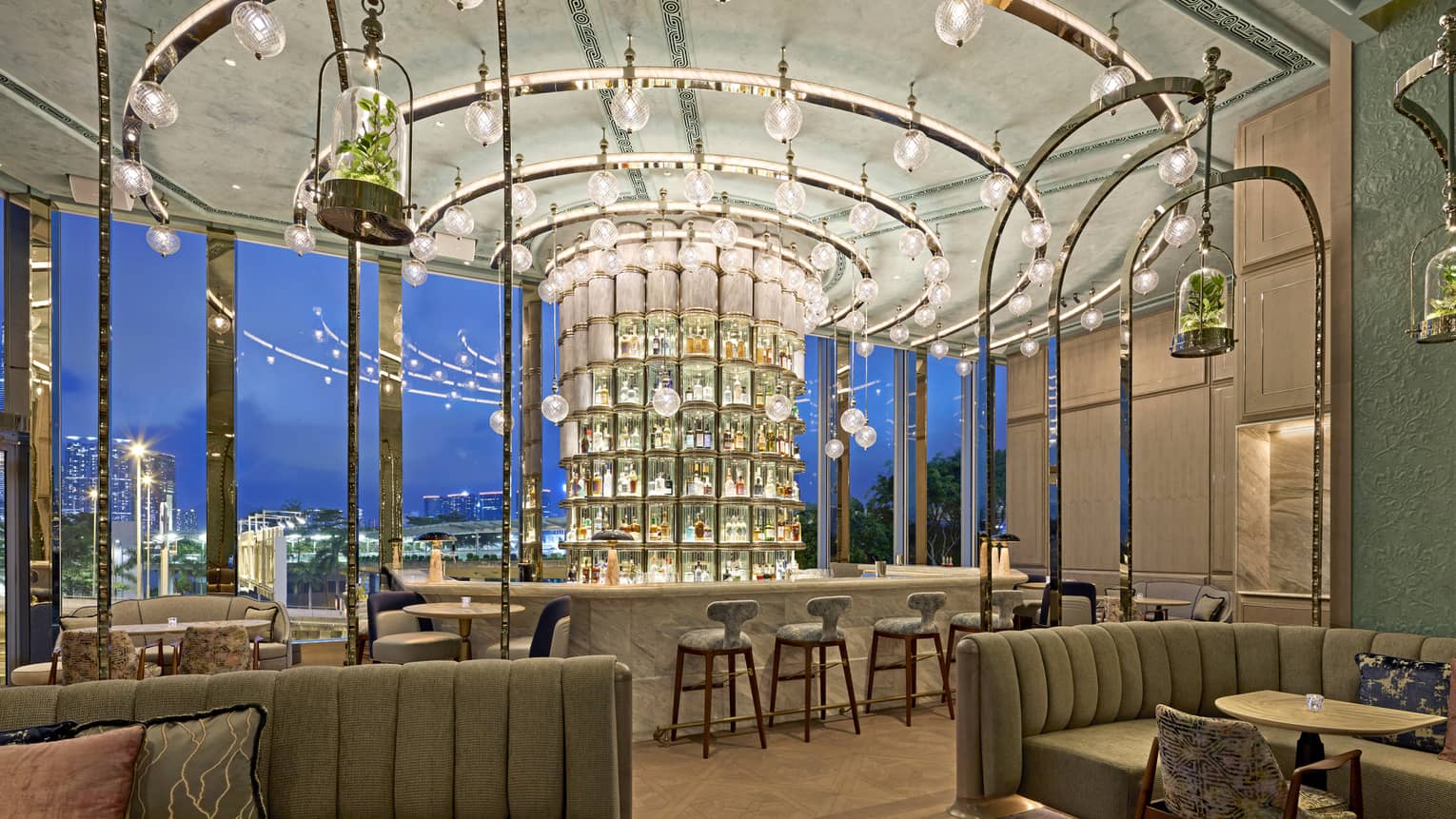
Crystal chandeliers ripple overhead like suspended water, and glass fish hang in the room as a visual cue before the menu makes its point. Hong Kong’s Chinese dining scene is often read through seafood, private-room meals, and dim sum prestige, but Yong Fu asks for a different frame: authentic Ningbo fare, preserved intensity, rice-wine aromatics, and a direct relationship with fish from the East China Sea. Yong Fu Hong Kong is the first Hong Kong outpost of a Shanghai-based brand, carrying its Ningbo identity into a city where regional Chinese cooking competes hard for serious dining attention.
Ningbo cooking moves into Hong Kong's luxury Chinese tier
Ningbo fare is not shy food. Its grammar depends on seafood, brining, fermentation, rice wine, and a willingness to let texture and salinity lead. In Hong Kong, that profile reads differently from the polished sweetness and seafood clarity associated with Cantonese dining. The more interesting comparison is not with another named venue, but with the city’s broader Chinese restaurant hierarchy: rooms built for occasion dining often smooth regional edges, while Ningbo food gains authority when those edges remain legible.
The strongest evidence here is the supply chain and dish set. Fish from the East China Sea is shipped daily, and local produce is folded into a Ningbo format rather than used to dilute it into pan-Chinese luxury. Hallmark dishes from the Shanghai parent branch appear in Hong Kong, including some of the brand’s more complex recipes. Raw mud crab marinated with wine, ginger, and coriander is the dish that explains the restaurant’s position clearly: briny sweet crab meat, rich roe, and a preparation that rewards diners who understand why Ningbo’s cold, wine-led seafood traditions matter. Preordering is the practical move for that dish, not a formality.
The kitchen’s role is better understood through continuity than personality. Its value in this context is not a personal mythology, but command of a cuisine that can lose its structure when exported. Ningbo food outside its home region often becomes a shorthand for seafood and preserved flavors; at this level, the task is more exacting, holding onto regional intensity while presenting it in a Hong Kong room aimed at the city’s serious Chinese dining circuit.
A room that signals seafood before the first order
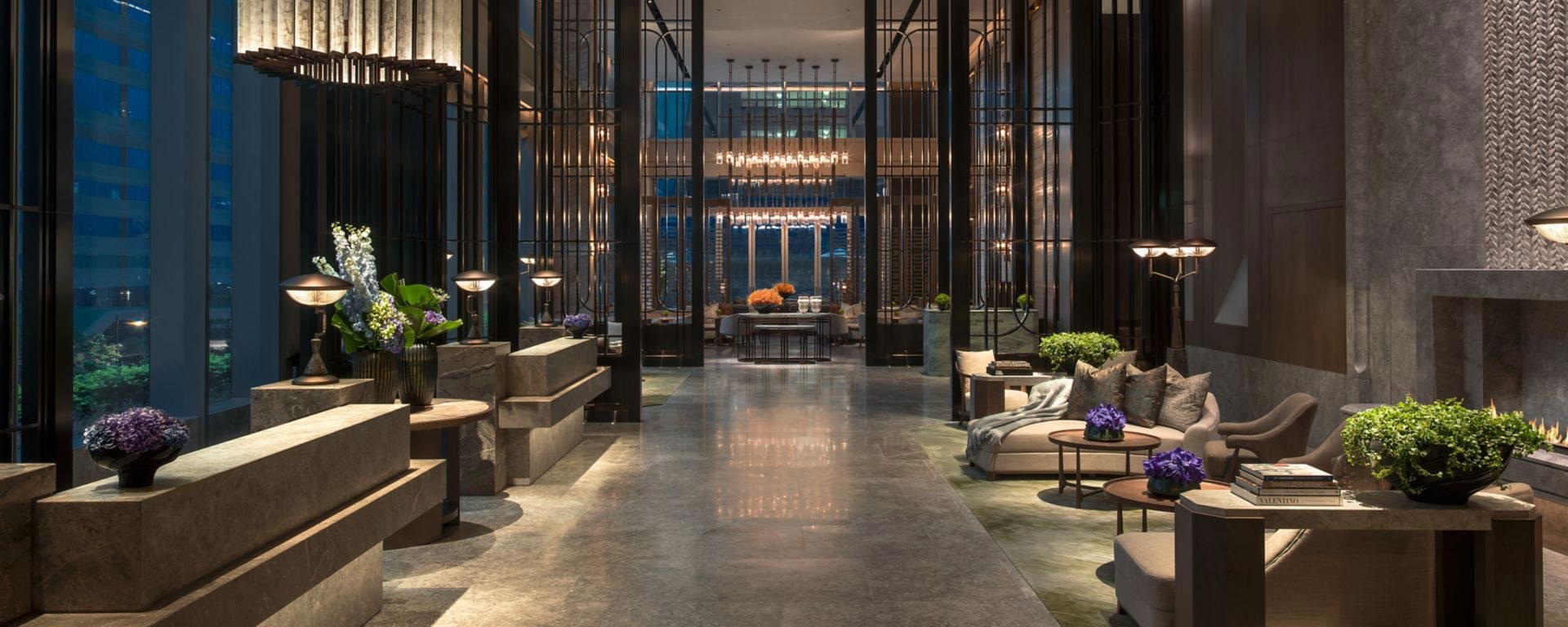
Design is unusually explicit for a Chinese dining room: wave-like crystal chandeliers and dangling glass fish set the aquatic theme before any server explains the menu. That matters because the restaurant is not selling a generic polished backdrop. It is aligning the room with a fish-centric kitchen, which gives the theatrical elements a function beyond decoration. In a city where high-end Chinese dining can default to private-room formality, this setting feels closer to a regional statement: Ningbo by way of Shanghai, staged for Hong Kong.
Recognition has followed that positioning, including mention in Opinionated About Dining’s Top Restaurants in Asia. That signal places it beyond neighborhood-interest territory. It also points to a restaurant evaluated as part of Asia’s serious Chinese dining conversation, not simply as an imported brand with polished interiors.
The commitment reinforces the same conclusion. This is not casual Ningbo comfort food. The better question is whether a diner in Hong Kong should spend a serious meal slot on Ningbo cooking rather than Cantonese seafood, Japanese counters, European tasting menus, or other luxury formats. The answer depends on appetite for specificity. Diners looking for broad crowd-pleasing Chinese luxury may find the Ningbo profile more assertive than expected; diners interested in rice-wine marinade, East China Sea sourcing, and a fish-centric menu have a clearer reason to prioritize it.
How to place it within a Hong Kong dining itinerary
Hong Kong rewards diners who think by category rather than by star count alone. A regional Chinese meal here serves a different purpose from international small plates, polished fine dining, or a casual noodle stop, and planning across those contrasts produces a sharper trip. EP Club’s broader city coverage can help map that range, from our full Hong Kong restaurants guide to parallel planning in our full Hong Kong hotels guide, our full Hong Kong bars guide, our full Hong Kong wineries guide, and our full Hong Kong experiences guide.
For contrast within the city, Hong Kong’s restaurant spread runs from address-led casual references and compact international formats to experience-driven dining. The wider archive also stretches across districts and genres, but Yong Fu occupies a more specific lane: a Hong Kong dining room built around Ningbo identity, East China Sea fish, local produce, and a menu that preserves the parent brand’s hallmark dishes rather than sanding them into something generic.
Regional context also helps. Ningbo cooking has a different footprint as it travels outside its home base. In Hong Kong, the restaurant is compelling because it does not need to imitate Cantonese prestige to justify its place in an itinerary. Its case rests on Ningbo’s own logic: seafood, wine, preservation, and a kitchen disciplined enough to make those elements read as luxury rather than nostalgia.
What It’s Closest To
Comparable venues nearby, for context on price, style, and recognition.
| Venue | Cuisine | Price | Awards | Notes |
|---|---|---|---|---|
| Yong FuThis venue — the venue you are viewing | Chinese | $$$$ | Michelin 1 Star | Not listed |
| The Legacy House | Michelin-Starred Cantonese & Shunde Cuisine | $$$$ | Michelin 1 Star | Yau Tsim Mong South |
| Whey | Modern European with Singaporean & Southeast Asian Influences | $$$$ | Michelin 1 Star | Central |
| Sun Tung Lok | Traditional High-End Cantonese | $$$$ | Michelin 1 Star | Yau Tsim Mong South |
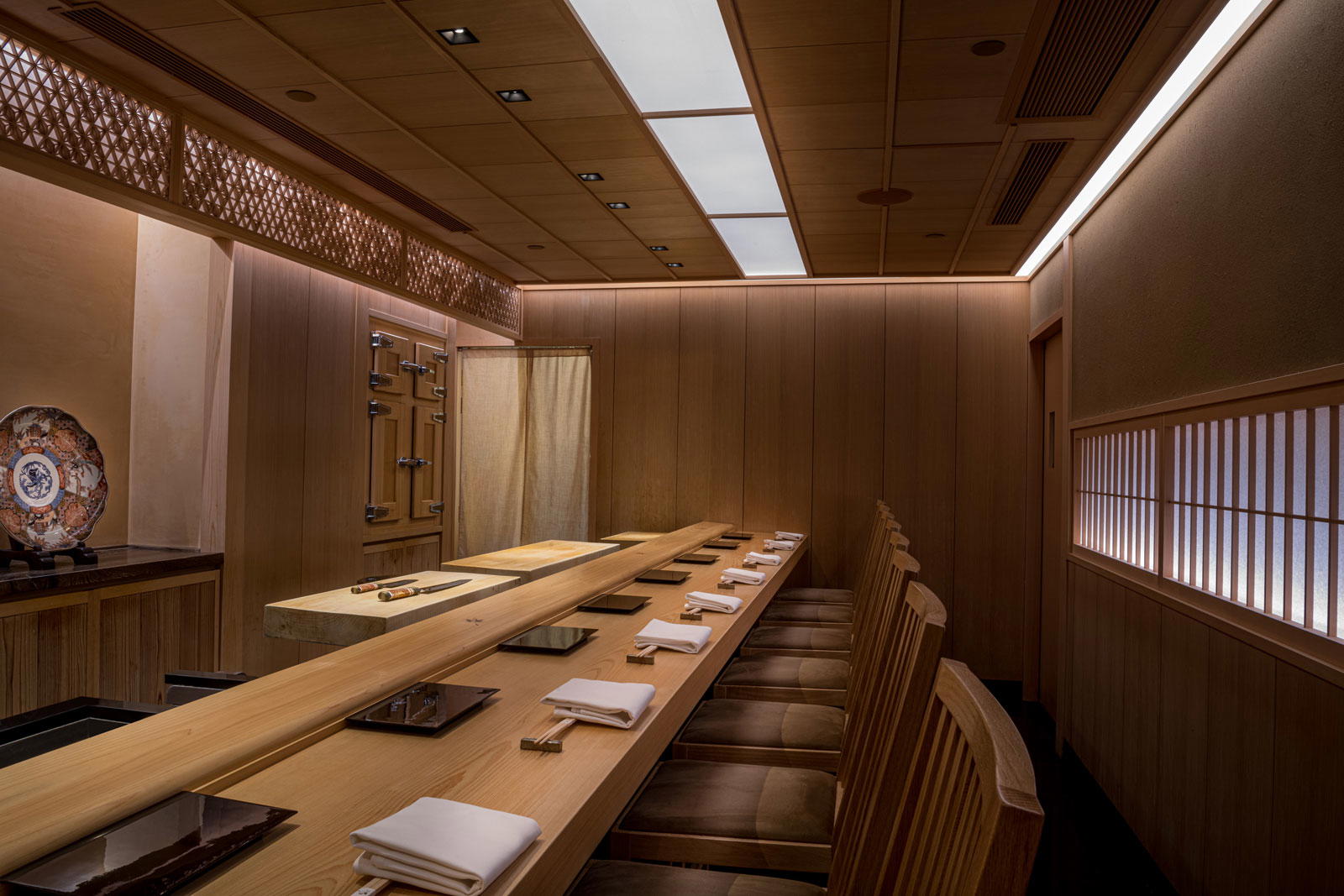
| Sushi Wadatsumi | Edomae-style Omakase | $$$$ | Michelin 1 Star | Yau Tsim Mong South |
| Godenya | Seasonal Japanese Kappo with Sake Pairing | $$$$ | Michelin 1 Star | Central |
Recognition history
Dated appearances from independent guides and award organizations, with the underlying list record or original source where available.
Michelin 1 Star
Michelin
Opinionated About Dining Top Restaurants in Asia Ranked #9
Opinionated About Dining
Opinionated About Dining Top Restaurants in Asia Ranked #87
Opinionated About Dining
SCMP 100 Top Tables Restaurants
SCMP 100 Top Tables
Black Pearl 1 Diamond
Black Pearl
Chinese Restaurant Awards — Top 30 Honouree Asia: Top 30 Honouree Asia
Chinese Restaurant Awards
Chinese Restaurant Awards — Elite 15 Asia: Elite 15 Asia
Chinese Restaurant Awards
La Liste Top Restaurants
La Liste
Michelin 1 Star
Michelin
Opinionated About Dining Top Restaurants in Asia Ranked #191
Opinionated About Dining
Opinionated About Dining Top Restaurants in Asia Ranked #5
Opinionated About Dining
Michelin 1 Star
Michelin
Opinionated About Dining Top Restaurants in Asia Ranked #16
Opinionated About Dining
Opinionated About Dining Top Restaurants in Asia Ranked #58
Opinionated About Dining
Continue exploring
More in Hong Kong
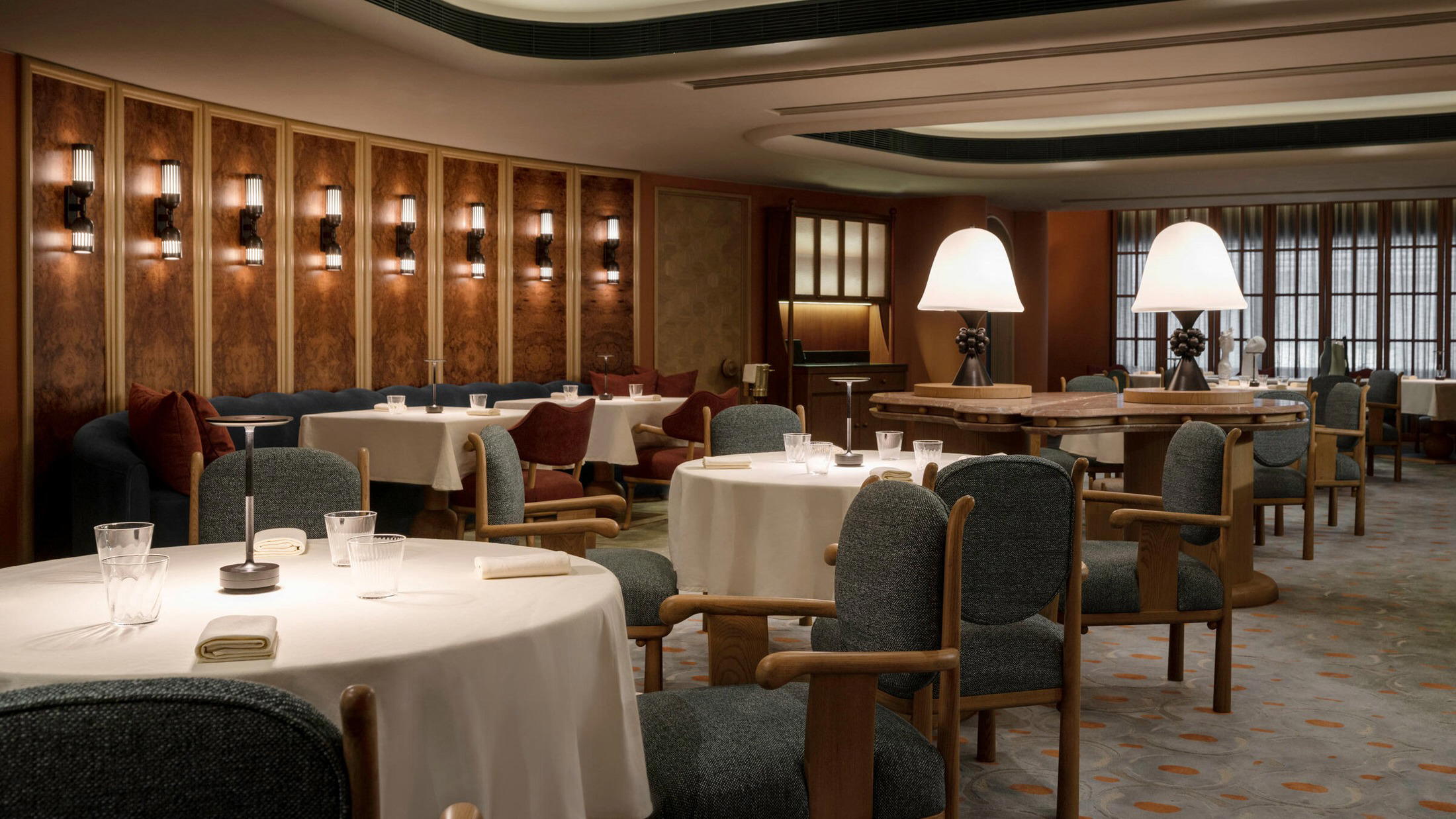
Restaurants in Hong Kong
Browse all →
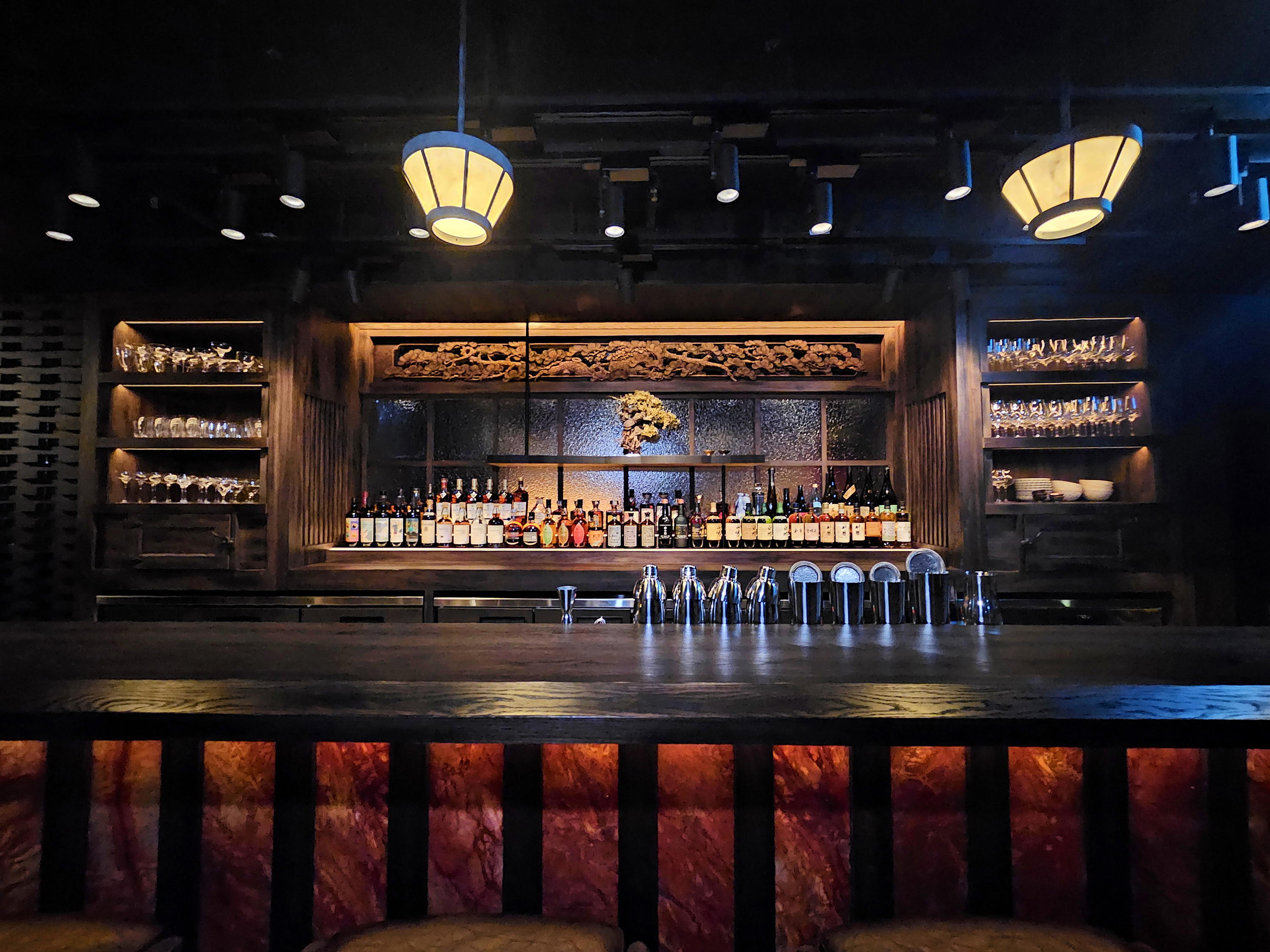
Bars in Hong Kong
Browse all →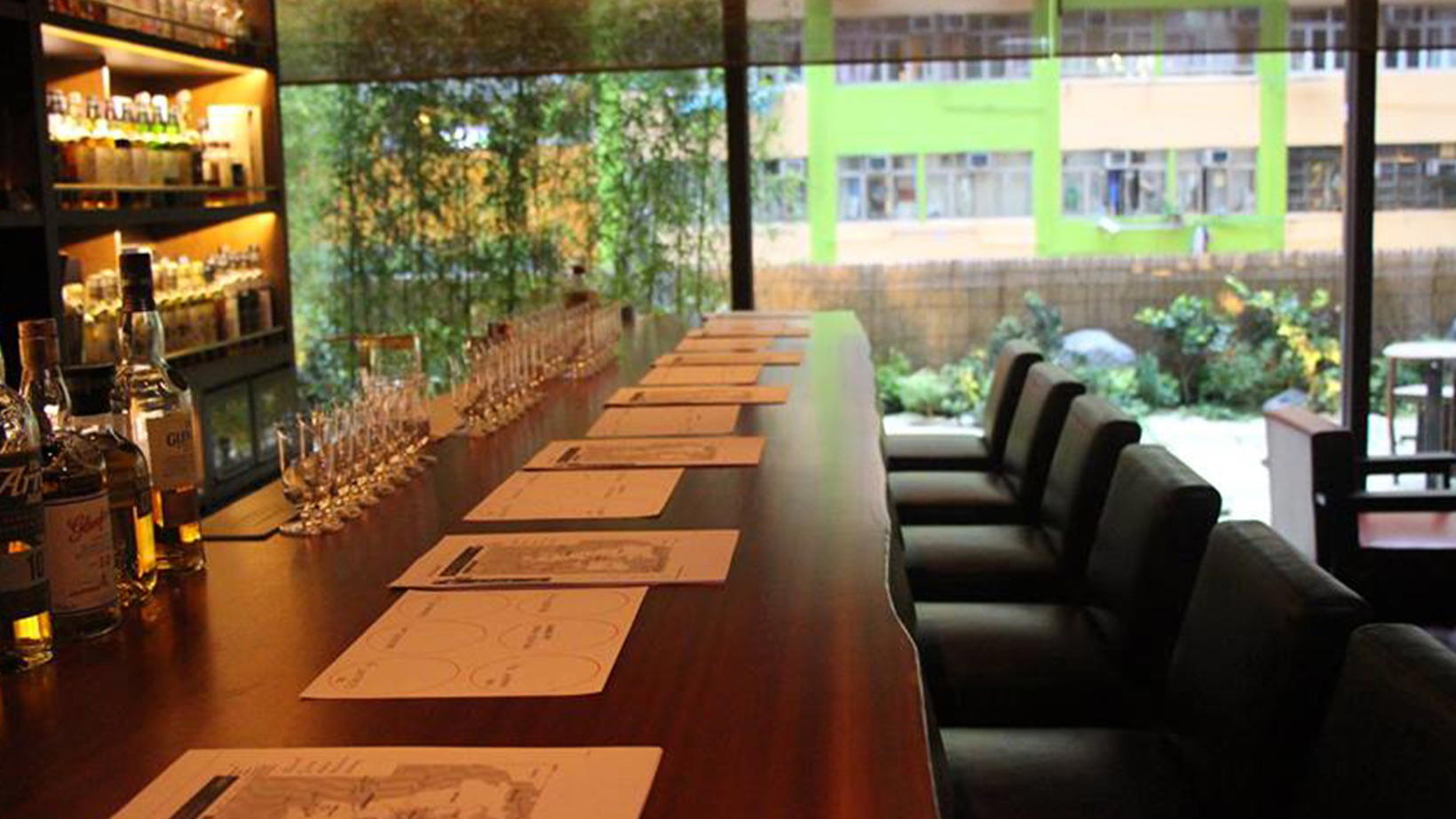
At a Glance
- Elegant
- Sophisticated
- Classic
- Business Dinner
- Special Occasion
- Celebration
- Date Night
- Standalone
Current opening hours
- Monday
- 12–3 PM, 6–11:30 PM
- Tuesday
- 12–3 PM, 6–11:30 PM
- Wednesday
- 12–3 PM, 6–11:30 PM
- Thursday
- 12–3 PM, 6–11:30 PM
- Friday
- 12–3 PM, 6–11:30 PM
- Saturday
- 12–3 PM, 6–11:30 PM
- Sunday
- 12–3 PM, 6–11:30 PM
Hours can change for holidays and private events. Last verified .
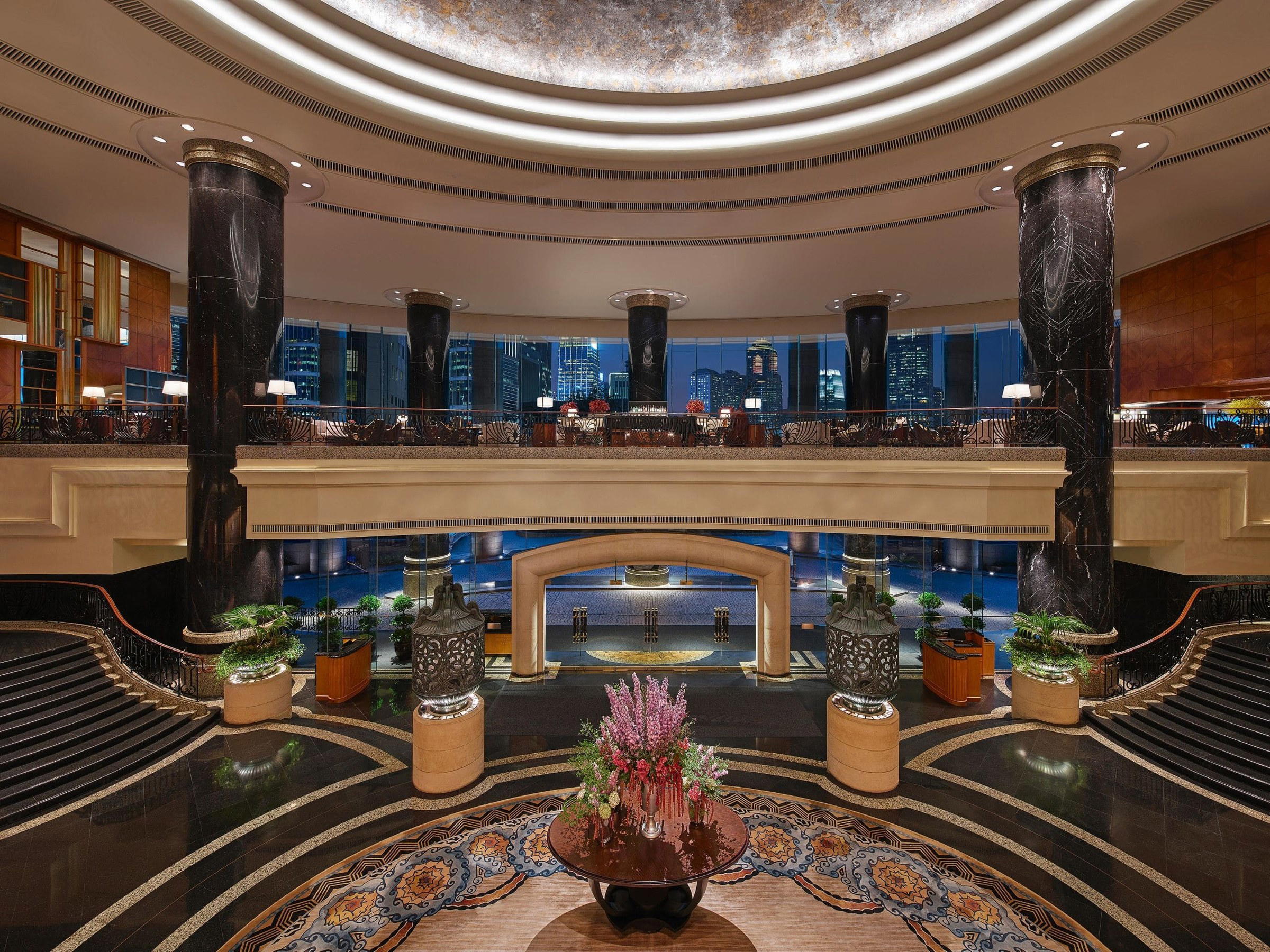
Refined and elegant, with a polished high-end Chinese dining-room atmosphere suited to a Michelin-starred regional cuisine experience.