





2 Michelin Stars · La Liste Top Restaurants · Black Pearl 1 Diamond
Our verdict
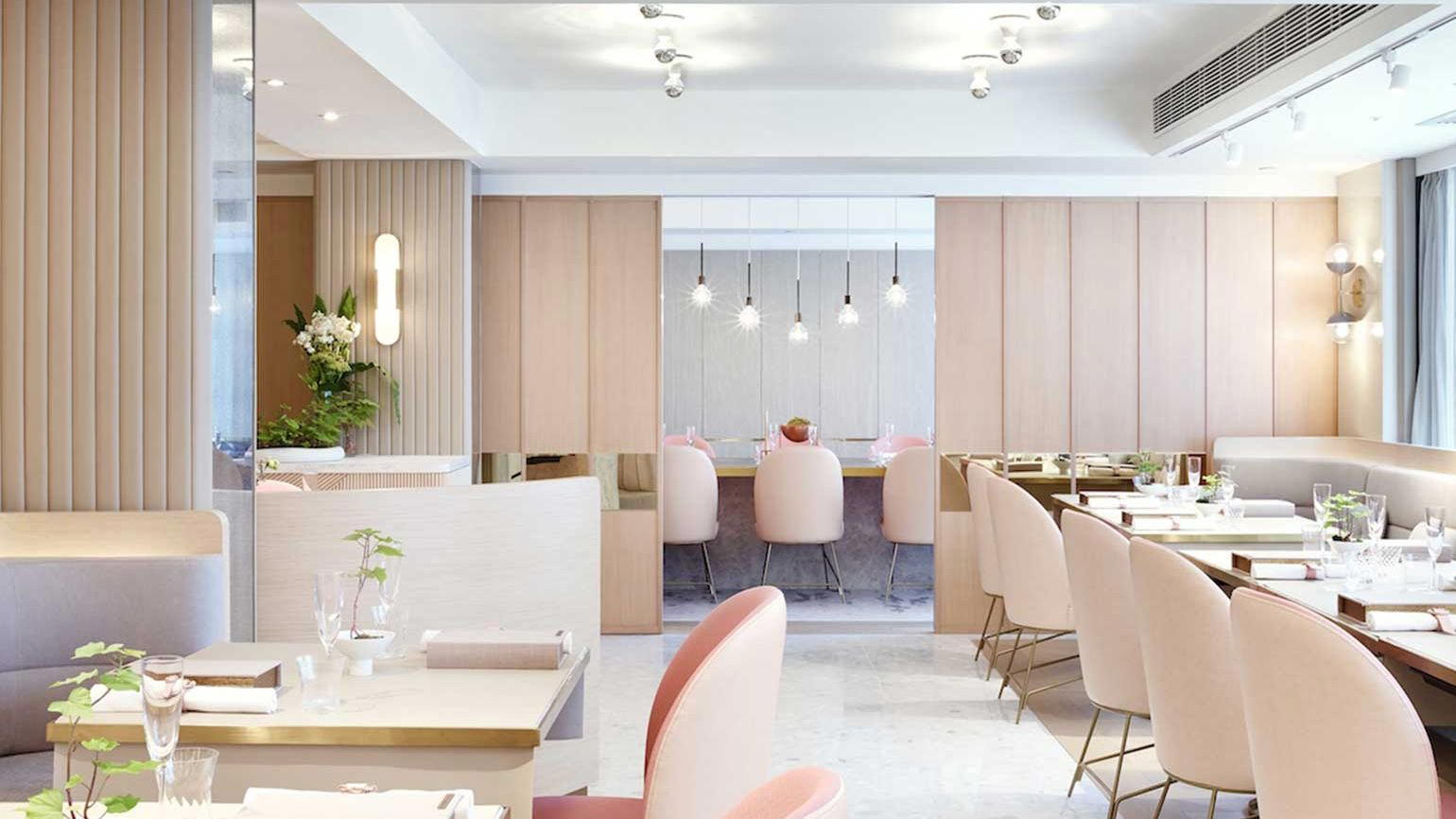
At Tate Dining Room and Bar, Chef Vicky Lau crafts an elegant symphony of French technique and Asian sensibility, translating seasonal ingredients into refined, artful courses. Set along Hollywood Road, the intimate salon-like space glows with hushed elegance—soft blush tones, sculptural lighting, and porcelain-like plating that frames each dish as a contemplative work. Expect a disciplined tasting journey that balances precision with poetry: umami-laced broths met by delicate crustaceans, lacquered vegetables revealing hidden sweetness, and desserts that echo the menu’s narrative finesse. A thoughtful wine program, with Old World benchmarks and rare boutique finds, invites bespoke pairings that elevate every course. This is culinary storytelling for those who savor nuance, discretion, and the quiet thrill of discovery.

Pearl is the En Primeur Club membership app, where members save venues, book tables and use the concierge.
The menu
What to order
- Ode to Scallop
- Ode to Century Egg
- Ode to Mushroom
Hollywood Road at the Fine-Dining Register
Hollywood Road runs from Central into Sheung Wan carrying a particular density of gallery spaces, antique dealers, and heritage shophouses. At number 210, that density provides a particular kind of framing: a neighbourhood associated with considered taste and slow looking, which makes it an apt address for a restaurant that approaches each plate with comparable deliberateness. Tate Dining Room and Bar operates at the leading price tier in a city whose fine-dining field is genuinely crowded, and the address signals something about its positioning before you open the door.
Hong Kong's multi-starred dining scene is structured around a handful of culinary traditions that have found durable local form. French technique applied to Chinese ingredients and sensibility is one of the more demanding of those traditions to execute with any coherence, because both sides of the equation carry serious internal logic. Tate, under chef Vicky Lau, has held two Michelin stars continuously through both 2024 and 2025, which places it in the narrower tier of restaurants in the city where that cross-cultural ambition has been sustained over time rather than attempted episodically.
The Cuisine: Where Chinese Ingredient Logic Meets French Structural Thinking
The cuisine category listed for Tate is Chinese French, which in practice describes a lineage of cooking that has produced some of the more intellectually serious menus in Asia. The discipline involves applying French-trained compositional thinking, sauce work, and precision to a Chinese ingredient vocabulary that carries its own long technical history. It is not fusion in the casual sense. It is a method that requires the kitchen to command both traditions with enough fluency that the seams are invisible rather than the point.
That approach places Tate in a specific peer group within Hong Kong's multi-starred tier. Ta Vie operates in adjacent territory, working a Japanese-French synthesis at comparable ambition. Amber represents a different version of French Contemporary anchored to European technique. Caprice holds to a more classically French register. Each stakes out distinct ground, and Tate's Chinese-French positioning is the element that most clearly differentiates its ingredient logic from those peers.
Internationally, the cross-cultural synthesis model has produced some of the more durable two- and three-starred restaurants of the past two decades. Restaurants such as Atomix in New York City, working Korean and European techniques simultaneously, or Arzak in San Sebastián, where Basque tradition and creative modernism coexist at three-star level, demonstrate that the model rewards commitment over novelty. Tate's sustained Michelin recognition suggests its version of that commitment is similarly grounded.
Recognition and Where It Sits in the Rankings
Two Michelin stars for consecutive years is not a staging post on the way to three; it is its own stable category, one that in Hong Kong designates cooking of sufficient technical achievement and consistency to be treated as a serious destination. Tate has earned that designation in both 2024 and 2025. Beyond Michelin, the Opinionated About Dining rankings place it at number 52 in Asia for 2025 and number 49 for 2024, with a 2023 appearance at number 67, indicating a trajectory that has moved upward over the past three years. La Liste scores it at 79 points in 2025 and 76 points in 2026, and the Black Pearl guide awarded it one diamond in 2025. These are four separate assessment systems with different methodologies arriving at consistent conclusions, which is the kind of cross-validation that tells you something real about a kitchen's reliability.
For comparison, two-starred peers in other cities at this price point and culinary register include restaurants such as Le Bernardin in New York City, where technical precision and ingredient focus have sustained recognition across decades, or Alléno Paris au Pavillon Ledoyen, where classic French foundations support more experimental contemporary work. Tate belongs in a global conversation about what sustained multi-star cooking looks like when the underlying culinary synthesis is genuinely ambitious.
Freshness as Philosophy: The Ingredient Logic
The editorial angle that matters most at a restaurant of this type is not the plating aesthetic or the tasting menu format, both of which are table stakes at the two-star level. It is the question of how the kitchen sources and treats its primary ingredients. Chinese cooking traditions, including Cantonese specifically, have long placed live-selection and market-weight freshness at the centre of quality signals. The live tank in a high-end Cantonese restaurant, such as those you find at Forum, is not theatre; it is a statement about ingredient condition as the foundation of everything that follows.
A kitchen working Chinese-French synthesis inherits that ingredient logic from the Chinese side of its lineage. The French tradition contributes its own version of this through classical market cookery, where the produce dictates the menu rather than the reverse. When those two ingredient philosophies align, the result is a kitchen that treats freshness as structural rather than decorative. That is the frame in which Tate's cooking makes most sense: sourcing and ingredient condition are not a selling point but a prerequisite, and the technical work of the French side is in service of what the ingredients are already doing.
This places Tate in a broader conversation about how high-precision kitchens handle marine produce across different culinary cultures. Restaurants such as Aponiente in El Puerto de Santa María have made ingredient provenance and ocean ecology central to their creative argument. At the two-star level across Asia, the standard expectation is that seafood arrives in the kitchen that morning, and the menu shifts accordingly.
Sheung Wan in Context
The location on Hollywood Road positions Tate at the western edge of the Central-Sheung Wan corridor, which has become over the past decade one of Hong Kong Island's more concentrated zones for serious independent dining. The neighbourhood carries less of the corporate dining traffic that dominates Central's financial district blocks, and the gallery density along Hollywood Road tends to attract a clientele for whom considered spending on a meal fits naturally alongside considered spending on art. That context shapes the dining room atmosphere in practical ways: the room tends to run quieter than hotel dining rooms at comparable price points, and the pace of service reflects an expectation that guests are there for two hours or more rather than turning tables.
For broader Hong Kong planning, the full range of dining options across price points and cuisines is covered in our full Hong Kong restaurants guide. For those building a complete itinerary, our full Hong Kong hotels guide, our full Hong Kong bars guide, our full Hong Kong wineries guide, and our full Hong Kong experiences guide cover the city's full premium tier.
Other restaurants worth considering in the same price bracket and creative register include 8 1/2 Otto e Mezzo Bombana for Italian fine dining at three-star level, and the previously noted Amber and Caprice for French-leaning options. Further afield in comparable culinary ambition, Alain Ducasse at Louis XV in Monte Carlo, Lazy Bear in San Francisco, and Emeril's in New Orleans illustrate how the top tier of destination dining takes different forms across different culinary traditions.
Planning Your Visit
Address: 210 Hollywood Road, Sheung Wan, Central, Hong Kong. Budget: The price range is at the top tier ($$$$), consistent with two-Michelin-starred dining in Hong Kong. Reservations: Booking well in advance is advisable given the restaurant's sustained recognition across multiple guides; exact booking channels were not confirmed at time of publication. Dress: Smart dress is the standard expectation at this price point in Hong Kong; the gallery-adjacent neighbourhood context leans slightly less formal than hotel fine dining rooms but still expects considered attire. Timing: The OAD ranking trajectory upward from 2023 to 2025 suggests demand has increased, making earlier reservation planning sensible.
Frequently Asked Questions
- Is Tate Dining Room and Bar suitable for children? At the leading price tier in one of Asia's most competitive fine-dining cities, this is not a practical choice for young children.
- How would you describe the vibe at Tate Dining Room and Bar? If you are accustomed to the more formal register of Hong Kong's hotel dining rooms, Tate will feel slightly more intimate in scale; if the two-star recognition and $$$$ pricing are your guide, expect a room that takes the food seriously and paces the meal accordingly, with a Sheung Wan gallery-neighbourhood calm rather than Central corporate energy.
- What should I order at Tate Dining Room and Bar? The Chinese-French cuisine category and two-star Michelin recognition, held consecutively in 2024 and 2025 under chef Vicky Lau, point toward a tasting menu format where the kitchen's synthesis of both traditions is demonstrated across multiple courses rather than in a single dish; the OAD top-52 Asia ranking confirms this is a kitchen with the range to sustain that format at a high level throughout a full meal.
Cuisine and Credentials
| Venue | Cuisine | Price | Awards | Notes |
|---|---|---|---|---|
| Tate Dining Room and BarThis venue (the venue you are viewing) | Modern French-Chinese Fusion | $200–300 | 2 Michelin Stars · La Liste Top Restaurants | Not listed |
| 8 1/2 Otto e Mezzo Bombana (Hong Kong) | 3 Michelin-Star Italian Fine Dining | $200–300 | 3 Michelin Stars · World's 50 Best #94 | Italian |
| Ta Vie | Modern French-Japanese Fine Dining | $300–500 | 3 Michelin Stars · World's 50 Best #68 | Japanese - French, Innovative |
| Caprice | Contemporary French Fine Dining | $200–300 | 3 Michelin Stars · World's 50 Best #35 | French, French Contemporary |
| Feuille | Modern Vegetable-Forward French | $200–300 | 1 Michelin Star · World's 50 Best #93 | French Contemporary |
| Neighborhood | Modern French with Asian Influences | $50–100 | 1 Michelin Star · World's 50 Best #24 | International, European Contemporary |
Recognition history
Dated appearances from independent guides and award organizations, with the underlying list record or original source where available.
Michelin 2 Stars
Michelin
La Liste Top Restaurants
La Liste
Black Pearl 1 Diamond
Black Pearl
Opinionated About Dining Top Restaurants in Asia Ranked #81
Opinionated About Dining
SCMP 100 Top Tables Restaurants
SCMP 100 Top Tables
Full recognition history (14 entries)
Black Pearl 1 Diamond
Black Pearl
La Liste Top Restaurants
La Liste
Michelin 2 Stars
Michelin
Opinionated About Dining Casual in Europe Ranked #569
Opinionated About Dining
Opinionated About Dining Top Restaurants in Asia Ranked #52
Opinionated About Dining
The Best Chef Two Knives
The Best Chef
Michelin 2 Stars
Michelin
Opinionated About Dining Top Restaurants in Asia Ranked #49
Opinionated About Dining
Opinionated About Dining Top Restaurants in Asia Ranked #67
Opinionated About Dining
Continue exploring
More in Hong Kong
Restaurants in Hong Kong
All restaurants in Hong Kong →
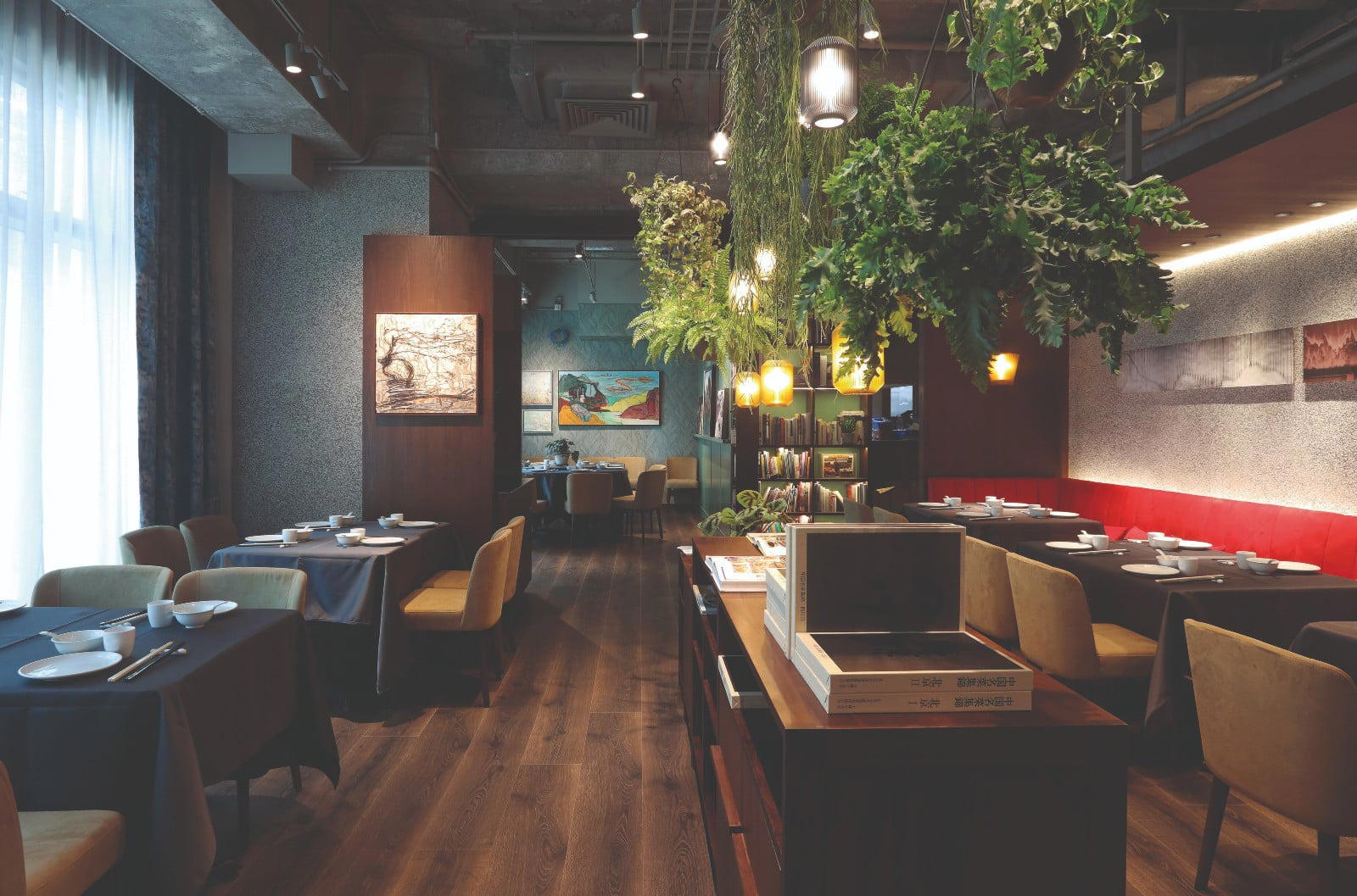
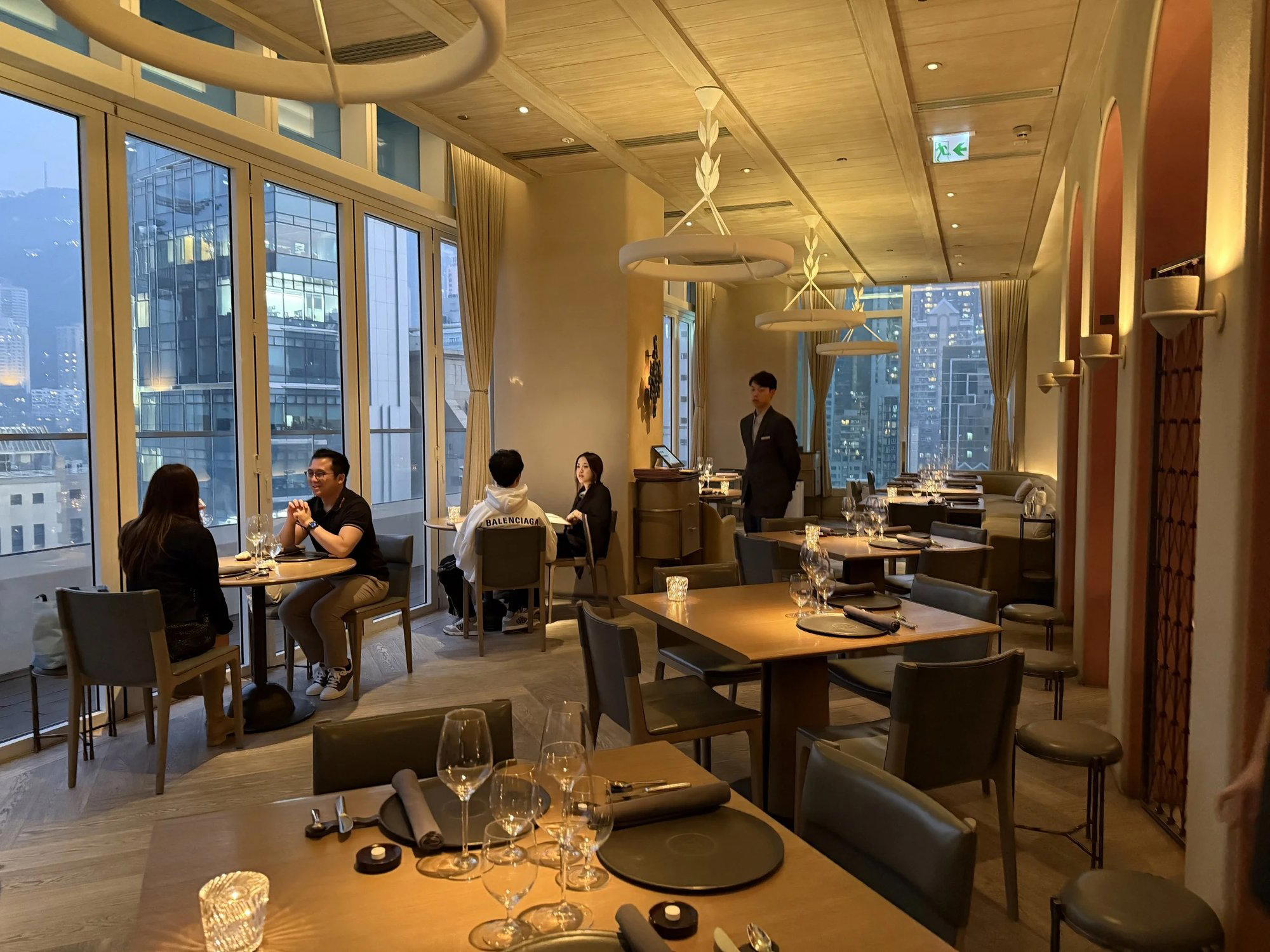
Bars in Hong Kong
All bars in Hong Kong →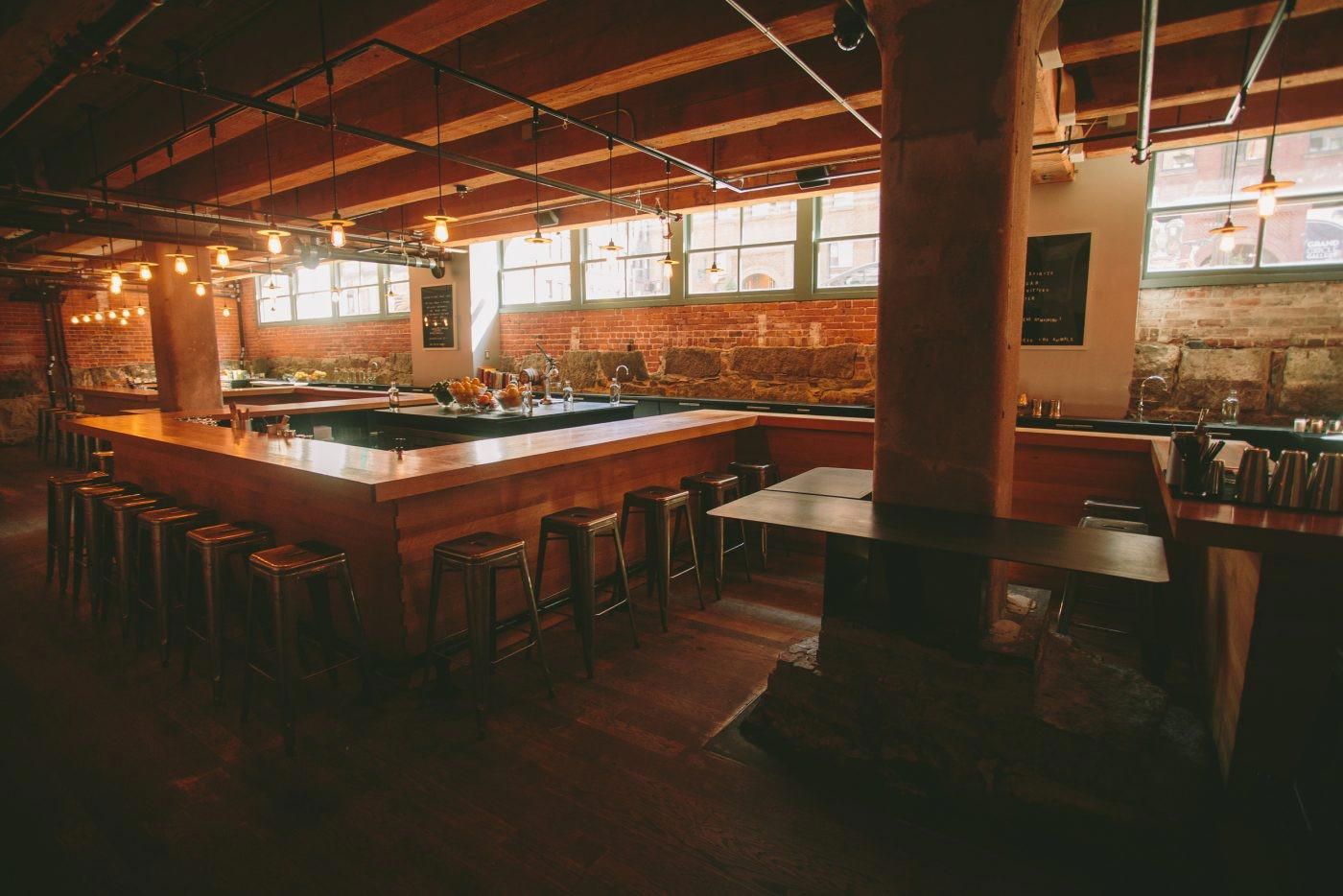
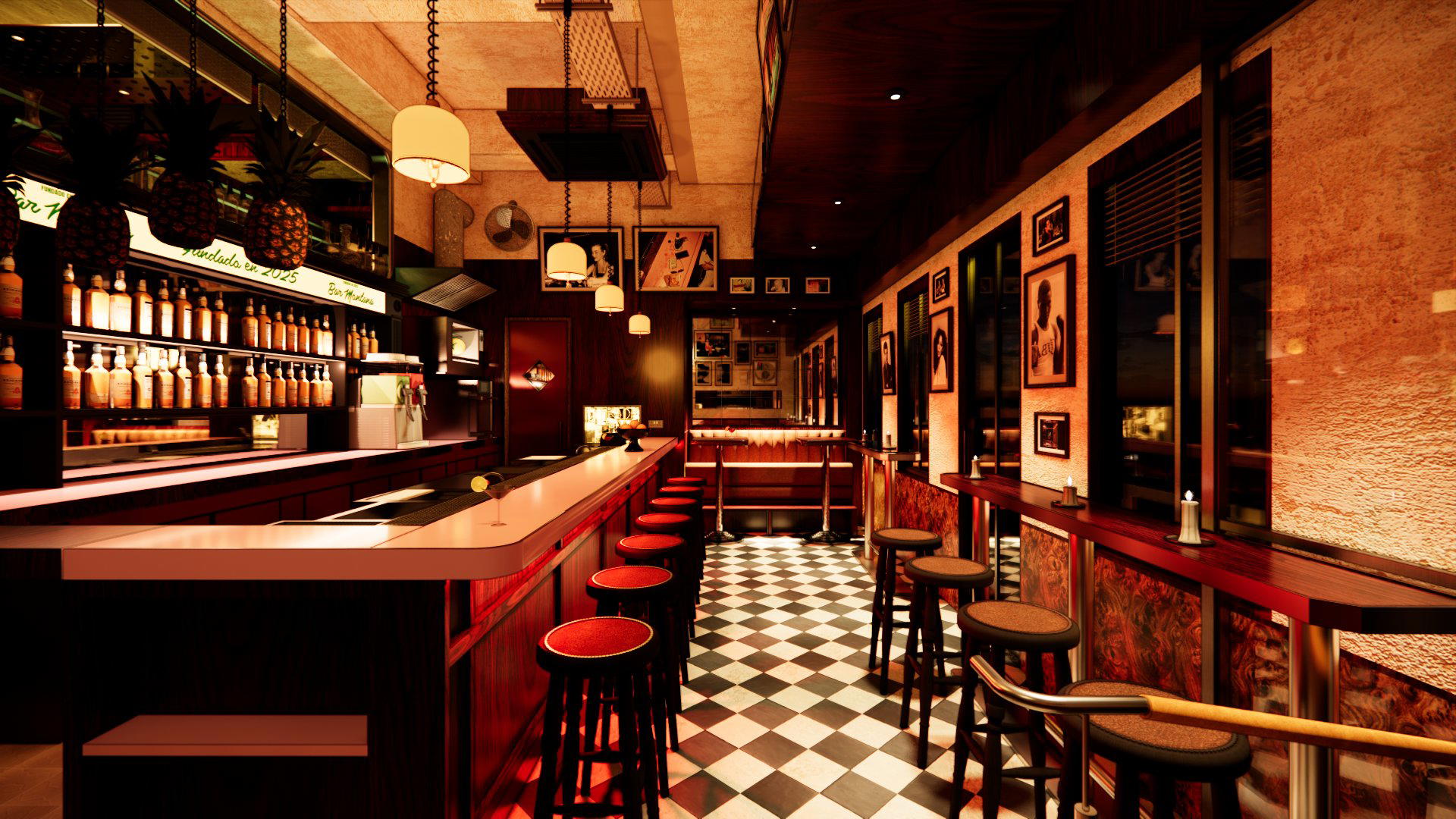
Hotels in Hong Kong
All hotels in Hong Kong →
Wineries in Hong Kong
All wineries in Hong Kong →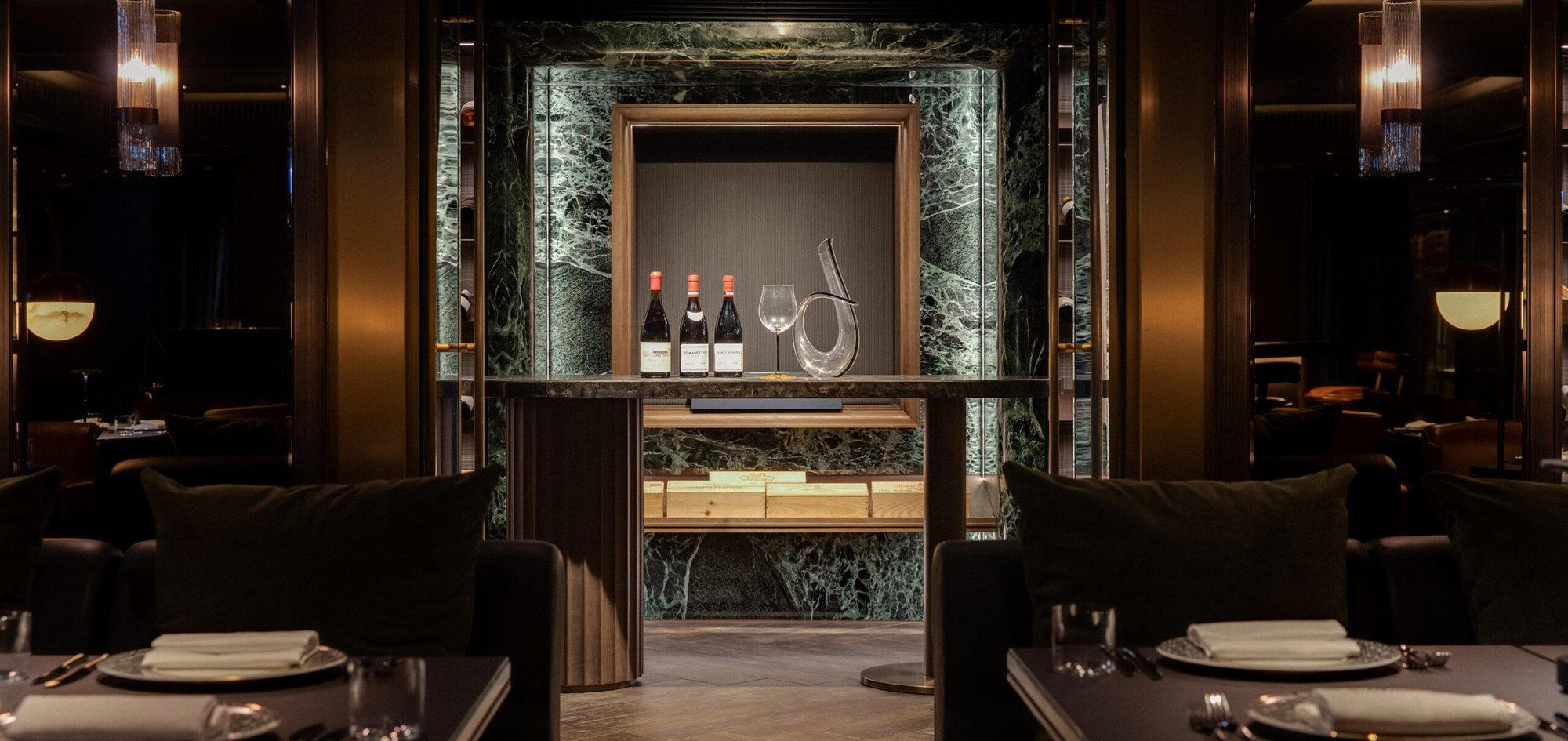
Details
- Elegant
- Intimate
- Sophisticated
- Romantic
- Date Night
- Special Occasion
- Celebration
- Private Dining
- Hotel Restaurant
- Extensive Wine List
- Tasting Menu
- Vegetarian Friendly
Current opening hours
- Monday
- Closed
- Tuesday
- 6–10 PM
- Wednesday
- 6–10 PM
- Thursday
- 6–10 PM
- Friday
- 12–3:30 PM, 6:30–10 PM
- Saturday
- 12–3:30 PM, 6:30–10 PM
- Sunday
- Closed
Hours can change for holidays and private events. Hours as of .
Intimate and feminine interior with neutrals, gold, muted pinks, soft lighting, pastel velvet banquettes, and botanical gold wallpaper creating a sophisticated and comfortable atmosphere.