


Michelin Guide New Hotels New Hotel · Michelin Selected · Forbes Recommended
Four Seasons Hotel Shenzhen sits in Futian District at 138 Fuhua Third Road, anchoring the city's business and leisure circuit with three distinct dining venues, a full-service spa, and accommodations ranging from 463-square-foot Deluxe Rooms to a 5,113-square-foot Presidential Suite. The hotel holds its place in Shenzhen's upper tier of international luxury addresses alongside peers such as the Ritz-Carlton and Mandarin Oriental.

Pearl is the En Primeur Club membership app, where members save venues, book tables and use the concierge.
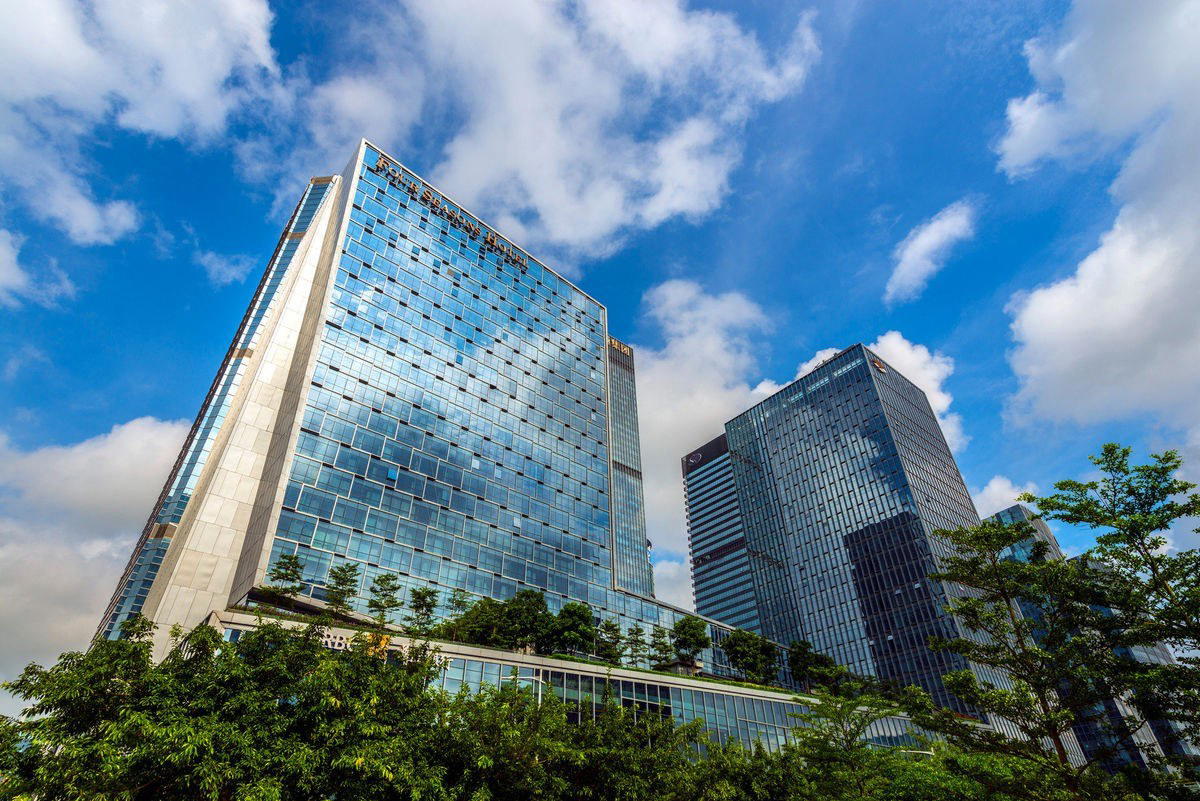
Where Futian's Business Core Meets a Considered Dining Programme
Shenzhen's Futian District has become the city's administrative and financial spine, and the concentration of international luxury hotels along Fuhua Road reflects that status directly. In a district where business travel sets the pace, the property's design signals read clearly: purple carpets, hand-painted cloud murals, and bathroom mirrors with embedded screens are choices that telegraph considered style rather than anonymous corporate comfort.
That consistency matters in a city where the luxury tier has expanded quickly and where guests calibrate expectations against a competitive field that also includes The Langham, Shenzhen, Raffles Shenzhen, and Andaz Shenzhen Bay.
Three Venues, Three Registers of Eating
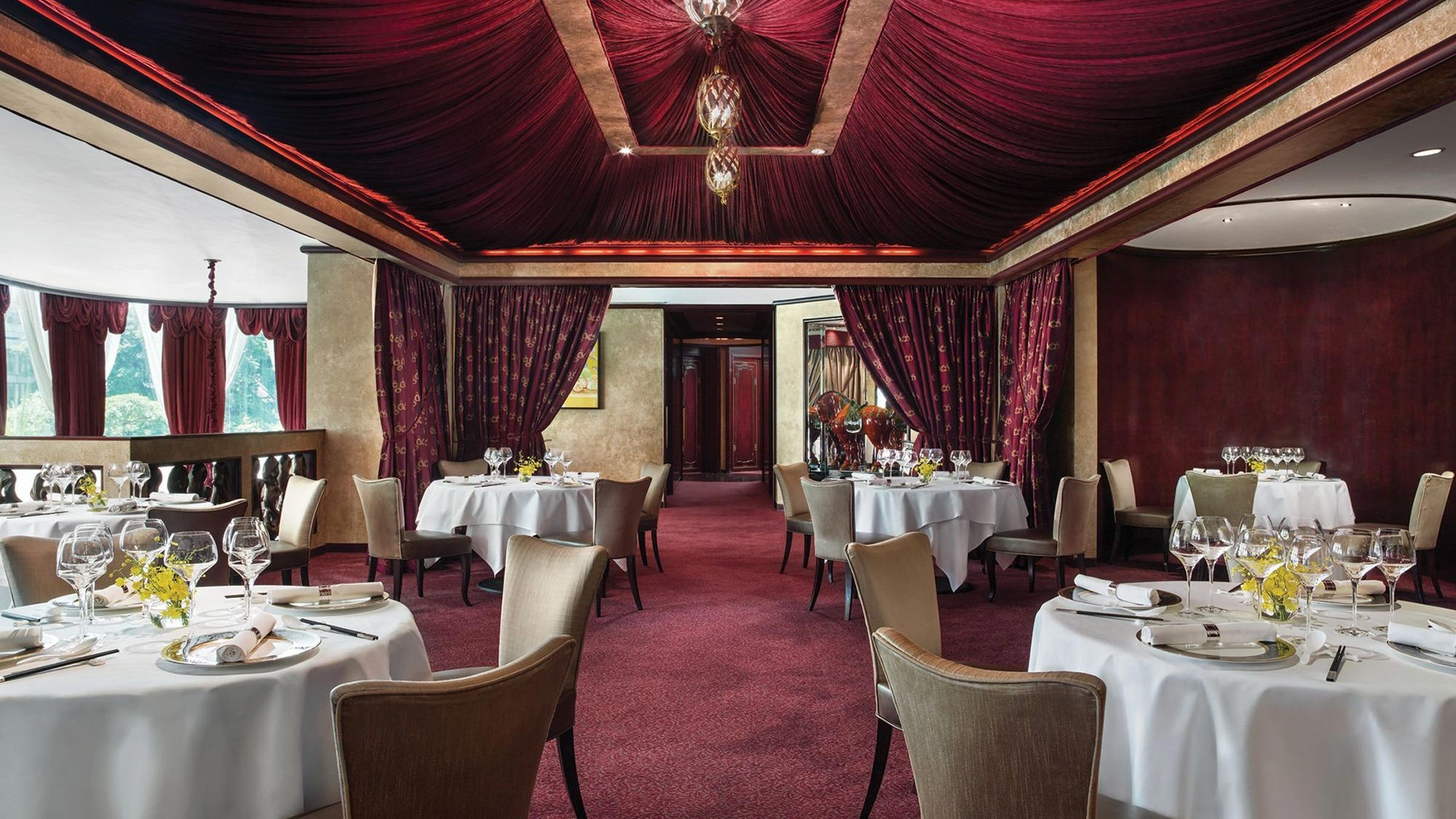
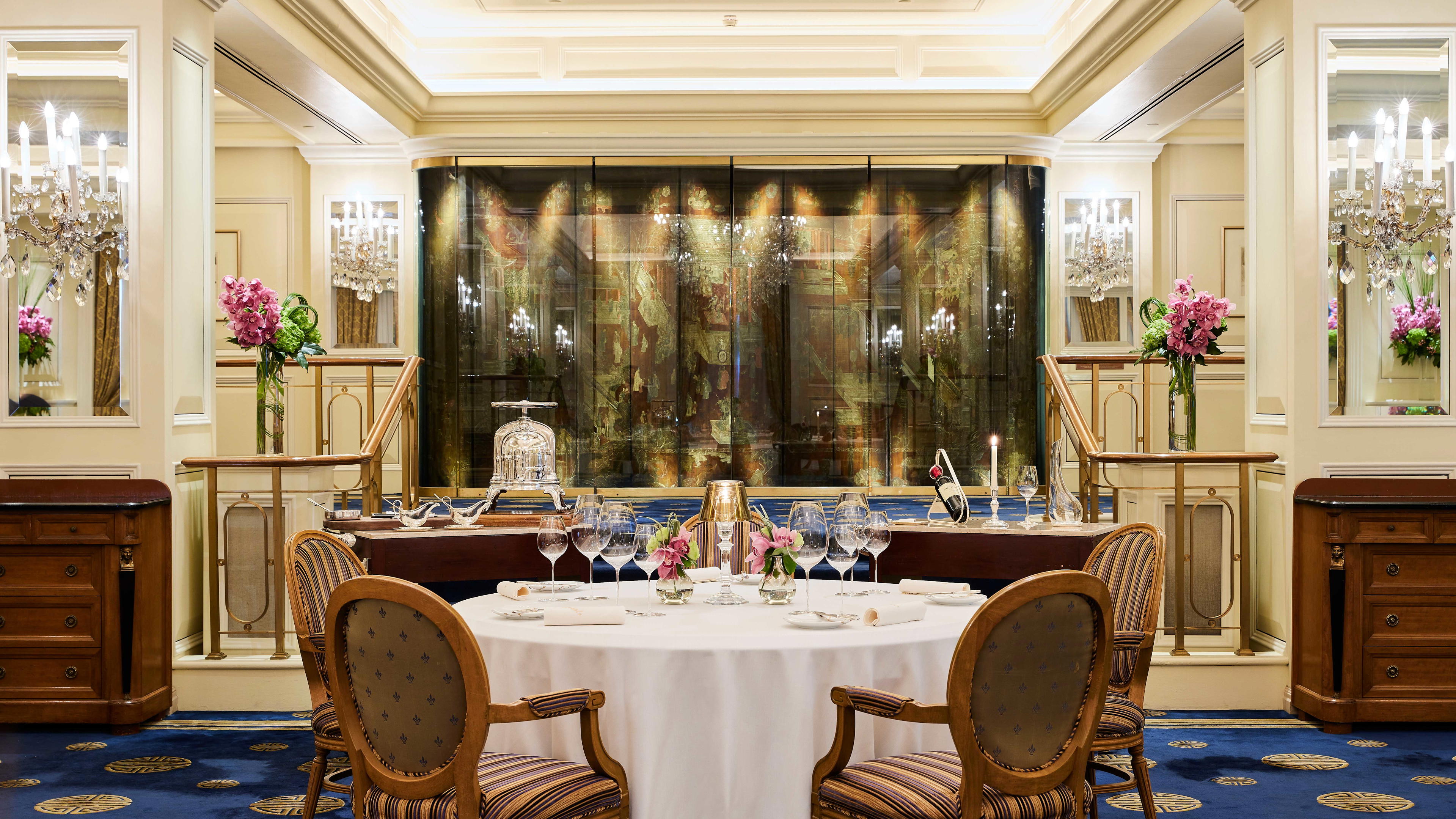
Hotel dining in Chinese cities has moved well past the era when a single all-day restaurant covered every occasion. Shenzhen's upper-tier properties now maintain differentiated programmes, and the Four Seasons runs three distinct outlets that address different dining registers without significant overlap.
Foo handles the broadest brief: Asian-inflected international cooking that gives business travellers a reliable option across lunch and dinner without committing to a single regional cuisine. This type of format has become the standard workhorse at international luxury hotels across mainland China, where a mixed guest profile demands range. The real editorial interest, though, lies in what the property has chosen to invest in alongside it.
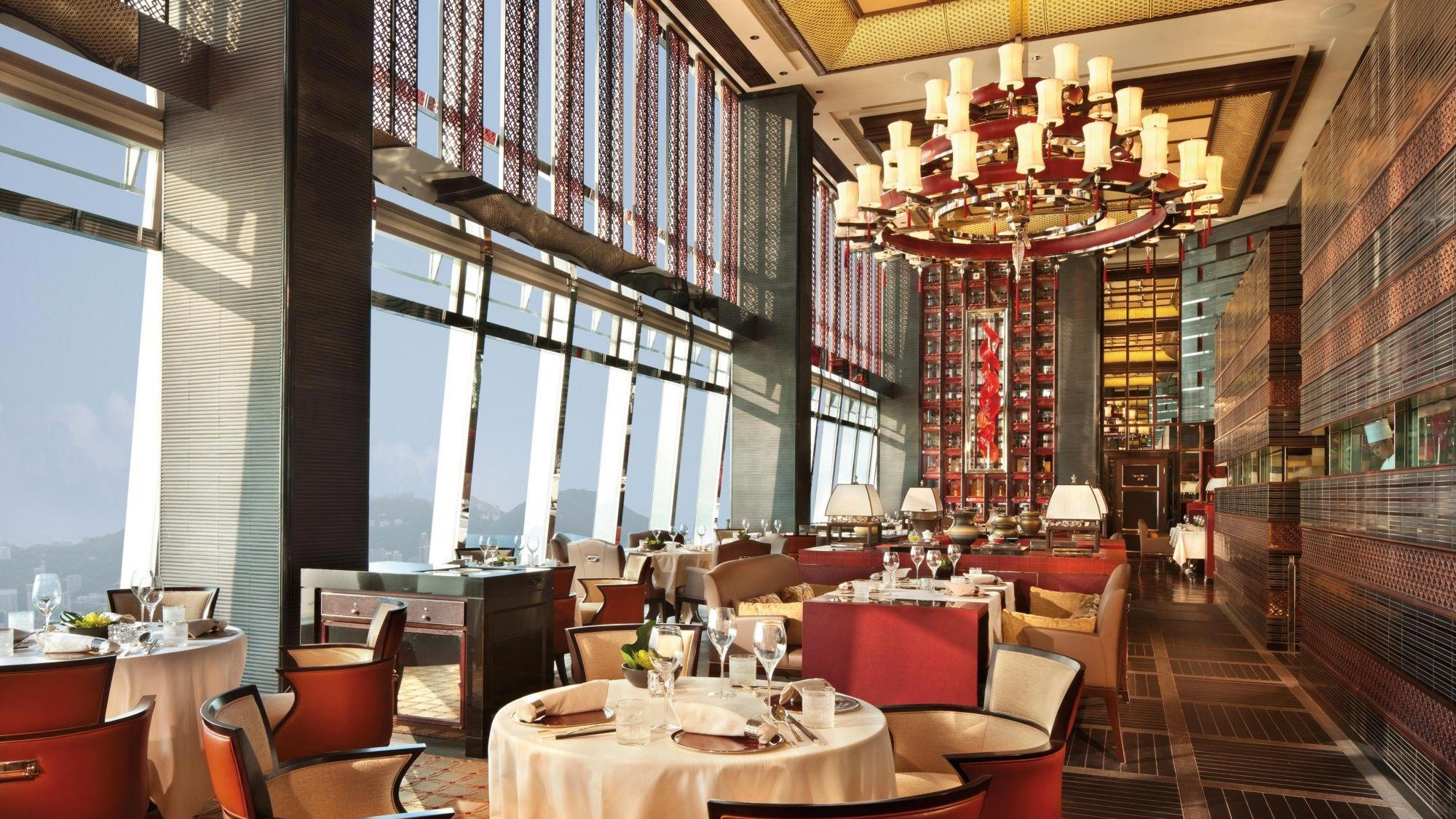
Zhuo Yue Xuan operates as the modern Cantonese room, and that positioning carries weight in Shenzhen. The city sits at the northern edge of the Pearl River Delta, a region where Cantonese cooking has deep roots and where guests, particularly those crossing from Hong Kong, arrive with calibrated expectations. Modern Cantonese at this tier in the Pearl River Delta context means technique-forward interpretations of regional classics, with sourcing and presentation pitched at the same level as the hotel's room product. Shenzhen's proximity to Hong Kong makes this a competitive category: guests who eat at three-star Cantonese rooms across the border are the same guests checking into suites at Futian's leading addresses.
Yi Bar and Lounge operates at a lighter frequency, covering cocktails and small bites, and anchors the property's afternoon tea programme. The daily tea service includes sweet potato scones, violet blueberry mascarpone, and Prague ham and sesame cheese rolls, a hybrid menu that mixes British format with regional flavour references, a pattern common across luxury hotel tea programmes in mainland China. For guests who want to reference this against the city's broader food and drink scene, our full Shenzhen restaurants guide maps the wider picture.
Rooms: From 463 Square Feet to the Presidential
Room sizing at international luxury hotels in mainland Chinese cities has tracked upward over the past decade, driven partly by domestic guest expectations and partly by the need to differentiate against a dense competitive field. The Four Seasons Shenzhen reflects that: the entry-level Deluxe Room starts at 463 square feet, which sits above the floor of what comparable Futian properties offer at entry tier. The Presidential Suite reaches 5,113 square feet, a scale that puts it in the conversation with the largest suite formats available in the city.
Suite and club room guests access the Executive Club Lounge, finished in marble with city views, and offering food and drinks through the day alongside a business centre. For a property where corporate travel makes up a significant portion of the guest mix, the lounge functions as a practical working base as much as a hospitality amenity. Parents travelling with children should note the property's active family programme: gratis welcome amenities for young guests, youth-focused itineraries, and Executive Club discounts for families with children.
For those comparing at the international chain level, properties such as Mandarin Oriental Qianmen in Beijing and JW Marriott Hotel Shanghai at Tomorrow Square offer useful reference points for how the top tier of international luxury hotel product reads across major Chinese cities. Further afield in China, properties like Amanfayun in Hangzhou and Amandayan in Lijiang represent a different model entirely, the design-led, lower-key alternative to the urban business-hotel format that defines Futian.
Wellness: Ancient Recipes and Modern Technology
Spa programming at Shenzhen's leading hotels has become a genuine point of differentiation rather than a checkbox amenity. The Four Seasons spa operates across two distinct treatment philosophies sitting under one roof: the Eaglewood Senses massage draws on traditional formulations, while the Gemology Rejuvenating facial uses contemporary technology. The combination reflects a broader pattern in Chinese urban luxury wellness, where guests expect both traditional Chinese medicine references and clinically positioned treatments in the same facility.
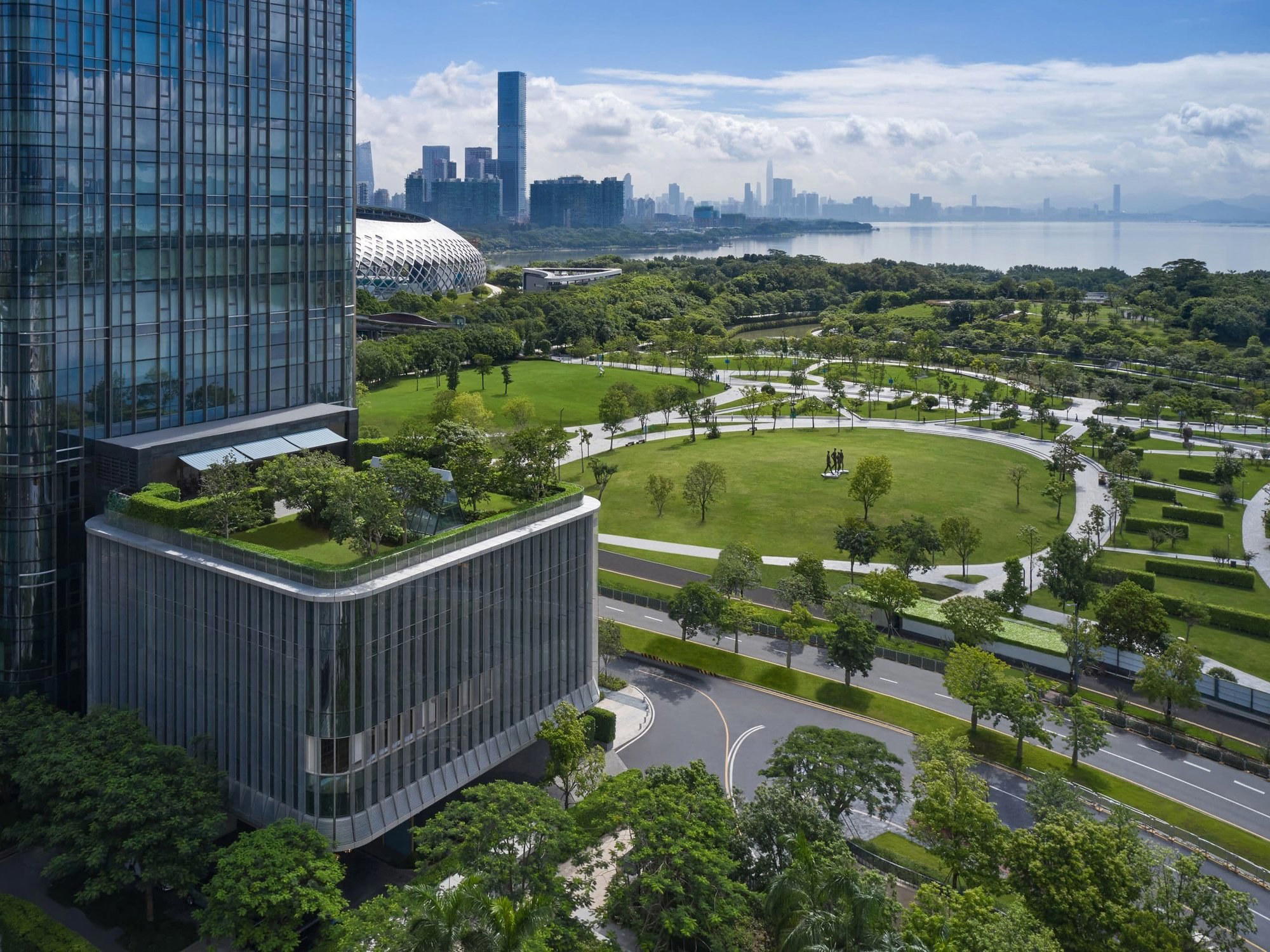
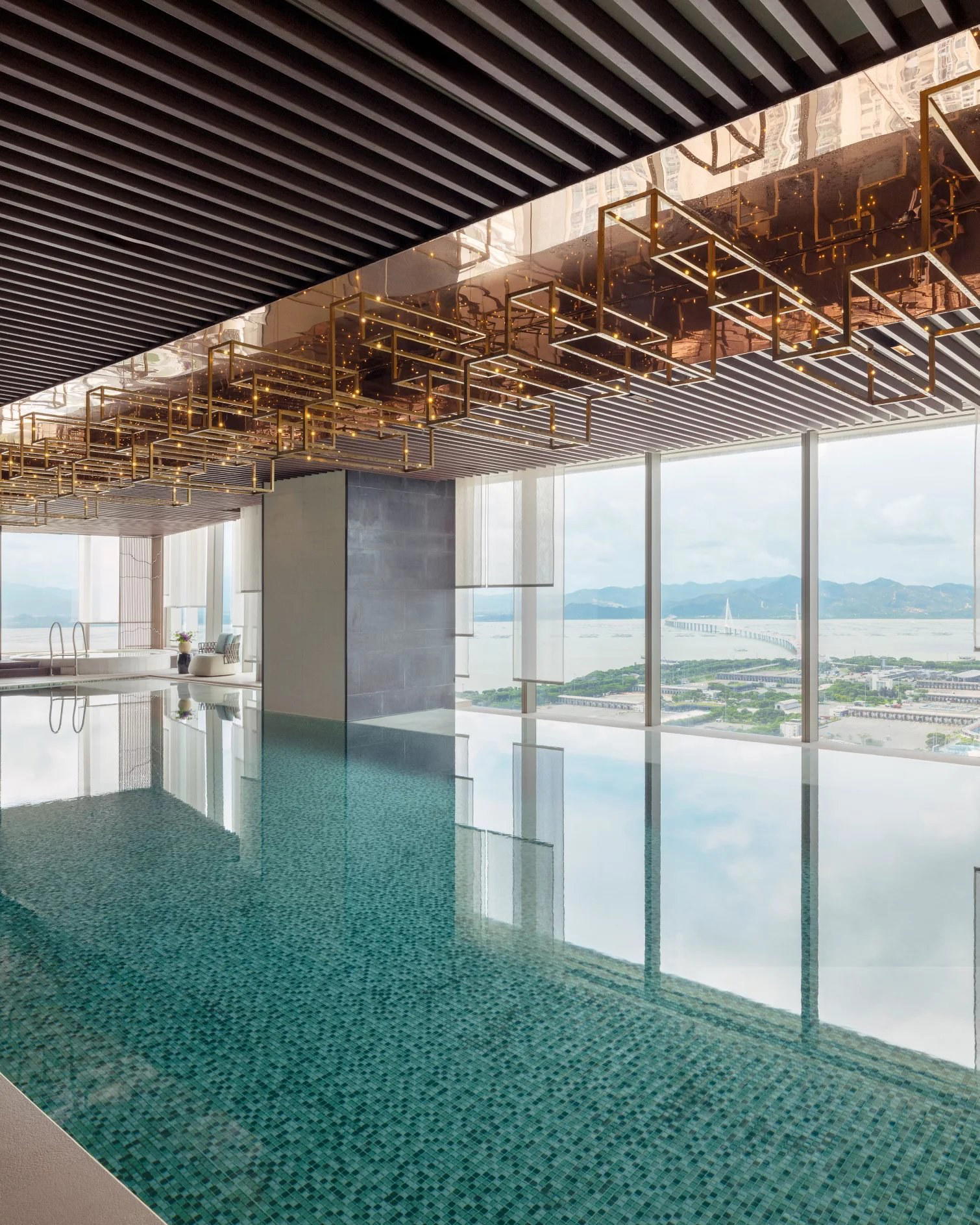
Beyond treatments, the wellness calendar extends to swimming lessons, tai chi classes, and yoga instruction. Tai chi and yoga classes take place on an alfresco deck, a deliberate design choice in a city where outdoor space within a hotel footprint carries a premium. Green spaces are distributed across the property, and an outdoor pool anchors the exterior programme. The indoor pool covers year-round use, a practical necessity in a subtropical climate where the warm season brings intense humidity and the cooler months make outdoor swimming less predictable.
Futian in Context
Shenzhen's hospitality market has matured significantly since the city's early development phase, when business hotels dominated and leisure travel was secondary. Futian now reads as a genuinely mixed-use district: the Futian CBD holds the major financial institutions and convention infrastructure, while Coco Park and the surrounding streets generate leisure and retail traffic. The Four Seasons' address on Fuhua Third Road puts guests within walking distance of both registers.
For travellers calibrating where the Four Seasons sits in Shenzhen's wider hotel hierarchy, the property competes directly with The St. Regis Shenzhen Bao'an and NOA Hotel Shenzhen at different points on the district and positioning spectrum. The Four Seasons brand carries consistent operational standards across its global portfolio, a factor that matters to international business travellers who move between properties and rely on predictable service architecture. Internationally, the brand's footprint spans properties from Aman New York-adjacent luxury addresses in New York City to the design-led properties that define European luxury, but the Shenzhen address operates squarely in the urban business-luxury register rather than the resort or heritage categories.
For those building a broader China itinerary around similar quality levels, Xiamen Yunding Resort and 1 Hotel Haitang Bay, Sanya represent the resort end of the premium Chinese hotel spectrum, while Altira Macau sits close enough geographically to merit consideration as part of a Pearl River Delta circuit. Properties like Vanke Lake Songhua Yunlu Hotel in Jilin and Mohe Youran Mountain Residence in Heilongjiang occupy an entirely different niche, nature-led escapes at the opposite end of the country from Shenzhen's urban density.
Planning Your Stay
The Four Seasons Hotel Shenzhen is located at 138 Fuhua Third Road, Futian District, Shenzhen, Guangdong Province, 518000. Room categories begin at Deluxe (463 square feet) and extend through suites to the 5,113-square-foot Presidential Suite. Suite and club room bookings carry access to the Executive Club Lounge. The spa, outdoor and indoor pools, gym, and all three dining outlets are available to hotel guests. Twenty-four-hour room service covers guests outside restaurant hours. The afternoon tea at Yi Bar and Lounge runs daily. Meetings and events infrastructure sits within the property. Booking is handled through the Four Seasons Hotels and Resorts central reservations system.
Budget Reality Check
Comparable venues nearby, for context on price, style, and recognition.
| Venue | Price | Awards | Notes |
|---|---|---|---|
| Four Seasons Hotel ShenzhenThis venue (the venue you are viewing) | Not listed | Michelin Guide New Hotels New Hotel · Michelin Selected | Not listed |
| Park Hyatt Shenzhen | $200–300 | 1 Michelin Key | Futian, Luxury contemporary design hotel positioned as a sophisticated urban sanctuary blending Asian heritage with modern technology. |
| The Langham, Shenzhen | $100–200 | Michelin Selected · Forbes Recommended | Futian, Refined luxury hotel with elegant British heritage in a premium urban district. |
| The Ritz-Carlton, Shenzhen | Not listed | Michelin Guide New Hotels New Hotel · Michelin Selected | Central Business District, Contemporary luxury high-rise in the heart of Shenzhen's CBD |
| The St. Regis Shenzhen | $300–500 | 1 Michelin Key · Michelin Guide New Hotels New Hotel | Luohu District, Ultra-luxury urban landmark hotel positioned as a destination for luminaries and informed travelers seeking bespoke butler service and sky-high experiences. |
| Intercontinental Shenzhen Dameisha Resort | $200–300 | Michelin Selected | Dameisha, Luxury beachfront resort with European-style buildings forming a Mediterranean street. |
Recognition history
Dated appearances from independent guides and award organizations, with the underlying list record or original source where available.
Michelin Guide New Hotels New Hotel
Michelin Guide New Hotels
Michelin Selected
Michelin
Forbes Recommended
Forbes
Full recognition history (4 entries)
Forbes Recommended
Forbes
Continue exploring
More in Shenzhen
Hotels in Shenzhen
All hotels in Shenzhen →
Bars in Shenzhen
All bars in Shenzhen →
Restaurants in Shenzhen
All restaurants in Shenzhen →
Wineries in Shenzhen
Browse all →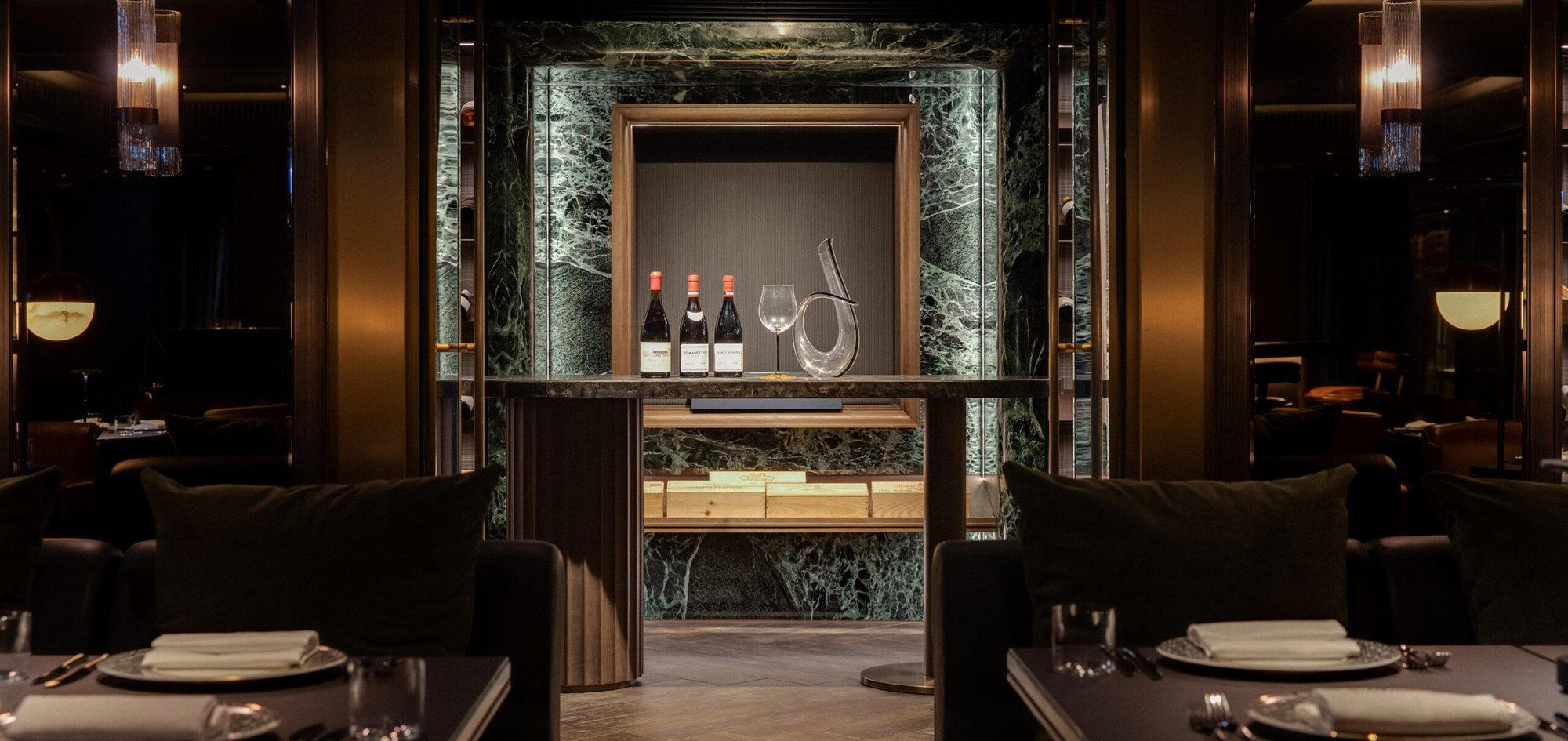
Details
- Elegant
- Sophisticated
- Modern
- Ornate
- Business Trip
- Romantic Getaway
- Family Vacation
- Rooftop Pool
- Panoramic View
- Terrace
- Pool
- Spa
- Fitness Center
- Room Service
- Concierge
- Business Center
- Wi Fi
- Valet Parking
- Skyline
- Garden
- Wheelchair Accessible
- Elevator
Light-filled rooms with natural light by day and sparkling city lights at night, creating a tranquil oasis amid the bustling city.