
Gyoza Kan belongs to Tokyo’s smaller, craft-focused dumpling tier, where the measure is not luxury signaling but repetition, counter rhythm, and the confidence to keep the format narrow. Its selection for Tabelog 100 Dumplings 2024 and compact counter setting make it a serious Setagaya address for travelers who want Tokyo’s casual dining culture without drifting into checklist eating.
Pearl is the En Primeur Club membership app — saves, bookings, and concierge access live there. Same editors, same standards.
- Address
- Japan, 〒156-0057 Tokyo, Setagaya City, Kamikitazawa, 4 Chome−29−19 アローハイツ上北沢 102
- Phone
- +81 90-2446-0229
- Website
- instagram.com
 Saves & bookings on Pearl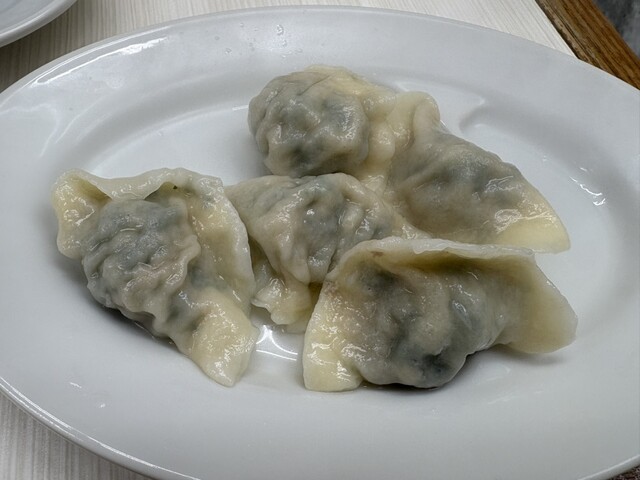
Approaching a small dumpling counter in western Tokyo changes the meal’s pace before anything reaches the table. The city’s high-end sushi and kaiseki rooms ask for ceremony; gyoza shops ask for timing, appetite, and a sharper reading of texture. In Setagaya, the mood is suburban, not theatrical: local rail traffic, evening regulars, and cooking where the difference between ordinary and serious sits in wrapper, filling, heat, and steam.
Gyoza Kan belongs to that Tokyo tradition. The format is compact, counter-led, and built around dumplings and Chinese cooking rather than a sprawling izakaya menu. Its selection for Tabelog 100 Dumplings 2024 gives it a clear credential in a category that rarely gets the same international attention as sushi counters or tempura rooms. That matters because Tokyo’s dumpling culture is easy to underestimate. The entry cost can be modest, the rooms plain, and the cooking simple-looking until the standard drops and the plate turns heavy.
Setagaya gyoza culture rewards focus over spectacle
Tokyo has two casual-dining circuits. One is visitor-facing, clustered around stations where English menus, late hours, and visual novelty do much of the work. The other is residential and repetitive: ramen, soba, curry, yakitori, dumplings, and small Chinese counters serving neighborhoods that judge by return visits rather than décor. Gyoza Kan sits in the second circuit, closer in spirit to specialist ramen and soba rooms than to trend-driven dining.
The comparison helps. Ramen Koike, SOBA-Shiro Kuro, Seijo Seika, and Sakurajosui Funakoshi all operate in Tokyo’s low-to-mid everyday dining band, where narrow specialization outweighs luxury cues. A dumpling counter in this company is not competing with tasting-menu restaurants. It competes on repetition: the same craft, served often, at a level high enough to earn a place in a category-specific Japanese guide.
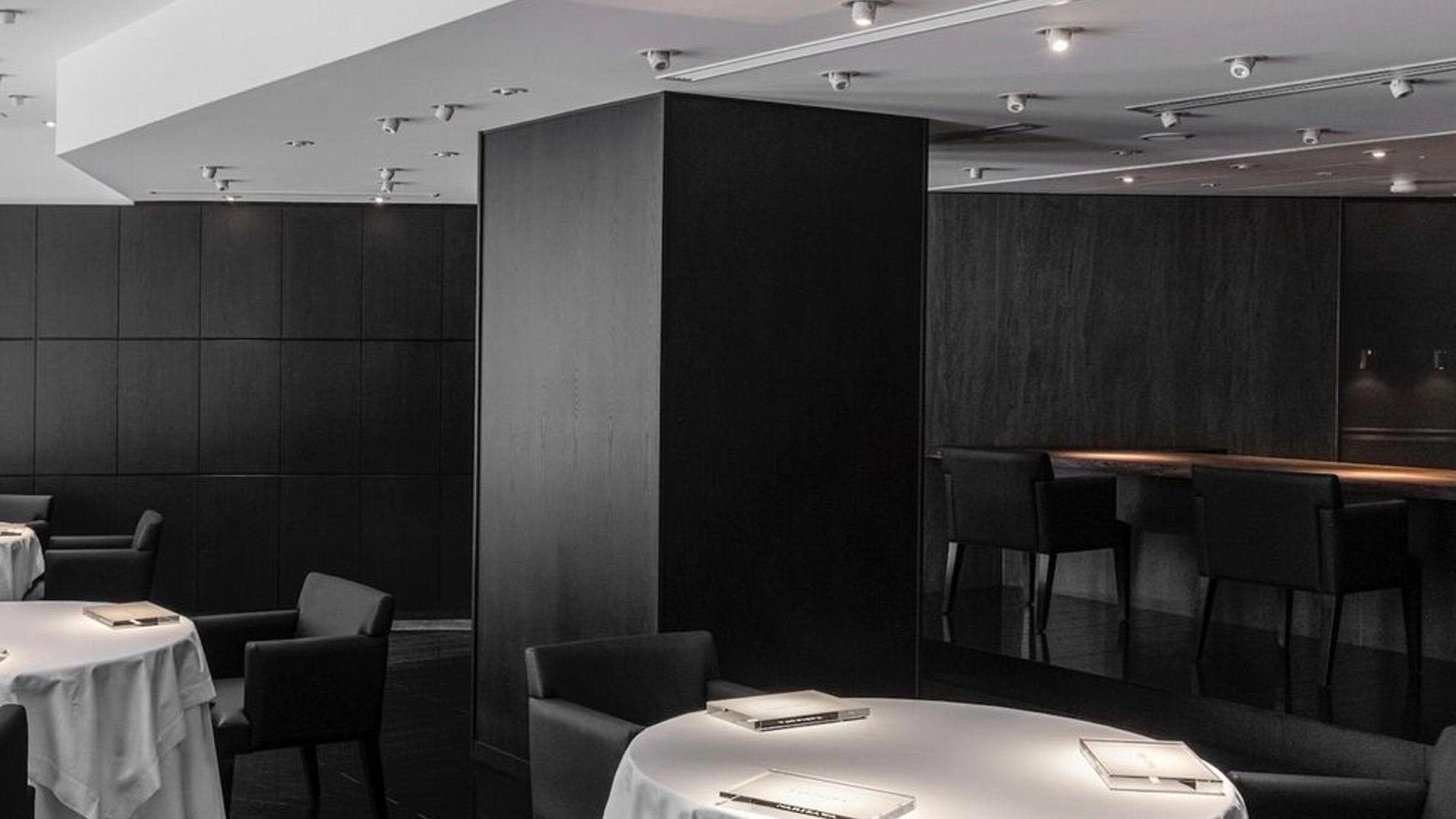
That focus also explains why the room matters. Thirteen counter seats make the experience closer to watching a short-form kitchen rhythm than settling into a long restaurant evening. Counter dining in Tokyo is not automatically formal; here it can be brisk, practical, and revealing. The diner sees the pace, the handoff, the narrow working space, and how a specialist shop organizes demand without dressing it as performance.
For broader Tokyo planning, this stop pairs better with neighborhood eating than luxury restaurant chasing. EP Club’s full Tokyo restaurants guide maps it against other casual specialists, while the Tokyo bars guide and Tokyo hotels guide help separate a Setagaya food detour from a central-night itinerary.
The drink signal is nihonshu, not a sommelier theatre
The assigned wine-list question is more revealing when treated honestly: this is not a cellar-driven restaurant. The listed drink signal is sake, or nihonshu, placing the meal in a Japanese casual-drinking grammar rather than a Western wine-service frame. With gyoza, that matters. Beer is the common instinct, but nihonshu changes the register, especially in small counters where the food is salty, hot, and built for quick pacing.
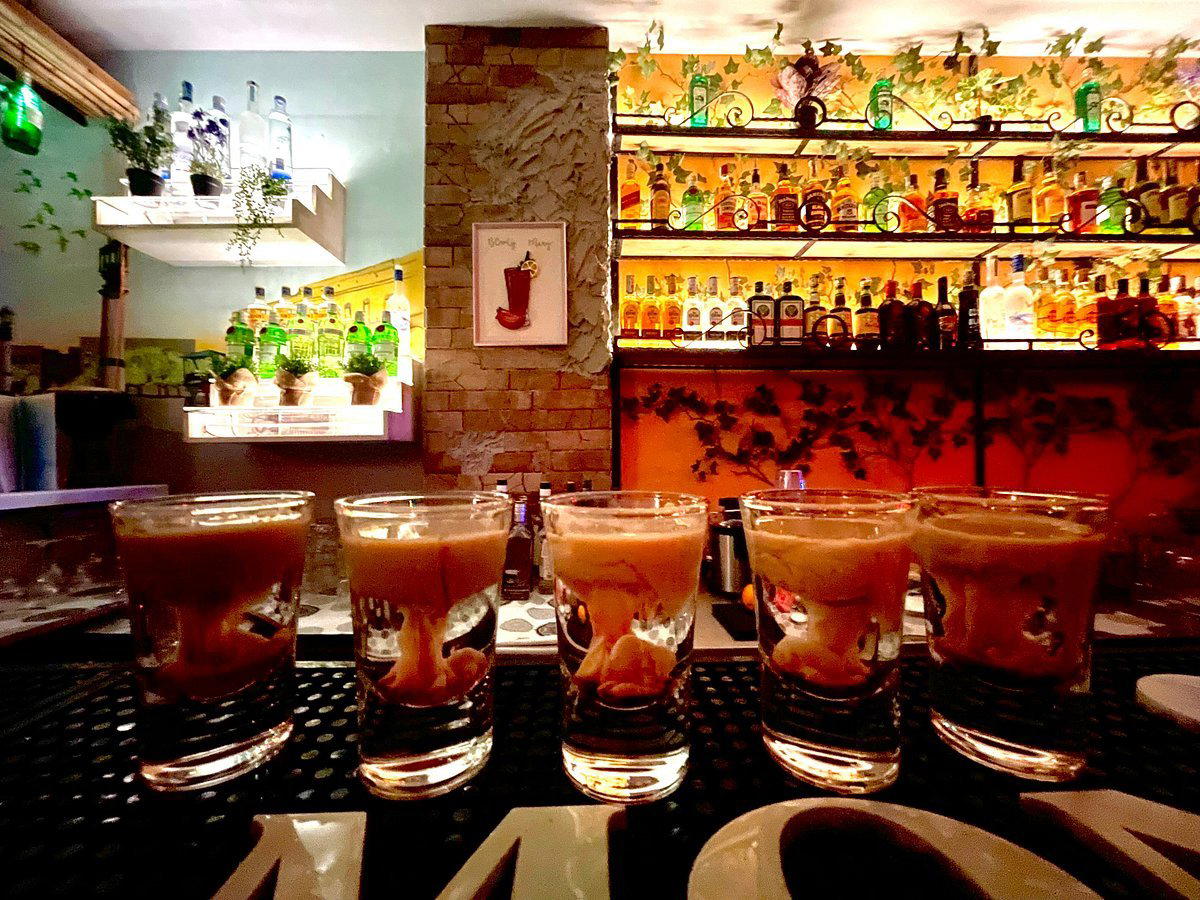
Tokyo’s serious casual restaurants often treat drinks as support rather than subject, unlike destination bars or wine-led dining rooms where the beverage program can define the visit. At a dumpling counter, the drink list works when it does not fight the format. The point is not bottle depth, rare vintages, or a sommelier narrative; it is whether the beverage keeps pace with pan heat, soy, vinegar, oil, and repeated small plates.
This makes Tokyo’s dining hierarchy more interesting than the usual luxury map. A sake-friendly dumpling shop can be as culturally specific as a counter omakase, with different expectations: tighter service, a shorter meal, lower cost structure, and more immediate decisions. The reward is not grandeur, but understanding why Japanese diners separate category excellence so carefully, from gyoza and ramen to soba, curry, yakitori, and coffee shops.
For travelers building a food day around contrast, a Setagaya dumpling stop reads differently beside Akihabara seafood grilling at . 鮪と炭火焼き うお炭 秋葉原店, Shinjuku dining at 12/10 Shinjuku ten, or skewers at 124. KAGURAZAKA (Yakitori). Add 3 Chome no Curry Ya San and 2D Cafe, and the pattern is clear: Tokyo’s casual range is not a downgrade from formal dining, but a separate literacy.
How to place it in a Tokyo food itinerary
The practical decision is whether the journey west fits the day. Gyoza Kan is tied to the Hachimanyama area of Setagaya rather than the hotel-heavy corridors of Ginza, Shinjuku, or Roppongi, so it suits diners who understand that Tokyo rewards rail-based planning. A short, focused meal in a residential ward can make more sense than forcing another central booking into a crowded evening.
The counter format suits solo diners and small groups better than large-party dining. Children are welcomed, private rooms are not part of the setup, and take-out is part of the service style, all pointing to a neighborhood restaurant rather than an occasion room. Payment expectations are old-school: cash planning is sensible because card, electronic money, and QR payments are not part of the listed payment methods.
EP Club’s view is simple: include this when the goal is to understand Tokyo through category specialists, not when the brief calls for polished hospitality or wine-led dining. The Tabelog 100 Dumplings 2024 selection supplies the trust signal; the counter scale supplies the context. It is sharper for a traveler who has already booked the major meals and wants one evening that explains how Tokyo eats when prestige is measured in a single dish category.
For readers extending that lens across Japan, compare the specialist logic with -Grilled beef Sukiyaki- KAMAKURA TANUKIAN 鎌倉 たぬき庵 in Kamakura.cafe in Osaka.know in Kumamoto, (Shoku) Vietnam in Kawasaki, [Curry Senmon Ten] Maruyama Kyoju. in Sapporo, and [ki:] in Kyoto. For a beverage-led counterpoint outside Japan, Jōdo Saké Bar in Los Angeles and Onigiri Time in Pasadena show how Japanese casual formats translate abroad. Tokyo’s wider travel planning sits in the Tokyo wineries guide and Tokyo experiences guide, but this address is simpler: dumplings, counter discipline, and a neighborhood rhythm that does not need luxury language to be taken seriously.
Cuisine and Recognition
Comparable venues at the same tier for side-by-side context.
| Venue | Cuisine | Price | Notes |
|---|---|---|---|
| Gyoza KanThis venue — the venue you are viewing | Japanese dumpling house | $ | Not listed |
| Umemura | Japanese Soul Food | $ | Koto |
| Shio Soba Jikuu | Modern shio ramen counter | $ | Suginami |
| Kitaya | Traditional Japanese sweets (wagashi) & daifuku take-out | $ | Suginami |
| Tokoi | Musashino-style udon | $ | Suginami |
| Shigekuniya 55 Bakery | Japanese neighborhood bakery | $ | Suginami |
Recognition history
Dated appearances from independent guides and award organizations, with the underlying list record or original source where available.
Tabelog 100 #47 · No. 47
Tabelog · Tabelog 100 - Dumplings - 2024












At a Glance
Current opening hours
- Monday
- Closed
- Tuesday
- Closed
- Wednesday
- Closed
- Thursday
- 5–9:30 PM
- Friday
- 5–9:30 PM
- Saturday
- 5–9:30 PM
- Sunday
- 5–9:30 PM
Hours can change for holidays and private events. Last verified .