
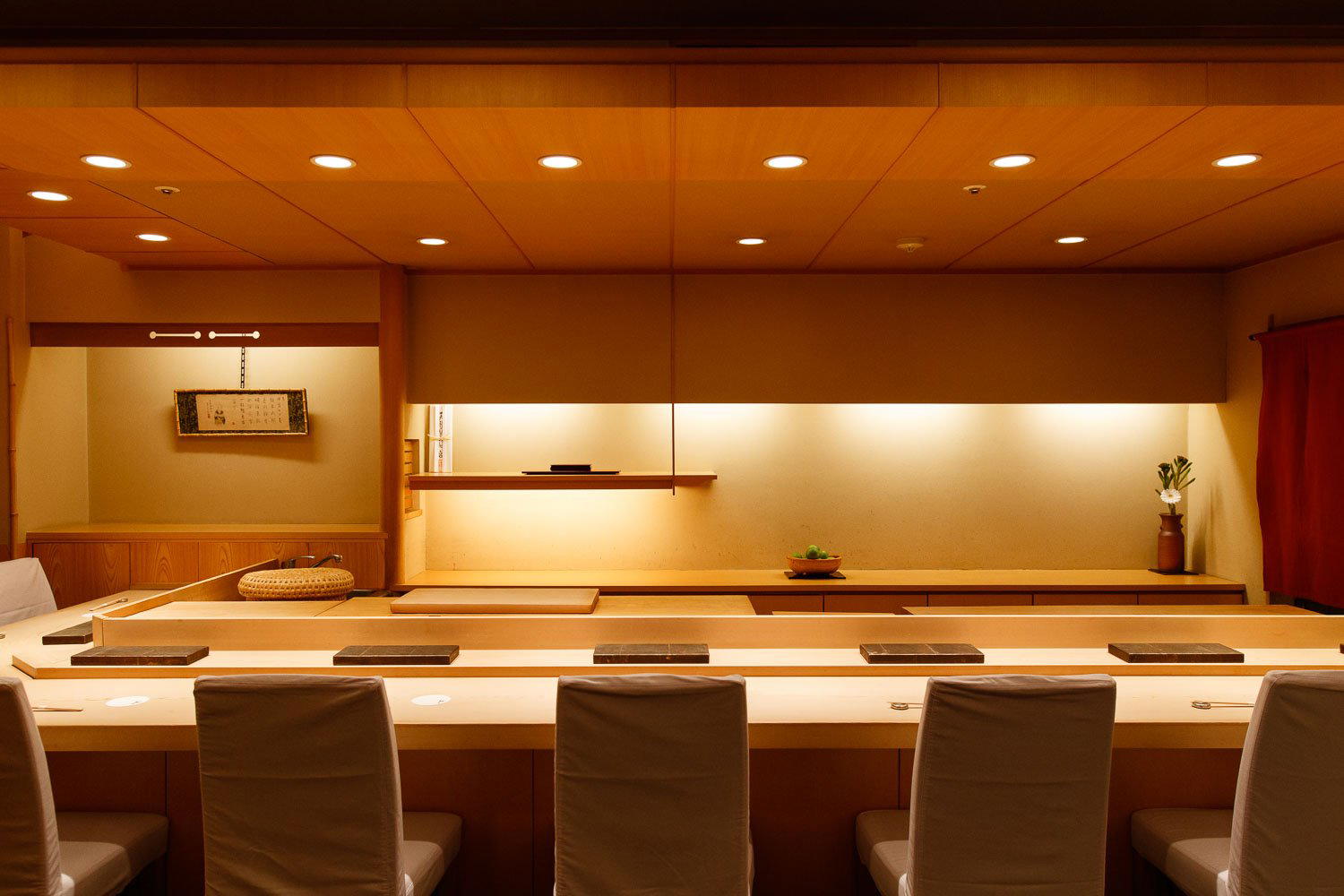
Sumika is a compact Sapporo yakiniku and steak address with 10 seats, counter seating, and selection in the Tabelog 100 Yakiniku EAST list for 2025, following earlier selections in 2023 and 2022. Dinner sits in the JPY 8,000 to JPY 9,999 range, with a format better suited to diners who understand yakiniku as a disciplined grill tradition rather than casual barbecue.
Pearl is the En Primeur Club membership app — saves, bookings, and concierge access live there. Same editors, same standards.
- Address
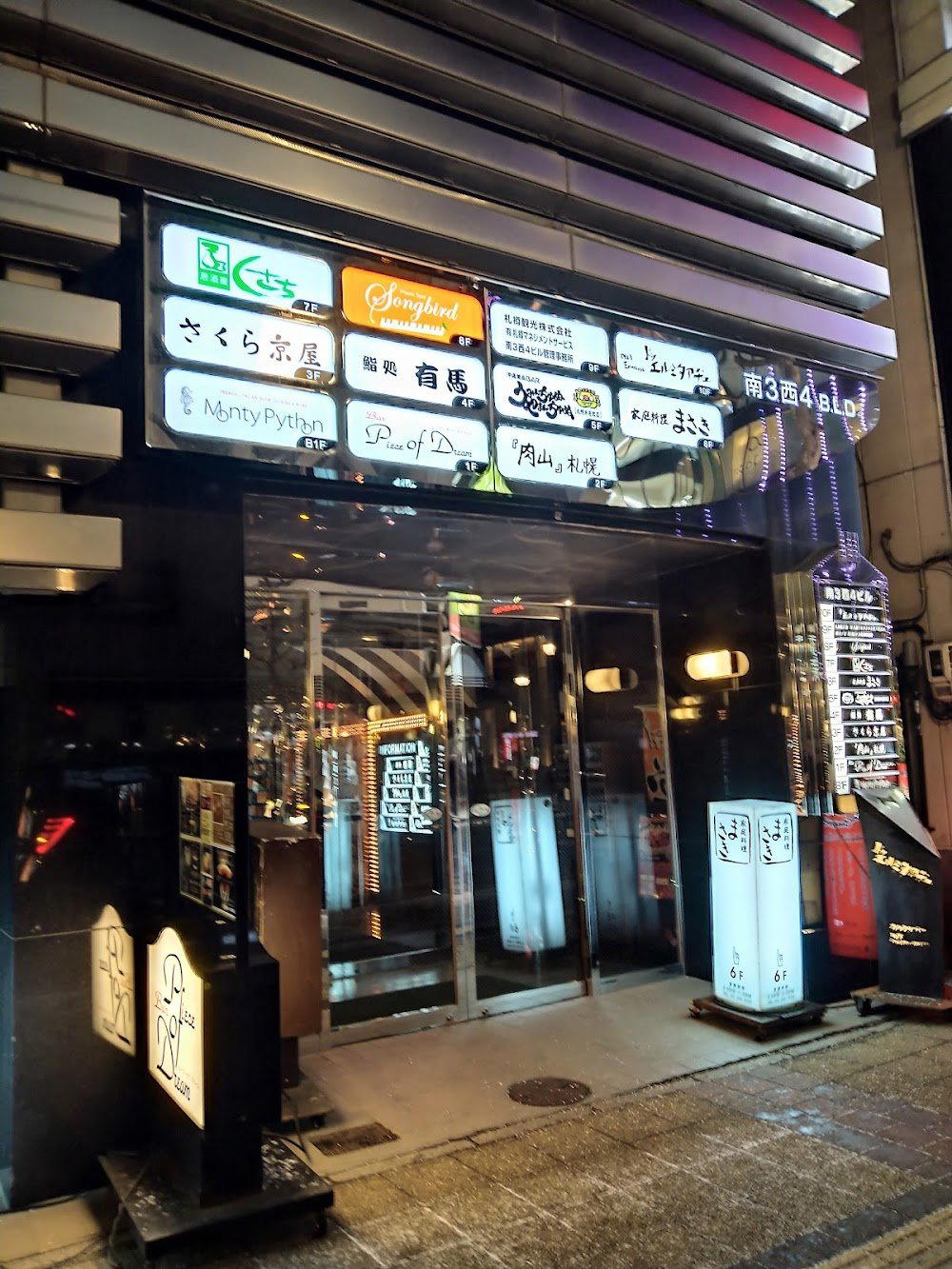
- Japan, 〒060-0062 Hokkaido, Sapporo, Chuo Ward, Minami 2 Jonishi, 9 Chome−3−31 ケンタク2・9ビル 1F
- Phone
- +81 11-208-2616
- Website
- tabelog.com
 Saves & bookings on Pearl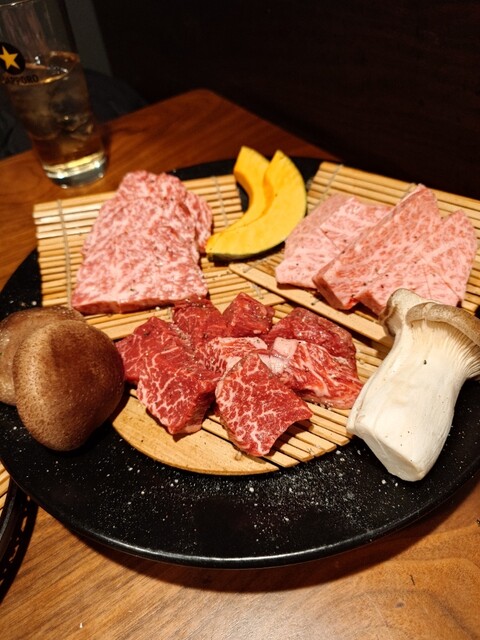
Chuo Ward’s western edge changes register after the retail pull of central Sapporo: smaller buildings, quieter blocks, and the kind of first-floor rooms that reward diners who are already looking closely. In that setting, yakiniku reads differently from its big-city clichés. The meal is not simply beef over flame; it is a controlled negotiation between cut, heat, timing, smoke, and appetite. Sumika belongs to that tighter Sapporo category, where a small room and counter-led format make the grill feel closer to a craft station than a group banquet.
Hokkaido dining is often introduced through seafood, dairy, ramen, soup curry, and lamb jingisukan, but beef grilling has its own place in the city’s evening rhythm. Yakiniku in Japan developed through postwar urban dining culture, borrowing from Korean barbecue techniques while becoming distinctly Japanese in service, portioning, tare, and the social choreography of the table grill. In Sapporo, that tradition sits beside cold-climate appetites: meals built around warmth, fat, smoke, and a slower pace after dark.
Small-room yakiniku in a city better known for seafood and ramen
The signal here is scale. Ten seats changes the way yakiniku functions. Large yakiniku rooms can become noisy, democratic, and forgiving; a compact counter or small-room setting puts more pressure on sequence and restraint. The diner pays attention to what goes on the grill and when it comes off. That format also narrows the competitive set: this is not the same decision as choosing a casual bowl at 175°DENO Tantanmen Sapporo kitaguchi ten, a spice-led curry meal at [Curry Senmon Ten] Maruyama Kyoju., or a bakery-focused detour such as Aigues Vives.
The recognition matters because yakiniku is a crowded category, and the Tabelog 100 Yakiniku EAST selection in 2025 places Sumika inside a curated eastern-Japan group rather than merely a local Sapporo shortlist. Earlier selections in 2023 and 2022 suggest continuity across more than one cycle. That does not make the restaurant a trophy stop by default; it makes it a credible answer for diners who want Sapporo beef grilling with more editorial weight than a convenience-led booking.
For visitors building a Sapporo eating itinerary, the useful comparison is not between luxury and informality, but between formats. Soup curry houses such as Ajanta Indo Curry Ten and Ajanta Sohonke are part of the city’s spice identity; yakiniku answers a different need, less broth and lift, more heat and concentration. The broader city map is better handled through Our full Sapporo restaurants guide, with lodging, drinking, wine, and activities separated in Our full Sapporo hotels guide, Our full Sapporo bars guide, Our full Sapporo wineries guide, and Our full Sapporo experiences guide.
What the format says about value, pacing, and occasion
Yakiniku’s pleasure comes from participation, but participation is not the same as disorder. Better meals in the genre depend on how cuts are portioned, how fat is managed, and how the grill’s heat is treated over the course of dinner. Sumika’s appeal sits in that disciplined end of the spectrum. Counter seating also changes the mood: couples and small parties will read the room differently from groups looking for a long, loud table. Private rooms are not part of the equation, so the evening is better understood as close-quarters dining rather than a separated celebration.
The category also rewards diners who know what they are comparing. Sukiyaki, steak, robatayaki, and yakiniku all treat beef as a central event, but the grammar differs. A sukiyaki specialist such as -Grilled beef Sukiyaki- KAMAKURA TANUKIAN 鎌倉 たぬき庵 in Kamakura frames beef through simmered sweetness and egg-rich softness; a charcoal grill such as. 鮪と炭火焼き うお炭 秋葉原店 in Tokyo belongs to a broader izakaya-grill vocabulary. Yakiniku, by contrast, gives the diner direct responsibility for doneness and rhythm, which is why a small room can feel exacting.
That context also explains why Sapporo’s culinary range should not be flattened into a single northern-Japan stereotype. A cafe stop like.cafe in Osaka, a contemporary room such as.know in Kumamoto, Vietnamese cooking at (Shoku) Vietnam in Kawasaki, or Kyoto dining at [ki:] in Kyoto all sit in different regional conversations. Sumika’s usefulness is more focused: it gives Sapporo an award-listed yakiniku point of reference in a city where many travelers otherwise default to ramen counters and seafood markets.
Who should put this on a Sapporo dining plan
This is a sharper choice for diners who prefer compact rooms, beef-led dinners, and controlled pacing over breadth. It is less suited to anyone wanting a sprawling menu, a private-room occasion, or a restaurant where the city’s seafood identity is the headline. The family-friendly note is useful, but the small format means parents should think practically about utensils and comfort before treating it like a casual all-ages hall.
Payment and room details also point to a specific kind of evening: credit cards are accepted, electronic money and QR code payments are not, and parking is not part of the setup. Those facts matter in Sapporo, where winter movement and neighborhood-to-neighborhood planning can shape the night as much as the reservation itself. Pairing the meal with a bar or hotel nearby makes more sense than treating it as a spontaneous stop between larger sightseeing blocks.
For international readers, the wider lesson is that Japanese beef dining is not a single lane. Los Angeles sake-and-food culture at Jōdo Saké Bar in Los Angeles and casual Japanese comfort at Onigiri Time in Pasadena show how categories travel and soften abroad. In Sapporo, yakiniku remains more exact: heat at the table, a small number of seats, and recognition that places the restaurant within a competitive eastern-Japan grill field. For a city often read through bowls and seafood, that is the reason to pay attention.
Budget and Context
Comparable venues in the metro at similar price points.
| Venue | Cuisine | Price | Notes |
|---|---|---|---|
| SumikaThis venue — the venue you are viewing | Chūō, Japanese Yakiniku | $$$ | Not listed |
| Sushi Dokoro Ichii | Chūō, Seasonal Hokkaido Sushi Counter | $$$ | Not listed |
| Gyu no Ishizaki | Chūō, Wagyu sukiyaki & shabu-shabu | $$$ | Not listed |
| Teppanyaki Urushi | Not listed | $$$ | Chūō, Hokkaido Wagyu & Seafood Teppanyaki |
| susukinodepato | Not listed | $$$ | Chūō, Hokkaido Seafood & Crab Buffet Dining |
| Kin Zushi | Chūō, Traditional Sapporo Sushi Counter | $$$ | Not listed |
Recognition history
Dated appearances from independent guides and award organizations, with the underlying list record or original source where available.
Tabelog 100 #59 · No. 59
Tabelog · Tabelog 100 - Yakiniku - EAST - 2025
At a Glance
- Cozy
- Intimate
- Classic
- Family
- Group Dining
- Date Night
- Casual Hangout
- Standalone
- Design Destination
- Chefs Counter
- Beer Program
Current opening hours
- Monday
- 6–11 PM
- Tuesday
- 6–11 PM
- Wednesday
- 6–11 PM
- Thursday
- 6–11 PM
- Friday
- 6–11 PM
- Saturday
- 6–11 PM
- Sunday
- Closed
Hours can change for holidays and private events. Last verified .
Compact, stylish, and relaxing, with counter seating and a hideout-like feel that suits small-group grilling rather than a large, loud dining room.