
Sapporo’s hot-pot culture is at its sharpest when ritual matters as much as beef. Gyu no Ishizaki belongs to the city’s higher-spend sukiyaki and shabu-shabu tier, with Tabelog 100 Hot Pot 2024 recognition, private-room dining, and a format built for paced conversation rather than quick turnover.
Pearl is the En Primeur Club membership app — saves, bookings, and concierge access live there. Same editors, same standards.
- Address
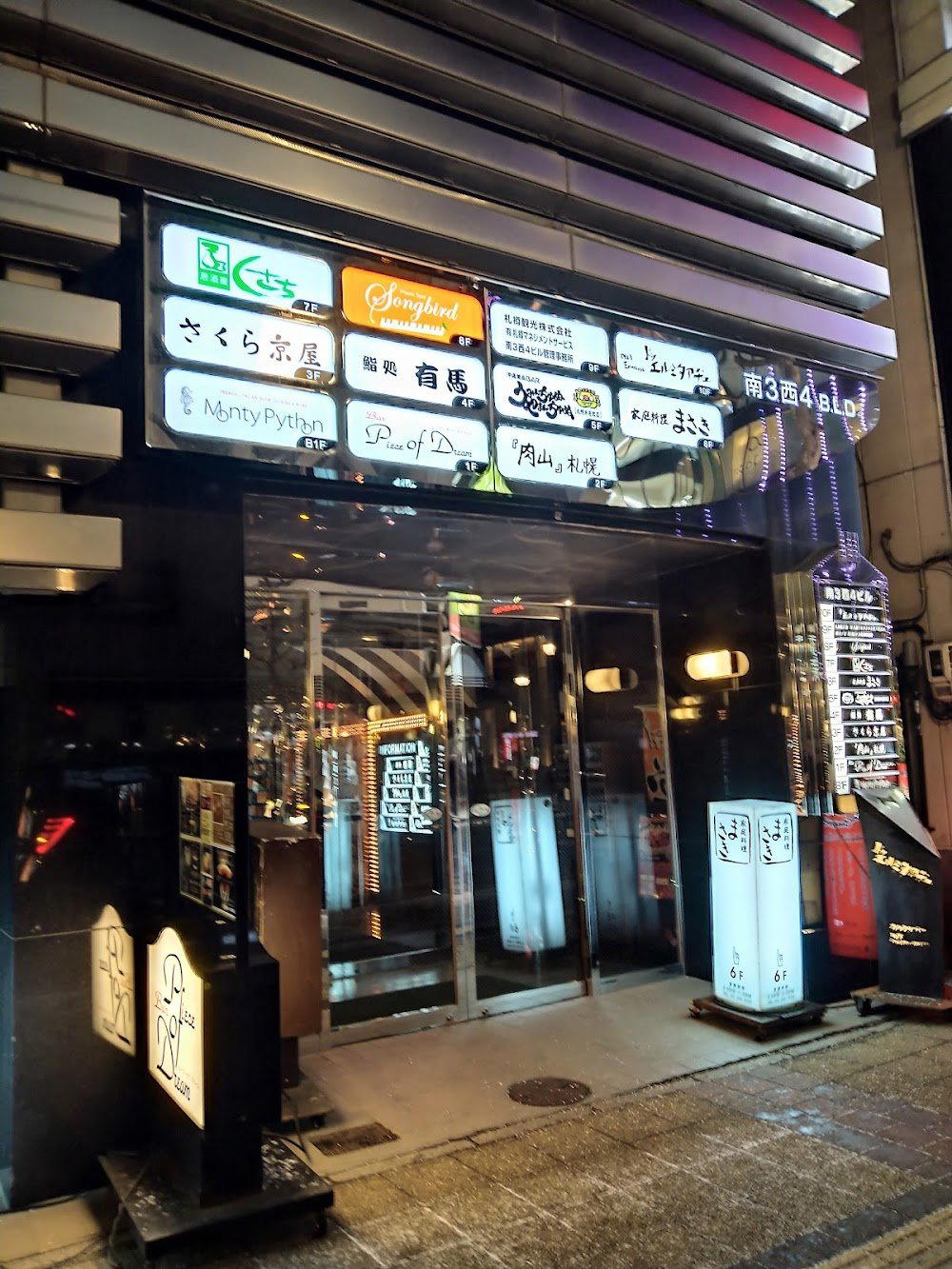
- Gダイニング札幌 ビル, 3F, 3 Chome Minami 3 Jonishi, Chuo Ward, Sapporo, Hokkaido 060-0063, Japan
- Phone
- +81 11-251-8721
- Website
- gyu-ishizaki.com
 Saves & bookings on Pearl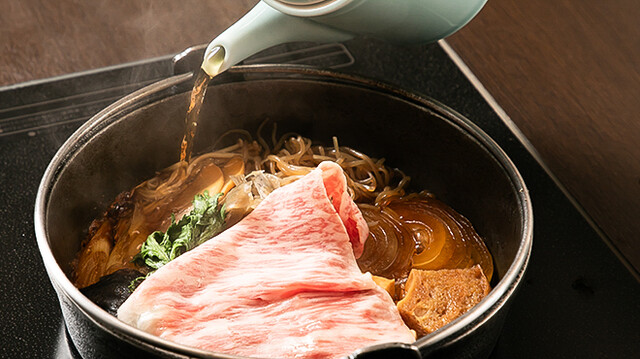
The signal is not street theatre but enclosure: a restaurant floor above central Sapporo, private rooms rather than a public counter, and a meal format that asks the table to slow down. Sukiyaki and shabu-shabu are often grouped together for convenience, but they create different kinds of attention. One is richer and sauce-led, the other cleaner and broth-led; both make timing part of the pleasure. In a city better known to visitors for crab, ramen, jingisukan, and seafood izakaya, a beef hot-pot room such as Gyu no Ishizaki points to another Sapporo habit: winter-friendly dining where the table, not the plate, sets the rhythm.
Beef hot pot as a Sapporo dining ritual
Japanese hot pot is social by design, but the premium end is less casual than the name suggests. The point is not volume; it is sequence, heat control, and how a group shares a table without losing focus. Sukiyaki brings sweetness, soy depth, and beef fat into the center of the meal. Shabu-shabu works by contrast, using brief cooking and dipping sauces to keep the beef closer to its original character. That split makes the category useful for mixed groups: the meal can read celebratory without requiring the hush of sushi omakase or the formality of a French tasting menu.
Gyu no Ishizaki sits inside that higher Sapporo bracket, helped by its selection for Tabelog 100 Hot Pot 2024. That recognition matters because hot pot is a crowded Japanese category, and the Tabelog Hyakumeiten lists tend to reward places with sustained local confidence rather than international spectacle. The restaurant’s Tabelog score of 3.52 is not the story on its own; the more relevant signal is the combination of category recognition, private-room infrastructure, and a dining style suited to groups who want beef handled with ceremony.
The format also separates this table from other Sapporo decisions. Takuzushi speaks to the city’s sushi lane, Umi Hachikyo Honten to seafood-driven conviviality, and The Bar Nano Femto or BAR PROOF to the after-dinner cocktail circuit. Hot pot occupies a different slot: earlier in the evening, longer at the table, and built around shared pacing.
Private rooms change the tempo
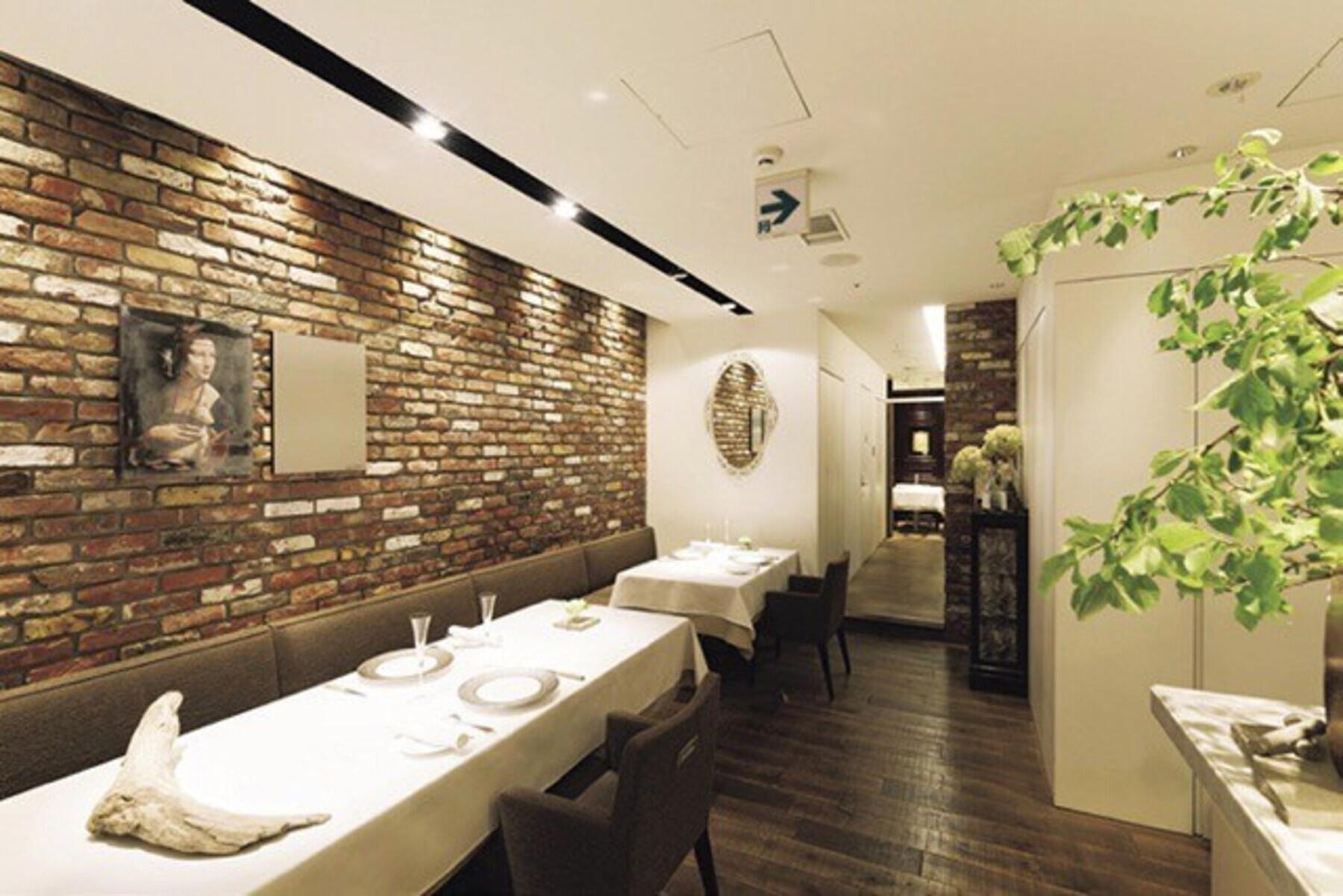
The private-room setup is not a decorative footnote. It changes how the meal functions. Sapporo dining can be high-energy, especially around Susukino, where late-night drinking, seafood houses, ramen shops, and bars compete for attention. A private hot-pot room moves the experience away from public performance and toward the mechanics of the table: who cooks, who serves, when the next slice goes in, and how the group handles the pace. For families, visiting friends, and small business dinners, that privacy can be more useful than a showy room.
Restaurant lists 60 seats and private rooms for groups of 20 to 30, which places it outside the tiny-counter model that defines much of Japan’s reservation mythology. That does not make it casual. It makes it operationally suited to occasions where a full table matters: multi-generational dinners, visitors being hosted by locals, and beef-focused meals where conversation is meant to run through the evening. Children are welcome, another practical signal that the ritual here is structured but not forbidding.
Drink culture reinforces the category. Sake, shochu, and wine all sit comfortably beside beef hot pot, but they do different jobs. Sake can echo the soy-sweet register of sukiyaki, shochu keeps the meal drier and more restrained, and wine pushes the dinner closer to a steakhouse mood. The better choice depends on whether the table wants the meal to feel traditionally Japanese or more broadly celebratory. That flexibility is one reason sukiyaki and shabu-shabu remain useful formats for visitors who want a Japanese meal with ceremony but not a scripted tasting menu.
How to place it in a Sapporo itinerary
Sapporo rewards sequencing. A beef hot-pot dinner has more weight than a ramen stop and more structure than an izakaya crawl, so it works better as the anchor of the evening than as a prelude. The surrounding city can then do what Sapporo does well: a bar afterward, a lighter lunch earlier, or a seafood meal on a different night. For travelers building several days around food, the contrast matters more than chasing the same register twice.
That contrast can be drawn within Sapporo or across Japan. For spice and noodle-driven meals, see 175°DENO Tantanmen Sapporo kitaguchi ten, [Curry Senmon Ten] Maruyama Kyoju., Ajanta Indo Curry Ten, and Ajanta Sohonke. For a different Hokkaido rhythm, Aigues Vives sits in another register entirely. Travelers comparing beef formats beyond Sapporo can look at -Grilled beef Sukiyaki- KAMAKURA TANUKIAN 鎌倉 たぬき庵 in Kamakura, while broader Japan planning might include. 鮪と炭火焼き うお炭 秋葉原店 in Tokyo.cafe in Osaka.know in Kumamoto, (Shoku) Vietnam in Kawasaki, and [ki:] in Kyoto.
The editorial read is simple: choose this kind of table when the meal needs warmth, privacy, and a clear Japanese ritual without the pressure of a counter seat. It is not the Sapporo answer for speed, novelty, or late-night grazing. It is the answer when beef, conversation, and controlled pacing are the point. For the rest of the trip architecture, use Our full Sapporo hotels guide, Our full Sapporo bars guide, Our full Sapporo wineries guide, and Our full Sapporo experiences guide. For sake-bar context outside Japan, Jōdo Saké Bar in Los Angeles and Onigiri Time in Pasadena show how Japanese dining formats travel differently when removed from their home setting.
Style and Standing
Comparable options at the same price tier.
| Venue | Cuisine | Price | Notes |
|---|---|---|---|
| Gyu no IshizakiThis venue — the venue you are viewing | Wagyu sukiyaki & shabu-shabu | $$$ | Not listed |
| Sushi Saikou | Hokkaido Omakase | $$$ | Chūō |
| Susukino Niku Seafood Robata Shinshin | Japanese Robatayaki Izakaya | $$$ | Chūō |
| Kin Zushi | Traditional Sapporo Sushi Counter | $$$ | Chūō |
| Kuriya | Sushi Omakase | $$$ | Shiroishi |
| å¤ä»å±±ä¹ | Traditional Japanese Kaiseki | $$$ | Chūō |
Recognition history
Dated appearances from independent guides and award organizations, with the underlying list record or original source where available.
Tabelog 100 #95 · No. 95
Tabelog · Tabelog 100 - Hot Pot - 2024
At a Glance
- Elegant
- Intimate
- Classic
- Cozy
- Sophisticated
- Date Night
- Business Dinner
- Group Dining
- Family
- Celebration
- Special Occasion
- Private Event
- Private Dining
- Standalone
- Extensive Wine List
- Sake Program
- Local Sourcing
Current opening hours
- Monday
- 5–11 PM
- Tuesday
- 5–11 PM
- Wednesday
- 5–11 PM
- Thursday
- 5–11 PM
- Friday
- 5–11 PM
- Saturday
- 5–11 PM
- Sunday
- Closed
Hours can change for holidays and private events. Last verified .
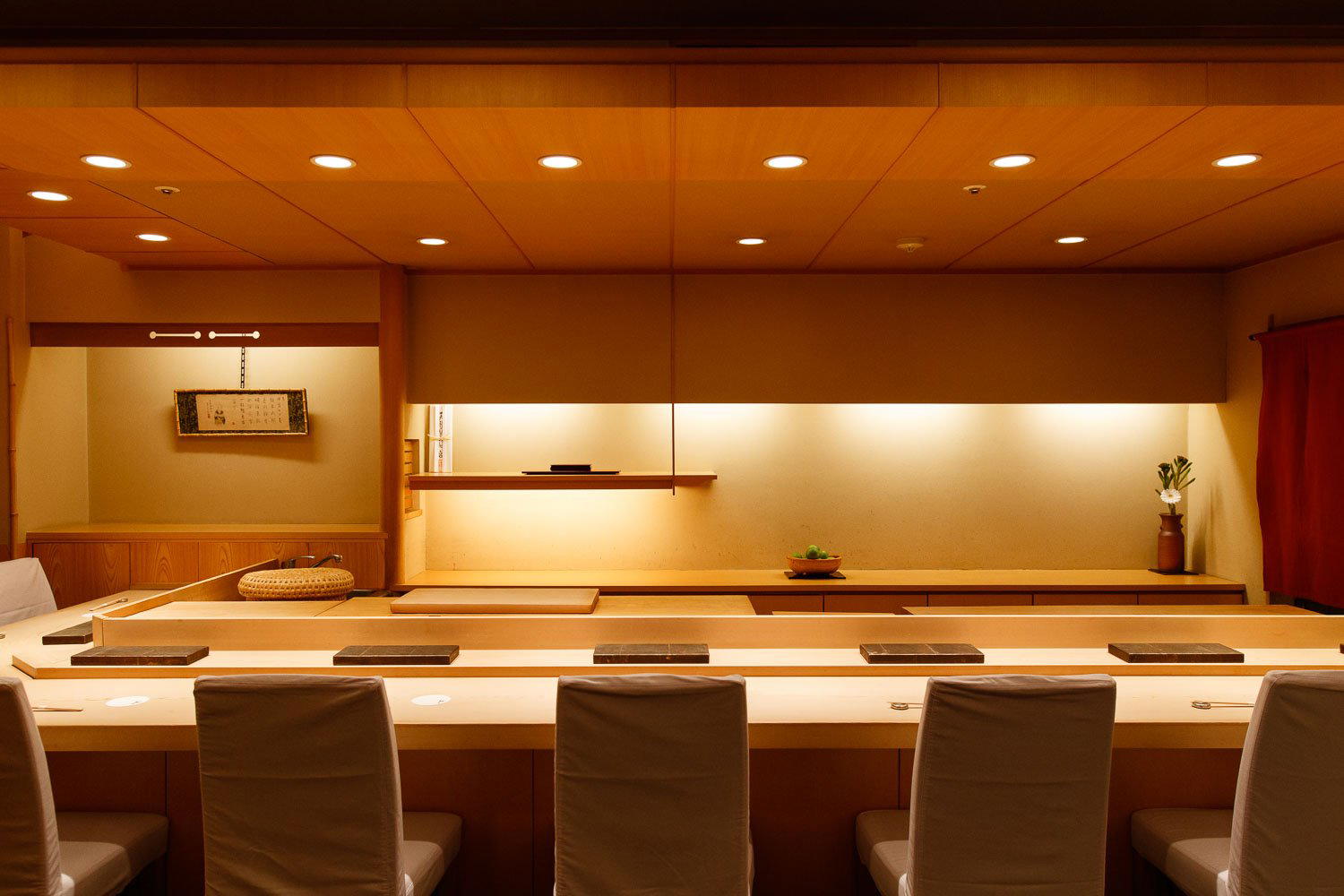
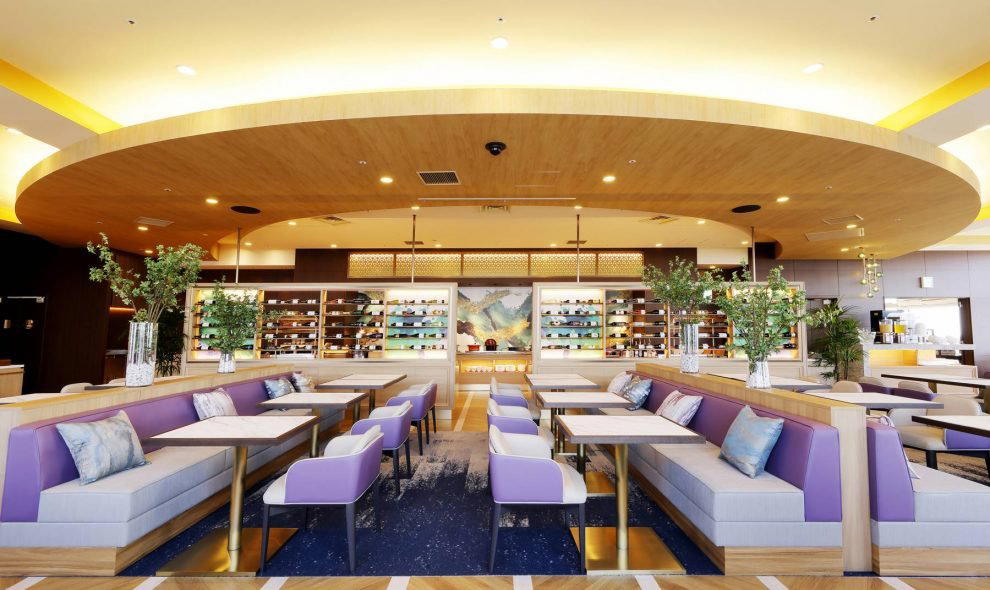
Calm, softly lit private rooms with a traditional yet polished feel, suited to relaxed conversations, celebrations, and business dinners rather than a noisy hotpot atmosphere.