Green Tea Japanese Restaurant
A Lincoln Park fixture on North Clark Street, Green Tea Japanese Restaurant occupies a stretch of Chicago where neighborhood dining expectations run high and Japanese cuisine competes across every price tier. The room positions itself as a dependable local option for sushi and cooked Japanese fare, drawing regulars from the surrounding residential blocks rather than the destination-dining circuit.
Pearl is the En Primeur Club membership app — saves, bookings, and concierge access live there. Same editors, same standards.
- Address
- 2336 N Clark St, Chicago, IL 60614
- Phone
- +17738838812
- Website
- greenteachicago.com
- Directions
- Get directions
 Saves & bookings on Pearl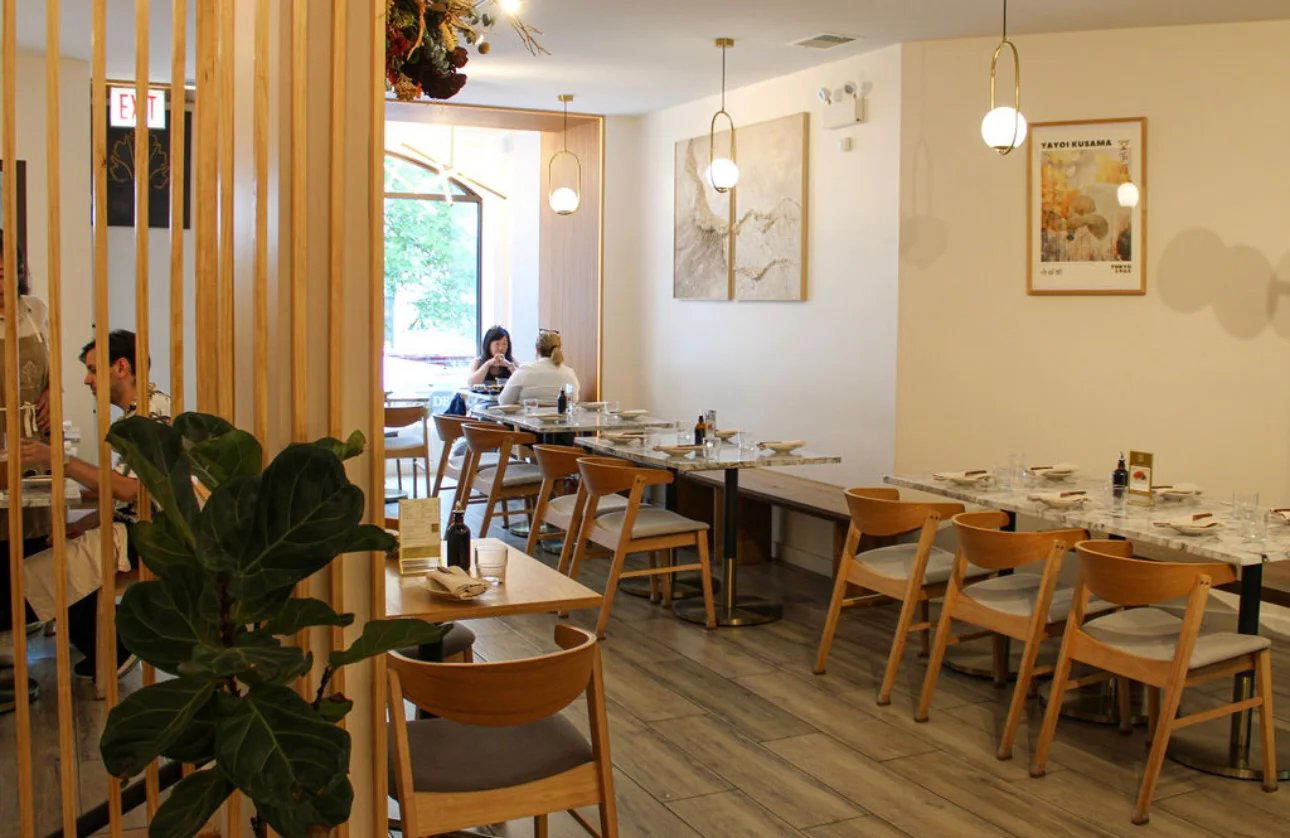
Lincoln Park's Japanese Dining Context
North Clark Street in Lincoln Park operates as one of Chicago's more competitive neighborhood restaurant corridors. Within a short walk, diners can move between Thai, Italian, and American formats at various price points, which means any Japanese restaurant on this strip competes less against downtown omakase counters and more against its immediate neighbors for repeat local business. Green Tea Japanese Restaurant, at 2336 N Clark St, sits squarely in that neighborhood tier: a dining room built around accessibility and familiarity rather than the tasting-menu formalism that defines Chicago's higher-profile Japanese options.
That distinction matters when placing the restaurant in its proper context. Chicago's Japanese dining scene has developed across several distinct tiers over the past decade. At the upper end, destination-format counters demand advance planning and substantial spend per head. Below that sits a broader mid-market band where sushi-focused neighborhood restaurants serve the bulk of daily diners. Green Tea occupies that middle ground, where consistency and range of offering carry more weight than any single standout element. For reference, the kind of formal progression and architectural plating that defines Alinea or the ingredient sourcing rigor of Smyth represent an entirely different competitive set.
What the Meal Looks Like, Course by Course
Japanese restaurant menus in this tier typically follow a recognizable arc. An opening round of edamame or miso soup establishes the baseline; this is less a dramatic introduction than a palate-clearing convention that signals to regulars they are in familiar territory. The middle range of the menu, where most neighborhood Japanese restaurants earn or lose their local reputation, tends to center on sashimi platters, specialty rolls, and a selection of hot kitchen items that allow non-sushi diners to find their footing.
Specialty rolls in this format tend to be generous in construction, often combining multiple proteins and sauces in ways that prioritize accessible flavor profiles over technical restraint. That approach diverges significantly from the ethos of high-end omakase counters, where a chef might present a single piece of aged fish over seasoned rice with minimal embellishment, but it serves a different audience with different expectations. Cooked options, which might include teriyaki, tempura, and udon preparations, extend the menu's reach toward tables where not every diner wants raw fish.
The arc of a meal here is less about progression in the tasting-menu sense and more about comfortable sequencing: cold before hot, lighter before heavier, with rolls arriving mid-meal as the centerpiece rather than as an afterthought. Comparing that rhythm to the orchestrated multi-course structure you find at Kasama or the menu-as-narrative approach at Next Restaurant underscores how different the underlying ambitions are. Neither is inherently better; they address different dining occasions entirely.
Where Lincoln Park Fits in Chicago's Broader Dining Picture
Lincoln Park sits north of the Loop and west of Lake Michigan, close enough to the lakefront that foot traffic picks up considerably on warm-weather evenings. The neighborhood skews residential and affluent, which produces a dining environment where restaurants prioritize repeat visitation over first-impression spectacle. That calculus shapes everything from room tone to menu breadth: regulars want reliable execution across the full menu, not a single showpiece dish.
Chicago's broader dining scene, which includes nationally recognized tables like Oriole in the West Loop and a growing cluster of ambitious formats across multiple neighborhoods, has developed an infrastructure of mid-market neighborhood restaurants that absorb the majority of weekly dining occasions. Green Tea fits that supporting architecture. For Chicago visitors mapping a full trip itinerary, understanding the city's restaurant tiers helps allocate effort: reserve the tasting-menu slots for destinations that require them, and treat neighborhood options like this one as exactly what they are.
For broader context on how Chicago's dining scene is organized across neighborhoods and price tiers, the full Chicago restaurants guide provides a useful reference. Readers interested in how other American cities structure their Japanese dining options might note the contrast with Le Bernardin in New York City or the farm-driven precision of Single Thread Farm in Healdsburg, both of which represent what happens when a single culinary philosophy is pursued at the highest level of resource commitment.
comparable set and Category Position
Within Chicago's Japanese restaurant category, neighborhood sushi restaurants on corridors like North Clark occupy a comparable set defined by price accessibility, breadth of menu, and proximity to residential density. They compete primarily on consistency, speed of service, and the quality of their mid-range rolls and sashimi. They do not compete on chef pedigree, omakase sequencing, or the kind of premium sourcing that justifies destination travel.
That peer group is worth understanding before a visit. The relevant comparison is not The French Laundry in Napa or Providence in Los Angeles, both of which operate in entirely different registers of ambition and investment. It is other North Side sushi restaurants serving the same evening-out occasion for the same Lincoln Park and Lakeview residential base. Within that frame, the question is whether Green Tea executes reliably on the things its regulars actually want: fresh fish, competent rolls, and a room that does not require significant planning or formality to enjoy.
For readers who have previously visited Lazy Bear in San Francisco, Blue Hill at Stone Barns in Tarrytown, Addison in San Diego, or The Inn at Little Washington, calibrating expectations downward before visiting a neighborhood sushi restaurant is not a criticism. It is simply a matter of matching venue format to dining occasion. The same applies in comparison to Korean fine dining formats like Atomix in New York City or Italian tasting programs like 8 1/2 Otto e Mezzo Bombana in Hong Kong and Bacchanalia in Atlanta. Each of those venues defines its category through concentration of ambition and resource; Green Tea defines its value through neighborhood utility.
Know Before You Go
Address: 2336 N Clark St, Chicago, IL 60614
Neighborhood: Lincoln Park, Chicago
Format: Neighborhood Japanese restaurant; sushi, rolls, and hot kitchen items
Phone / Website / Booking: Not available via current records; walk-in and direct contact advised
Hours: Not confirmed; verify directly before visiting
Price Range: Not confirmed; consistent with mid-market Lincoln Park neighborhood dining
Reservations: Verify current policy directly with the restaurant
Pricing, Compared
Comparable venues nearby, for context on price, style, and recognition.
| Venue | Cuisine | Price |
|---|---|---|
| Green Tea Japanese RestaurantThis venue — the venue you are viewing | Lincoln Park, Authentic Japanese Sushi | $$ |
| Mirai Sushi | Wicker Park, Authentic Japanese Sushi | $$ |
| Chicago Kalbi BBQ | Albany Park, Japanese Yakiniku BBQ | $$ |
| Yusho | Avondale, Japanese Yakitori Izakaya | $$ |
| Raiz Kitchen + Sushi | Logan Square, Fusion Sushi & Kitchen | $$ |
| Sushi Hall | Lincoln Park, Modern Japanese Sushi | $$ |
Continue exploring
More in Chicago
Restaurants in Chicago
Browse all →

At a Glance
- Cozy
- Date Night
- Casual Hangout
- Sake Program
Current opening hours
- Monday
- 11:30 AM–3 PM, 4:30–9:30 PM
- Tuesday
- 11:30 AM–3 PM, 4:30–9:30 PM
- Wednesday
- 11:30 AM–3 PM, 4:30–9:30 PM
- Thursday
- 11:30 AM–3 PM, 4:30–10 PM
- Friday
- 11:30 AM–3 PM, 4:30–10 PM
- Saturday
- 11:30 AM–10 PM
- Sunday
- 11:30 AM–9 PM
Hours can change for holidays and private events. Last verified .
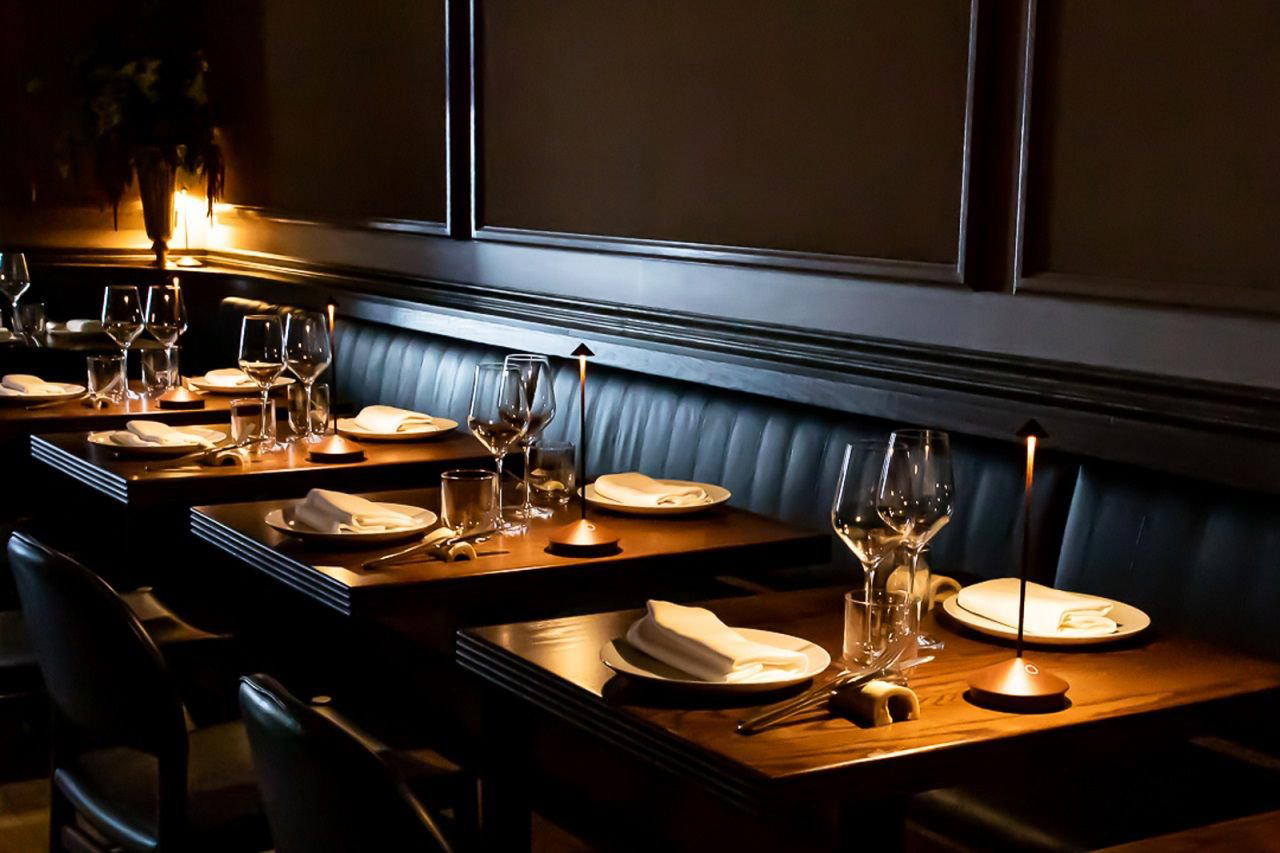
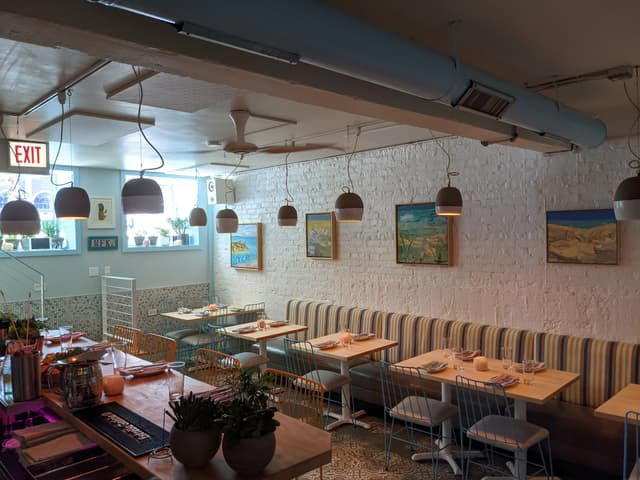
Cozy and inviting atmosphere with chic ambiance and moderate noise levels.