Raiz Kitchen + Sushi
On the Humboldt Park edge of Logan Square, Raiz Kitchen + Sushi operates at an address (3276 W Fullerton Ave) that rewards those who seek out neighbourhood dining over tourist-circuit restaurants. The kitchen combines Japanese sushi technique with broader culinary roots, drawing a loyal local following. For Chicago diners who return often rather than reserve once, this is the kind of room that earns that habit.
Pearl is the En Primeur Club membership app — saves, bookings, and concierge access live there. Same editors, same standards.
- Address
- 3276 W Fullerton Ave, Chicago, IL 60647
- Phone
- +17734896262
- Website
- raizkitchensushi.com
- Directions
- Get directions
 Saves & bookings on Pearl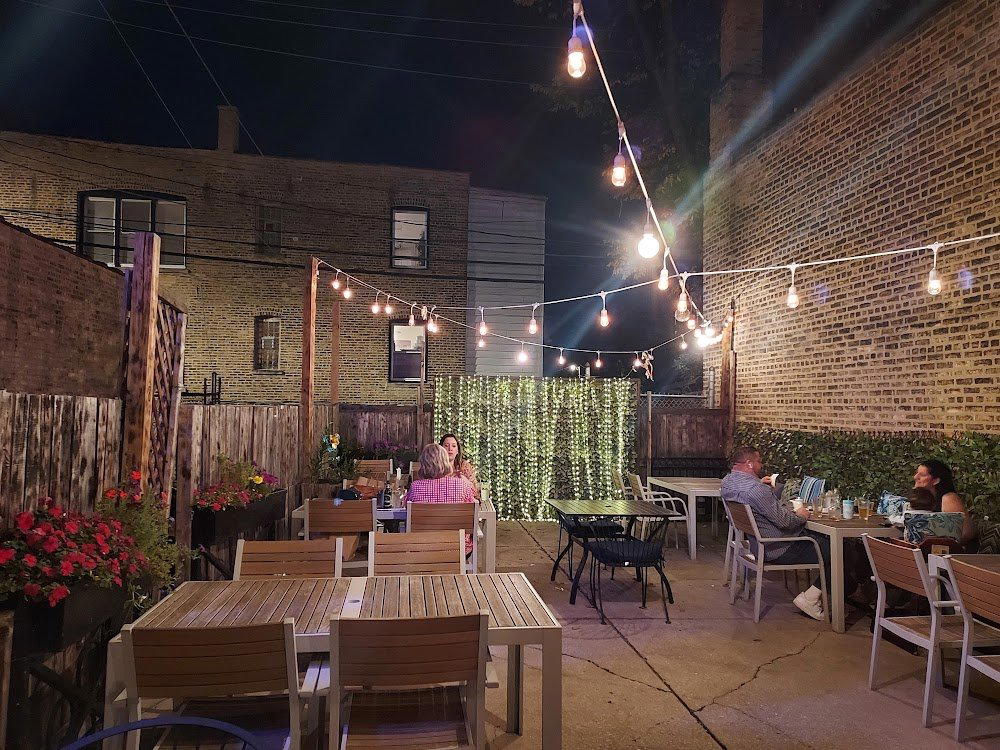
Where Logan Square Meets the Sushi Counter
West Fullerton Avenue at this stretch of Chicago does not announce itself the way River North or the West Loop does. Raiz Kitchen + Sushi is a casual Chicago restaurant in Logan Square at 3276 W Fullerton Ave, with a recommended reservation policy and an average price around $30 per person. The blocks around 3276 W Fullerton sit at the boundary where Logan Square bleeds into Humboldt Park, a corridor that has developed its own dining identity separate from the neighbourhoods that receive more editorial attention. In a city where the dominant conversation about serious food tends to orbit places like Alinea, Smyth, and Oriole, the rooms that sustain themselves on repeat neighbourhood customers rather than destination diners occupy a different and more resilient position. Raiz Kitchen + Sushi is one of those rooms.
The name itself signals the premise. "Raiz" is the Spanish word for roots, and the pairing of that word with "Kitchen + Sushi" tells you something about the ambition before you walk through the door: this is not a strictly Japanese operation trying to simulate a Ginza counter, nor is it a pan-Asian concept blurring its own edges. The kitchen is reaching for something that connects Japanese technique to a broader cultural root system, the kind of culinary position that Chicago's more eclectic neighbourhood dining scene has space to support in ways that more competitive, high-visibility corridors often do not.
The Regulars and What Brings Them Back
Chicago's most durable neighbourhood restaurants are not built on first impressions. They are built on the second, fifth, and twentieth visit. The regulars who find Raiz are not coming because a publication told them to; they are coming because the room has given them a reason to return. That dynamic is worth examining, because it describes a different kind of quality signal than an award or a critical review. In a city where tasting-menu destinations like Next Restaurant and Kasama occupy the upper tier of dining conversation, the neighbourhood kitchen running on loyalty rather than spectacle is sustaining something quieter but no less deliberate.
What keeps regulars returning to a kitchen that spans cuisines tends to be consistency in the seams: the rice temperature on the sushi, the balance of acid in a cooked dish, the moment when a server recognises a returning face and adjusts the pace accordingly. These are the details that do not appear on a menu and cannot be manufactured for a first visit. They accumulate. For the loyal customer at a place like Raiz, the "unwritten menu" is the accumulated knowledge of what to order based on what the kitchen is doing well on a given night, the kind of intelligence that travels through a regular customer base before it ever reaches a review.
That dynamic is not distinctive to Chicago. The same pattern holds at neighbourhood anchor restaurants in other American cities: Lazy Bear in San Francisco built its early reputation through communal dining regulars, Bacchanalia in Atlanta has held neighbourhood loyalty for decades, and Providence in Los Angeles draws a seafood-focused clientele that returns for the consistency of a technically serious kitchen. What distinguishes Raiz is the specific cultural splice it is making, and the address at which it is making it.
Sushi in the Neighbourhood Context
Chicago's sushi scene has developed along two tracks. One runs through high-end omakase counters in the Loop and Gold Coast, where seat counts are low and prices reflect that scarcity. The other runs through neighbourhood restaurants where sushi exists alongside a broader menu, the kitchen balancing raw fish preparation with cooked dishes in a format accessible to a wider range of diners. Raiz sits in that second track, which is where most of Chicago's consistent sushi volume actually lives, even if it receives less editorial attention than omakase counters do.
Internationally, the conversation about serious sushi away from Japan has concentrated on a handful of high-profile addresses: Le Bernardin in New York City demonstrates the ceiling of French-Japanese seafood technique, while 8 1/2 Otto e Mezzo Bombana in Hong Kong shows how a European kitchen can operate at the summit of an Asian dining market. But those reference points are not the comparable set for a Logan Square neighbourhood kitchen. The relevant comparison is closer: what does a sushi-forward room in this part of Chicago offer that its immediate neighbours do not, and is the kitchen executing on its own terms?
The "Kitchen +" in the name matters here. A room that pairs sushi with a broader cooked menu is making a choice about its own accessibility. It is not asking the diner to commit entirely to the omakase format or to organise a meal entirely around raw fish. That format has proven durable in neighbourhood settings across American cities, from destinations like Addison in San Diego to more casual reference points, because it allows a kitchen to demonstrate range without fragmenting its identity.
Chicago's Neighbourhood Dining Character
The broader context for understanding Raiz is the character of Chicago's neighbourhood dining, which has shown consistent depth outside the recognised fine-dining corridors. The city's outer neighbourhood restaurants have historically punched above their visibility. West-side corridors in particular have produced kitchens that built loyal followings before receiving critical attention, a pattern that mirrors what has happened at various points in the histories of places like Blue Hill at Stone Barns and The Inn at Little Washington (both of which built their reputations through repeat-visit culture before becoming destination addresses).
For a diner approaching Raiz from outside the neighbourhood, the relevant question is whether the room rewards a specific trip. For a diner already in Logan Square or Humboldt Park, the question is different: is this the kind of place that becomes part of a rotation? Based on the address and the format, Raiz appears designed for the latter. The regulars' perspective is the operative frame. Destination diners at Atomix in New York City, Emeril's in New Orleans, or Single Thread Farm in Healdsburg arrive for a singular occasion. The neighbourhood regular at Raiz arrives because the kitchen has already earned that trust.
Planning Your Visit
Planning details belong in venue information rather than the editorial body.
Side-by-Side Snapshot
Comparable venues nearby, for context on price, style, and recognition.
| Venue | Cuisine | Price | Notes |
|---|---|---|---|
| Raiz Kitchen + SushiThis venue — the venue you are viewing | Fusion Sushi & Kitchen | $$ | Not listed |
| Nori Sushi Chicago | Neighborhood Japanese Sushi Bar | $$ | Lincoln Park |
| Sushi Hall | Modern Japanese Sushi | $$ | Lincoln Park |
| Lucky Trendy Sushi | Fusion Sushi | $$ | Bucktown |
| Green Tea Japanese Restaurant | Authentic Japanese Sushi | $$ | Lincoln Park |
| Mirai Sushi | Authentic Japanese Sushi | $$ | Wicker Park |


At a Glance
- Modern
- Trendy
- Lively
- Date Night
- Group Dining
- Casual Hangout
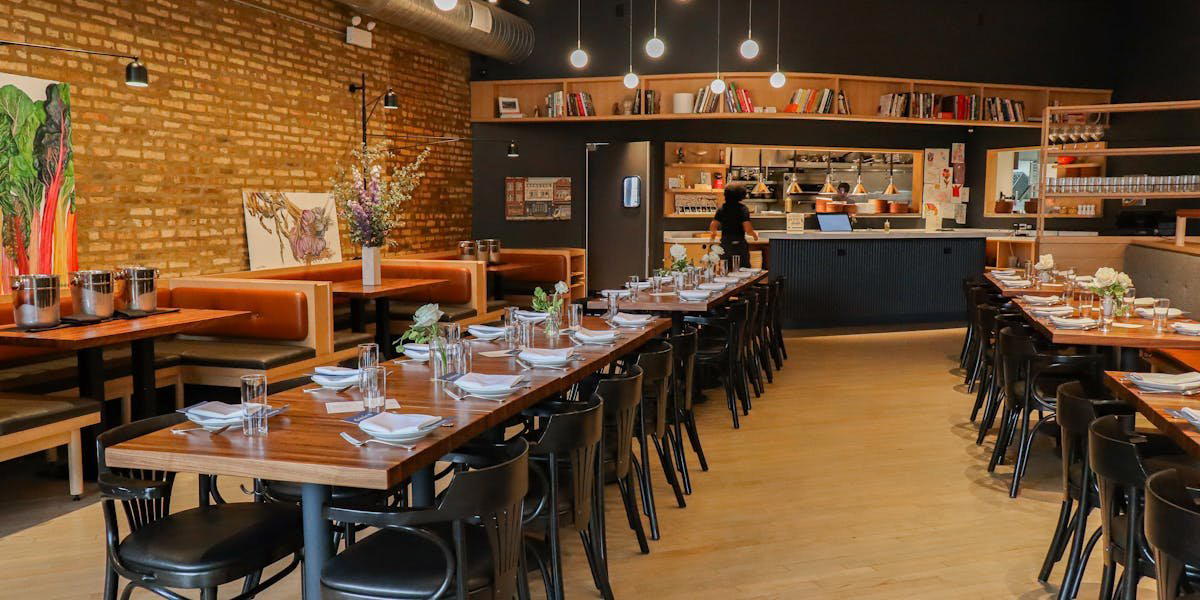
- Open Kitchen
- Sake Program
- Beer Program
Current opening hours
- Monday
- Closed
- Tuesday
- 4–9 PM
- Wednesday
- 4–9 PM
- Thursday
- 4–9 PM
- Friday
- 3–10 PM
- Saturday
- 3–10 PM
- Sunday
- 3–9 PM
Hours can change for holidays and private events. Last verified .
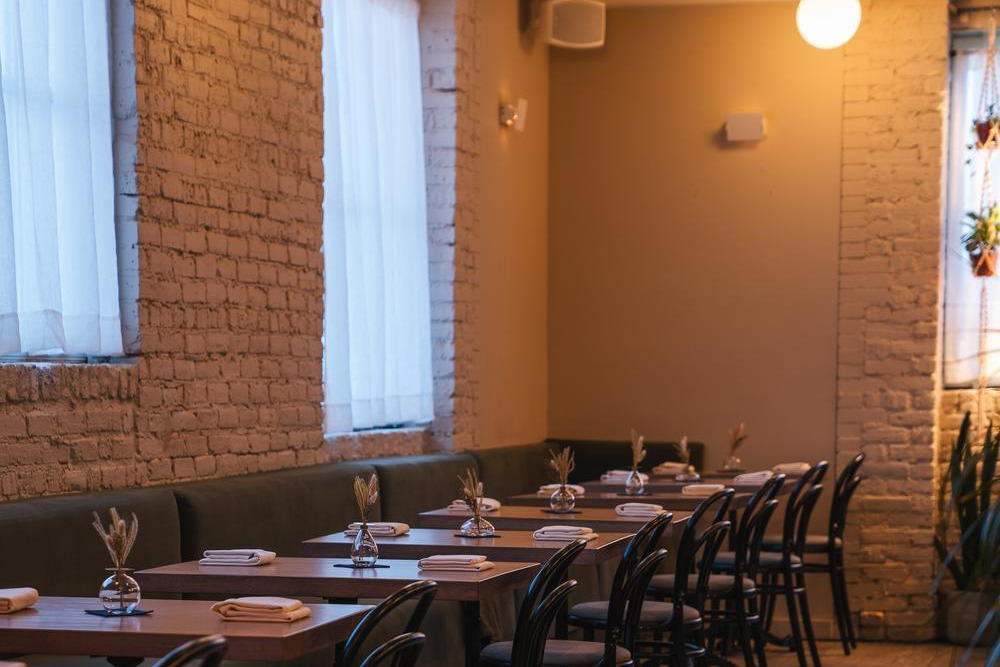
Lively and casual with a charming patio, praised for fresh sushi in a trendy setting.