Sushi Hall
Current operating status was confirmed in a June 2026 audit; detailed venue content is being refreshed from verified sources.
- Address
- 2630 N Clark St, Chicago, IL 60614
- Phone
- +17736986690
- Website
- sushihallchicago.com
- Directions
- Get directions
Clark Street and the Neighborhood Sushi Question
Chicago's sushi scene has fractured along predictable lines. On one end, the omakase counter format, which spread through River North and the Gold Coast over the past decade, now commands prix-fixe prices that put it in direct competition with the city's progressive tasting-menu houses: places like Alinea, Smyth, and Oriole, where the format is the product and the seat count is deliberately small. On the other end, the neighborhood sushi restaurant, the kind of place that has always anchored a mixed commercial block, still functions as a different category entirely, one where the draw is reliability, range, and the ability to walk in on a Tuesday without a reservation made weeks prior.
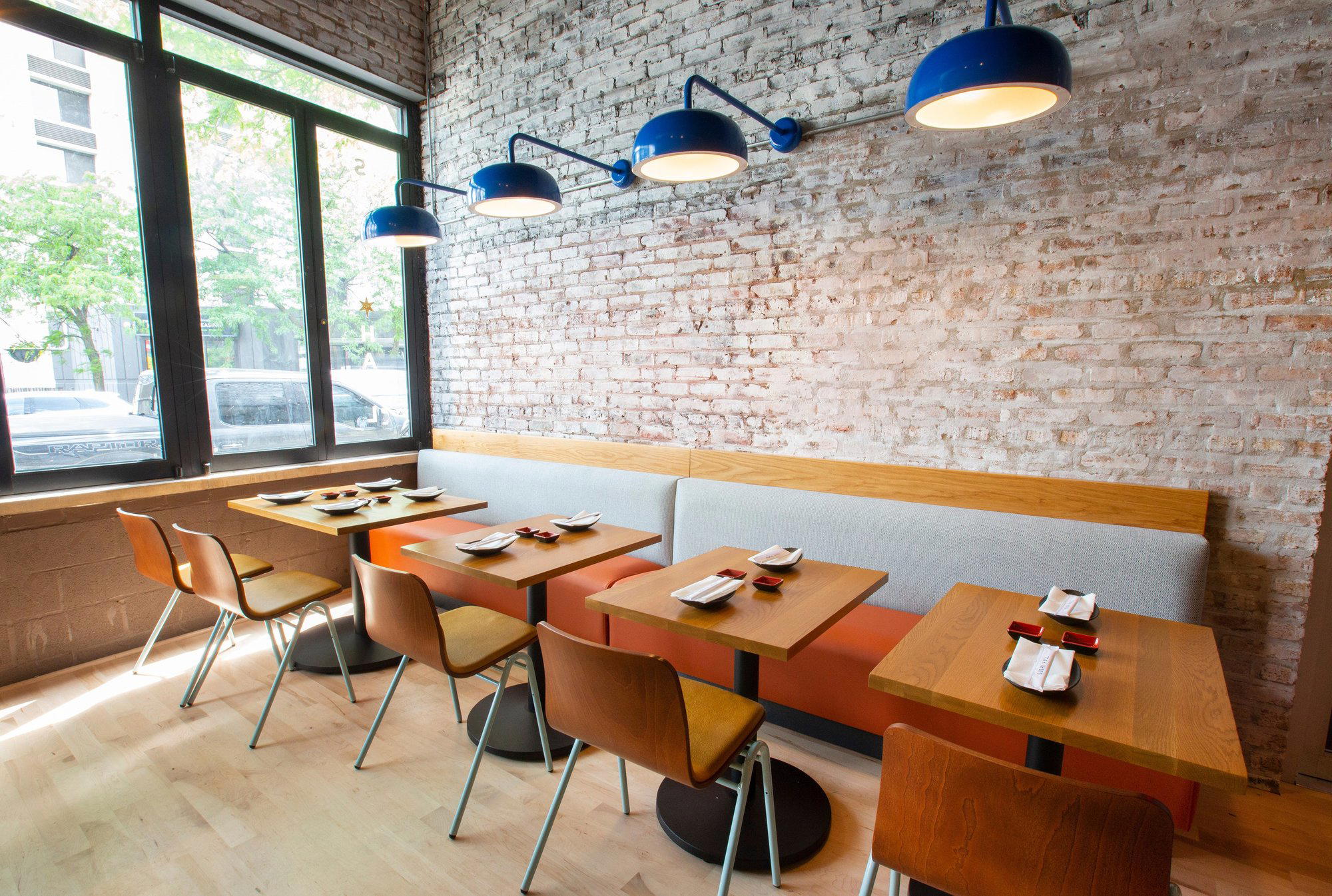
Sushi Hall is a modern Japanese sushi restaurant in Chicago's Lincoln Park, with a casual dress code and a recommended reservation policy. Sushi Hall, at 2630 N Clark Street in Lincoln Park, sits on that second axis. The address puts it on one of Chicago's most commercially active neighborhood corridors, a stretch that has absorbed multiple cycles of restaurant openings and closures while maintaining a consistent foot-traffic base. Lincoln Park diners, by and large, are not choosing between this address and a $300 omakase seat downtown. They are choosing between this and the dozen other options within four blocks, which is a different competitive calculus entirely.
The Lincoln Park Dining Context
Lincoln Park's restaurant density has historically made it one of Chicago's most competitive neighborhood dining markets. The area around Clark, Halsted, and Armitage draws a mix of longtime residents, DePaul students, and visitors staying in the neighborhood's residential hotels, and the result is a market that rewards breadth over specialization. Restaurants that survive here tend to do so by covering multiple use cases: the weeknight dinner, the group booking, the solo counter seat.
Japanese restaurants in this tier, across Chicago and in comparable neighborhood markets in cities like New York and San Francisco, have generally held their position by maintaining a wide menu architecture: rolls alongside nigiri, cooked dishes alongside raw preparations, sake lists that include both entry-level and more considered selections. The beverage program question arrives differently in the neighborhood context. Here, the cellar or by-the-glass selection functions less as a philosophical statement and more as a practical question of how well the restaurant has thought about what its guests actually drink. A credible sake selection, a few bottles of white Burgundy or Grüner Veltliner that can move across multiple dishes, and a wine list that doesn't treat the beverage program as an afterthought, are the markers of a neighborhood Japanese restaurant that takes the full experience seriously.
For comparison: at the upper tier of American fine dining, The French Laundry in Napa, Le Bernardin in New York, and Blue Hill at Stone Barns in Tarrytown all treat the beverage program as co-equal with the food in the overall experience. Addison in San Diego and Providence in Los Angeles occupy a similar position on the West Coast. The neighborhood tier does not operate at that register, but the underlying principle, that a thoughtful drink program signals a kitchen and front-of-house that has considered the full arc of the meal, applies across price points.
What to Know Before You Go
Lincoln Park's Clark Street restaurants cluster in the moderate-to-upper-moderate price tier for Chicago neighborhood dining.
Chicago's neighborhood sushi market has grown more considered over the past five years, partly as a downstream effect of the city's omakase boom. Restaurants like Kasama, which brought a tasting-menu sensibility to Filipino cuisine in a neighborhood context, demonstrated that a non-downtown address and a thoughtful format are not mutually exclusive. The same logic applies to Japanese cooking at the neighborhood tier: guests who have eaten at the city's better omakase counters arrive with a more calibrated sense of what good fish looks and tastes like, and restaurants that have not kept pace with that shift have generally lost ground.
The broader American context is worth holding in mind. Across the country, from Lazy Bear in San Francisco to Single Thread Farm in Healdsburg to Bacchanalia in Atlanta, the restaurants that have built durable reputations have done so by treating sourcing and beverage as non-negotiable regardless of format. Next Restaurant and Atomix in New York represent how deeply the format-as-experience idea has penetrated even the mid-tier. The Inn at Little Washington and Emeril's in New Orleans reflect a different tradition, one where regional rootedness drives the program. 8½ Otto e Mezzo Bombana in Hong Kong shows how a strong wine identity can define a restaurant's position even in a market not traditionally associated with European cellar depth. The thread connecting all of them is intentionality, something the neighborhood tier is increasingly expected to demonstrate.
In Context: Similar Options
Comparable venues nearby, for context on price, style, and recognition.
| Venue | Cuisine | Price | Notes |
|---|---|---|---|
| Sushi HallThis venue — the venue you are viewing | Modern Japanese Sushi | $$ | Not listed |
| Rollapalooza | Contemporary Japanese Sushi | $$ | Lake View |
| Kamehachi | Traditional Japanese Sushi Bar | $$ | Old Town |
| Ramen Wasabi - West Loop | Japanese Ramen | $$ | West Loop |
| Nori Sushi Chicago | Neighborhood Japanese Sushi Bar | $$ | Lincoln Park |
| Ramen Wasabi | Authentic Japanese Ramen | $$ | Logan Square |
At a Glance
- Modern
- Minimalist
- Trendy
- Casual Hangout
- Date Night
- Group Dining
- Chefs Counter
- Open Kitchen
- Design Destination
- Sake Program
- Beer Program
- Craft Cocktails
- Sustainable Seafood