Our verdict
A long-standing Italian address on Yonge Street in midtown Toronto, Grazie sits in a neighbourhood corridor that rewards repeat visitors rather than destination diners. The room draws a loyal local following, and the wine program reflects the kind of curation built over years rather than seasons. For Italian dining in Toronto's midtown stretch, it occupies a familiar and reliable tier.

Pearl is the En Primeur Club membership app, where members save venues, book tables and use the concierge.

The menu
What to order
- Brunello Pasta
- Milano Pasta
- Bruschetta Focaccia Pizza
Midtown's Italian Anchor on Yonge Street
Toronto's Yonge Street corridor between Eglinton and Lawrence has never competed with the downtown dining density of King West or the destination-restaurant pull of neighbourhoods like Yorkville. What it has, instead, is a set of long-running addresses that serve the surrounding residential community with consistency rather than spectacle. Grazie Toronto, at 2373 Yonge Street, sits squarely in that category: an Italian restaurant built on familiarity and repeat custom rather than opening-week hype or award-season positioning.
That distinction matters in Toronto's current restaurant environment, where the upper tier of Italian dining has become increasingly competitive. DaNico and Don Alfonso 1890 both operate at the $$$$ tier with formal tasting formats and premium wine programs designed to compete with the city's broader fine dining circuit, which includes omakase counters like Sushi Masaki Saito and kaiseki formats like Aburi Hana. Grazie operates in a different register entirely, one where the draw is the neighbourhood itself as much as the food.
The Wine Program: Curation Over Spectacle
Italian restaurants in mid-tier urban markets tend to approach their wine lists in one of two ways. The first is the safe commercial route: a short, recognisable list anchored by Chianti, Pinot Grigio, and a handful of Barolos that satisfy the table without demanding much of the sommelier. The second approach, less common at the neighbourhood end of the market, involves building depth over time, drawing on relationships with importers, and treating the list as a reflection of the kitchen's regional focus.
Midtown Italian addresses that have operated for years accumulate wine knowledge differently than new openings. The cellar at an established venue is shaped by what has sold, what has aged, and what the regulars have come to expect. That accumulated intelligence, even in a modest format, produces a list with more texture than a from-scratch program. Whether Grazie's wine program reflects that kind of depth is something leading assessed on the floor rather than from the outside, but the longevity of the address on Yonge Street suggests the list has had time to develop character beyond a standard house-pour selection.
For reference, the most wine-serious Italian operations in Canada tend to cluster at the high end: Restaurant Pearl Morissette in Lincoln, Ontario, has built one of the country's most discussed natural wine programs, while Jérôme Ferrer's Europea in Montreal operates a cellar that competes at international fine dining standards. The more relevant question is whether the list goes beyond the obvious and rewards guests who want to drink regionally, whether Abruzzo, Campania, or Friuli, rather than retreating to the same Tuscan and Piedmontese names that anchor every mid-market Italian list in North America.
Italian Dining in Toronto's Midtown Corridor
Toronto's Italian restaurant tradition runs deep, from the red-sauce institutions of College Street's Little Italy to the northern-Italian formality that has historically defined Yorkville's dining rooms. The midtown Yonge corridor sits between those two poles: too far north for the neighbourhood energy of College Street, and without the destination traffic that Yorkville can generate. Restaurants that succeed here do so by building a local base rather than relying on tourism or the expense-account circuit.
That dynamic shapes what Italian dining looks like in this stretch. Menus tend toward comfort over innovation, portions skew generous, and the room is more likely to fill with regulars on a Tuesday than with first-time visitors on a Saturday. The trade-off is that it removes the pressure to chase trends, which at its finest produces a kitchen that has refined a short menu over many services rather than constantly rotating dishes to signal relevance.
For Toronto diners working through the city's broader restaurant offering, the context shifts significantly once you move toward the downtown core. Alo represents the best of Toronto's contemporary fine dining pyramid, while the Canadian dining scene beyond the city, including Tanière³ in Quebec City, AnnaLena in Vancouver, and rural Ontario addresses like Eigensinn Farm in Singhampton and The Pine in Creemore, defines a very different register of ambition. Grazie occupies none of those tiers, which is not a criticism. A reliable midtown Italian address serves a genuine function in a city where most destination restaurants require planning, booking lead times of weeks or months, and a commitment to a formal evening.
Planning a Visit
Grazie Toronto sits at 2373 Yonge Street, accessible from the Eglinton station on the Yonge-University line with a short walk north. Given the neighbourhood format and local following, walk-ins may be feasible on quieter weekday evenings, though popular weekend services at established midtown restaurants typically reward at least a same-week reservation. Diners with specific dietary requirements or allergy concerns should raise these directly with the restaurant ahead of arrival, a standard practice at any Italian kitchen where pasta and shared dishes form the core of the menu.
For a broader map of where Grazie fits within Toronto's dining offering, our full Toronto restaurants guide covers the city's key neighbourhoods and the venues that define each tier. Further afield, Barra Fion in Burlington, Aux Anciens Canadiens in Quebec, and Narval in Rimouski represent different points on the Canadian regional dining map for those planning wider itineraries. For international comparison, New York's Le Bernardin and Atomix or Calgary's Bearspaw Golf Club frame what the upper end of North American dining looks like across different formats.
Frequently asked questions
What's the must-try dish at Grazie Toronto?
Do I need a reservation for Grazie Toronto?
What do critics highlight about Grazie Toronto?
How does Grazie Toronto handle allergies?
How does Grazie Toronto compare to other long-running Italian restaurants in the city?
Accolades, Compared
Comparable venues nearby, for context on price, style, and recognition.
| Venue | Cuisine | Price | Notes |
|---|---|---|---|
| Grazie TorontoThis venue (the venue you are viewing) | Authentic Italian Pasta & Pizza | $30–50 | Not listed |
| A3 Napoli | Neapolitan Street Food Friggitoria | Not listed | Little Italy |
| 7 Numbers EGLINTON | Authentic Southern Italian | $30–50 | Allenby |
| La Pizza & La Pasta | Neapolitan Pizza & Pasta | $20–30 | Yorkville |
| La Bettola Di Terroni | Traditional Southern Italian Osteria | $30–50 | Garden District |
| Terroni | Southern Italian Pizza and Pasta | $30–50 | Church-Yonge Corridor |
Continue exploring
More in Toronto
Restaurants in Toronto
All restaurants in Toronto →
Bars in Toronto
All bars in Toronto →


Details
- Cozy
- Classic
- Warm
- Date Night
- Group Dining
- Casual Hangout
- Open Kitchen
- Craft Cocktails
- Local Sourcing
- A La Carte
- Vegetarian Friendly
- Gluten Free Options
Current opening hours
- Monday
- 12–9 PM
- Tuesday
- 12–9 PM
- Wednesday
- 12–9 PM
- Thursday
- 12–9 PM
- Friday
- 12–11 PM
- Saturday
- 12–11 PM
- Sunday
- 12–9 PM
Hours can change for holidays and private events. Hours as of .
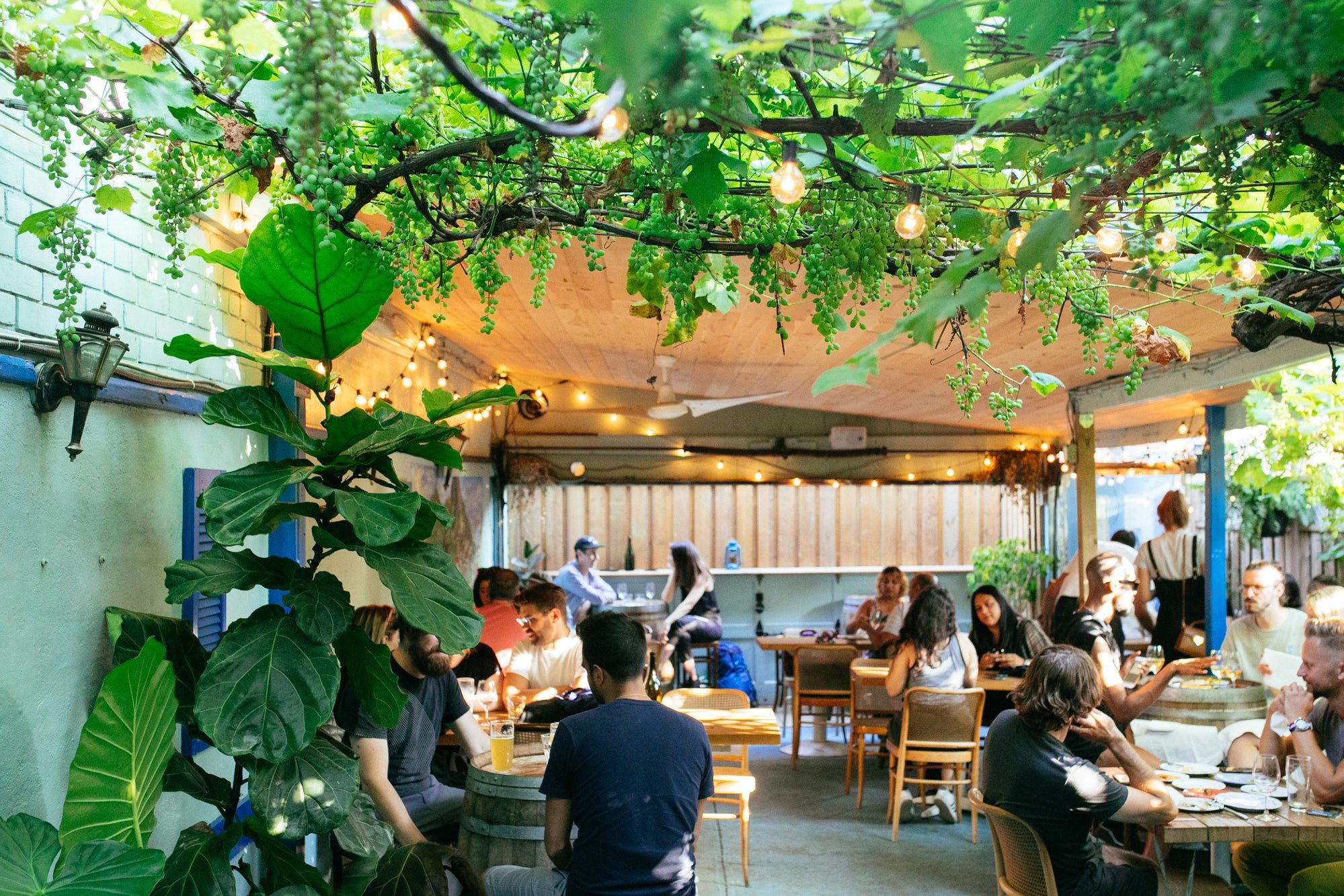
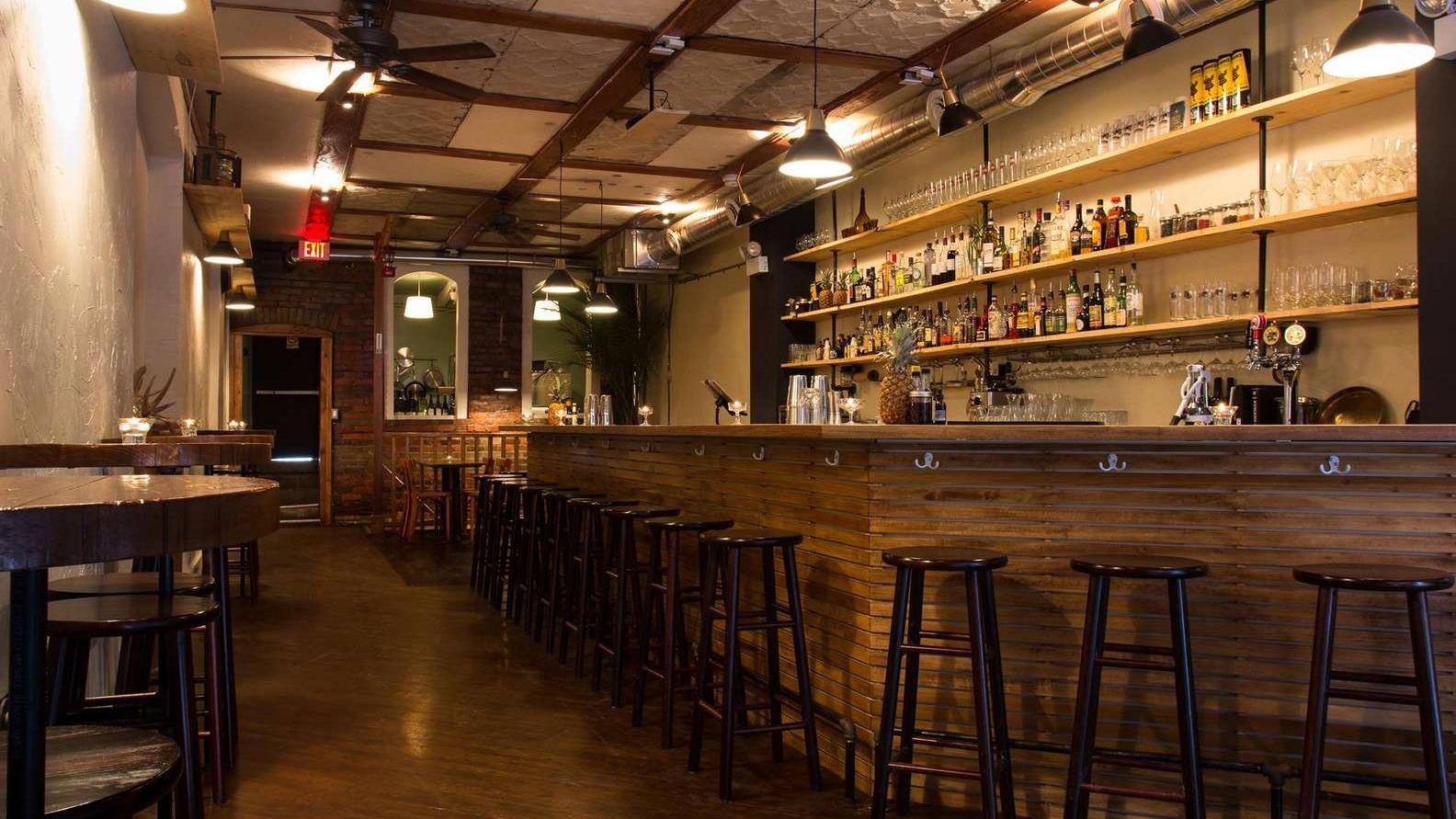
Warm, inviting, and rustic atmosphere with comfortable lighting that evokes the feel of Italian streets.