Adelaide Street's Terroni anchors Toronto's Italian dining conversation not with fine-dining pretension but with a commitment to southern Italian tradition that has earned it a durable following across the city. The room at 57 Adelaide St E carries the particular energy of a place confident enough in its cooking to let the food speak. For those tracing Toronto's Italian restaurant evolution, it remains a consistent reference point.
Pearl is the En Primeur Club membership app — saves, bookings, and concierge access live there. Same editors, same standards.
- Address
- 57 Adelaide St E, Toronto, ON M5C 1K6, Canada
- Phone
- +1 416 203 3093
- Website
- terroni.com
- Directions
- Get directions
 Saves & bookings on Pearl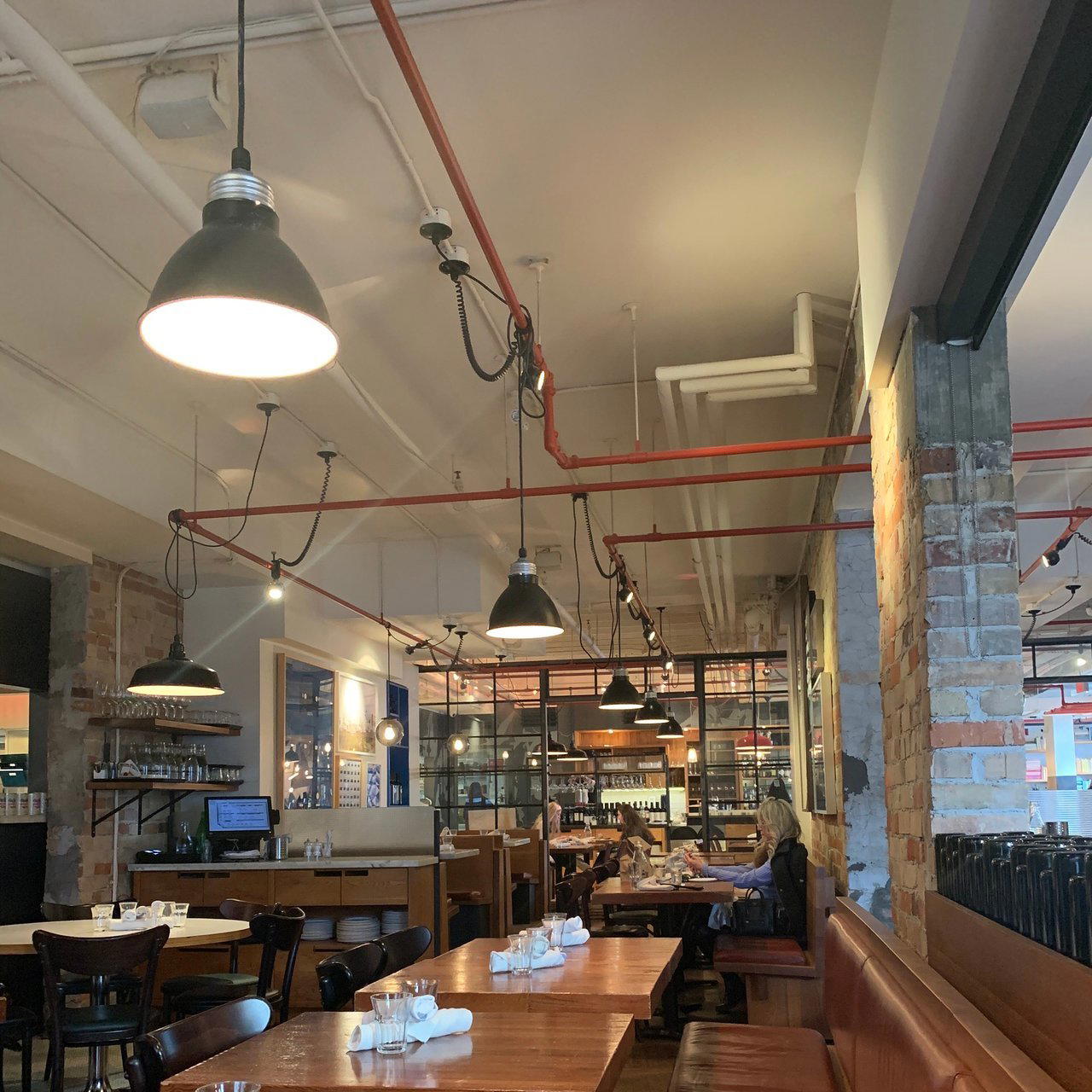
The Room Before the Food
There is a particular register that certain Italian restaurants in North America manage to hit, somewhere between trattoria warmth and civic institution, and Terroni's Adelaide Street location occupies that register with some authority. The room feels worn in the right ways: surfaces that have absorbed years of conversation, light that doesn't announce itself, and a noise level calibrated by occupancy rather than by design intent. You are not being staged for a dining experience. You are, more simply, expected to eat.
That physical confidence is worth noting because it shapes everything that follows. Toronto's downtown Italian dining scene has expanded considerably over the past decade, pulling in both high-concept contemporary Italian formats and neighbourhood staples of varying seriousness. Against that range, the Adelaide location's atmosphere makes an implicit argument: that the cooking does not require theatrical framing to hold attention.
Southern Italian Tradition in a City That Now Has Options
Toronto's Italian restaurant conversation used to be dominated by the long-established red-sauce houses of Corso Italia and the College Street corridor, with little in between them and the European-inflected fine-dining rooms of the financial district. Terroni entered that gap with a southern Italian focus, Puglia, Campania, the boot's lower registers, at a time when that specificity was less common in the city.
The significance of that positioning has shifted as Toronto's dining scene has grown more layered. Restaurants like DaNico and Don Alfonso 1890 now occupy the contemporary Italian and high-end Italian tiers respectively, offering different competitive reference points. Terroni does not compete directly with either. Its comparable set is the serious mid-market Italian category: places where the pasta is made with attention, the pizza dough is handled with discipline, and the wine list reflects actual Italian regional knowledge rather than a generic international selection. Within that category in Toronto, Terroni has accumulated the kind of track record that compresses the need for explanation.
The southern Italian culinary tradition that Terroni draws from is one built around restraint in ingredient count and specificity in technique. Orecchiette with broccoli rabe, wood-fired pizza with a charred cornicione, suppli that hold their shape, these are dishes where the margin between correct and forgettable is narrow, and where doing them well year after year is harder than it appears. That is the territory Terroni has staked, and it is not the easiest territory to defend over time.
Atmosphere as Culinary Argument
Sensory experience at Adelaide is shaped as much by what isn't present as by what is. There is no elaborate welcome ritual, no multi-stage amuse-bouche sequence, no tableside theatre. The sound environment is conversational rather than curated, the clink of carafes, the overlap of adjacent tables, the particular acoustic of a room that fills most nights. This is not a restaurant that uses atmosphere as a substitute for cooking quality; it is one that uses atmosphere to signal that the cooking does not need a surrogate.
Smells matter in Italian restaurants in ways that often go unremarked. A wood-fired oven leaves a specific register of char in the air that changes how you anticipate the food. Garlic in olive oil carries a different message than garlic in butter. These are not incidental details; they are the olfactory grammar of a cuisine, and they function as a form of credentialing before a plate arrives.
For Toronto diners cross-referencing against the city's broader range, from the omakase precision of Sushi Masaki Saito to the kaiseki formality of Aburi Hana, or the contemporary tasting menus at Alo, Terroni sits in a deliberately different register. It is not trying to win that comparison. It is operating in a category where the benchmark is reliability, regional fidelity, and the ability to feel like the right place on an ordinary Tuesday as much as a planned occasion.
How It Sits in Canada's Broader Restaurant Map
Terroni's durability in Toronto has a parallel in how certain anchor restaurants function in other Canadian cities: places that are not the newest or the decorated but that carry institutional weight by continuing to perform at a consistent level while the scene around them turns over. Tanière³ in Quebec City and Jérôme Ferrer's Europea in Montreal represent a comparable kind of staying power in their respective markets, even though the formats differ considerably.
Across Canada's restaurant geography, it is worth noting how much the Italian category specifically has deepened. Cafe Brio in Victoria and AnnaLena in Vancouver both reference Italian influence within broader menus. The more singularly Italian-focused positions, as Terroni occupies, are rarer and carry proportionally more expectation. For a wider view of where Italian dining sits within Toronto's full restaurant map, the EP Club Toronto restaurants guide provides the category context.
Internationally, the southern Italian model Terroni draws from has been executed at different scales: Le Bernardin in New York City represents the opposite end of the formality spectrum in that city, while Lazy Bear in San Francisco shows how an entirely different format can build comparable institutional weight through consistency and identity clarity. The lesson across all of them is that the restaurants with longevity tend to be the ones that know precisely what they are.
Planning Your Visit
The Adelaide Street location puts Terroni in the middle of Toronto's financial and entertainment district, accessible from the King Street corridor and within walking range of the St. Lawrence Market neighbourhood. For those visiting other Toronto destinations in the same area, the proximity matters for logistics.
| Venue | Cuisine | Price Tier | Format |
|---|---|---|---|
| Terroni (Adelaide) | Southern Italian | Mid-range | Trattoria / casual dining |
| Don Alfonso 1890 | Contemporary Italian | $$$$ | Fine dining / tasting menu |
| DaNico | Italian | $$$$ | Contemporary Italian / à la carte |
| Alo | Contemporary | $$$$ | Tasting menu |
Weekday lunches tend to be more accessible than Friday and Saturday evenings. The Adelaide location draws both the office lunch crowd and evening diners, so the character of the room shifts across the day.
Within Toronto itself, Terroni's position as a reliable, regionally specific Italian option has proven more durable than many of the formats that opened and closed around it.
Peers in This Market
Comparable venues nearby, for context on price, style, and recognition.
| Venue | Cuisine | Price | Notes |
|---|---|---|---|
| TerroniThis venue — the venue you are viewing | Southern Italian Pizza and Pasta | $$ | Not listed |
| Campagnolo | Modern Italian | $$ | Little Italy |
| Taverna Mercatto | Modern Italian Trattoria | $$ | Waterfront Communities-The Island |
| 7 Numbers EGLINTON | Authentic Southern Italian | $$ | Allenby |
| Amano Italian Kitchen | Modern Italian | $$ | Financial District |
| F'Amelia | Northern Italian | $$$ | Cabbagetown |
Continue exploring
More in Toronto
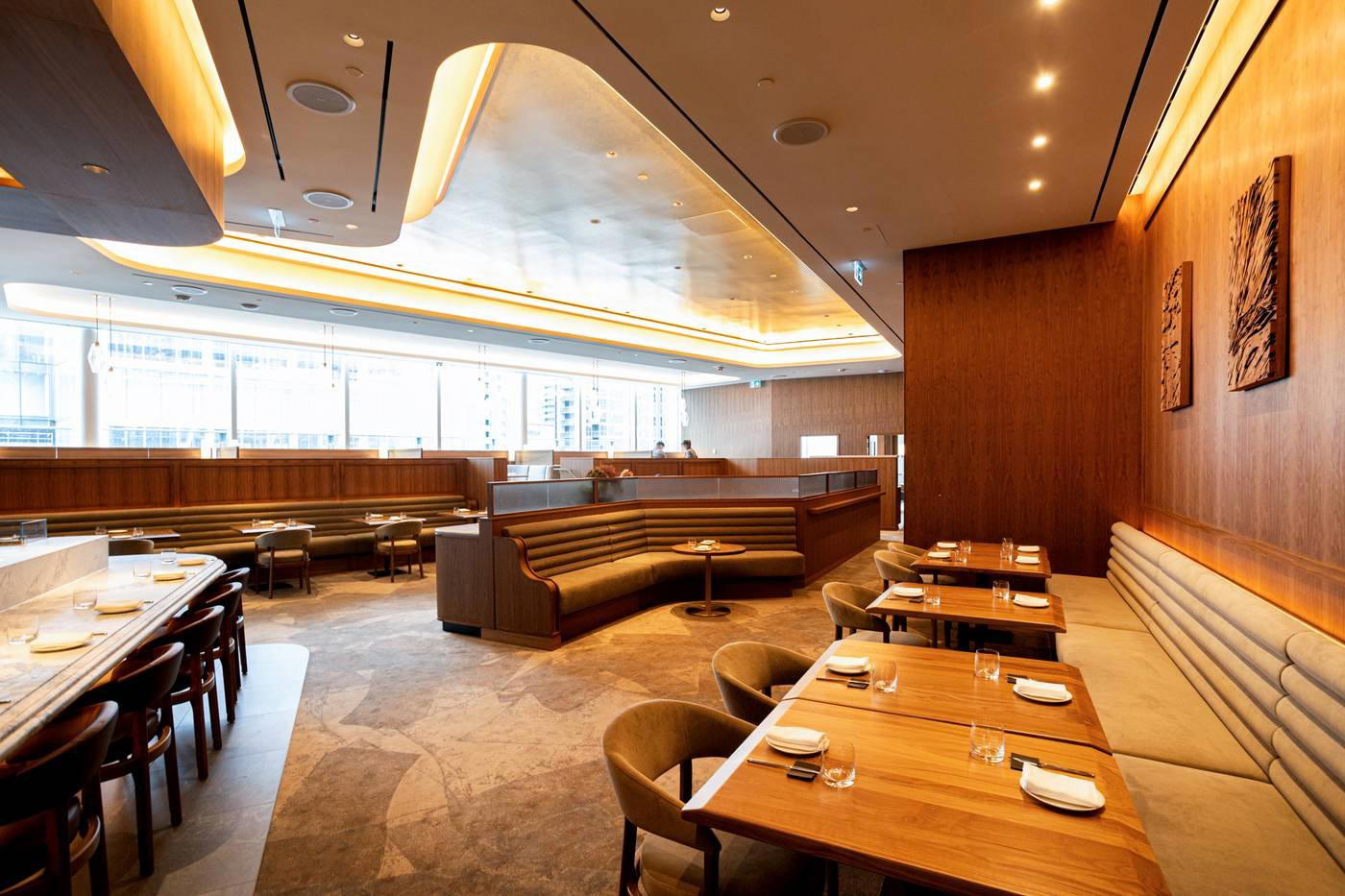
Restaurants in Toronto
Browse all →
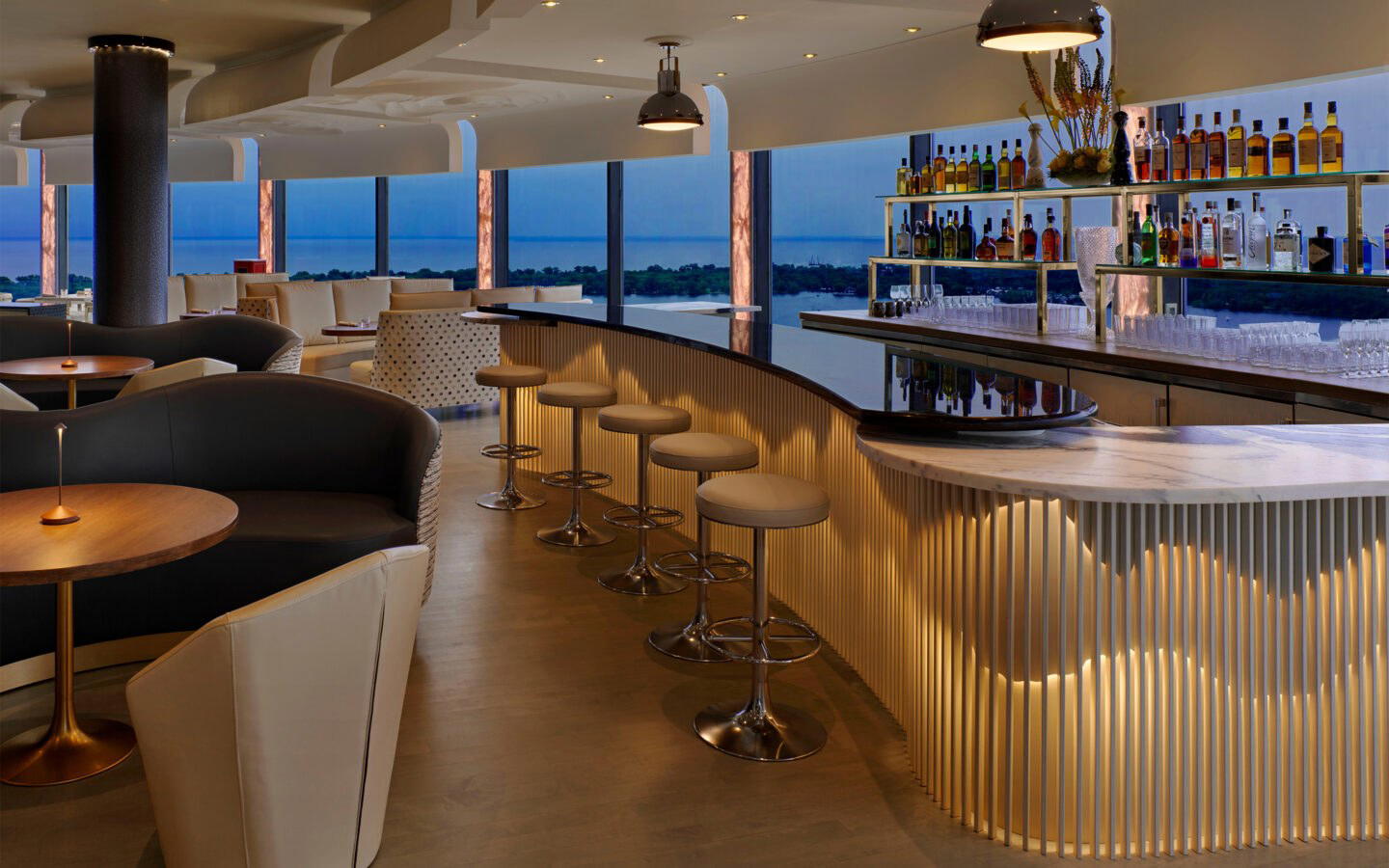
Bars in Toronto
Browse all →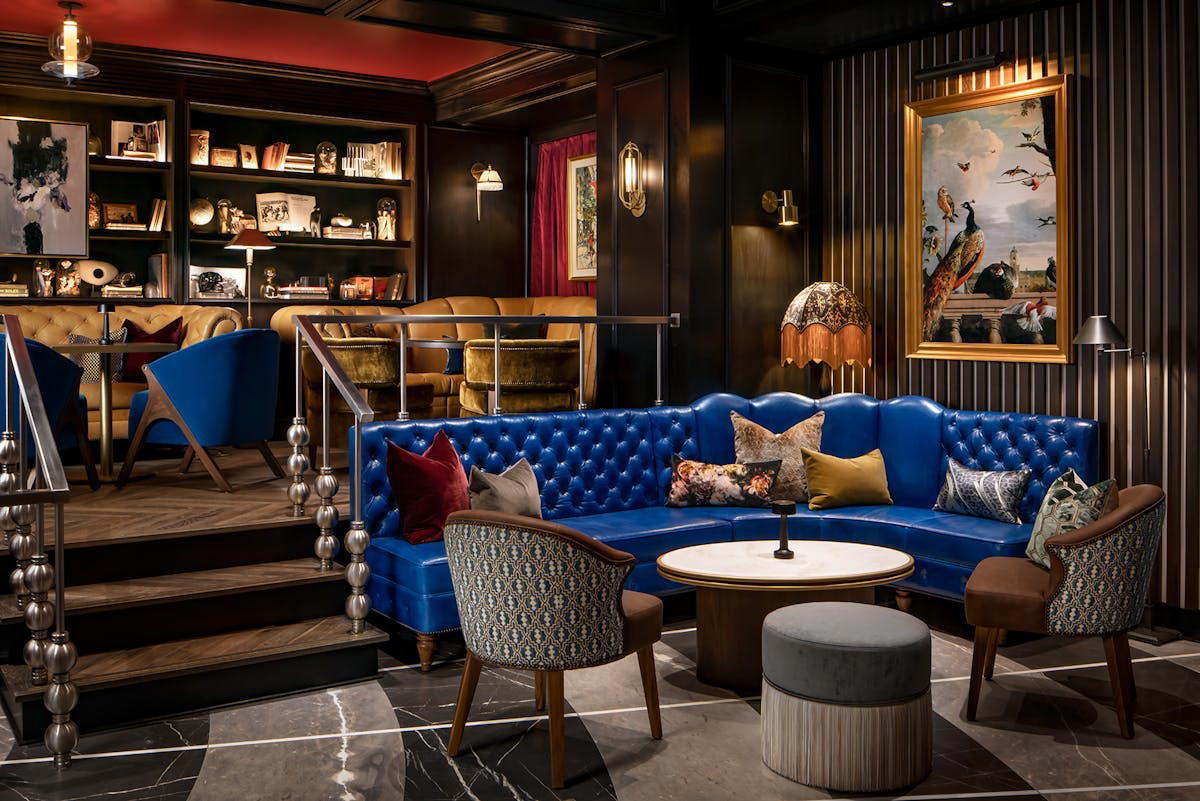
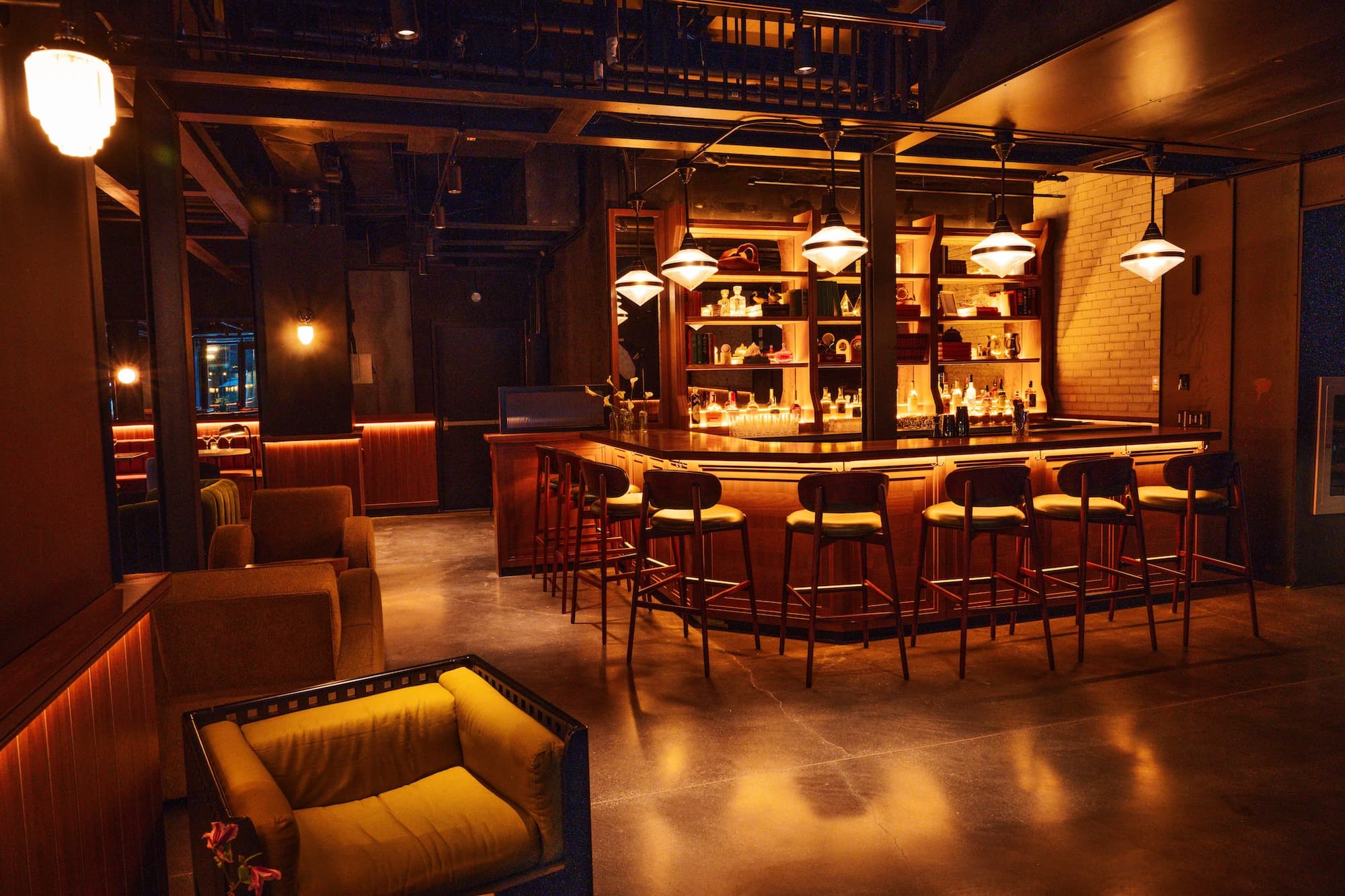
Hotels in Toronto
Browse all →

At a Glance
- Lively
- Group Dining
- Casual Hangout
- Open Kitchen
- Extensive Wine List
Current opening hours
- Monday
- 11:30 AM–10 PM
- Tuesday
- 11:30 AM–10 PM
- Wednesday
- 11:30 AM–10 PM
- Thursday
- 11:30 AM–10 PM
- Friday
- 11:30 AM–10 PM
- Saturday
- 11:30 AM–10 PM
- Sunday
- 11:30 AM–10 PM
Hours can change for holidays and private events. Last verified .
Lively and welcoming with a lively atmosphere.