7 Numbers Eglinton sits on the western stretch of Eglinton Avenue in Toronto's midtown, representing the neighbourhood Italian tradition that has anchored this corridor for decades. The kitchen works within a format familiar to the city's casual Italian dining scene, where comfort and regularity matter as much as occasion. For residents and visitors seeking a reliable neighbourhood anchor rather than a destination tasting menu, this address delivers.
Pearl is the En Primeur Club membership app — saves, bookings, and concierge access live there. Same editors, same standards.
- Address
- 516 Eglinton Ave W, Toronto, ON M5N 1A5, Canada
- Phone
- +14163225183
- Website
- sevennumbers.com
- Directions
- Get directions
 Saves & bookings on Pearl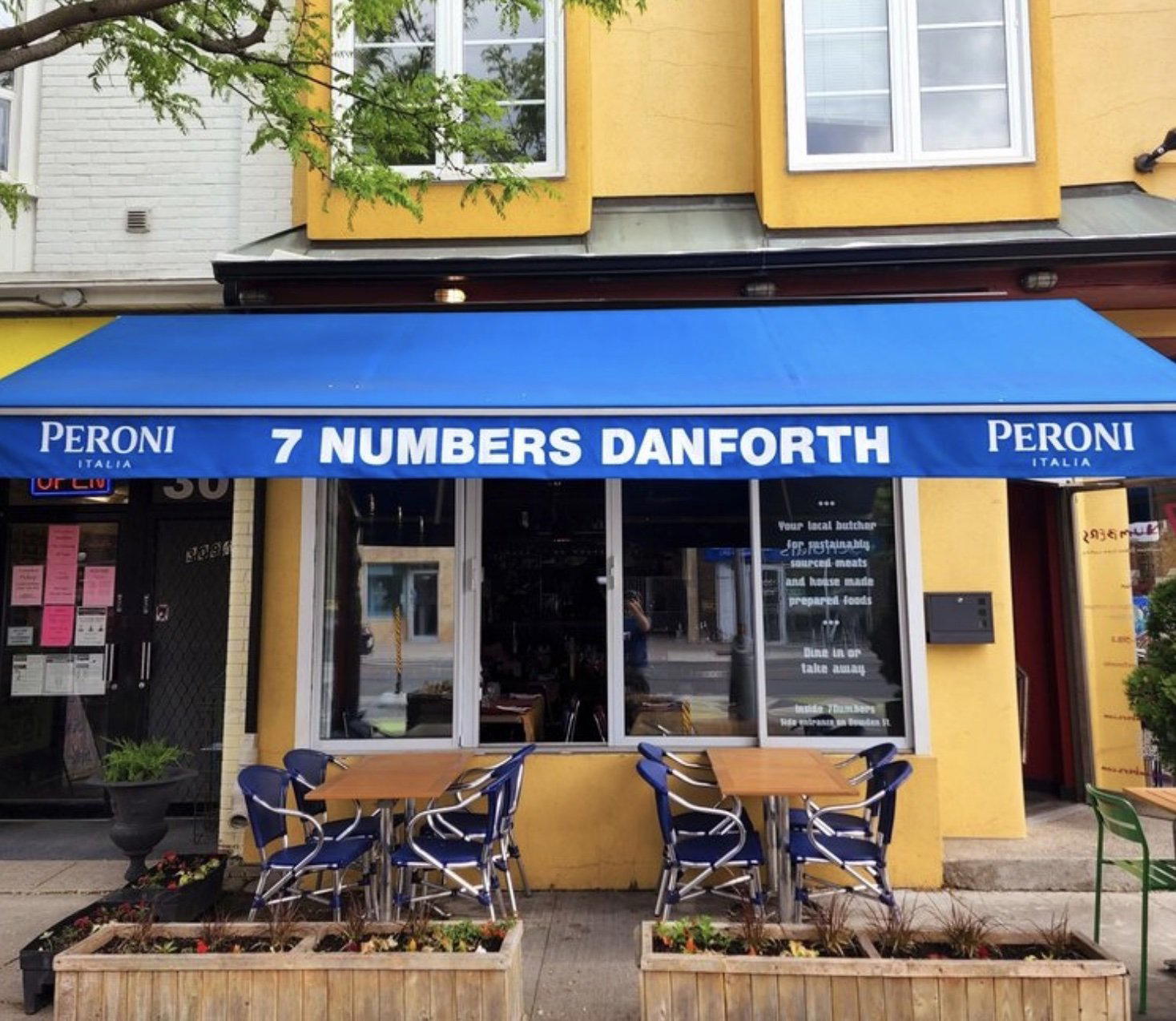
Midtown Toronto's Italian Dining Corridor
7 Numbers Eglinton is a Toronto restaurant serving authentic Southern Italian cuisine at 516 Eglinton Ave W in midtown. The stretch of Eglinton Avenue West running through Toronto's Forest Hill and Chaplin Estates neighbourhoods has long operated as one of the city's most consistent dining strips for everyday Italian. Unlike the destination-dining cluster downtown around King West, or the fine-dining tier represented by venues such as Alo and DaNico, the Eglinton West corridor trades on repetition and neighbourhood loyalty. The metric here is not innovation; it is reliability of execution across repeated visits.
7 Numbers Eglinton at 516 Eglinton Ave W occupies that register. The name itself signals belonging to a small Toronto Italian group that has built its identity not on tasting-menu ambition but on the kind of mid-format trattoria dining that keeps a neighbourhood functioning as a social organism. The room is a place people return to.
What the Format Says About the Kitchen
Toronto's Italian dining scene has bifurcated sharply over the past decade. At the leading, kitchens such as Don Alfonso 1890 apply southern Italian technique to Canadian ingredients at prices that place them alongside the city's flagship fine-dining rooms. At the other end, the neighbourhood trattoria survives on pasta executed consistently, a short wine list that doesn't require a sommelier to decode, and a dining room that feels the same at 6pm and 9pm.
7 Numbers Eglinton sits in that second register, which in Toronto's midtown is a competitive space. The Forest Hill corridor is dense with long-running Italian addresses, and the restaurants that survive are those that have earned a loyalty base rather than depending on foot traffic from tourists or destination seekers. In that context, the multi-location 7 Numbers format carries a meaningful signal: the group has proven the model repeatable, which requires a degree of kitchen discipline that single-location operators do not always demonstrate.
For comparison, the upper end of Toronto's Italian dining cohort, including Don Alfonso 1890 and the broader fine-dining tier reviewed alongside venues like Aburi Hana and Sushi Masaki Saito, operates in a structurally different category: fixed or semi-fixed menus, premium sourcing declarations, and price points that exclude the weekly-dinner-out demographic entirely. The restaurant is not competing with those rooms, and it would be a category error to evaluate it against them.
Ingredient Sourcing in Neighbourhood Italian: What the Format Demands
The editorial angle most revealing of how a neighbourhood Italian kitchen operates is not its chef credentials or its design budget but where it sources its primary ingredients and how faithfully those sourcing decisions hold across the menu. In Canadian cities, the neighbourhood trattoria has historically occupied an uncomfortable middle ground: aspirational enough to serve imported San Marzano tomatoes and DOP-certified cheeses, but volume-dependent enough that sourcing consistency can erode under pressure.
The leading examples of the format across Canada, from AnnaLena in Vancouver to kitchens further east, have shown that neighbourhood loyalty is sustained when the sourcing narrative is honest rather than aspirational. A pasta program built around Canadian durum with a house-made approach reads differently to a regular than one built on imported dried product, and experienced diners in midtown Toronto have developed the palate to distinguish between them over repeated visits.
For a kitchen operating at the restaurant price point and format, the relevant sourcing question is whether the proteins, produce, and dairy anchor in regional Ontario supply chains or rely on imported commodity product. Midtown Toronto has the purchasing power to support kitchens that pay more for better Ontario ingredients, and the neighbourhood Italian restaurants that have earned long-term reputations in this city are generally those that made that investment rather than optimising for margin at the sourcing stage. The structural conditions for good sourcing practice are present in the neighbourhood.
Placing 7 Numbers Eglinton in the Canadian Dining Context
Across Canada, the neighbourhood Italian restaurant is among the more durable dining formats in any city with a significant Italian-Canadian community, and Toronto has the largest Italian-Canadian population in the country. That community history shapes what Torontonians expect from Italian dining at the neighbourhood level: generosity over precision, familiarity over novelty, and a room that functions as a social space rather than a tasting experience.
That tradition is not distinctive to Toronto. Jérôme Ferrer's Europea in Montreal operates at a different price tier but reflects the same fundamental impulse: a restaurant anchored in a community and held accountable by it. Elsewhere in Ontario, destination dining at places like Eigensinn Farm in Singhampton or Restaurant Pearl Morissette in Lincoln operates at the opposite extreme: fully destination-driven, with guests travelling specifically for the meal. The restaurant sits at the other end of that axis, where the dining room serves the neighbourhood rather than drawing people to it.
That positioning has real value. For a visitor staying in midtown Toronto, the ability to walk to a dependable Italian room without planning a taxi across town to a downtown destination is precisely what neighbourhood restaurants provide. For residents, the value is the accumulated relationship: a table they can get, staff who know their preferences, and a menu that doesn't require extensive study.
Planning a Visit
516 Eglinton Ave W places the restaurant in the heart of the midtown Eglinton West strip, accessible by the Eglinton subway station on the Crosstown LRT line, which has improved transit access to this corridor significantly. For those visiting Toronto and staying in midtown, the location requires no significant travel. For visitors based downtown, this is a deliberate trip rather than a casual stop, though the midtown neighbourhood itself rewards exploration.
For those interested in Italian dining specifically, the contrast between neighbourhood formats like this and the fine-dining Italian tier represented by Don Alfonso 1890 is worth understanding.
Side-by-Side Snapshot
Comparable venues nearby, for context on price, style, and recognition.
| Venue | Cuisine | Price | Notes |
|---|---|---|---|
| 7 Numbers EGLINTONThis venue — the venue you are viewing | Authentic Southern Italian | $$ | Not listed |
| Grazie Toronto | Authentic Italian Pasta & Pizza | $$ | Uptown Yonge |
| La Bettola Di Terroni | Traditional Southern Italian Osteria | $$ | Garden District |
| Trattoria Di Parma | Authentic Italian Trattoria | $$ | Danforth |
| Nonna's Place | Homemade Italian Sandwiches | $$ | Junction Triangle |
| Blondies Pizza | Gourmet Pizza | $$ | Cabbagetown |
Continue exploring
More in Toronto
Restaurants in Toronto
Browse all →
Bars in Toronto
Browse all →

Hotels in Toronto
Browse all →

At a Glance
- Cozy
- Rustic
- Intimate
- Date Night
- Family
- Casual Hangout
- Open Kitchen
- Local Sourcing
Current opening hours
- Monday
- Closed
- Tuesday
- 5–10 PM
- Wednesday
- 5–10 PM
- Thursday
- 5–10 PM
- Friday
- 5–10 PM
- Saturday
- 5–10 PM
- Sunday
- 5–10 PM
Hours can change for holidays and private events. Last verified .
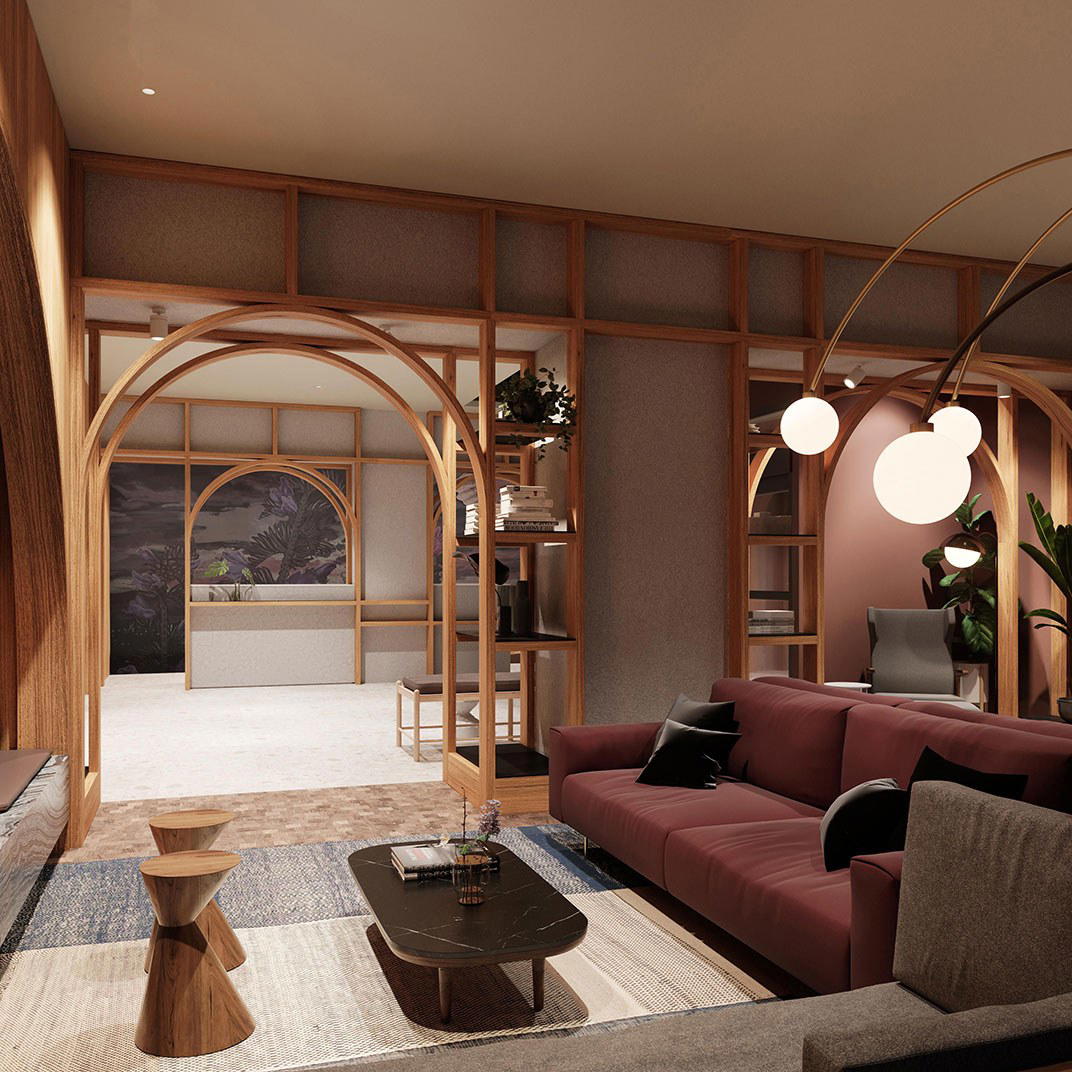
Cozy space with warm welcoming atmosphere, wine bottle candelabras, and family-style dining featuring hearty homey dishes.