
Kyoto’s patisserie culture has long absorbed French technique without losing its local scale: small rooms, precise service, and sweets treated as daily craft rather than grand occasion. grains de vanille belongs to that lane, a cake-and-cafe address in Nakagyo-ku with repeated Tabelog Sweets WEST 100 selection and a format that suits a focused afternoon stop.
Pearl is the En Primeur Club membership app — saves, bookings, and concierge access live there. Same editors, same standards.
- Address
- 京都府京都市中京区間之町二条下ル鍵屋町486
- Phone
- +81752417726
- Website
- grainsdevanille.com
 Saves & bookings on Pearl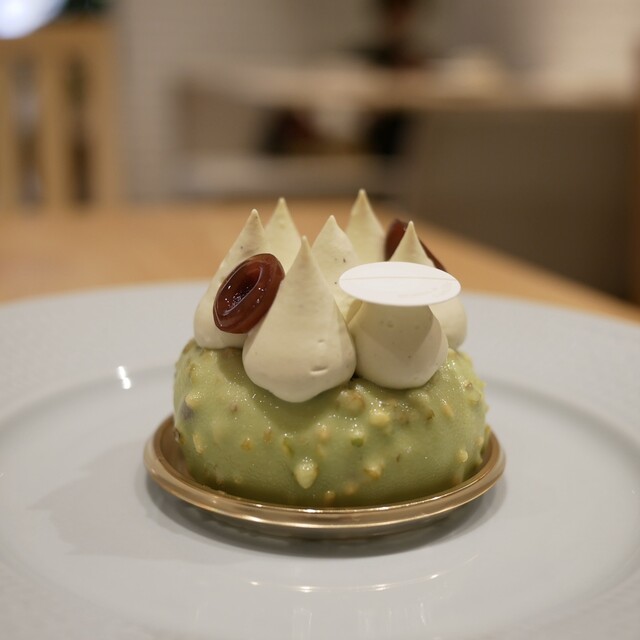
Karasuma Oike is not Kyoto at its temple-postcard setting; it is Kyoto at working speed, with office blocks, machiya remnants, bicycle traffic, and polished small shops threaded through the grid. That makes the sweets culture here feel less ceremonial than practical. A good patisserie in this part of Nakagyo-ku is not an afterthought to sightseeing. It is part of the city’s everyday rhythm, where French pastry grammar meets Japanese portioning, seasonality, and restraint.
grains de vanille fits that pattern. The category is cake and cafe, not dessert counter theatre, and that distinction matters in Kyoto. The city’s more formal dining rooms tend to turn craft into a long sequence; its patisseries compress the same concern for texture, timing, and presentation into a shorter visit. Recognition from Tabelog Sweets WEST 100 in 2023, alongside earlier selections in 2017, 2018, 2019, 2020, and 2022, places it inside a durable regional sweets conversation rather than a passing social-media queue.
French pastry discipline, Kyoto scale
Kyoto is especially good at imported forms that become quieter after arrival. Coffee, bread, French dining, and patisserie have all been absorbed into the city’s habits without needing to imitate Paris wholesale. The more persuasive shops are measured by balance: sweetness held in check, cream used with precision, and a visual language that favours clean lines over excess. That is the useful frame for reading this address, where the appeal is less about novelty than control.
The local-ingredients, global-technique story is central to Kyoto sweets. French methods supply the architecture: layered creams, mousses, sponge, tart shells, glazing, and temperature control. Kyoto supplies a different set of expectations: seasonality, compact service, a taste for bitterness and fragrance, and an audience accustomed to wagashi’s calibrated sweetness. When those forces meet well, the result is not fusion for its own sake. It is pastry that feels technically European but socially Japanese, ordered in a modest room and judged by repeatability.
That puts grains de vanille in a different lane from broader Kyoto dining rooms such as 3TOKU6MI Shijo karasuma ten, [ki:], or Abbesses. Those addresses sit closer to meal-length restaurant decision-making. A patisserie visit asks a narrower question: does the kitchen deliver enough precision to justify being a destination within the day rather than a convenient pause? Repeated Tabelog selection answers that question with a credible signal.
Why Nakagyo-ku rewards a pastry detour
Nakagyo-ku is one of Kyoto’s more useful eating districts because it bridges the city’s old commercial core and its contemporary dining habits. From this base, a visitor can move from casual regional staples such as 551蓬莱 to older sweet traditions such as Aburi Mochi Honke Nemoto Kazariya. That range explains why cake culture works here. It does not need to compete with kaiseki or temple tea; it occupies the practical middle of the day, between errands, museums, shopping streets, and dinner reservations.
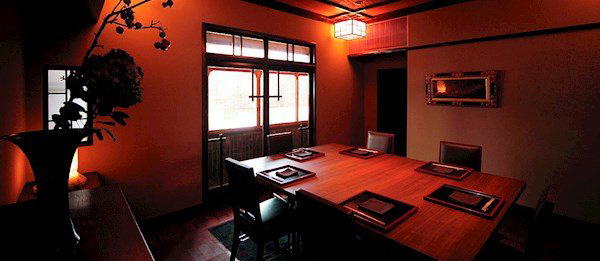
The room’s small scale also shapes the experience. An 18-seat, table-only cafe format changes the tempo: this is not a sprawling salon where visitors linger anonymously for hours, nor a pure takeaway counter where craft disappears into packaging. It is closer to Kyoto’s broader preference for compact, managed spaces, where capacity itself encourages focus. For travellers, the editorial choice is clear: treat it as a planned pastry stop, not a backup cafe.
Compared with Kyoto restaurants in the same city conversation, including Kyochuka Makisada, Takezaki, Sosakukappo Otani, Zucchero, and La pleine lune, this address operates on a smaller spend and a narrower brief. That does not make it casual in intent. It means the craft is expressed through cake and cafe service rather than a full lunch or dinner sequence. In a city where dining can easily become over-scheduled, that shorter format has real value.
How to place it in a Kyoto itinerary
The better use of grains de vanille is as a calibrated afternoon anchor. Kyoto rewards clustering: a morning around central galleries or shopping streets, a pastry stop near Karasuma Oike, then a separate dinner plan elsewhere. Visitors building a broader food itinerary should use Our full Kyoto restaurants guide for meal planning, with Our full Kyoto bars guide for later drinking and Our full Kyoto experiences guide for cultural pacing. Hotels can change the logic of a day here, so Our full Kyoto hotels guide is useful if central access matters; Our full Kyoto wineries guide covers the separate wine side of the city.
For readers comparing across Japan rather than only Kyoto, the point is category discipline. A pastry cafe should not be judged by the same criteria as a sukiyaki room, a sake bar, or an onigiri specialist. The national spread of casual and specialist formats runs from -Grilled beef Sukiyaki- KAMAKURA TANUKIAN 鎌倉 たぬき庵 in Kamakura and. 鮪と炭火焼き うお炭 秋葉原店 in Tokyo to.cafe in Osaka,.know in Kumamoto, (Shoku) Vietnam in Kawasaki, and [Curry Senmon Ten] Maruyama Kyoju. in Sapporo. Overseas Japanese-adjacent references such as Jōdo Saké Bar in Los Angeles and Onigiri Time in Pasadena underline the same rule: format dictates expectations.
The editorial case for this Kyoto patisserie rests on three things: repeated regional sweets recognition, a compact cafe structure, and a location that fits naturally into the city’s central-day rhythm. For travellers who understand that Kyoto’s food culture is as much about small calibrated pauses as long formal meals, it earns its place on the schedule.
Price and Positioning
Comparable venues to place this listing in its category.
| Venue | Cuisine | Price | Awards |
|---|---|---|---|
| grains de vanilleThis venue — the venue you are viewing | Nakagyō, French-style patisserie & café | $$ | , |
| LA VOITURE | Sakyō, French Patisserie Cafe | $$ | , |
| Patisserie TATSUHITO SATOI | Sakyō, French Patisserie | $$ | , |
| RESTAURANT hidamarino | Shimogyō, Modern French in central Kyoto | $$ | , |
| ほしぞら | Shimogyo-ku, Korean-style Yakiniku | $$ | , |
| 德まる | 中京区, Japanese Kappo | $$ | , |
Continue exploring
More in Kyoto
Restaurants in Kyoto
Browse all →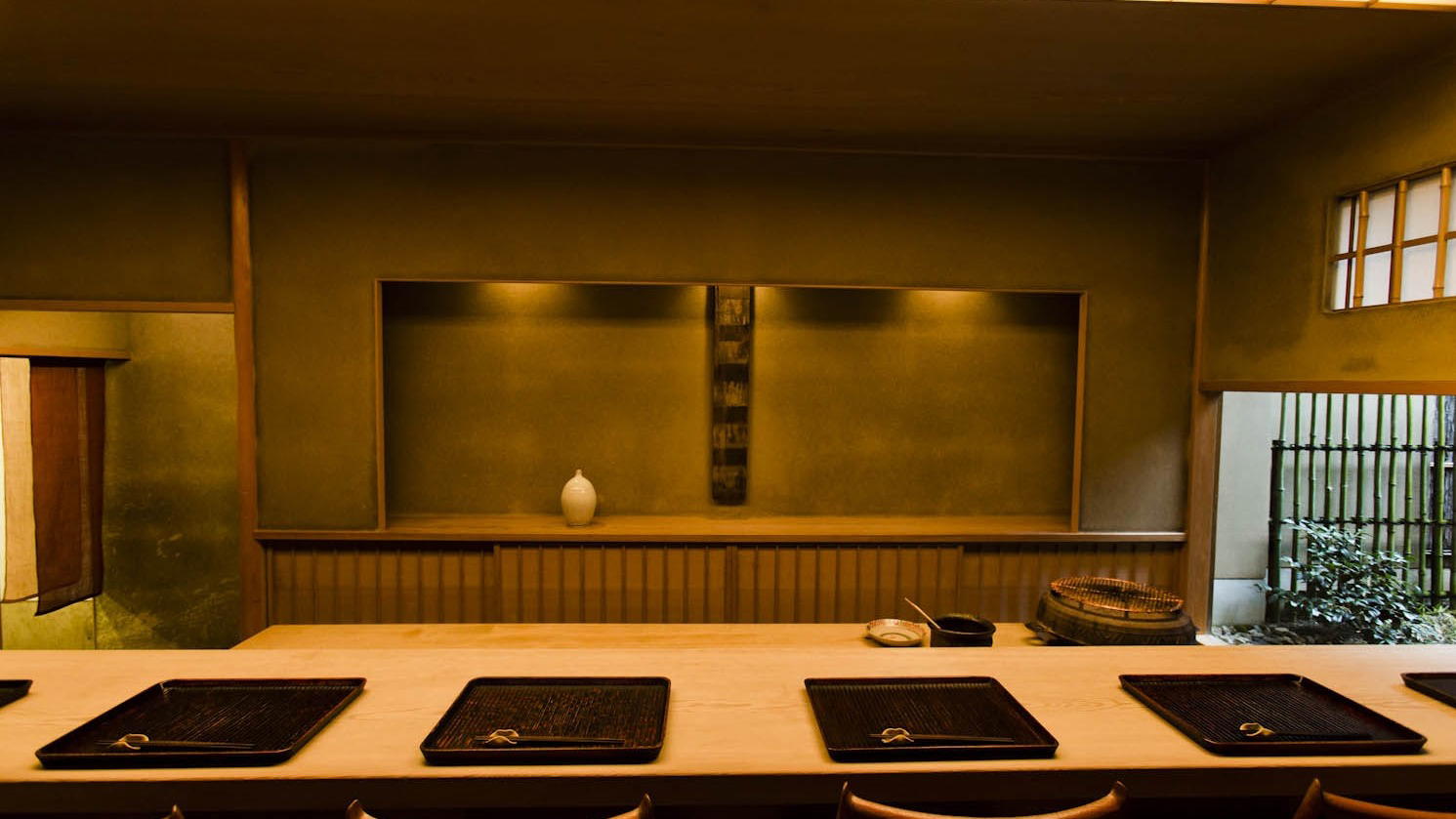
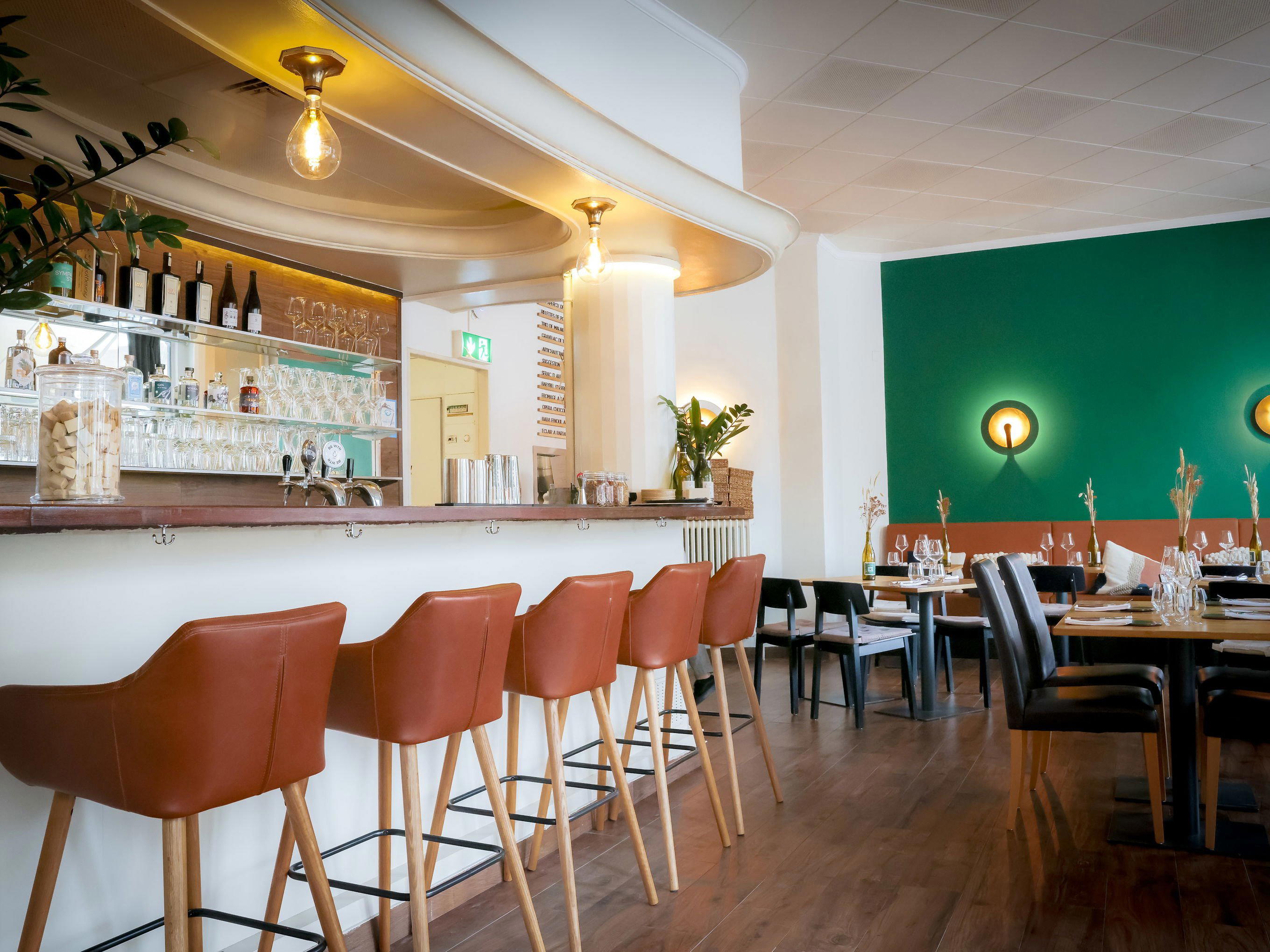
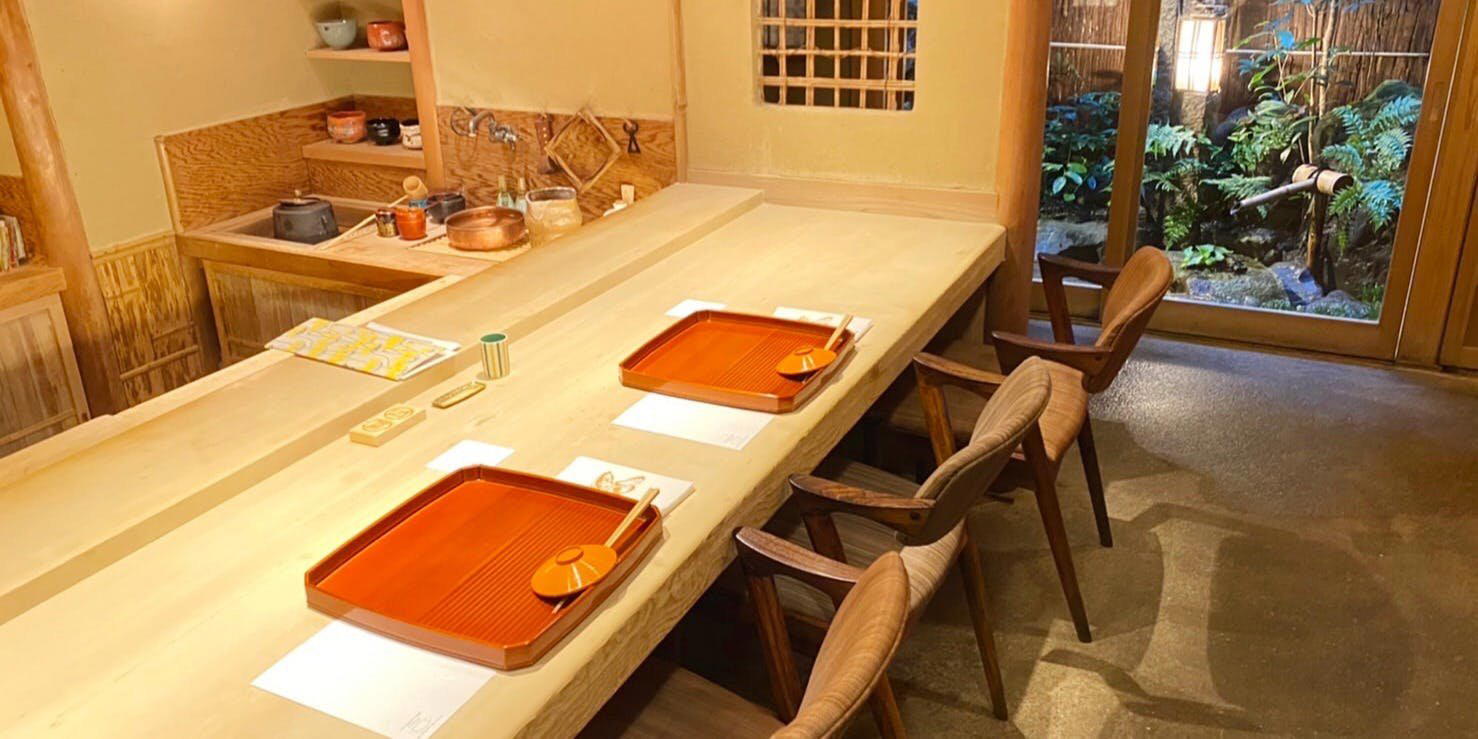
Bars in Kyoto
Browse all →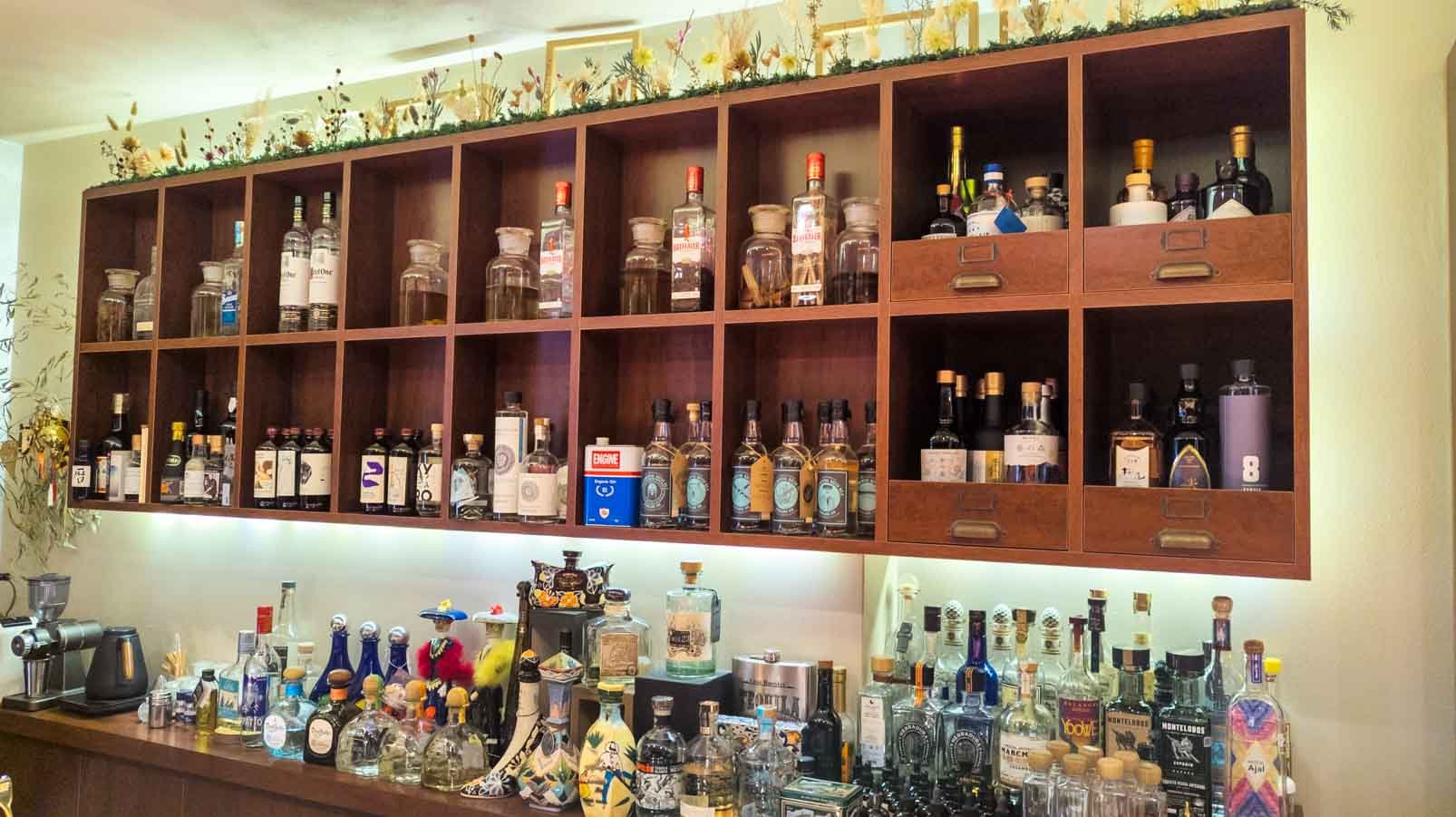
Hotels in Kyoto
Browse all →

Wineries in Kyoto
Browse all →
At a Glance
- Cozy
- Elegant
- Modern
- Quiet
- Hidden Gem
- Date Night
- Solo
- Casual Hangout
- After Work
- Brunch
- Standalone
- Design Destination
- Historic Building
- Local Sourcing
- Garden
A cozy, softly lit cake shop and café that blends modern patisserie presentation with a calm Kyoto townhouse feel, suited to quiet conversations over meticulously crafted desserts.